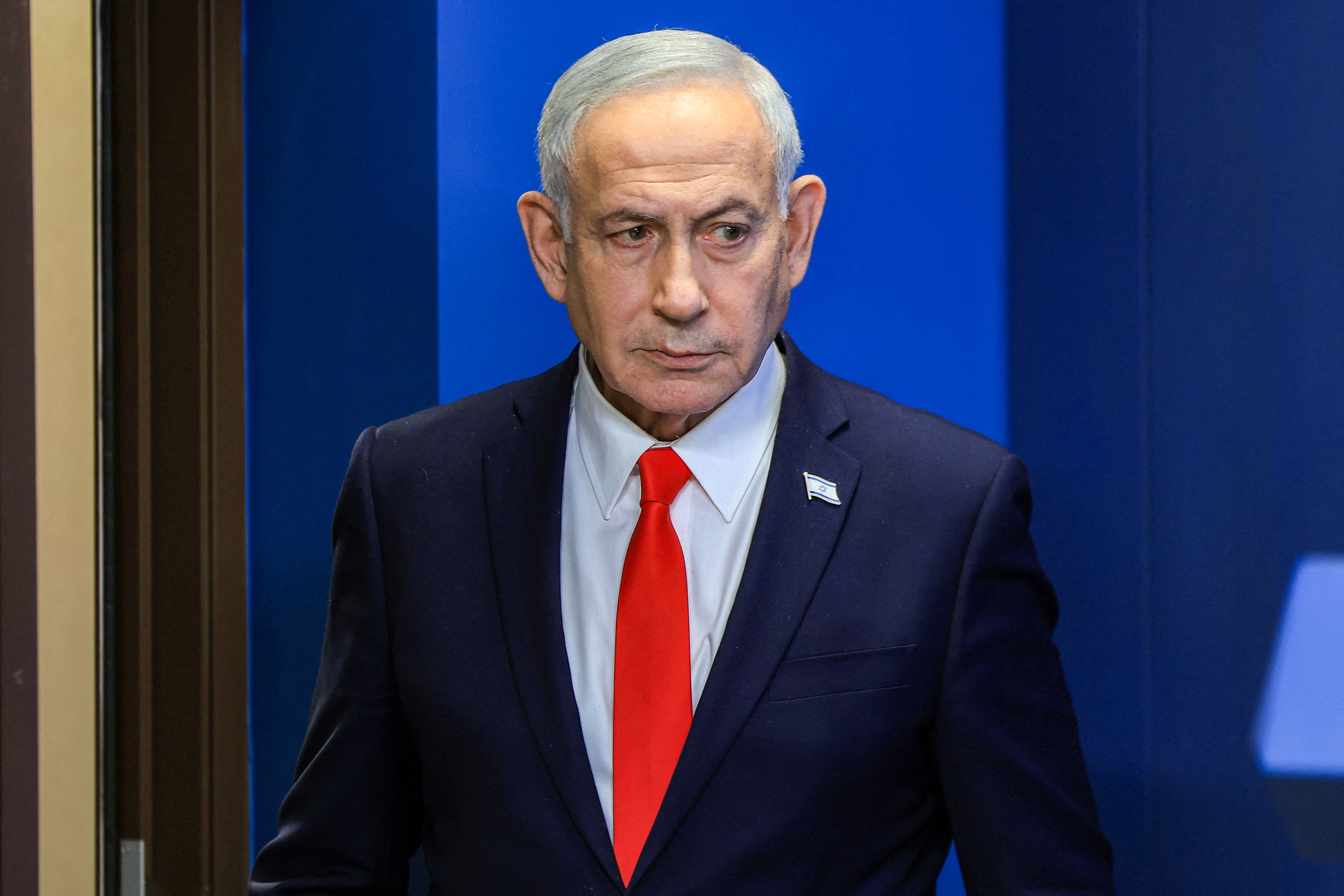
Israeli opposition leaders have accused Prime Minister Benjamin Netanyahu of falsely asserting that Iran possesses nuclear bombs. This claim, they argue, was intended to justify aggressive policies and stir public alarm. Netanyahu had previously stated that Israel obtained evidence of Iran’s nuclear ambitions, claiming Iran planned for “five Hiroshima bombs” based on files allegedly stolen by Israeli intelligence. However, both U.S. intelligence and the International Atomic Energy Agency (IAEA) maintain that Iran is not actively constructing a nuclear weapon, although it retains the technical capacity to do so.
Key Takeaways
Recent accusations against Netanyahu appear to undermine confidence in diplomatic efforts, suggesting a decrease in likelihood for a uranium enrichment agreement by December 31, 2026.
The current pricing in prediction markets implies skepticism about Iran’s willingness to engage in negotiations following Netanyahu’s controversial statements.
Markets appear to interpret these developments as consistent with a decrease in the probability of an imminent US-Iran diplomatic meeting.