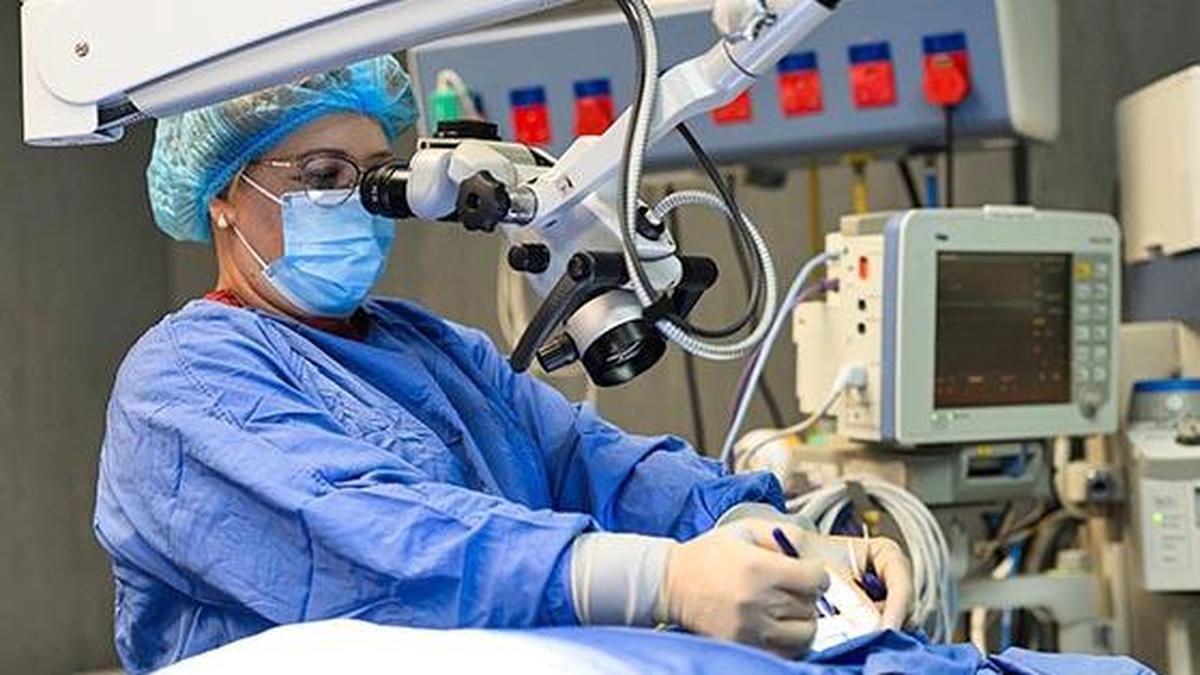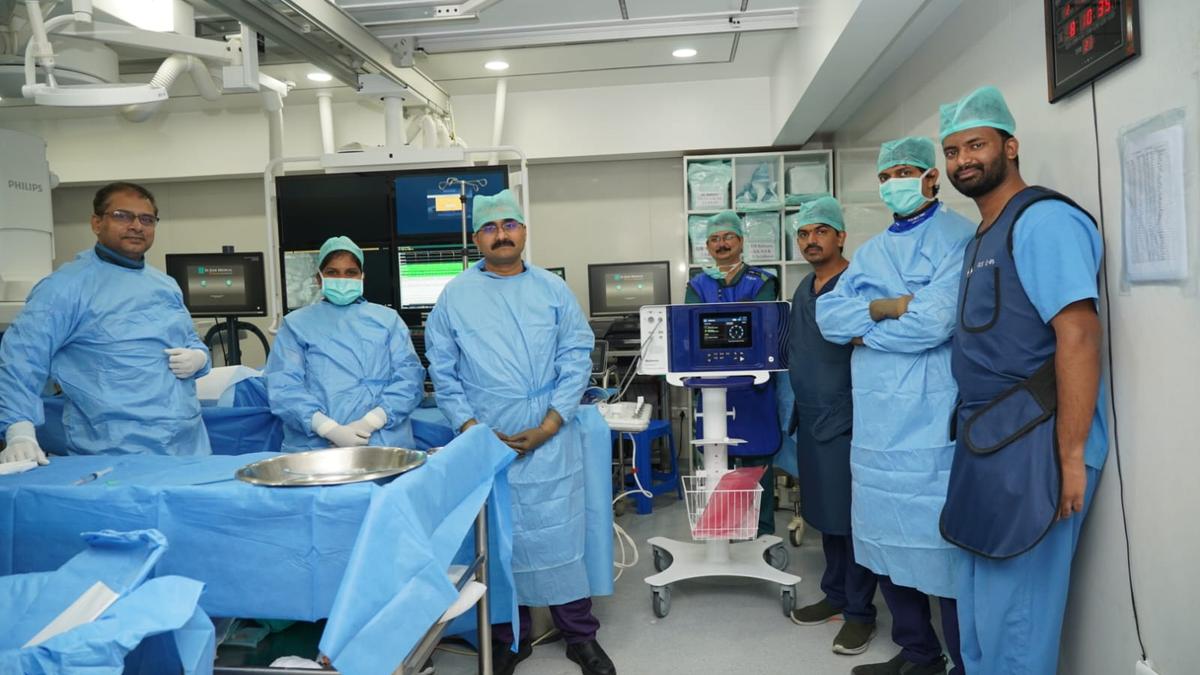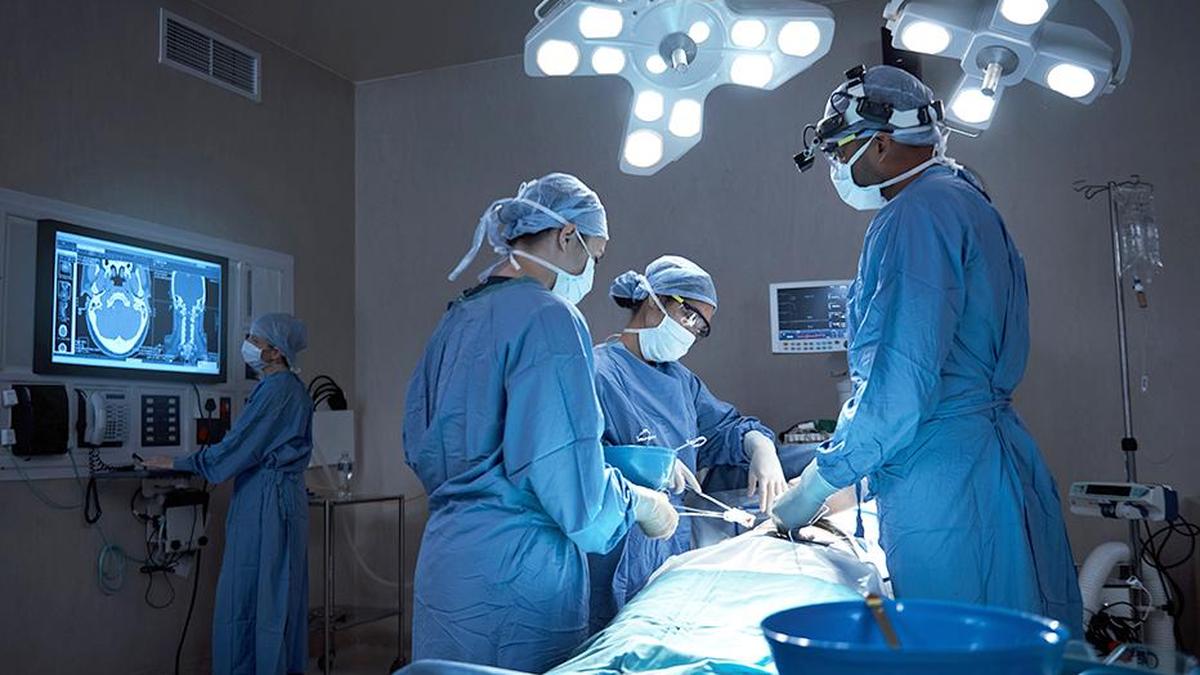
Over the past two decades, the surgical treatment of heart disease has changed dramatically. In years past, heart surgery was considered a high-risk surgical procedure involving large incisions, lengthy recovery, significant blood loss, and a painful post-operative period. Heart surgery was feared by patients because of these issues, and could not be seen as a cure, but rather as a way to manage their disease.Cardiac Care (Pinterest)However, this has changed, and modern heart surgery is no longer associated with pain, prolonged hospital stays, and long-term disability. Modern heart surgical techniques have become a highly developed, patient-friendly specialty with the characteristics of very small (or sometimes almost non-existent) incisions, minimal to no blood loss, minimal to no chances of infection, the ability for patients to recover quickly, and high rates of success. Therefore, heart surgery is now viewed as a safe, reliable way to improve patients’ health, regain confidence, and improve their quality of life.The way cardiac procedures are carried out has greatly changed with the introduction of Minimally Invasive Cardiac Surgery (MICS). MICS allows surgeons to complete heart surgery without splitting the chest in half (through the breastbone or sternum). Instead, MICS allows small incisions to be made either just below the breast tissue or via the right armpit. Because there is no longer a complete sternotomy and the tissue is disrupted as little as possible, there is much less surgical trauma incurred during surgery. This reduces pain following surgery, permits earlier mobility, decreases the time spent in the hospital, and increases the rate at which the patient can return to their pre-operative lifestyle. Furthermore, there are better cosmetic results, less blood loss, and a decreased risk of infection.In addition to the benefits associated with MICS surgical procedures, when these various types of technologies are combined, they provide the operating surgeon with a greater degree of intra-operative precision while taking into consideration both patient safety and long-term outcomes. Such procedures that may be performed via MICS methods include CABG, valve repairs/replacements, congenital heart defect repairs (palliative and complete), and some complex redo procedures.Based on the foundation of minimally invasive operative techniques, robotic-assisted surgery can be seen as a further advancement of the overall field of cardiac surgery and how it is defined by maximising precision in providing cardiothoracic care. The use of robotic-assisted surgery provides surgeons with access to perform very complex surgeries such as coronary artery bypass grafting, procedures related to valve repair or replacement, and surgical correction of many intracardiac defects via very small ports located on the chest wall, through which robotic arms are then introduced into the patient's chest to perform surgery. The robotic surgical system provides greatly improved visualisation and dexterity to allow for greater precision in performing incredibly fine motor-skill movements. Additional benefits to the patient of robotic surgery include reduced surgical scars, decreased post-operative pain, earlier mobilisation following surgery, shorter hospitalisations, and an earlier return to work and social activities. The continued evolution of technology will continually influence the future of cardiac surgery and enhance the patient experience through more accurate, effective, and efficient ways to provide highly precise and patient-centric care.The growth of cardiac surgery at hospitals in India is evident through well-structured cardiothoracic and vascular surgical departments that have created a patient-focused environment featuring modern operating theaters, post-surgical ICUs, and state-of-the-art monitoring equipment compatible with international standards. This combination guarantees precise, safe, and effective heart surgery results. Along with these high-tech facilities is an exceptional multidisciplinary team of cardiac specialists with the necessary skills, experience, and compassion to treat patients with both simple and complicated heart problems. The combination of high-tech equipment, extensive surgical know-how, and established clinical protocols creates exceptional outcomes for all types of cardiac surgery performed in these departments.Based on this, cardiac surgery can be performed through MIS. The types of cardiac surgeries that can be performed with MIS include coronary artery bypass surgery, repair or replacement of heart valves, and surgical correction of congenital heart defects in children.Redo or complex cardiac procedures are performed at the discretion of the surgeon after extensive evaluation and individualised surgical planning based on the individual patient's condition. Every patient undergoing cardiac surgery will undergo all standard preoperative evaluations so that the patient has the utmost safety and the best chance of long-term success following heart surgery.Modern cardiac surgery offers one of the greatest benefits in improving outcomes for patients who were previously classified as too risky for surgical treatment. At the cardiothoracic and vascular surgery department, an individualised approach is taken to develop treatment options for individuals with advanced heart failure, very poor heart function, complex valve disease, advanced age, and many other existing medical problems. These patients are carefully prepared prior to surgery using a structured set of medical protocols designed to help improve organ function and reduce stress on the body at the time of surgery, allowing them to recover more quickly afterward.In many cases, elderly patients with many years of debilitating symptoms are able to be stabilised over a short period of days to weeks before undergoing corrective surgical procedures with very positive outcomes. Patients who previously missed the opportunity for timely intervention can now be re-evaluated based on an evidence-based protocol, allowing for a determination of whether they can undergo surgery before being provided with plans for surgical intervention in order to help restore long-term cardiac function and improve their quality of life.As surgical techniques advance, infection prevention plays an equally important role in contemporary cardiovascular practice; therefore, the emphasis has moved from treating post-operative infections to preventing them due to increasing antimicrobial resistance. Strict adherence to aseptic protocols and continued improvements in surgical technique through evidence-based perioperative practices help reduce post-operative infections and the unnecessary use of antibiotics, thus improving both patient outcomes and contributing significantly to global efforts to reduce the incidence of antimicrobial resistance.Furthermore, additional advances in surgical accuracy and perioperative care have resulted in a large reduction in the requirement for blood product transfusions, thus improving patient safety, reducing complications, and providing smoother and more rapid recovery for patients.Collectively, these changes indicate the evolution of a completely new paradigm in heart surgery, one characterised by minimal invasiveness, maximal precision, and an increasing emphasis on the practitioner’s responsibility to consider the patient’s safety, recovery from surgery, and overall quality of life. With the advent of state-of-the-art technology, the availability of highly trained and experienced teams of healthcare professionals with diverse backgrounds, and the implementation of universal standards of care used worldwide, patients’ long-standing fears and misconceptions about heart surgery continue to decrease.At its core, contemporary cardiac surgery is no longer exclusively a method used to treat disease; rather, it also involves restoring life, rebuilding lost hope, and renewing faith through precision, safety, and compassion.(The views expressed are personal)This article is authored by Dr Rachit Saxena, director and unit head, cardiothoracic and vascular surgery, Yashoda Institute of Cardiac Sciences (Yashoda Medicity).
Redefining precision and recovery in cardiac care
Authored by - Dr Rachit Saxena, director and unit head, cardiothoracic and vascular surgery, Yashoda Institute of Cardiac Sciences (Yashoda Medicity).
1,146 words~5 min read