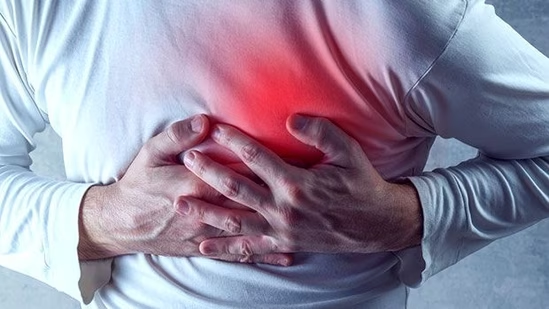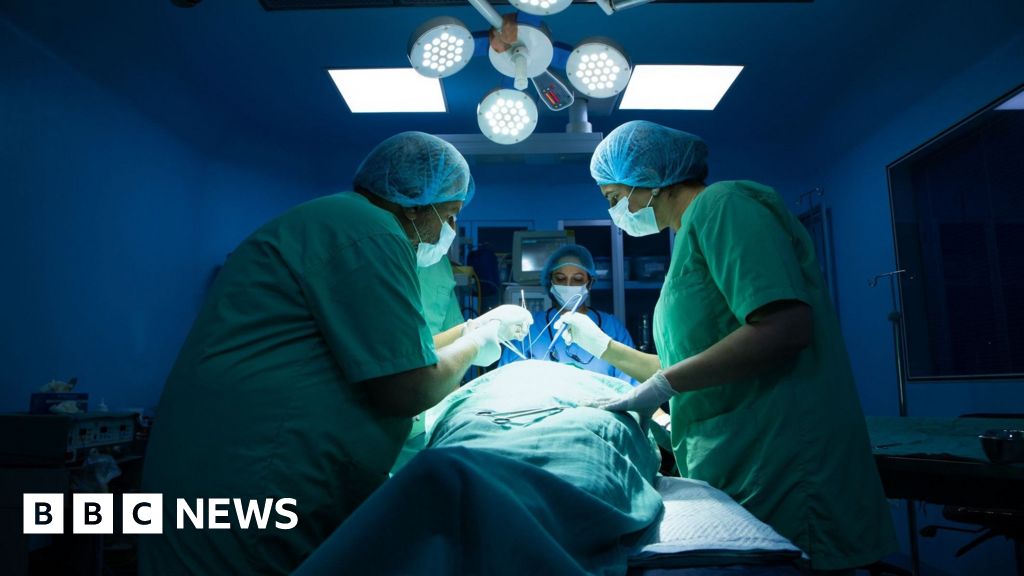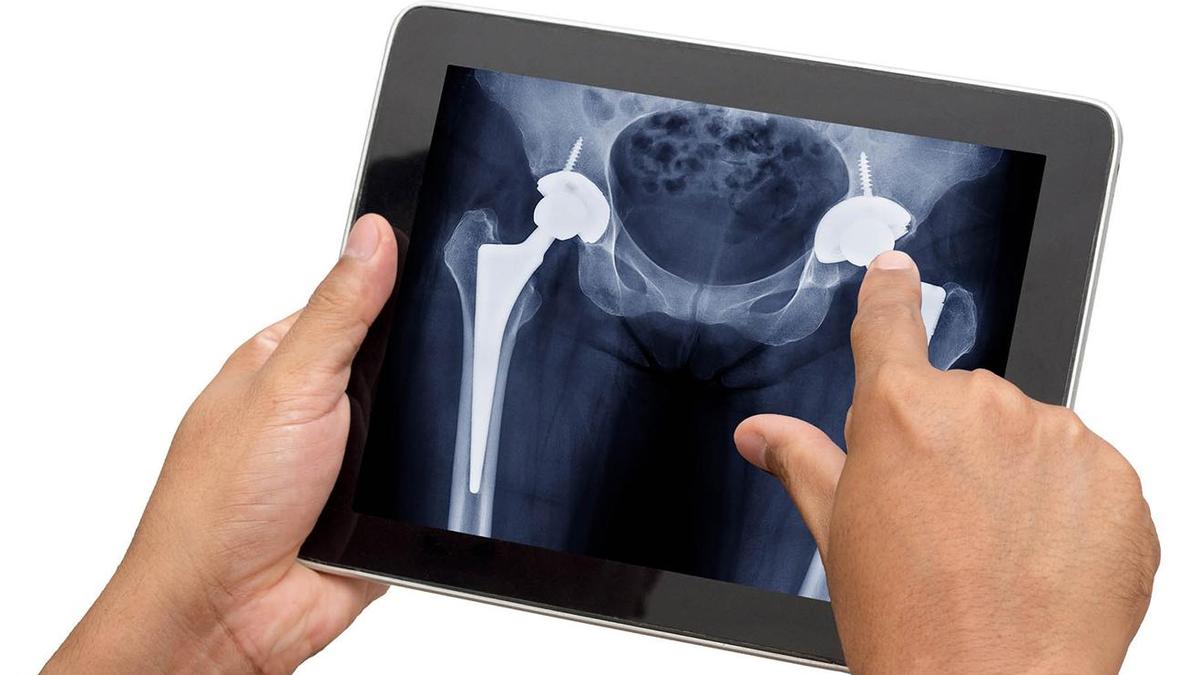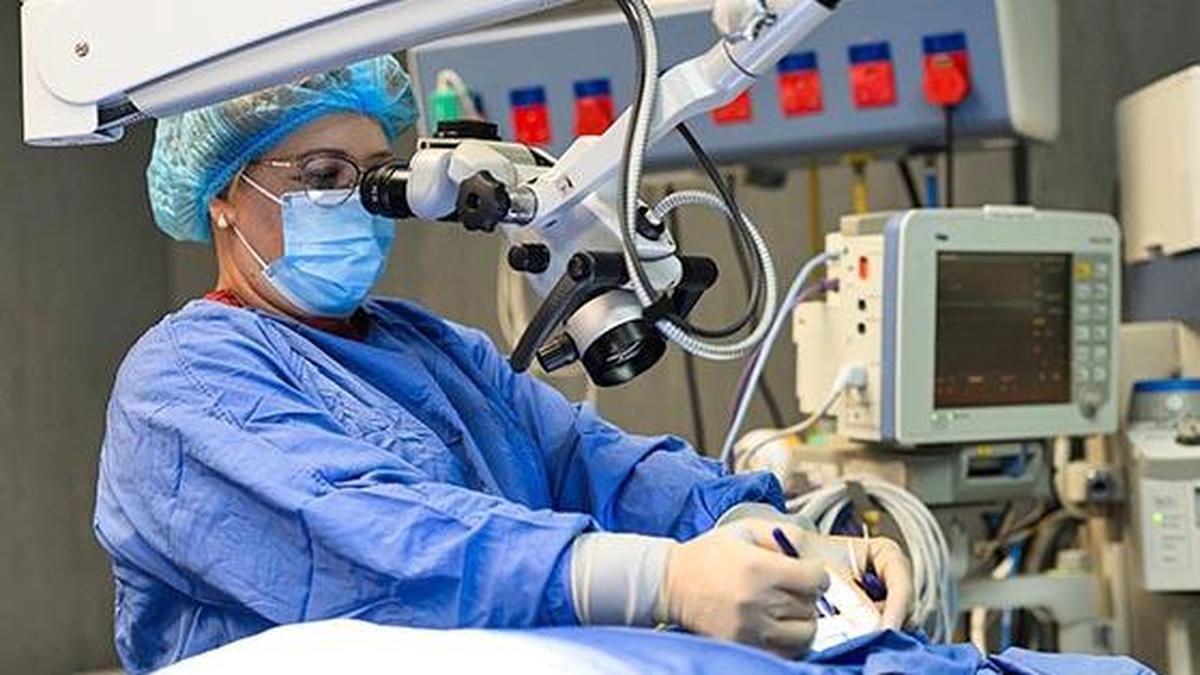
Every day in India, thousands of patients postpone necessary surgeries — not because they fear the operation, but because they fear the pain that follows. Joint replacements, spine procedures, and abdominal operations are just some of the many surgeries that patients put off. This hesitation worsens disability, prevents people from going to work and leads to loss of income, while hampering quality of life. As novelist Haruki Murakami once said, ‘pain is inevitable, suffering is optional’. In Indian surgical care, however, we have too often allowed inevitable pain to become prolonged suffering. For decades, surgery in India has been associated with two dominant emotions: fear of the procedure and pain endurance. Post-surgical pain management has received considerably less attention, resulting in pain, psychological stress, avoidable complications, and prolonged disability haunting patients. But in 2026, this narrative is outdated. Modern surgery is transforming, and is no longer defined solely by survival or technical success but by the quality of recovery. Pain management is at the heart of this transformation, encompassing physical pain control, rehabilitation, psychological support and patient education, which help restore a patient’s independence. The time has come for India to not dismiss post-surgical pain as an inevitable phase of recovery, but to consider it as an important factor that directly impacts recovery outcomes. Understanding surgical pain Surgical pain is a physiological response caused by incisions (surgical incisions trigger inflammatory responses that activate pain pathways), nerve injury (cut, damaged nerves cause tingling or burning), or muscle strain (muscle manipulation to access the surgical site causes soreness and swelling). In orthopaedic procedures, bone and deep muscle involvement intensifies pain perception. But pain is not purely biological. Psychological factors such as pre-operative anxiety can aggravate sympathetic activation, making the central nervous system hypersensitive to pain stimuli, and amplifying pain response. For example, two patients undergoing identical procedures may experience entirely different recovery trajectories, depending on whether they have realistic and positive expectations. Acute post-operative pain is temporary and predictable; however, chronic post-surgical pain (three months or more) is less common but clinically significant. Global studies suggest 10% – 20% of patients may experience persistent pain after certain major procedures, though severe, disabling pain is much less frequent. Pain assessment and management cannot take a back seat; they need to become as common as measuring blood pressure — pre-, intra-, and post-operatively — to reduce discomfort and accelerate recovery. Pain management evolution Post-operative pain management has relied predominantly on opioids (morphine, oxycodone, etc.). Despite their effectiveness, these drugs carry side effects: nausea, sedation, constipation, and respiratory suppression. Global experiences with opioid overuse have raised concerns about dependency and side effects. Today, a multimodal analgesia model involves a combination of multiple agents and techniques, such as non-opioid systemic medications, regional anaesthesia, local infiltration of anaesthetics (nerve blocks), adjuvant neuropathic agents (gabapentinoids), and non-pharmacologic methods (cryotherapy), which act on different biological pain mechanisms and reduce pain scores. Advancements in regional anaesthesia, such as ultrasound-guided nerve blocks, have transformed pain management. They provide 12 to 24 hours of targeted relief following orthopaedic surgery, significantly reducing immediate post-operative discomfort and opioid consumption, early mobilisation, and improving patient satisfaction. Patients undergoing knee replacement can now get discharged on day 2 or 3 post an operation, with normal mobilisation due to effective pain management. The adoption of Enhanced Recovery After Surgery (ERAS) protocols modifies pre-operative (minimises prolonged fasting), intraoperative (use of nerve blocks/short-acting or opioid-sparing anaesthesia), and post-operative (early mobilisation and resumption of feeding) care. Pre-emptive analgesia involves the administration of pain-relieving agents before the surgical incision, which reduces post-operative pain intensity and opioid needs by blocking pain signals early. Precision surgery, precision relief The future of surgical pain reduction lies in precision. Minimally invasive techniques or robotic-assisted joint replacement and computer-navigation technologies allow surgeons to operate with precision, reducing tissue trauma, inflammatory response, and post-operative pain, potentially achieving a smoother recovery. Such surgeries can result in an almost 50% reduction in pain compared to traditional methods. Artificial Intelligence driven predictive tools can identify high-risk patients for severe post-operative pain based on patient history, imaging data, and psychological parameters, enabling personalised analgesic protocols and rehabilitation schedules even before an incision is made. Real-time optimisation is possible by tracking pain scores, mobility assessments, and sleep patterns. Physiotherapy: essential to recovery Pain management in orthopaedics extends beyond medication. Physiotherapy is a critical component of post-surgical care for both pain reduction and improved flexibility and strength. Early mobilisation after joint or spinal surgery can shorten hospitalisation duration, lower chronic pain, reduce stiffness, and improve muscle strength and joint stability. While multi-disciplinary teams are becoming the norm at many tertiary care centres, rehabilitation services continue to remain under-resourced in most Indian hospitals, particularly those in rural areas. Patients are not provided with structured physical therapy plans or access to rehabilitation centres, which exacerbates pain and delays recovery. Why this matters In India, rising life expectancy and an ageing population are increasing the prevalence of osteoarthritis and degenerative spine disease, thereby increasing the demand for surgical intervention. Persistent musculoskeletal or neuropathic pain is a major public health burden. It is a leading cause of disability; it increases rates of anxiety; increases sleep disturbances, reduces quality of life, and increases healthcare costs. Uncontrolled post-operative pain has measurable impacts: increased complication rates, lengthy hospitalisations, delayed mobilisation, reduced productivity at work, or prolonged absenteeism. Chronic pain management, therefore, is a vital public health goal and requires public health strategies such as pain education to reduce stigma and encourage timely care, early intervention, and rehabilitation services to reduce the toll on both human health and the economy. India’s opportunity While premier centres in India have adopted advanced pain protocols, there is significant variation across regions. A nation-wide survey of Indian doctors has underscored the major gaps in pain management: lack of dedicated pain clinics and trained professionals; limited accessibility in rural areas; and advanced pain clinics that are not affordable for all. Another major factor is the lack of awareness and misconceptions. Patients consider pain a ‘normal part’ of the post-surgical period. They ignore discomfort and do not seek help. Patients attempt to manage pain without consulting a doctor, and misinformation about pain medications adds to negative perceptions, delaying effective treatment. Moving forward, India must work on these strategic priorities:
Surgery and pain: why India must redefine the recovery experience
India must prioritize post-surgical pain management to enhance recovery outcomes and improve patients' quality of life.
1,272 words~6 min read