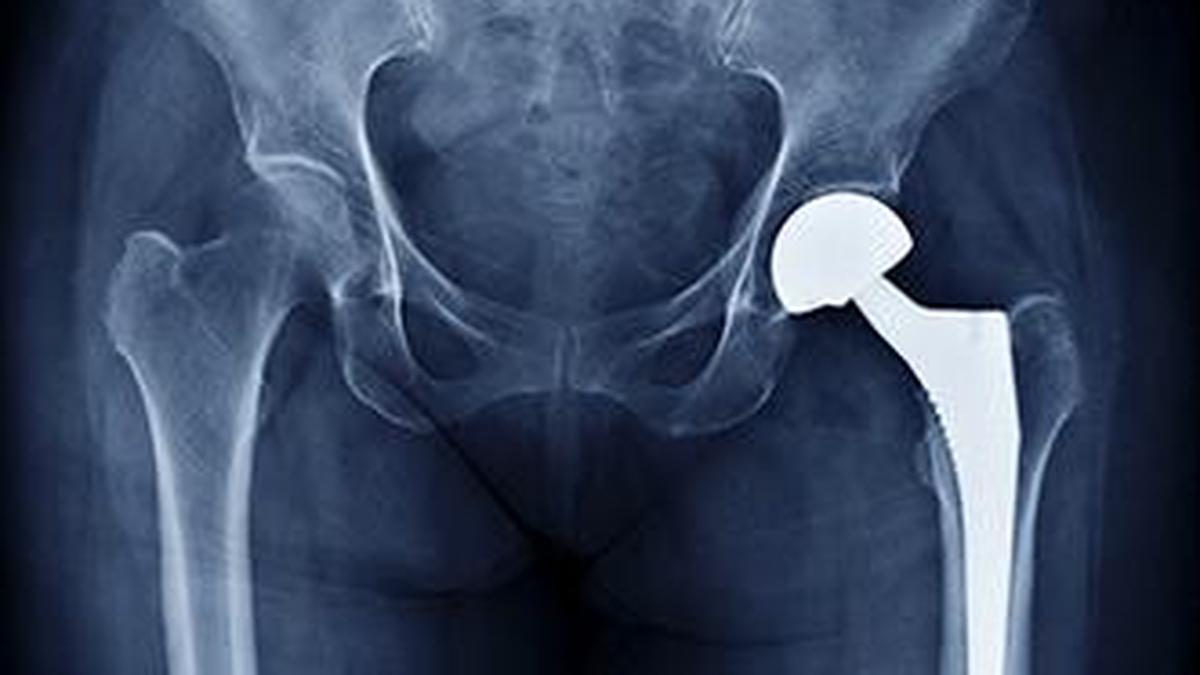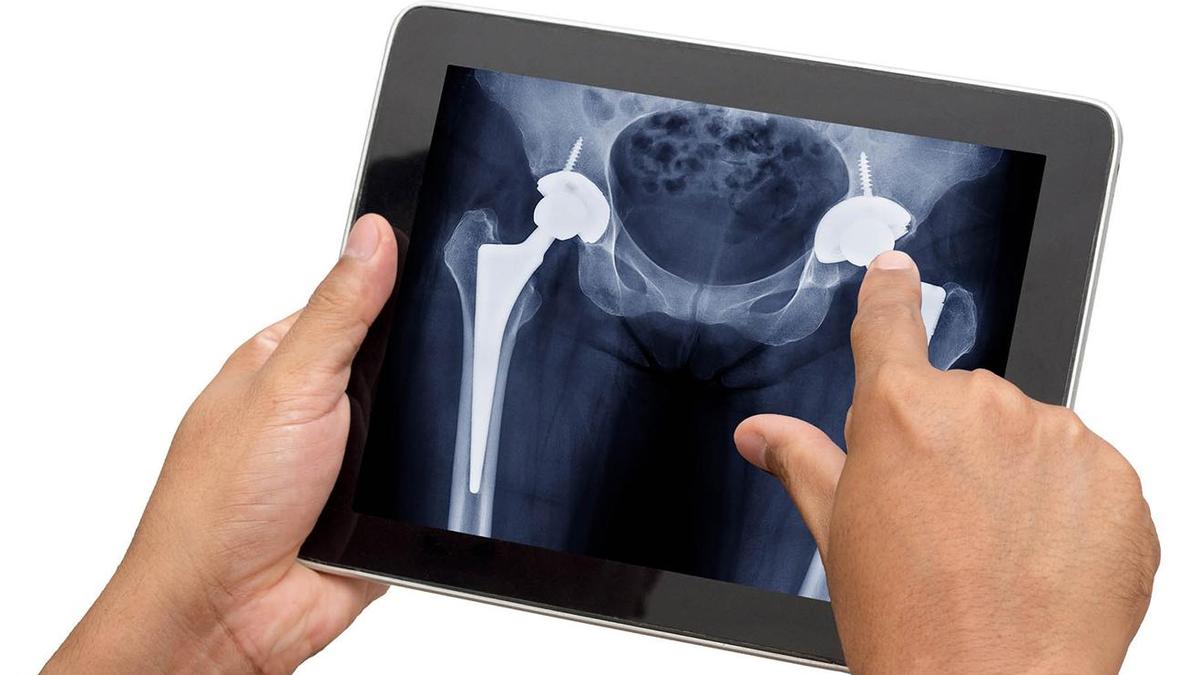
Prolonged or high-dose steroid use is now strongly linked to osteonecrosis of the femoral head, a condition where the rounded top of the thighbone, starved of blood, begins to collapse inward. Image used for representational purposes only
| Photo Credit: Getty Images/iStockphoto
Five years since Covid-19 swept through India, the country is now grappling with a health consequence that few saw coming. Clinicians are reporting a wave of young adults, barely past thirty, walking into orthopaedic clinics with hips that have aged decades ahead of their time.Doctors across hospitals are sounding the alarm. What was once a condition associated with the elderly or accident victims is now showing up in software engineers, teachers, and daily-wage workers in their most productive years. The diagnosis for avascular necrosis, or AVN, refers to the gradual death of bone tissue caused by disrupted blood supply to the hip joint. And post-Covid India is seeing it at a scale that has genuinely unsettled the medical community.The link to CovidThe numbers are hard to ignore. Hospitals across the country are reporting a 40% rise in total hip replacement surgeries among patients in their 30s and 40s, a demographic that, until recently, had little reason to be in an orthopaedic ward at all. That figure, shared at a major national orthopaedic conference last month, reflects a trend building quietly since 2022.The connection to Covid is not coincidental. During the pandemic’s devastating second wave, high-dose corticosteroids were widely used to prevent patients from succumbing to the virus. They worked. But for a portion of those patients, the treatment left behind a slower, less visible injury. Prolonged or high-dose steroid use is now strongly linked to osteonecrosis of the femoral head, a condition where the rounded top of the thighbone, starved of blood, begins to collapse inward. Once that collapse progresses far enough, surgery is no longer optional.The challengesWhat makes this crisis so difficult to address is how deceptively mild the early warning signs can be. A dull ache in the groin. Slight stiffness after sitting for long periods. A barely noticeable limp. Most patients dismiss these as gym injuries or desk-job posture problems. By the time the pain becomes impossible to ignore, the joint has often deteriorated to a point where no amount of physiotherapy or medication can reverse it.The tragedy here is one of timing. AVN, when caught early, is manageable. An MRI and not a standard X-ray can detect bone changes before visible collapse occurs. Procedures like core decompression can relieve pressure and preserve the joint if performed in the early stages. But awareness remains low, and many patients arrive at clinics only after months of hoping the pain will pass on its own.What needs to changeIndia’s healthcare system now faces an uncomfortable reckoning. The same generation that bore the heaviest economic burden of the pandemic is now facing its physical cost too. These are not patients who took unnecessary risks; they were treated, recovered, and returned to life. The least public health efforts can offer them now is faster diagnosis, wider screening access, and a medical system that takes post-Covid bone disease as seriously as it does the more visible long-Covid symptoms.The hips of a 35-year-old should not tell the story of a pandemic. But in India today, increasingly, they do.(Dr Sai Krishna B. Naidu, is lead consultant - joint replacement & sports injuries, Manipal Hospital Yelahanka and Hebbal. sai.krishna@manipalhospitals.com) Published - June 30, 2026 08:05 pm IST