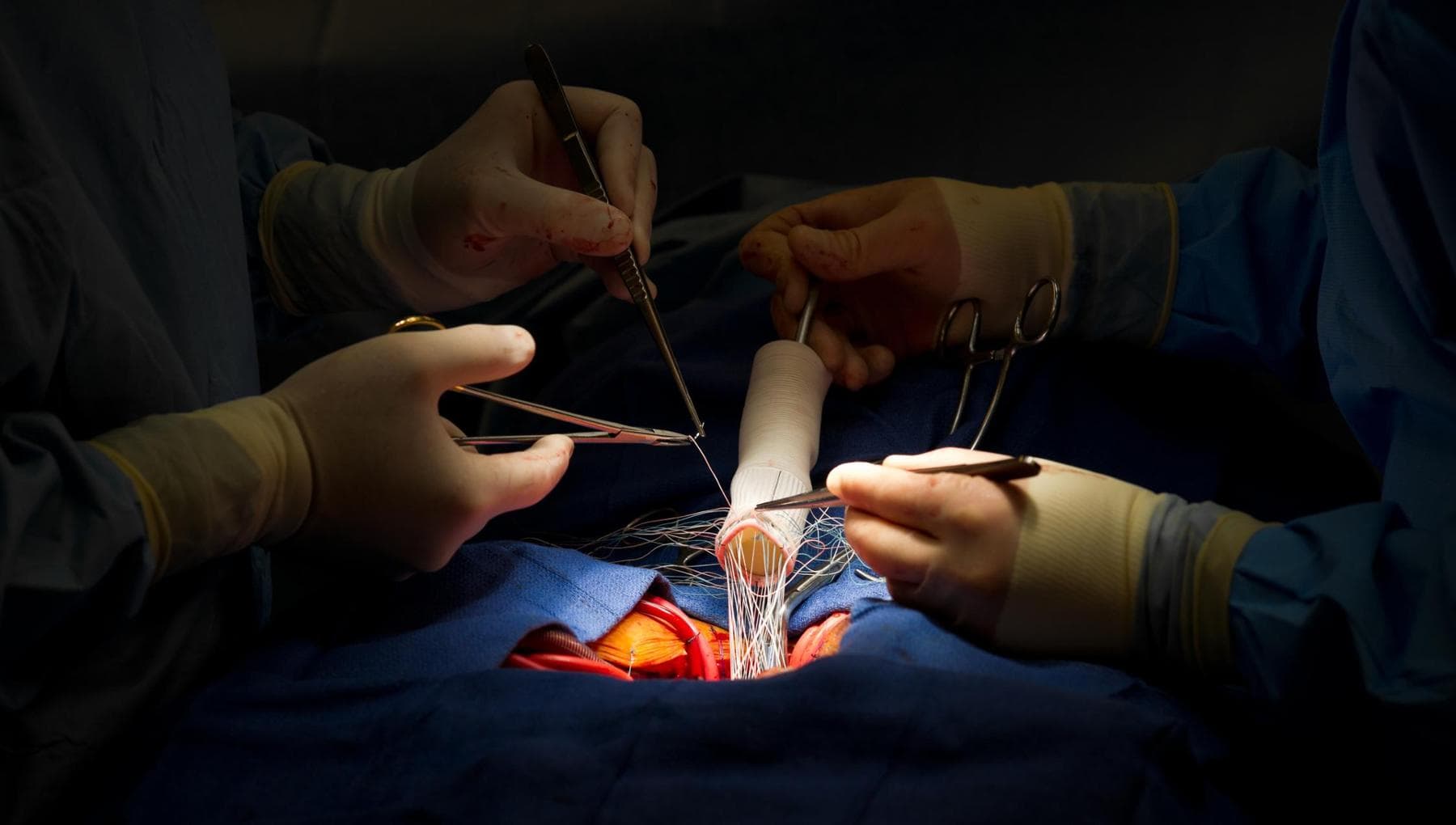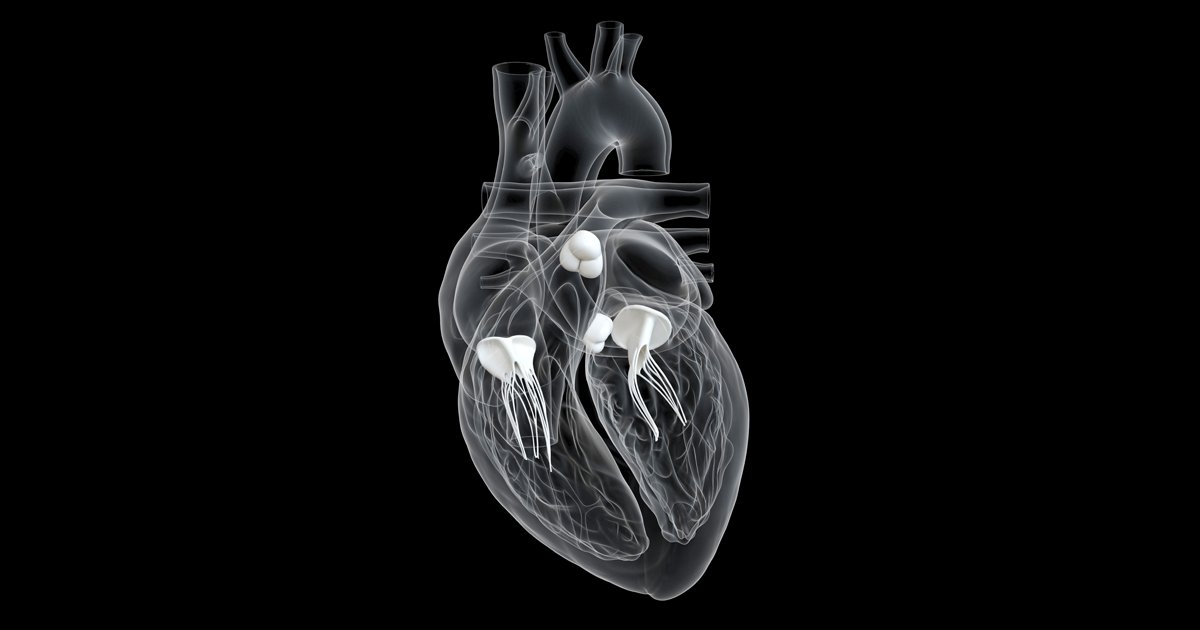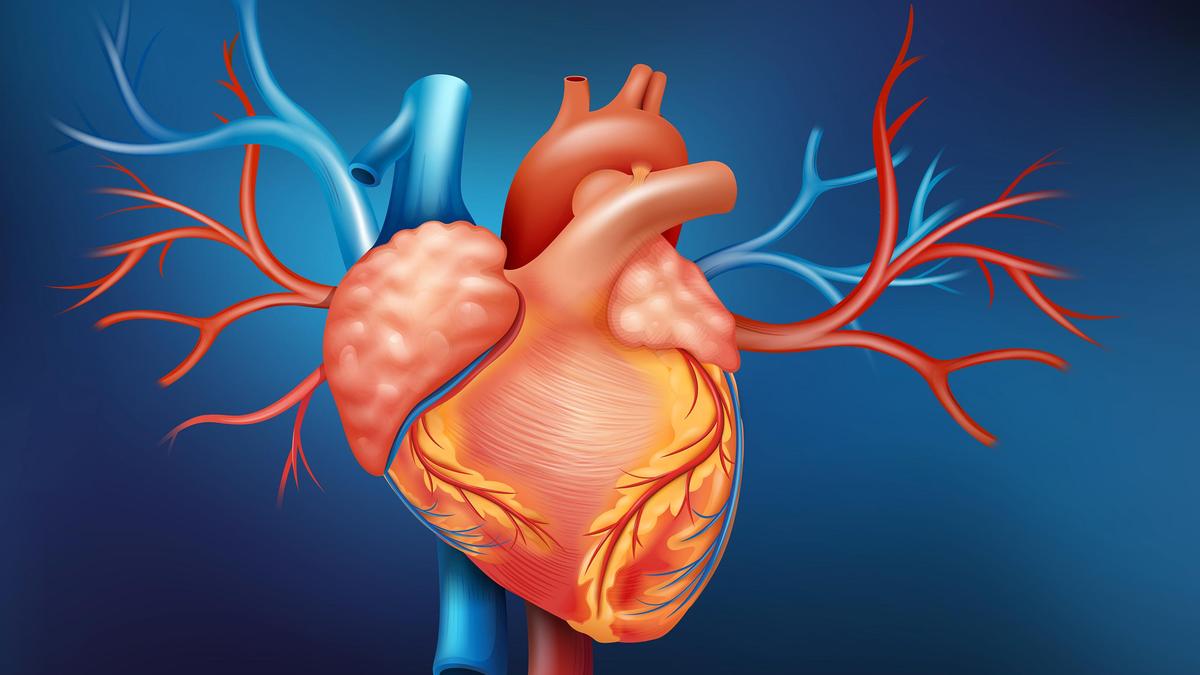
The study confirmed Valve-Sparing Root Replacement (VSRR) as a highly durable surgical strategy. By preserving the native valve, it spares patients from the complications such as bleeding and thromboembolism often associated with prosthetic replacements, yielding excellent survival and minimal reintervention rates |Image used for representational purpose only
| Photo Credit: File Photo
Cardiovascular diseases remain the leading cause of death globally, accounting for an estimated 19.8 million deaths, or about 32% of all deaths, in 2022, according to the World Health Organization (WHO). In India, they account for 27% of all deaths and 45% of deaths among people aged 40-69 years. A new study has found that patients undergoing surgery for an enlarged aortic root, the first part of the body’s main artery, may not always need an artificial heart valve, with a valve-preserving procedure providing good long-term outcomes in carefully selected patients.The study, published in the Indian Journal of Thoracic and Cardiovascular Surgery, followed 91 patients who underwent valve-sparing root replacement at Narayana Health, Bengaluru, between 2009 and 2024. The procedure repairs the enlarged aorta while preserving the patient’s natural heart valve, avoiding the need for an artificial valve in suitable patients. Researchers found that the surgery resulted in good long-term survival and low rates of complications.Avoiding lifelong blood thinnersAortic root enlargement affects approximately 0.4% of the Indian population. While a precise root-specific registry data is not available, the overall incidence of thoracic aortic diseases is estimated at 5–10 per 100,000 person-years. In India, these dilations are most frequently caused by hypertension, atherosclerosis, or congenital conditions like Marfan syndrome.When the aortic root becomes enlarged because of an aneurysm or other conditions, surgery is often needed to prevent life-threatening complications. Traditionally, this has involved replacing both the damaged part of the aorta and the nearby heart valve.Artificial heart valves, however, often require patients to take lifelong blood-thinning medicines to prevent blood clots.Valve-sparing root replacement repairs the enlarged aorta while keeping the patient’s own valve intact, avoiding the need for an artificial valve in suitable patients.The study included patients with an average age of 38.5 years. More than 90% had an aortic aneurysm and around one-fourth had inherited connective tissue disorders.The researchers reported a 10-year survival rate of 86%. Serious complications after surgery were uncommon, with a 30-day mortality of 3.2%. At five years, 77% of patients had no moderate or severe leakage of the repaired valve.Lead author Varun Shetty, cardiac surgeon at Narayana Health, said the study aimed to see whether the procedure could be performed safely in India with results similar to those reported by leading international centres.“The main advantage of preserving the patient’s own valve is that they can avoid lifelong anticoagulation with warfarin, which is often needed after mechanical valve replacement,” he said.“If the native valve is suitable for repair, preserving it can offer a long-lasting solution while avoiding many of the problems associated with artificial valves.”Dr. Shetty said this is especially important for younger patients, who make up a large proportion of those requiring the surgery in India.“It is particularly beneficial for women planning pregnancy because avoiding long-term blood-thinning medication makes pregnancy safer and reduces risks to the baby,” he said.Needs experienced centresThe researchers noted that valve-sparing root replacement is a technically demanding operation and is best performed at centres with experience in complex aortic surgery. Dr. Shetty said improvements in imaging now allow surgeons to identify suitable patients before surgery, making it easier to plan the procedure.The study was conducted at a single centre and involved 91 patients, so larger studies will be needed to confirm the findings. However, the authors said the results support wider use of valve-sparing surgery in India, along with greater training and awareness, so that more eligible patients can benefit from preserving their natural heart valve. Published - July 28, 2026 04:46 pm IST