Story audio is generated using AI
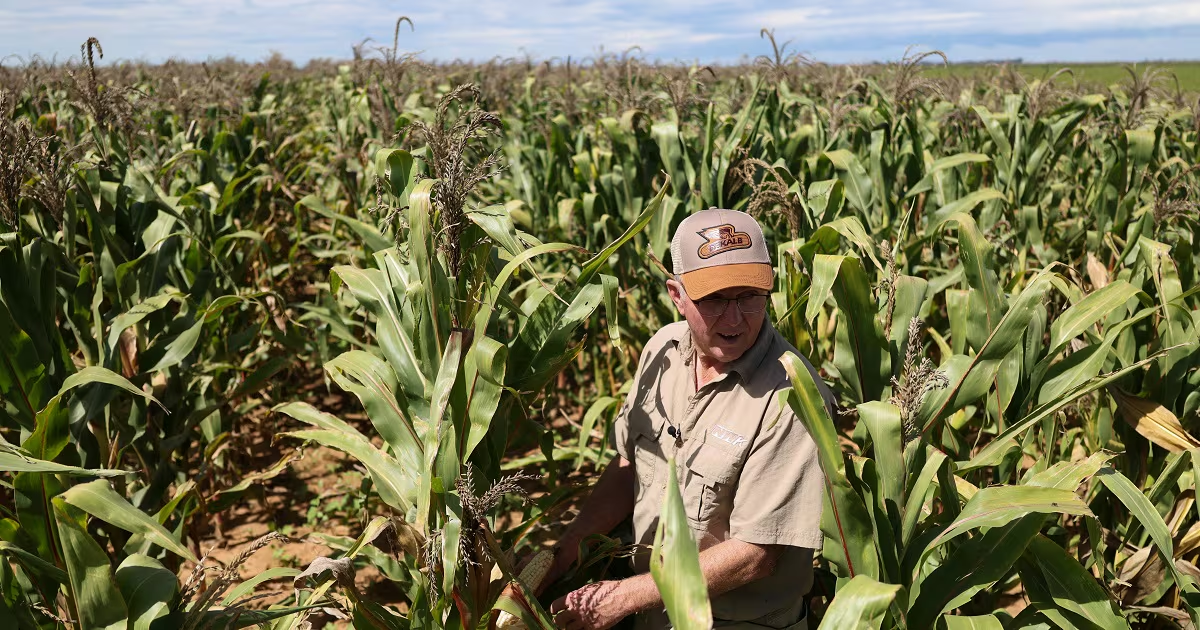
The war in the Middle East significantly affected global and domestic financial markets and energy prices but did not materially affect South Africa’s real economic activity in the first quarter of 2026, the South African Reserve Bank (SARB) said on Tuesday.In its June quarterly bulletin, the SARB said the rebound in the real gross value added (GVA) by the primary sector in the first three months of the year reflected higher agricultural and mining output, amid a slump in manufacturing.Agricultural output increased at a faster pace due to the higher production of field crops and horticultural products, supported by favourable weather conditions associated with La Niña-induced rainfall. “The commercial maize crop for the 2025/26 production season is estimated at 17.1-million tonnes. If realised, this would be the largest commercial maize harvest on record and exceed the final crop of 16.7-million tonnes harvested in 2024/25 by 2%, reflecting an increase in the area planted and favourable weather conditions,” the Bank said.However, the outbreak of animal diseases over the past year, notably foot-and-mouth disease and African swine fever, has constrained livestock production and restricted access to certain export markets.During the first quarter, mining output was mainly boosted by the higher production of platinum group metals (PGMs) and gold, which more than offset the lower production of iron ore and coal.The escalation in geopolitical tensions in the Middle East exerted upward pressure on global and domestic consumer prices, with the outbreak of the war resulting in a surge in international crude oil and refined petroleum product prices and intensified supply chain disruptions.The real GVA by the secondary sector contracted for a third consecutive quarter in the first quarter, due to the further decline in manufacturing output as production was hampered by subdued global demand, rising input costs and supply chain disruptions, among other factors. Output from the electricity, gas and water sector increased as a larger volume of electricity was consumed. The real GVA by the construction sector reverted to an increase, reflecting higher activity in nonresidential buildings and construction works.The expansion in the tertiary sector was broad-based, with increases in the finance, insurance, real estate and business services sector; trade, catering and accommodation services; as well as transport, storage and communication services.The SARB said the nominal effective exchange rate (NEER) of the rand decreased by 2% in the first quarter as gains in January and February were more than reversed in March after the outbreak of the Middle East war.The rand was among the worst-performing currencies during that month as demand for safe-haven assets increased amid intensifying risk aversion. The NEER then increased again from end-March to June 12, supported by improved risk sentiment after optimism about a possible peace agreement in the war-torn region, further increases in the price of certain commodities and positive credit rating announcements in the first week of June. “However, the situation in the Middle East remained uncertain and continued to contribute to volatility in the exchange value of the rand,” the Bank said.It said South Africa’s national saving rate — gross saving as a percentage of nominal GDP — increased from 13.3% in the fourth quarter of 2025 to 14.9% in the first quarter.The saving rates of corporate business enterprises, general government and households improved, all contributing to the overall increase in the national saving rate in the quarter.Gross saving by the corporate sector rose from 14% of GDP in the fourth quarter of 2025 to 14.4% in the next three months, due to subdued seasonally adjusted dividend payments. General government dissaving (current expenditure on interest, consumption, subsidies and transfers in excess of revenue) improved to 0.9% in the first quarter from 1.9% in the fourth quarter, while household gross saving increased to 1.3% from 1.2% as the rise in seasonally adjusted nominal disposable income outpaced that in seasonally adjusted consumption expenditure.