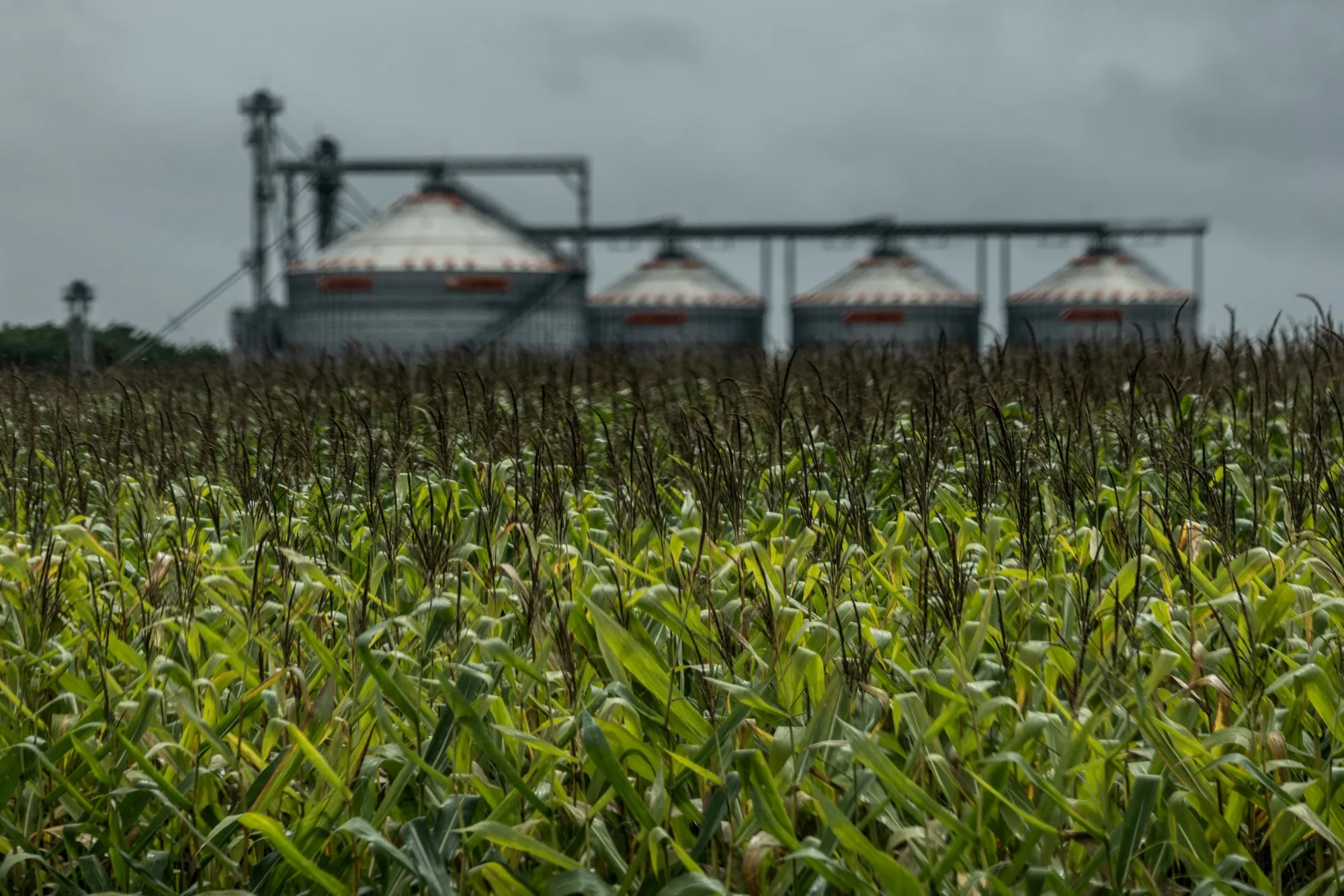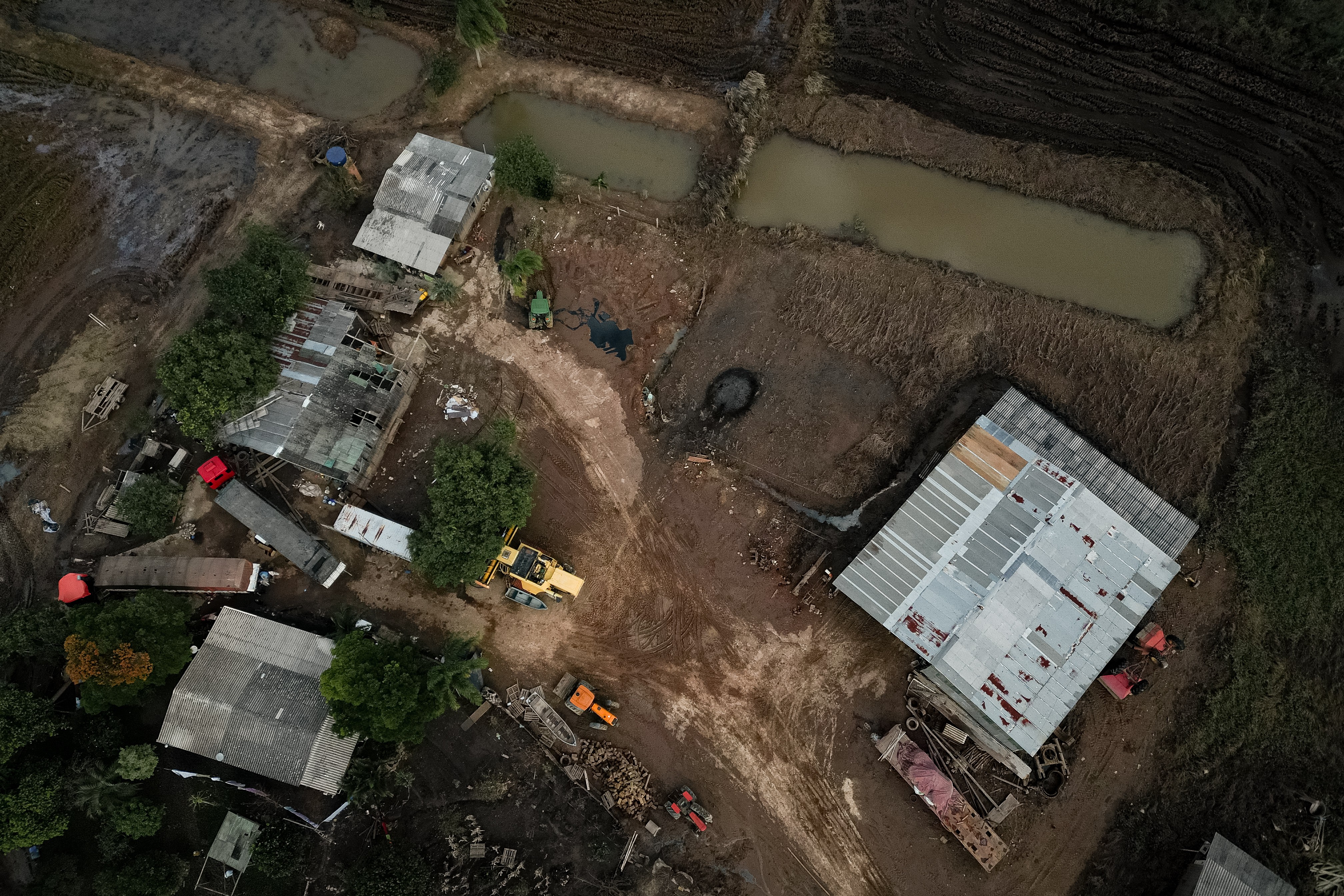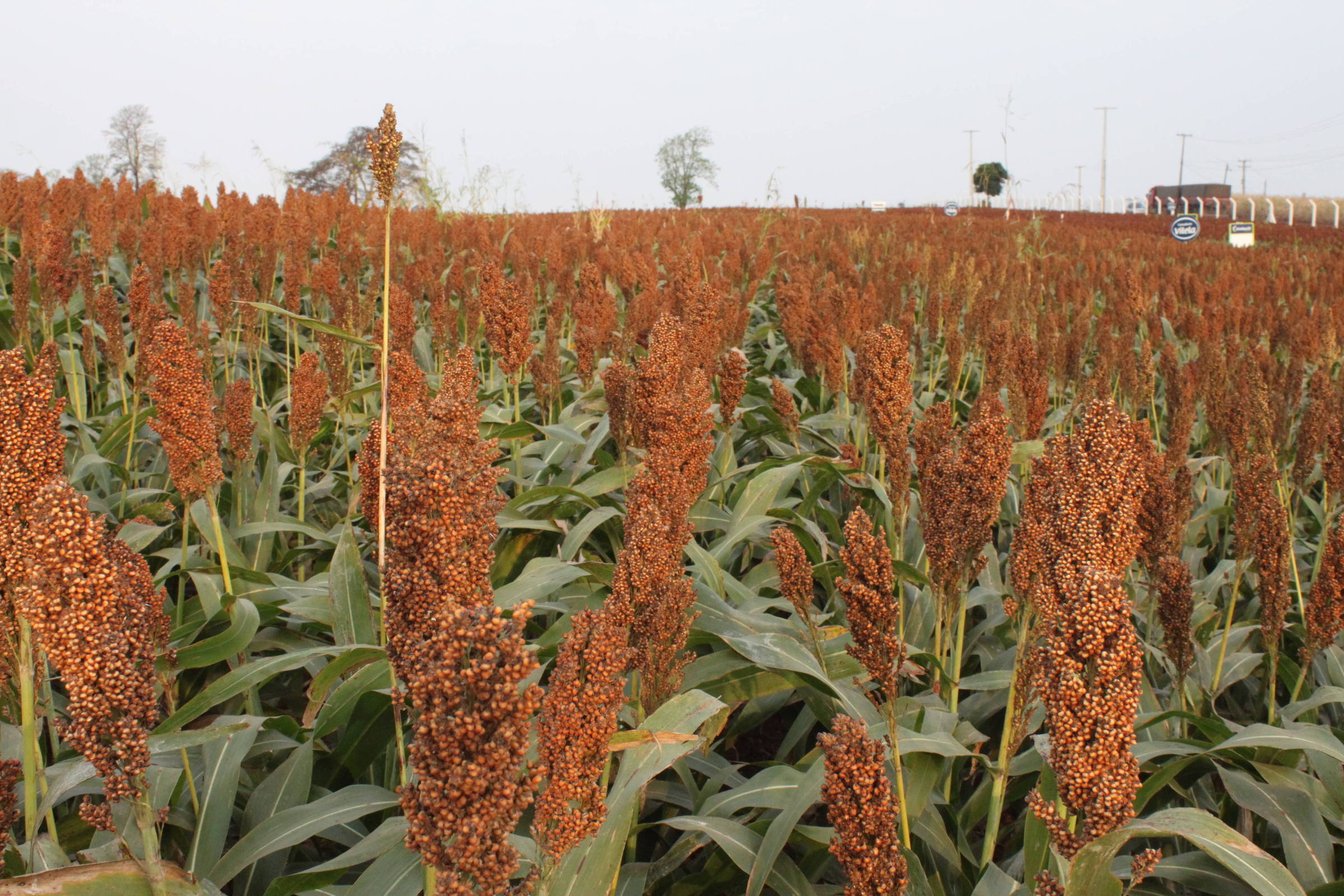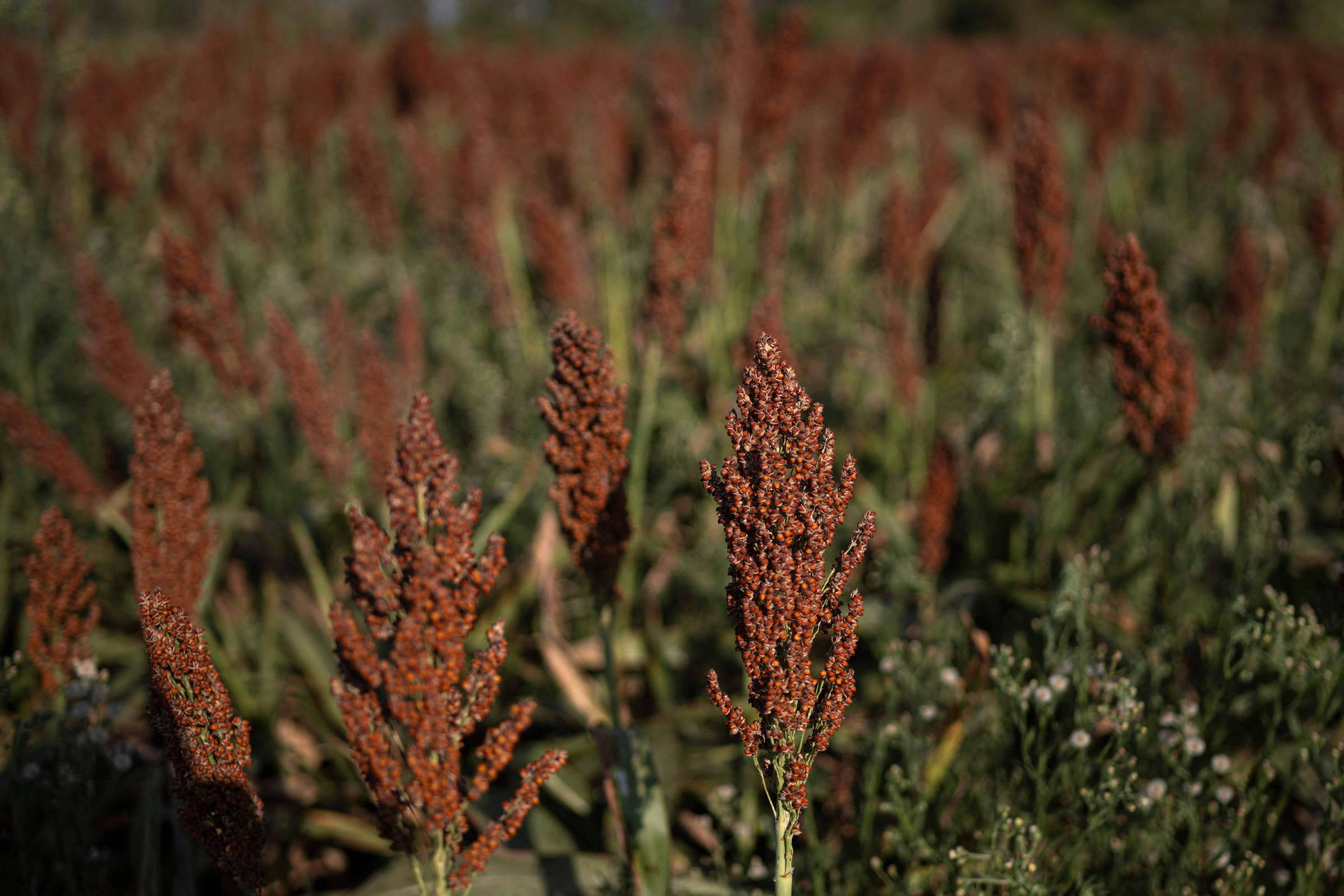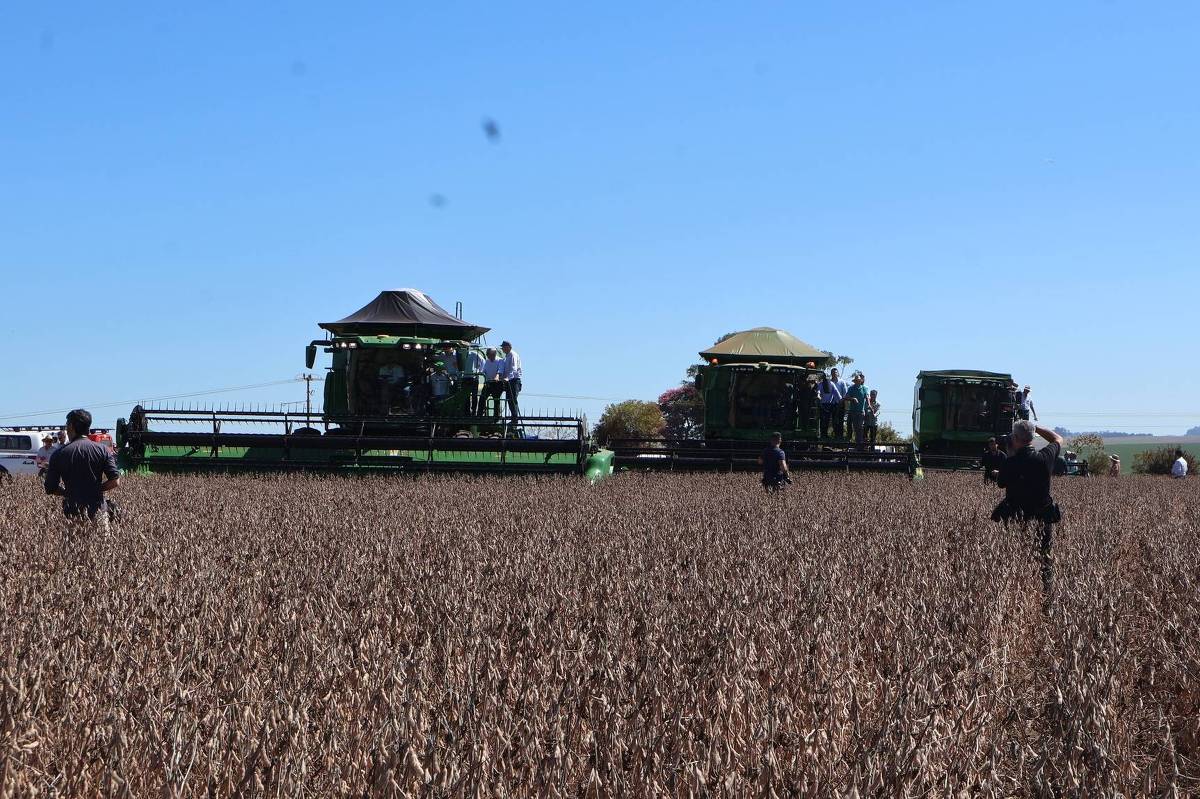
A possible strong El Niño threatens to delay soybean planting and, consequently, the second-crop corn season, due to irregular rainfall outside the ideal planting calendar. This climate stress scenario is expected to create room for the expansion of sorghum cultivation, repeating what happened this year after difficulties faced by producers in Goiás and Minas Gerais."The risk of changes in soybean and corn planting windows exists, but we will wait for soybean planting and see how its development goes," says André Debastiani, coordinator of Agroconsult’s Rally da Safra event. He believes the scenario should favor the expansion of sorghum production.
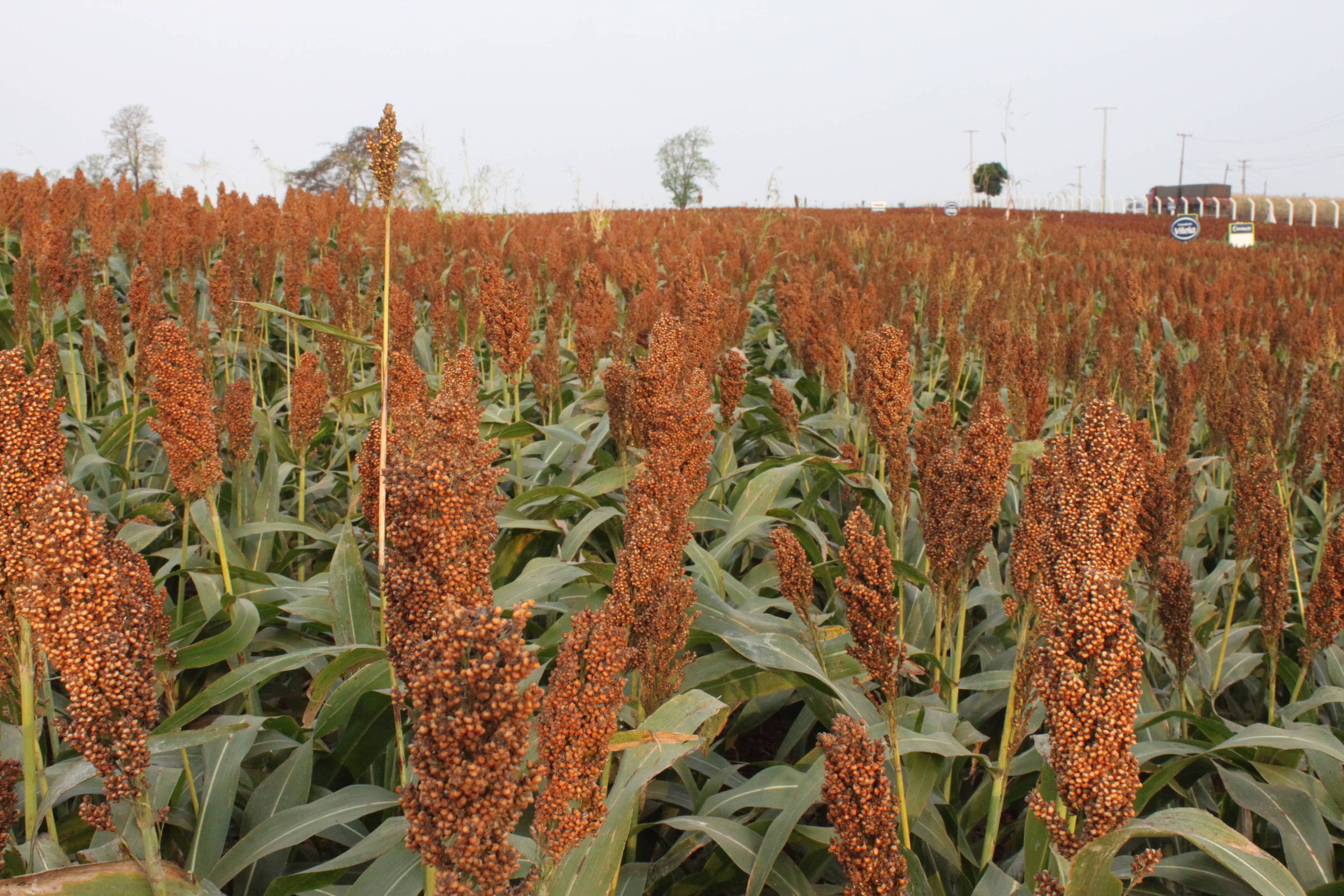
Traditionally grown on a large scale in Africa and Asia, but with low yields, sorghum has recently gained ground in Brazil, both for animal and human consumption and for ethanol production. Greater drought resistance, new corn pests and unstable weather have led more producers to choose the grain. The domestic market has also changed: today, companies are looking for producers, not the other way around.
Genetic improvement increased productivity from 1,439 kg per hectare in the early 2000s to 3,600 kg per hectare today. Brazilian production, which was 4.8 million tons in the 2022/23 harvest, is expected to reach 7.6 million tons this season, according to Conab, placing the country among the world’s largest producers, behind the United States and ahead of Nigeria. China is a major buyer in the international market.