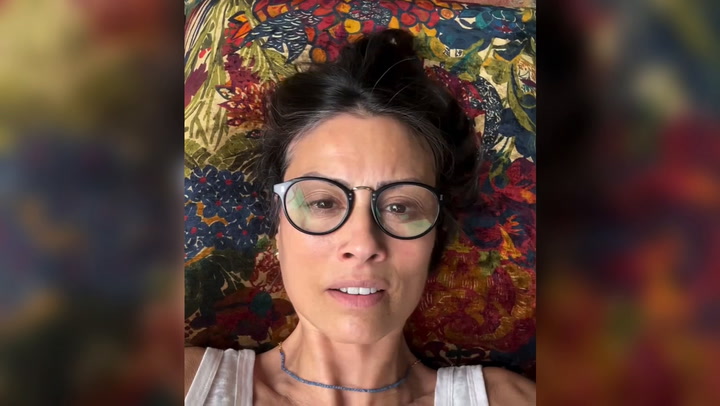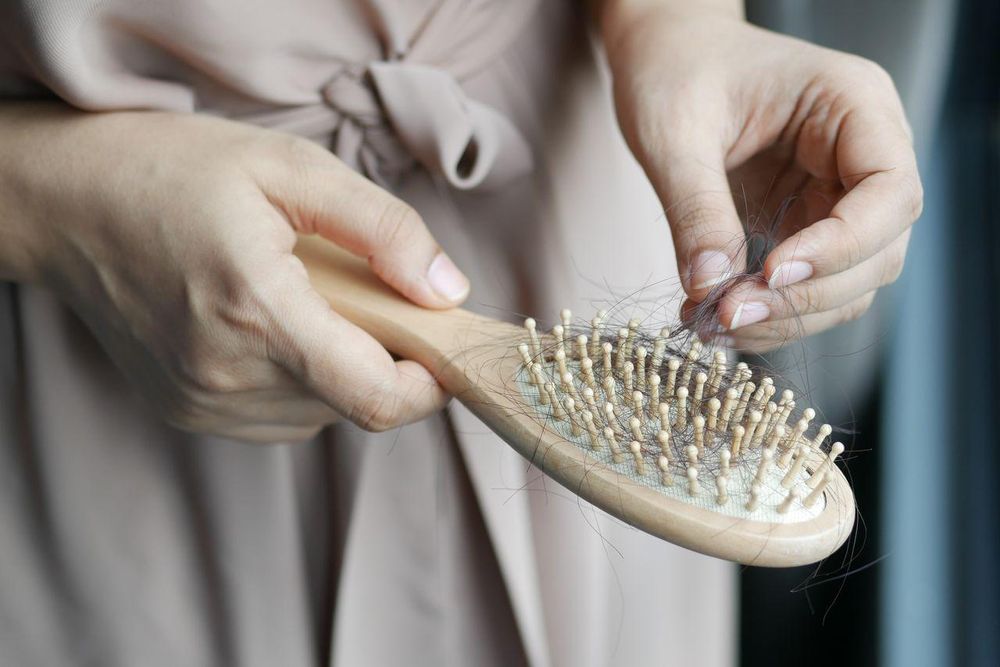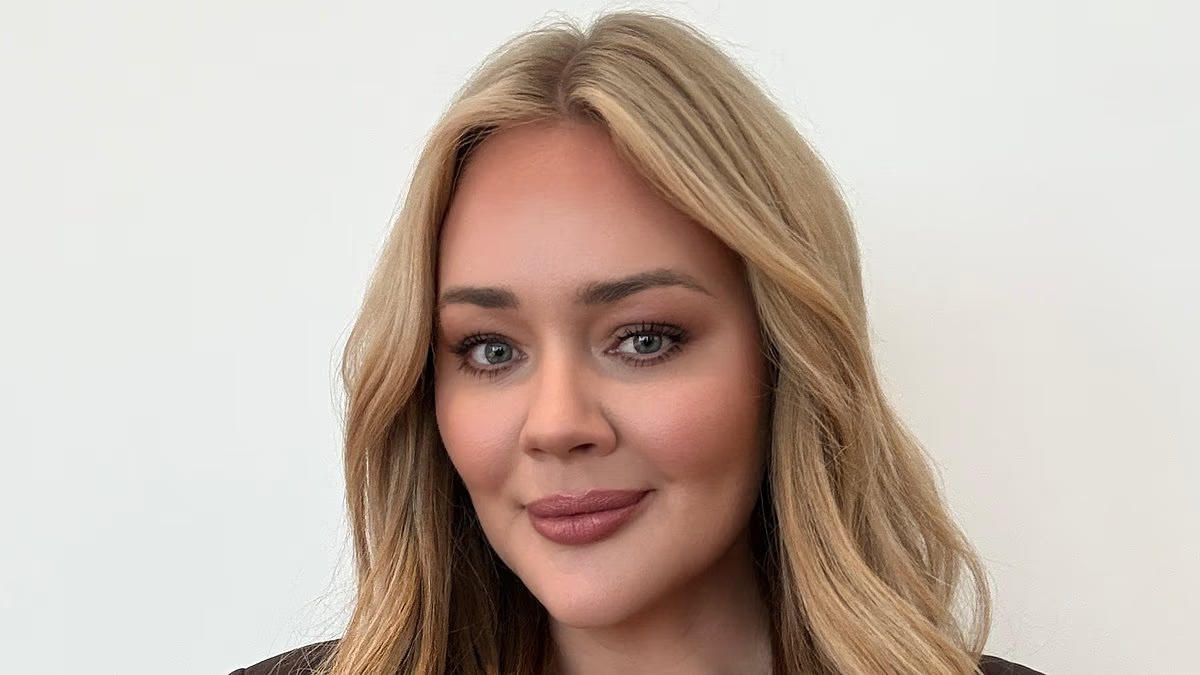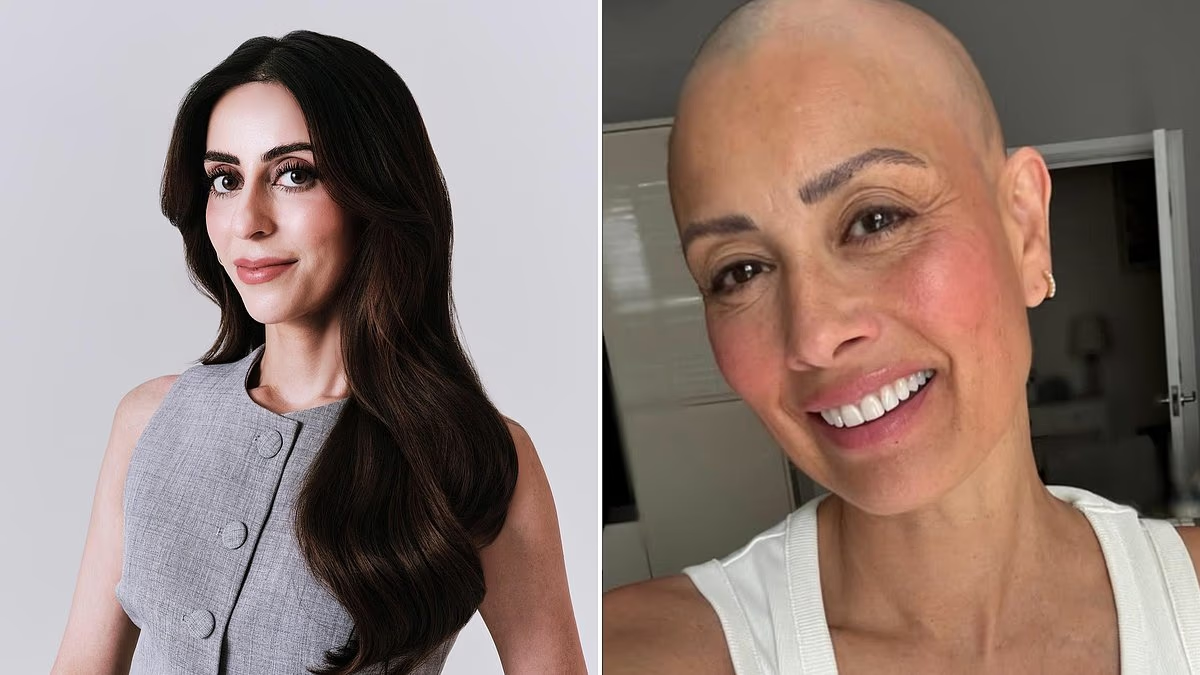
For many women, few experiences are as distressing as seeing large clumps of hair swirling in the shower or caught in a hairbrush. There is little comfort when it starts to happen – but it may help to know that you are far from alone.Hair loss can feel isolating, yet it affects around eight million women in the UK. The problem becomes increasingly common with age, particularly in the years leading up to 50.In many cases, the cause is alopecia – an umbrella term for hair loss. One of the most well-known sufferers is American actress Jada Pinkett Smith, who has alopecia areata, an autoimmune condition that causes the body's immune system to mistakenly attack healthy hair follicles. Closer to home there are more. Former TV personality Gail Porter lives with alopecia universalis, which is the most severe form of the condition and causes complete baldness across the body. Meanwhile ex-Little Mix star Jesy Nelson revealed that stress contributed to her hair shedding as a young teenager.Now, Melanie Sykes is the latest to join that list, with the TV presenter this week unveiling her new look with a completely shaved head, just days after announcing she had lost around two-thirds of her hair. It is not known which type of alopecia she has.Seeing such high-profile women speak openly about their experiences has helped to challenge the stigma surrounding female hair loss. But according to Dr Aamna Adel, a consultant dermatologist and expert hair specialist, there are also practical steps women can take to reduce their risk.Dr Adel says there are 'lots of reasons' behind the growing number of women experiencing hair loss, ranging from weight-loss jabs, stress, Covid and flu to hormonal changes, vitamin deficiencies and even tight ponytails. Here, we examine each of these potential triggers and dig into why this troubling trend is on the rise – and what you can do to protect yourself.Weight-loss jabsWeight-loss jabs have been praised for not only helping people to shed pounds, but also for stabilising blood sugar, protecting heart health, reducing inflammation and protecting the liver.But the drugs can also have some surprising unwanted side effects, including hair loss. Around one in ten people taking Mounjaro, one of the UK's most popular weight-loss injections, reports some degree of this. Dr Aamna Adel says there are 'lots of reasons' behind the growing number of women experiencing hair loss American actress Jada Pinkett Smith has alopecia areata, an autoimmune condition that causes the body's immune system to mistakenly attack healthy hair folliclesHowever, consultant dermatologist Dr Aamna Adel says the culprit isn't the jab itself – it's the rapid weight loss it causes. She explains: 'When the body goes through significant weight loss, it directs nutrients to the parts of the body it prioritises as being urgent for survival. Unfortunately, your hair is always one of the first things to go, and it's the last thing to come back.'Because the drugs suppress appetite by quietening 'food noise', people also tend to consume less protein and fewer essential nutrients needed for healthy hair, including iron, vitamin B12 and folate from leafy greens and red meats.On top of this, Dr Adel says the body effectively treats rapid weight loss as a period of starvation, meaning essential resources are directed towards supporting vital organs like the heart and kidneys. She adds: 'We know those nutritional deficiencies contribute towards hair shedding because the body prioritises other organs that it sees as being more important, and the hair is always last.' StressIn today's fast-paced world, stress has become almost unavoidable. But Dr Adel believes it is one of the biggest contributing factors of hair loss.Experts believe the effects of stress on the hair may not appear immediately, with shedding often beginning around three months after a particularly stressful event. Dr Adel says stress raises levels of cortisol in the body, which is one of the main stress hormones. She explains: 'When cortisol rises, it has an impact on all the organs in the body, as well as other hormones.'Rather than causing sudden baldness, stress typically leads to gradual thinning as more hairs enter the shedding phase of the hair growth cycle.Dr Adel continues: 'When your body is stressed, it's really not thinking about the hair. Many people have chronically elevated cortisol levels because we live in a very stressful world.'Looking at managing stress is really important when it comes to hair loss and hair thinning, especially in the context of autoimmune disease.'Stress is also a well-known trigger for flare-ups of alopecia areata, the incurable autoimmune condition that causes patchy hair loss.Covid and fluOnce the cough syrup is finished, the tissue box is empty and the cold sweats have passed, most people assume the worst of flu is behind them. But Dr Adel says the after-effects of both flu and Covid can include hair loss. This is not because of the viruses themselves, but because of the physical stress they place on the body. Officially known as telogen effluvium, this is a temporary form of stress-related hair loss that causes more hairs than normal to enter the shedding phase of the hair growth cycle. Melanie Sykes showed off her completely bald head this week – days after revealing she had lost 'two-thirds' of her hair Former TV personality Gail Porter lives with alopecia universalis, which is the most severe form of the condition and causes complete baldness across the bodyDr Adel says: 'When you have any type of febrile illness, whether it's flu or Covid, your body goes through a stressful period. After Covid, we saw a lot of people experience acute hair shedding because of that stress.'It wasn't necessarily the Covid virus itself. You would expect this type of hair loss to happen with any viral illness, whether that's influenza or another infection. Covid simply affected a very large number of people at the same time.'Interestingly, though, quite a lot of people now report that they feel their hair has never quite been the same since Covid. 'It's difficult to understand exactly why that is, but some people feel their hair never fully recovered after that period of hair loss.'Hormonal changesMany women notice their hair becoming thinner as they approach menopause, often spotting a widening parting in the middle of the head rather than complete baldness.The main reason for this is falling levels of oestrogen and progesterone – two key female sex hormones. But Dr Adel says hormones can trigger hair loss at every stage of a woman's life, not only during menopause. One of the key hormones to be aware of, she says, is dihydrotestosterone (DHT), which both men and women produce. It has been found in some cases that having higher levels of DHT – or increased sensitivity to it – interferes with the hair growth cycle, causing hairs to become progressively finer over time.Dr Adel explains: 'Usually, every hair starts as a baby hair and, over time, stays in the growth phase long enough to become thicker and stronger. 'When DHT binds to the hair follicle, the hair never matures. It stays as a very fine, thin hair, which is why overall hair density becomes thinner. We call that miniaturisation.'She says hormone-related hair loss is also common in women with conditions such as polyendocrine metabolic ovarian syndrome (PMOS) – which affects over three million women in the UK and means there are higher levels of male hormones in the body – as well as during pregnancy.Dr Adel continues: 'You also see DHT-related hair loss in conditions such as PMOS, where there's a hormonal imbalance.'Hormones are important when we think about postpartum hair loss, too. During pregnancy, women have higher levels of oestrogen, which keeps hairs in the growth phase for longer. That's why many women say they have the best hair of their lives during pregnancy.'After pregnancy, those oestrogen levels drop. That sudden drop pushes more hairs into the shedding phase of the hair cycle, which is why women can lose a lot of hair quite quickly.'Vitamin deficienciesWhen the sun comes out, Britons always flock outdoors to make the most of the warm weather we get. But sunlight does more than boost our mood – it also helps the body produce vitamin D.Research suggests vitamin D plays an important role in the growth of hair follicles, yet around one in five people in the UK are thought to be deficient. Dr Adel says: 'Everyone should take vitamin D from autumn to spring because we don't get enough UV exposure to maintain sufficient vitamin D levels.'She says other nutrients commonly linked to hair loss include iron, found in greens like spinach, vitamin B12, common in red meats and fish, and folate, sourced most commonly from lentils and beans. Getting these vitamins is particularly challenging for people with restrictive diets or heavy periods, but Dr Adel warns against taking supplements without first establishing that you're deficient.Biotin, for example, is widely marketed as a hair-growth supplement. But she says there is little reason for most people to take it. Dr Adel explains: 'A biotin deficiency is extremely rare in the UK and other developed countries. It's important not to take supplements just for the sake of taking them because you can actually do more harm by taking biotin unnecessarily. Unless it's recommended by a healthcare professional, I wouldn't advise taking biotin.'Other nutrients that are often low include iron, especially in younger women, particularly if they have heavy periods or follow a restrictive diet.'But again I wouldn't take iron just for the sake of it. If you think you may be iron deficient, I'd recommend having a blood test first. Symptoms don't just include hair loss - they can include feeling tired all the time, dry or itchy skin and dizzy spells.'Hair styles Tutorials showing how to achieve tight, slicked-back ponytails and buns have racked up millions of views on TikTok, with many dubbing it a 'natural Botox' because the look provides a face-lifting effect.But Dr Adel says the viral aesthetic could come at a cost because tightly pulled hairstyles can trigger traction alopecia – a form of hair loss caused by repeated tugging on the hair follicles. She says: 'Traction alopecia is caused by wearing tight hairstyles like slick-back buns or tightly pulled ponytails. 'Essentially, you're stressing the hair follicle by tugging at it. If you are wearing those hairstyles repeatedly for long periods of hours, the hair can fall out.'It's reversible as long as you stop doing the tight hairstyles. 'But over time, repeatedly, the hair follicle can become scarred and it can become permanent.'
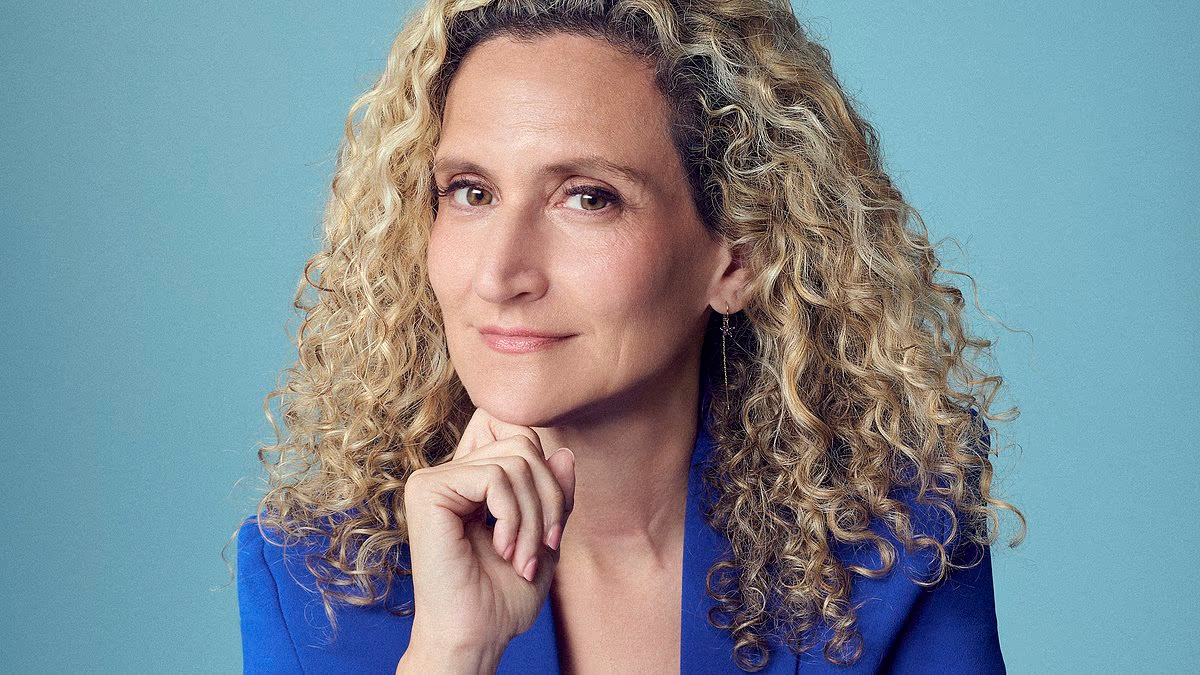
This is the reason so many women are losing their hair: DR AAMNA ADEL
Hair loss can feel isolating, yet it affects around eight million women in the UK. The problem becomes increasingly common with age, particularly in the years leading up to 50.
1,757 words~8 min read