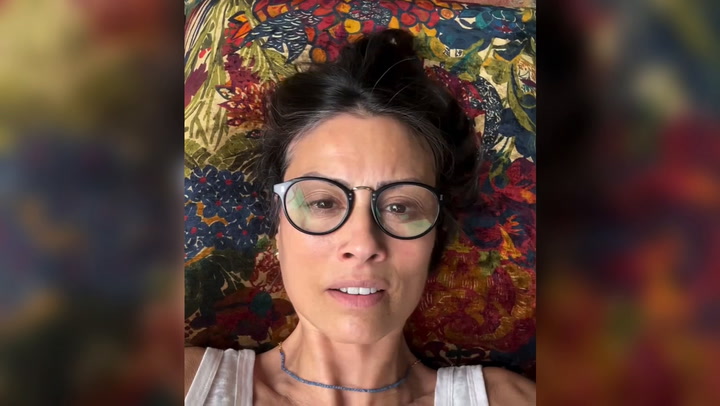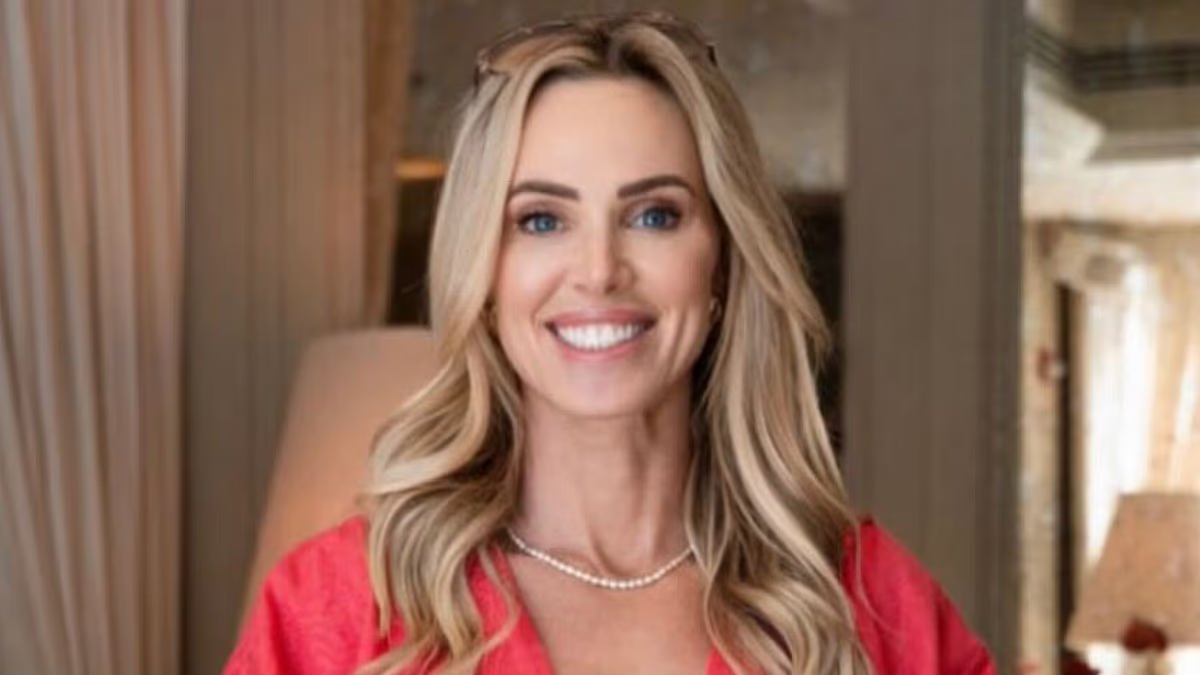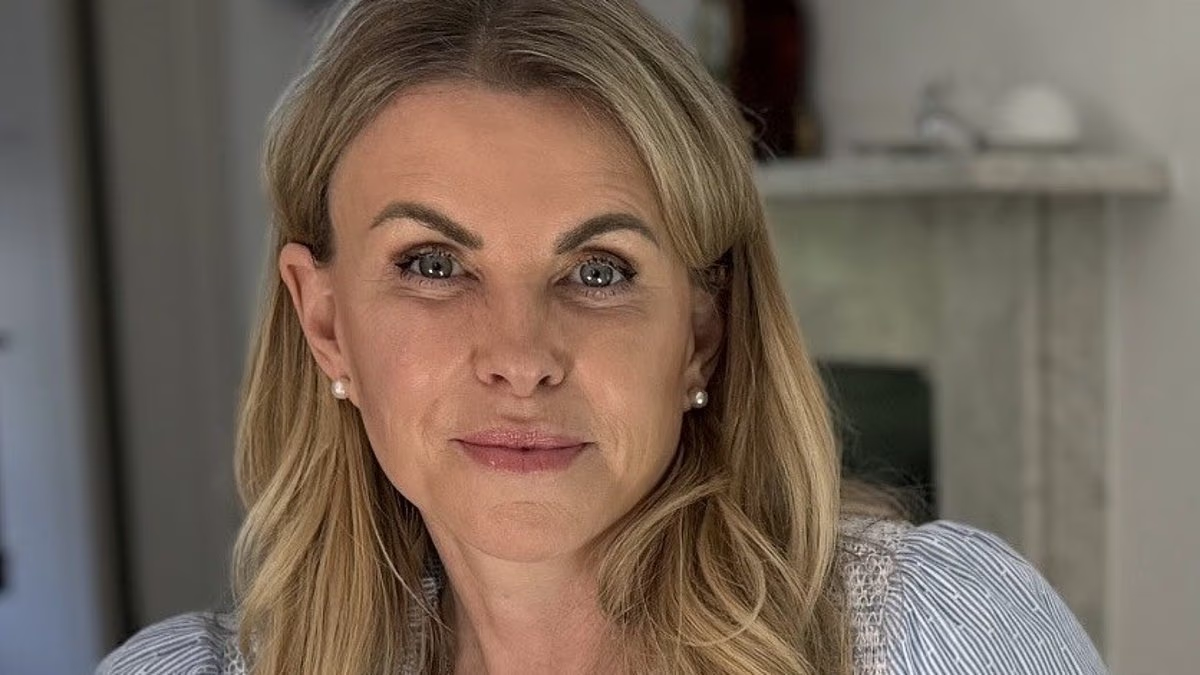
I was 19 years old and living in Norway when more than half of my hair fell out in a matter of days.At the time, I was running my own salon after training as a hairdresser. Looking back, life was incredibly stressful. I had noticed I was losing a little more hair than usual, but I didn't think much of it. Hair goes through phases, and I assumed it would grow back.Then one morning, I woke up and found an unusual amount of hair on my pillow.I got out of bed and walked over to the mirror. I started running my hands through my hair, and it simply began falling out.In that moment, I felt complete panic.More than anything, I was terrified because I didn't understand what was happening to me.The first person I called was my mum. She immediately told me to contact a doctor, and I was able to get an appointment that same day. By then, I had already brushed out more than half of my hair. Over the following days, it continued to fall out. I was 19 when I was diagnosed with alopecia areata, an autoimmune condition that causes patchy hair lossMy first thought was cancer because that was the only thing I associated with losing your hair. I didn't know that you lose your hair through chemotherapy. I just knew that losing your hair meant something was wrong.What made it so frightening was the uncertainty. I didn't know why it was happening, whether it would stop, or if my hair would ever come back. The hardest period was those first few months before I had any answers.After several appointments, I was diagnosed with alopecia areata, an autoimmune condition that causes patchy hair loss.Although the diagnosis gave me an explanation, it didn't take away the fear. Every morning I woke up wondering if I had lost more hair overnight. It felt like I had lost control over something that had always been part of my identity.Being a hairdresser made it particularly difficult. Hair wasn't just part of how I looked; it was my profession. I spent my days helping other people feel confident about their hair while trying to figure out what was happening to my own.I became very self-conscious. In the beginning, I didn't want to go out. I stopped dating for a while and avoided situations where I felt exposed. My friends and family were incredibly supportive, but there was still a period where I had to learn how to feel like myself again. Although the diagnosis gave me an explanation, it didn't take away the fear. Every morning I woke up wondering if I had lost more hair overnight My alopecia areata has always seemed to be connected to stress. When I'm under a lot of pressure or pushing myself too hard, that's often when I notice changes. I almost see it as a signal from my body that I need to slow down and take better care of myself.Losing my hair also completely changed how I think about my health.When you're 19, you feel almost invincible. Going through something like this made me much more aware of how important it is to look after myself and pay attention to what my body is telling me.Like many people with alopecia, I tried everything I could think of to support my hair growth. I had blood tests to check for deficiencies, took supplements and became very focused on my overall wellbeing.Even now, I still have a routine that I follow.I take supplements every day, including vitamin B12, magnesium and a multivitamin. I pay close attention to my scalp health and still massage my scalp regularly. It's something I've done for years. I also make sure I use a detox shampoo once a week and focus on keeping my hair moisturised and healthy.I can't say for certain which things have helped and which haven't. Alopecia is unpredictable, and every person's experience is different. But having a routine gives me a sense of control and helps me feel like I'm taking care of myself.After around three or four months, I started seeing small signs of regrowth in some of the patches, and that was the first moment I felt real hope.I was fortunate that I never lost the hair on the very top of my head, which meant I could use extensions and different styling techniques to help cover the patches. Extensions, scarves and different styling techniques helped me feel like myself again while my hair recovered Discovering extensions was a turning point for me.People often say, 'It's just hair', but I don't think you understand what hair means until you've lost it. When you lose your hair, people often look at you differently. They assume you're ill. They ask questions. As a woman, it can have a huge impact on your confidence.Extensions, scarves and different styling techniques helped me feel like myself again while my hair recovered. They gave me confidence at a time when I desperately needed it.It took me around a year and a half before I felt truly comfortable in myself again.What began as a way of coping with my own hair loss gradually became something much bigger.As I learned more about extensions, wigs and hair solutions, I started meeting other women who were dealing with alopecia, cancer-related hair loss and other conditions that affected their confidence. Again and again, I heard the same fears and frustrations that I had experienced myself.That's what inspired me to launch BHBD – Big Hair Big Dreams. I wanted to create natural-looking solutions that could help women feel like themselves again, while prioritising the health of their own hair.What began as a response to my own experience with alopecia has since grown into an international brand, with BHBD's extensions worn by celebrities including Gwyneth Paltrow, Nicole Kidman, Kirsten Dunst and Leighton Meester. Extensions from my brand Big Hair Big Dreams have been worn by celebrities including Gwyneth Paltrow Yet the most rewarding part of my work is still hearing from women who feel more confident because of something we've created.If someone met me today, they would probably have no idea that I have alopecia.The reality is that alopecia never truly goes away. At any point, I could experience another period of hair loss. But I no longer live with the fear I felt when I was 19.In fact, I haven't had any new patches of hair loss in more than two and a half years. Since becoming a mother, something seems to have shifted. I don't know whether it's hormones, a different relationship with stress or something else entirely, but I'm grateful for every year I get to keep my hair.If I were to lose more hair tomorrow, I know there are beautiful, natural solutions available that would allow me to feel like myself.That is one of the biggest differences between now and when I was first diagnosed 18 years ago. Back then, the options felt limited and losing your hair often felt like losing a part of your identity. Today, there are far more possibilities available.I associate alopecia with something incredibly positive. It gave me a deeper understanding of confidence, identity and self-worth, and it ultimately inspired the work I do today.If I can help even one person feel less afraid of losing their hair than I felt at 19, then everything I went through was worth it.
Half my hair fell out in just days. These products restored my locks
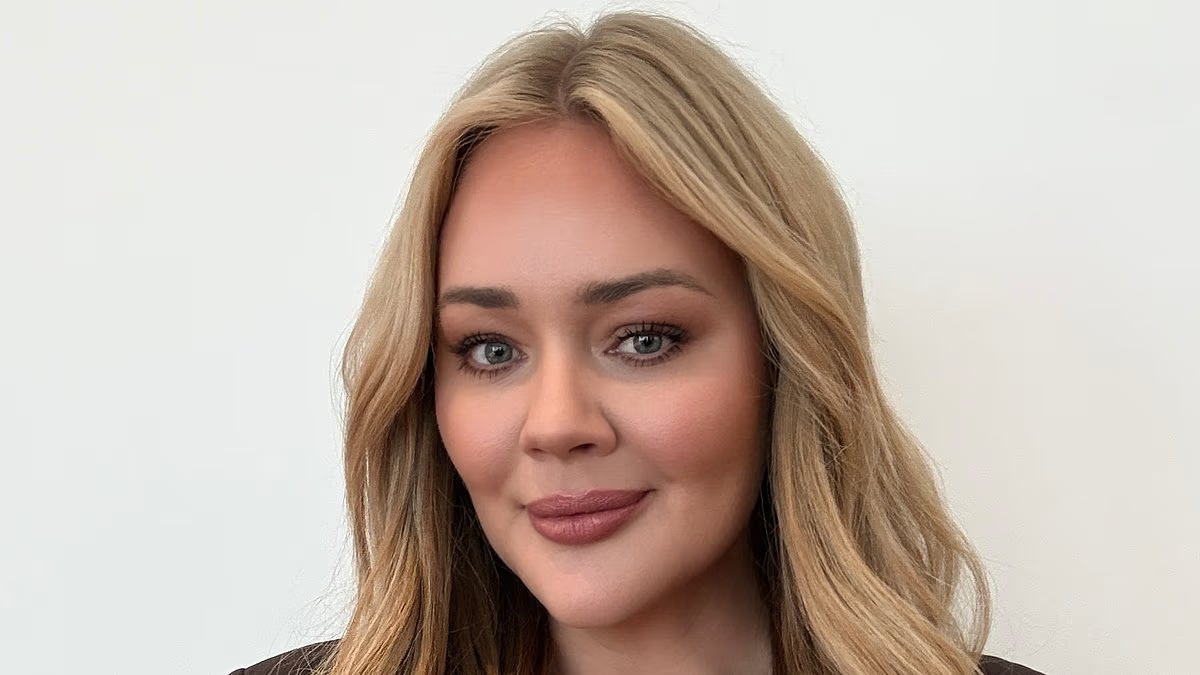
When Louise Skold's hair began falling out at 19, she feared she had cancer. But the real diagnosis changed her life.
1,234 words~6 min read