With Washington and Beijing both raising security anxieties in Southeast Asia, countries in the region are diversifying their economic and security cooperation with middle powers.
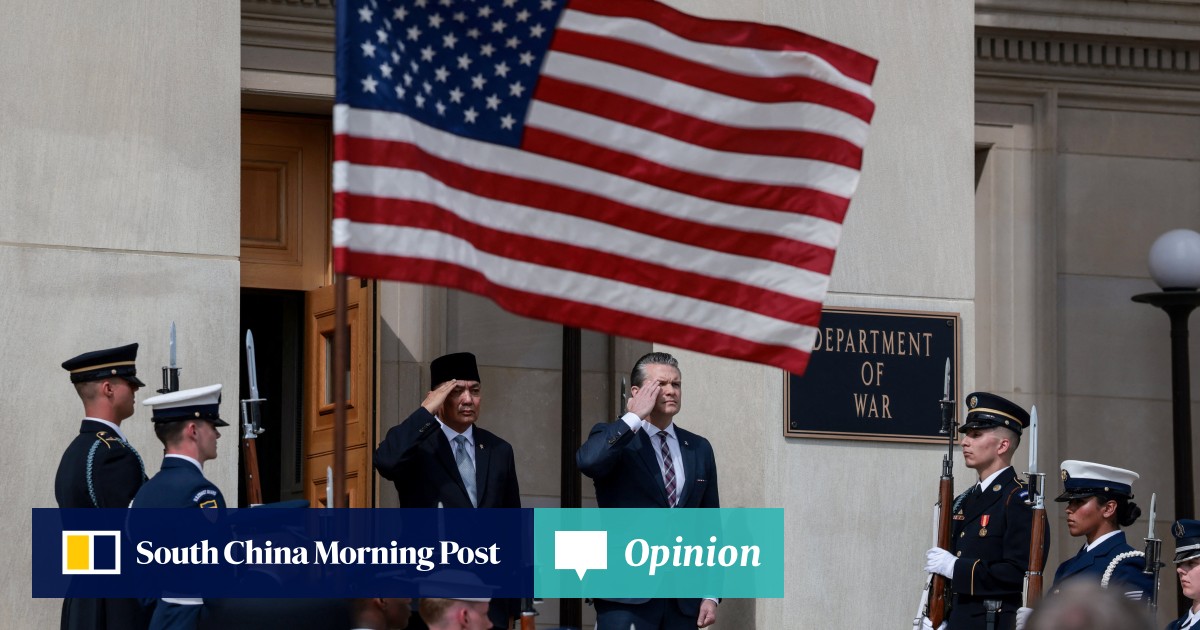
In May 2026, Yusril Ihza Mahendra, Indonesia’s Coordinating Minister for Law, Human Rights, Immigration and Corrections, stated that Indonesia, with its abundant energy and mineral resources, could become the next ‘target’ of the United States after Venezuela and Greenland. He added that US forces in Guam could reach Papua within six hours and that in the event of war, the Indonesian Military could ‘only last four days’.
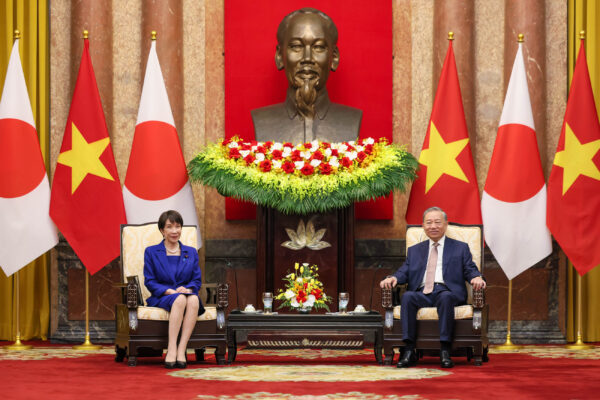
In February 2026, an official Vietnamese document titled The 2nd US Invasion Plan was leaked to the public. Originally completed in August 2024, the document states that ‘due to the United States’ belligerent nature, Vietnam needs to be vigilant to prevent the United States and its allies from creating a pretext to launch a war of aggression’.
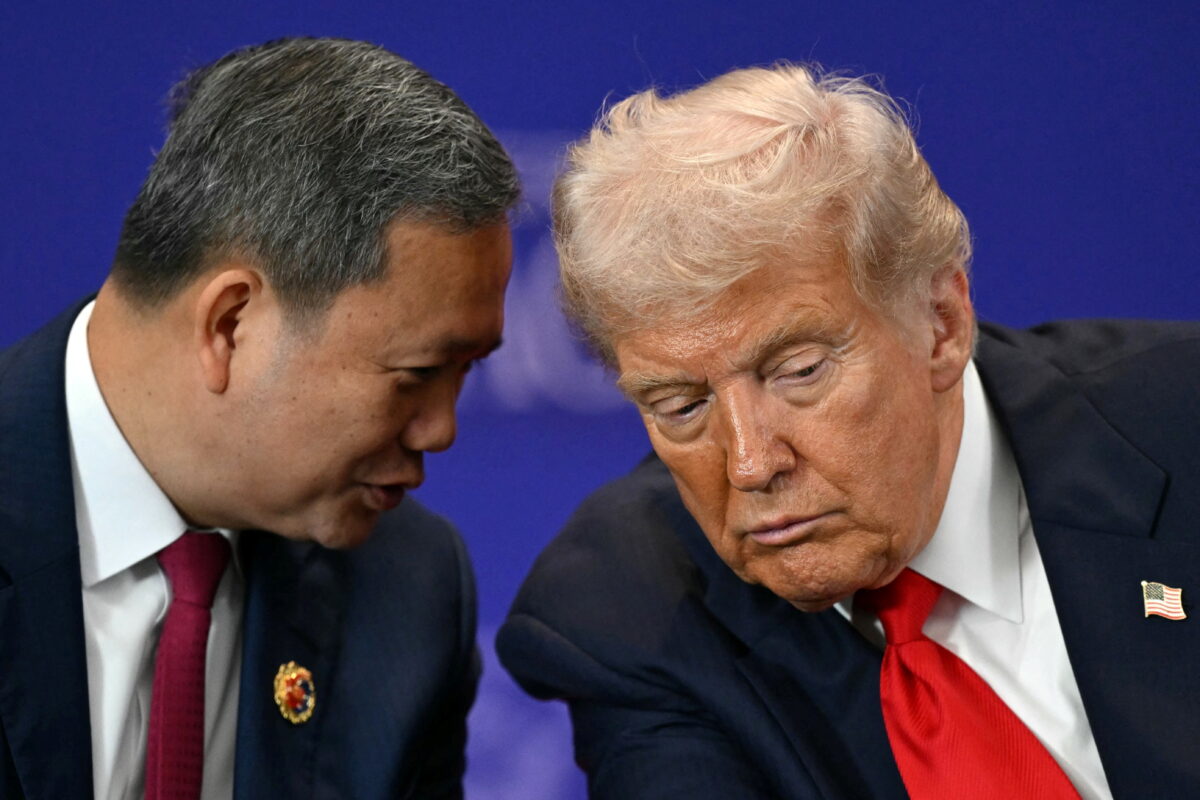
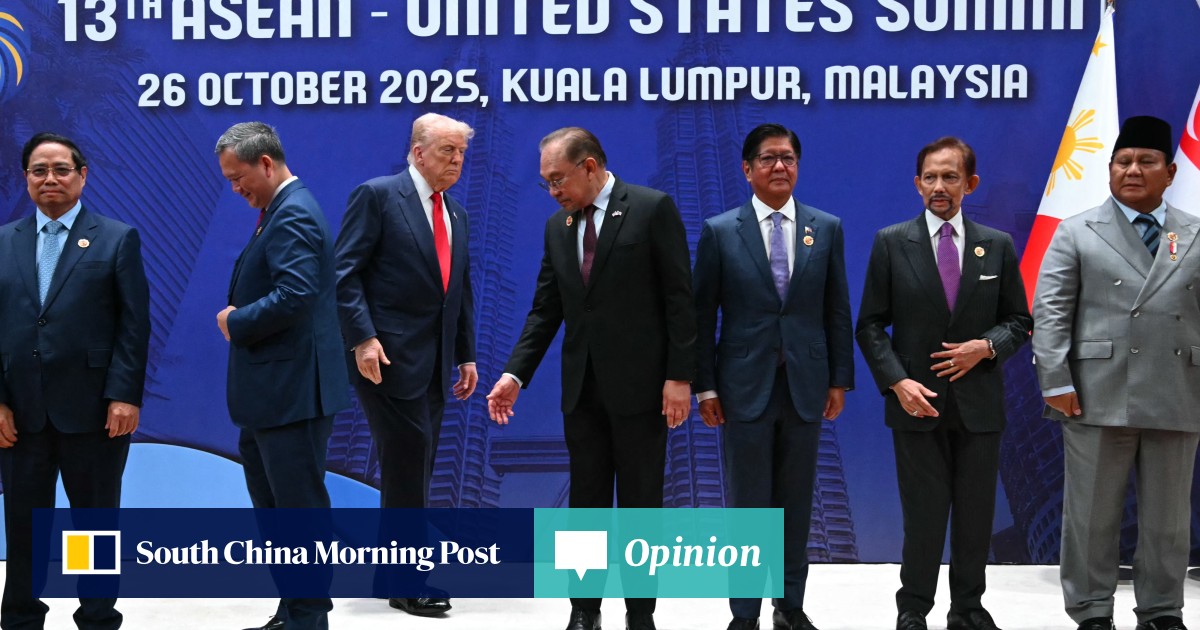
While these two examples may not represent the military outlook of all nations in Southeast Asia, they show that some countries in the region increasingly view the United States as a security threat, rather than a partner. This phenomenon aligns with the 2026 ISEAS State of Southeast Asia Survey, which found that more than half of respondents (51.9 per cent) identified US leadership under President Donald Trump as their top geopolitical concern.