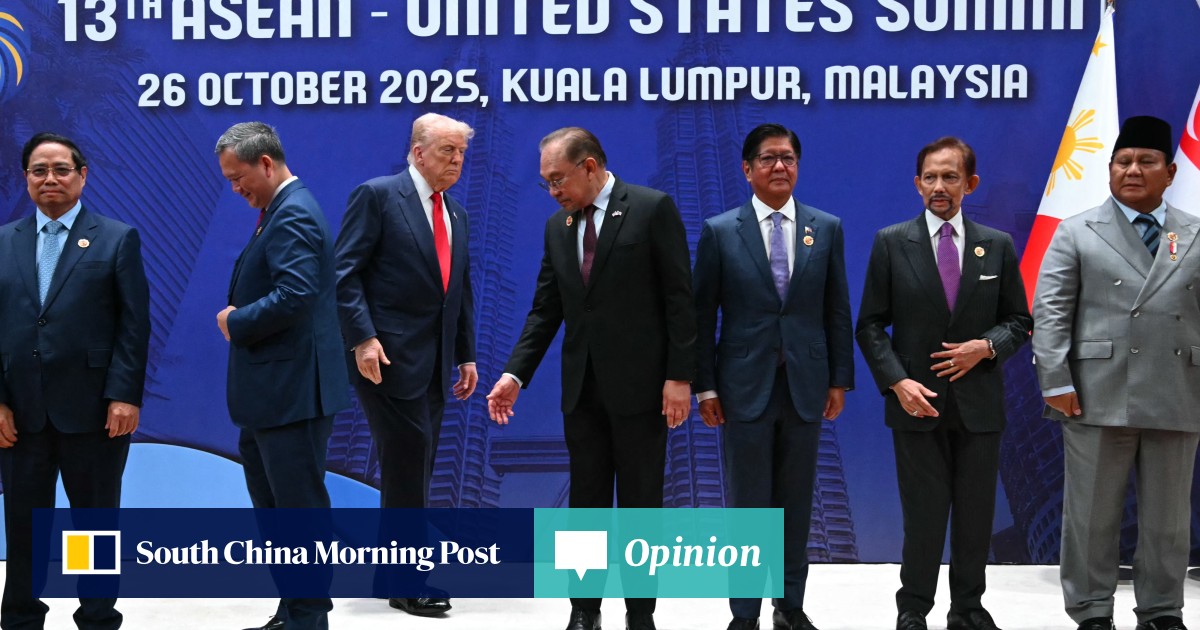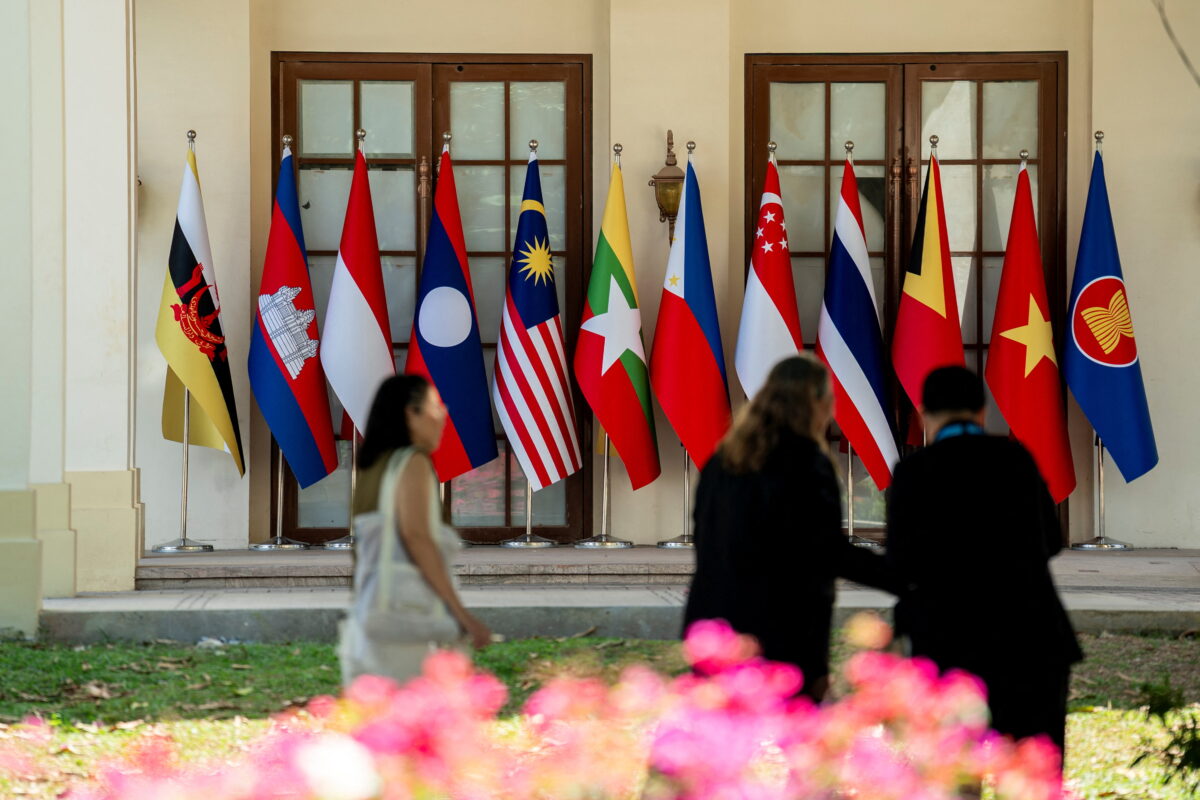
ASEAN often says “don’t make us choose,” yet some of the region’s sharpest observers argue its states are shifting toward China and away from the United States, particularly in the economic and diplomatic domains. Washington, meanwhile, is left with a shrinking traditional security portfolio. Many now speculate that the contested, high-growth region of Southeast Asia may drift toward a Chinese-led order.
This argument captures a real trend. China is now sufficiently influential that breezily presumed U.S. primacy in Asia, in general, is over. Given China’s vastly enhanced economic heft since the 1990s, this is hardly surprising. However, the end of U.S. primacy need not mean a defeatist acceptance of its replacement by Chinese hegemony.
To start, Chinese influence has grown unevenly across ASEAN and has been most successful in the countries least consequential to U.S. grand strategy: Cambodia, Laos, and Myanmar. This is not to say that these countries are unimportant; their futures matter. Yet in the context of strategic competition and the regional balance of influence, ASEAN states do not weigh equally. U.S. regional interests are more bound up in the orientations of Malaysia, Thailand, and especially the “VIPS”: Vietnam, Indonesia, the Philippines, and Singapore.