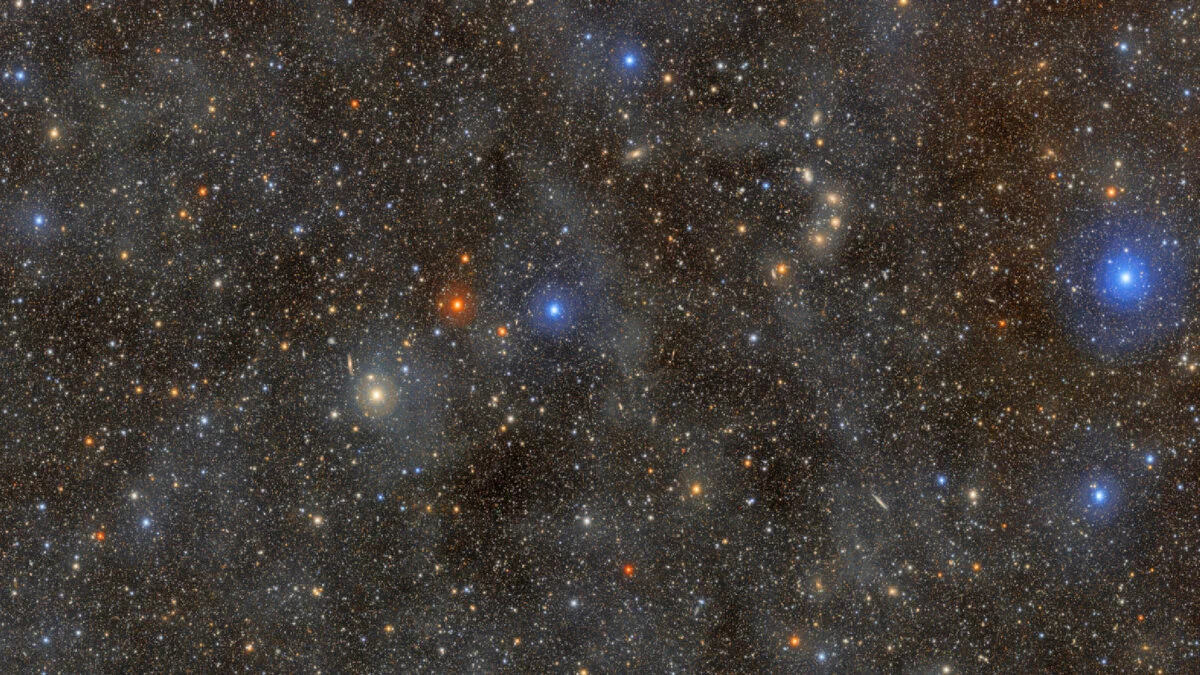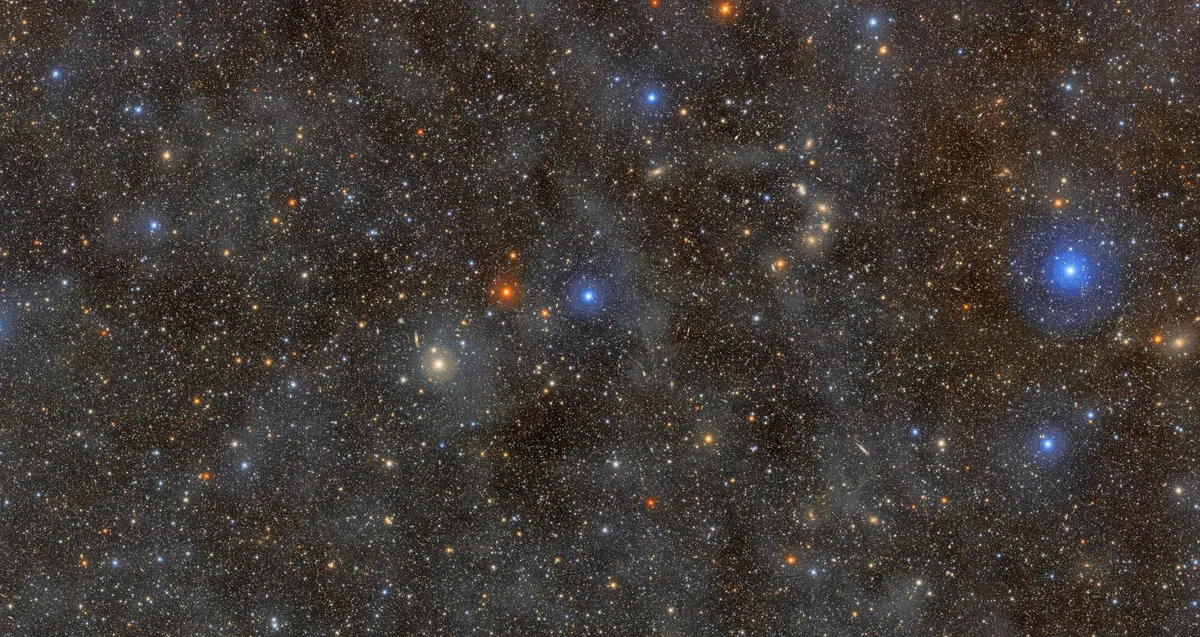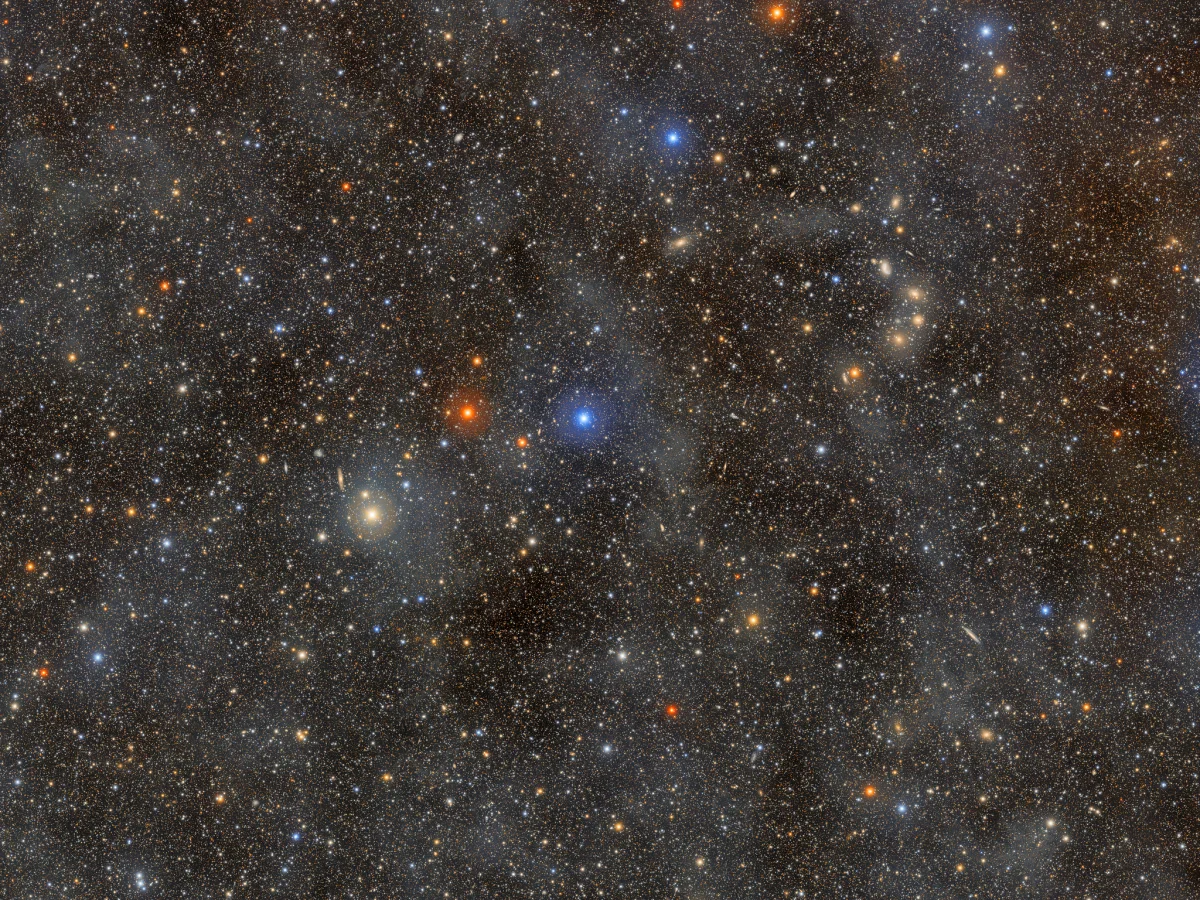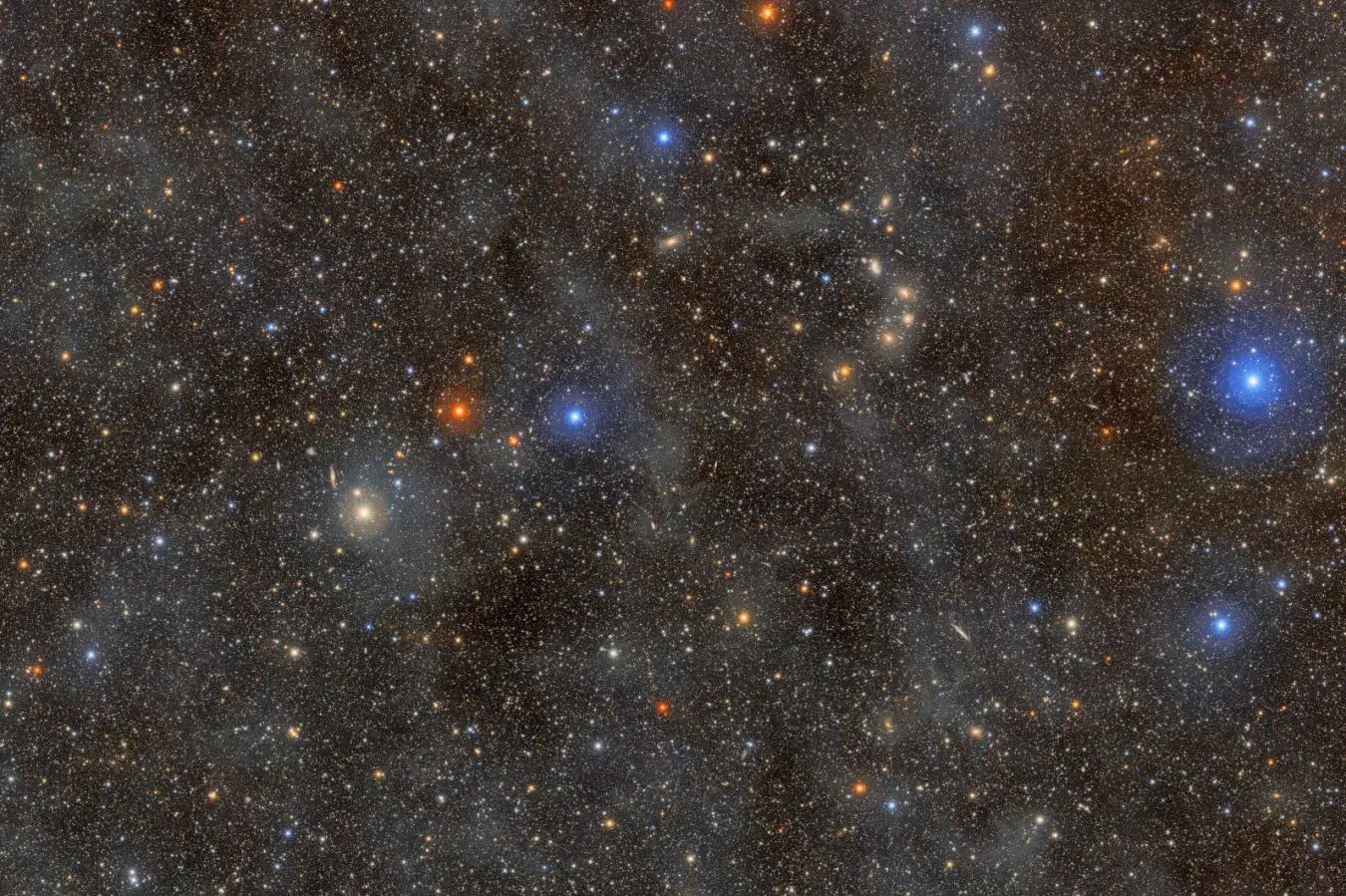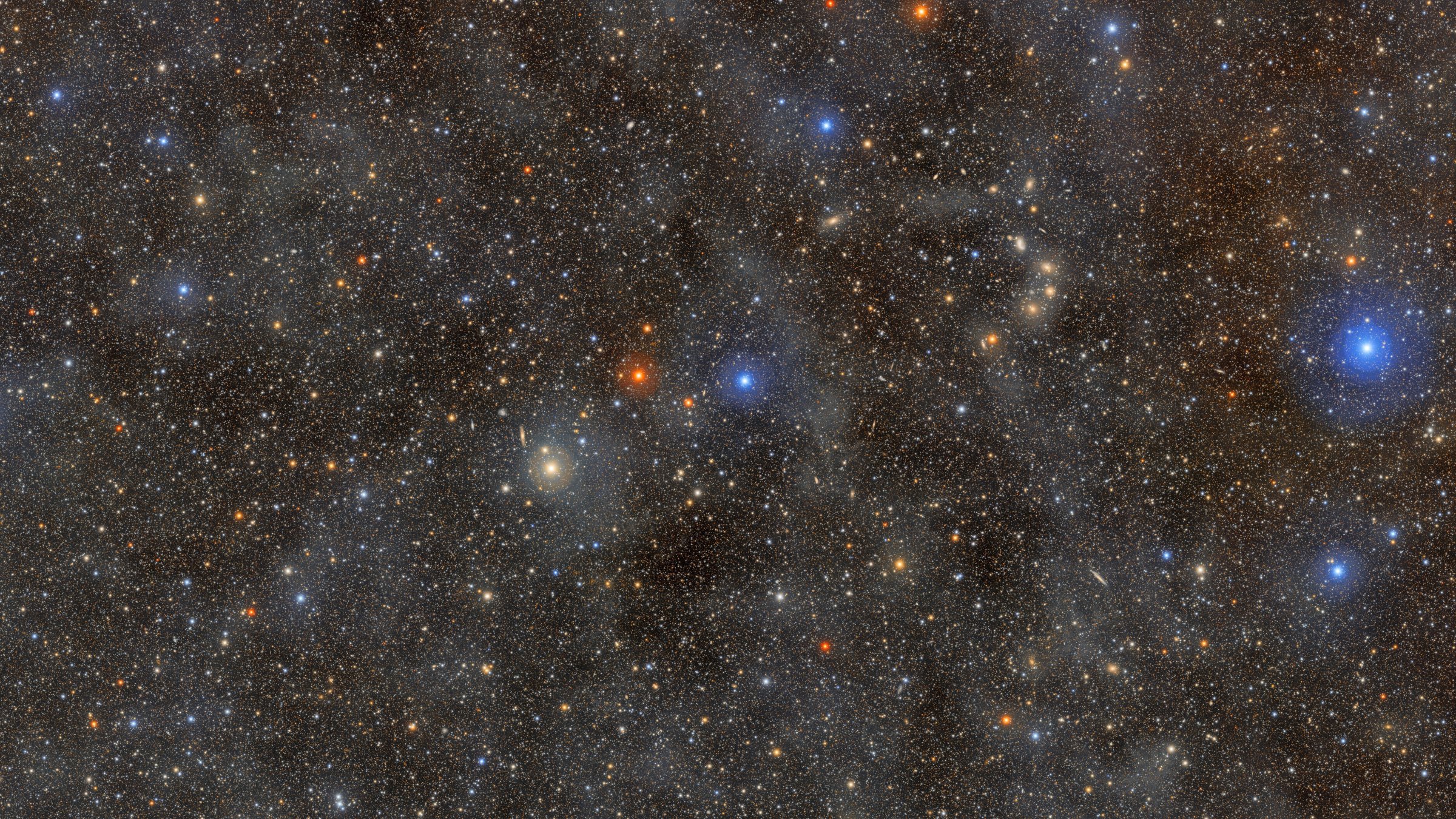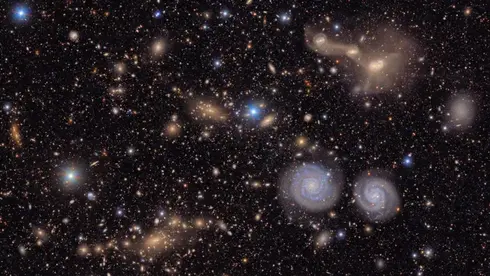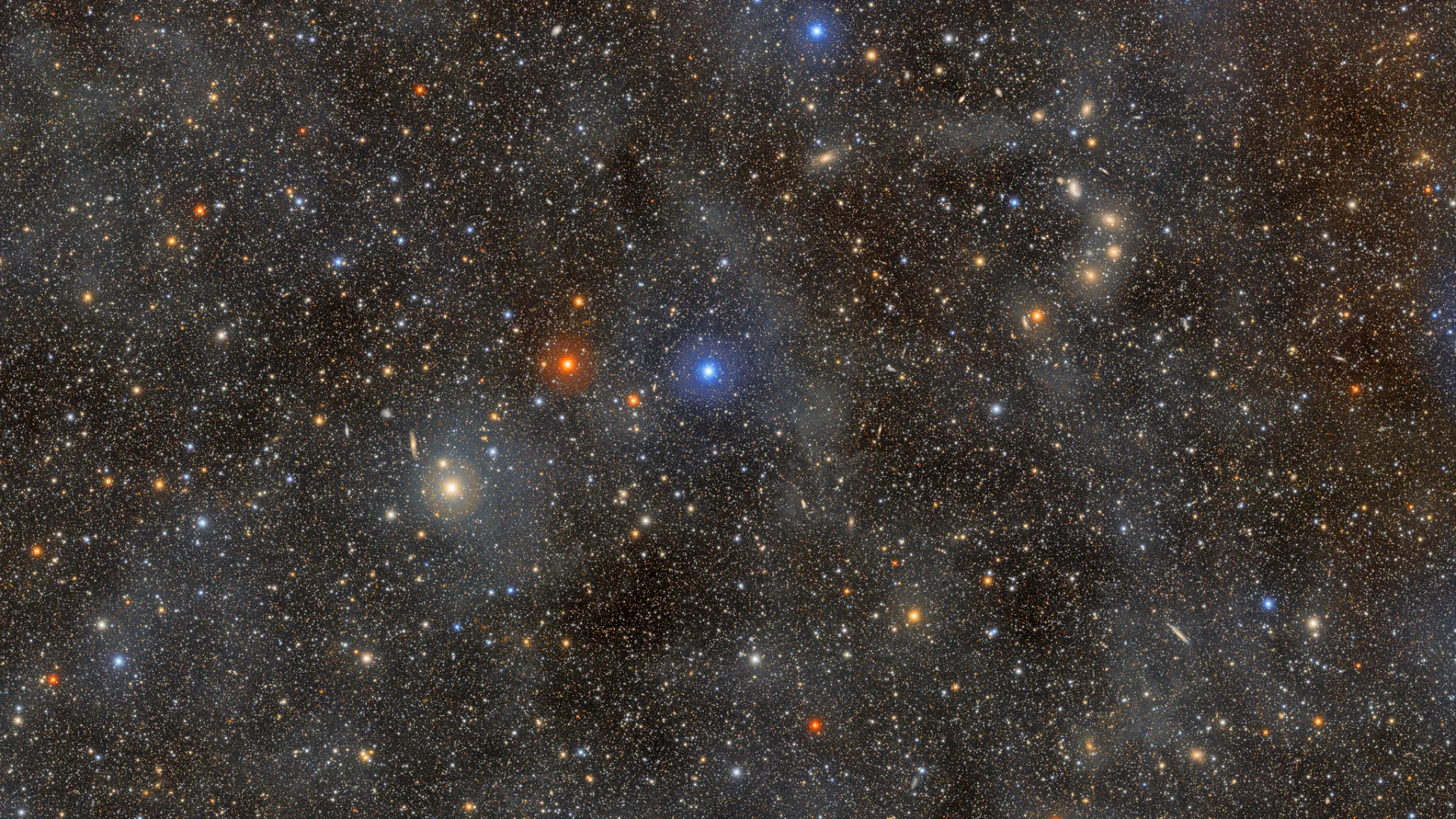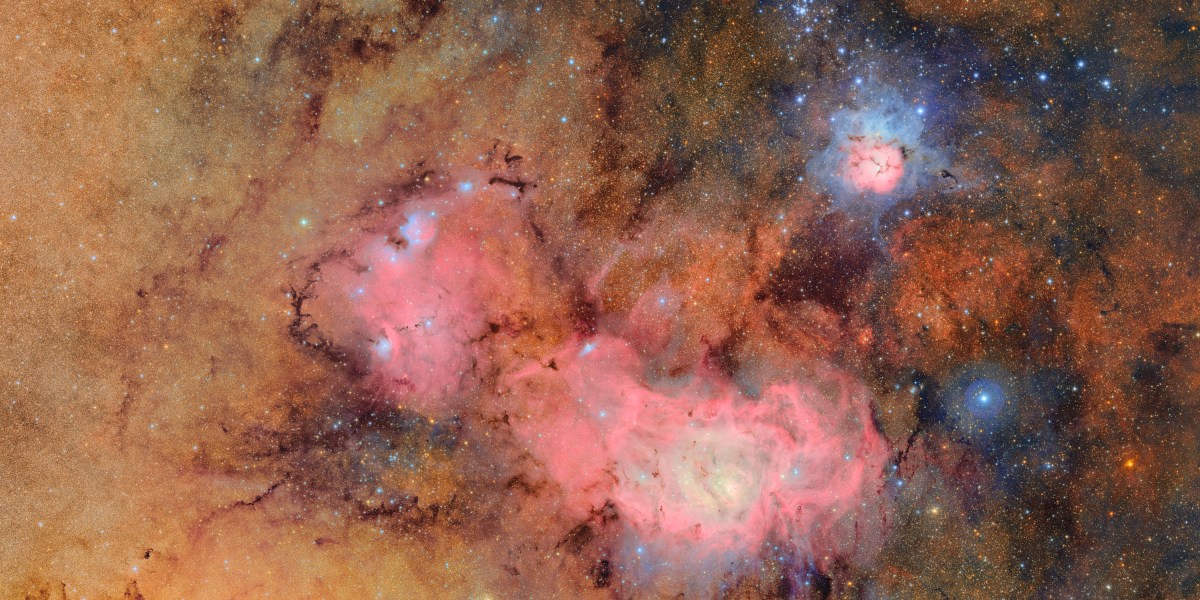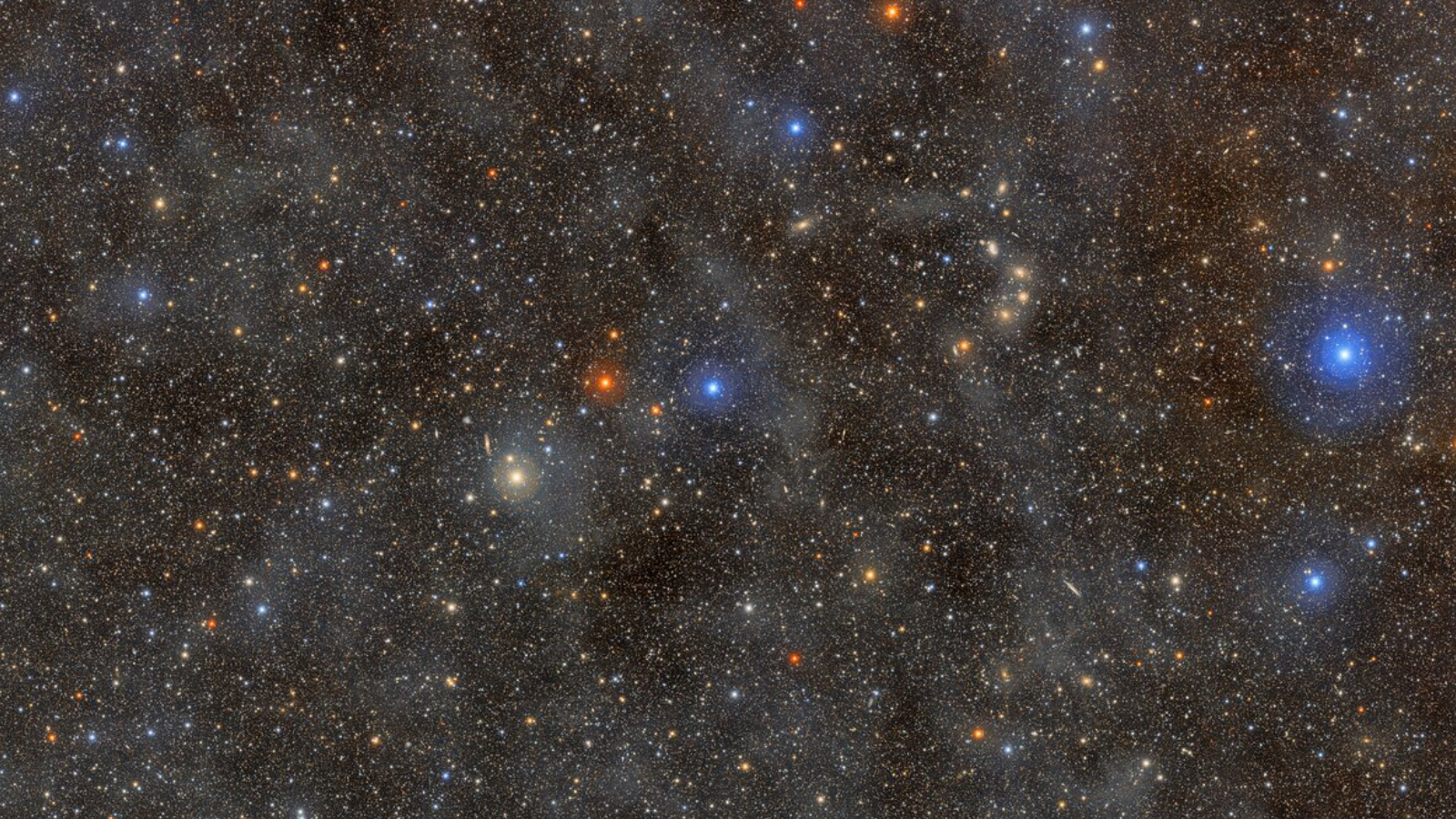
The Rubin Observatory's 1.7 gigapixel image of the constellation Lupu demonstrates how the 10-year long LSST will change our view of the cosmos
(Image credit: NSF–DOE Vera C. Rubin Observatory/NOIRLab/SLAC/AURA)
The universe is ready for its close-up! That's because today marks the day that the Vera C. Rubin Observatory begins it's 10-year mission to shoot the greatest cosmic move ever created.The decade-long project officially known as the Legacy Survey of Space and Time (LSST) is set to revolutionize our view of the universe. That means June 30, 2026 marks the beginning of a new era for astronomy."Today, we begin filming the greatest cosmic movie ever made," U.S. National Science Foundation (NSF) director Brian Stone said in a statement. "Every night, NSF–Department of Energy (DOE) Rubin Observatory will expand the frontiers of knowledge and strengthen America's global leadership in science and innovation."The LSST will see Rubin use its 3200-megapixel camera, the largest digital camera ever created, to repeatedly scan the entire sky over the southern hemisphere every few nights. Over the next decade, each point in the sky will be covered 800 times; this will result in an ultra-wide, ultra-high-definition time-lapse record of the cosmos, the scale of which will put any Sci-Fi epic to shame.And that includes the daring voyage of discovery present in any great Sci-Fi story. Astronomers teaming with Rubin will dive headfirst into the dark universe. That means the dual mysteries of dark energy — the force driving the accelerating expansion of the universe — and dark matter — which secretly seems to be holding galaxies together. Both are invisible to us, yet integral to the universe."With the launch of the ten-year Legacy Survey of Space and Time, NSF–DOE Rubin Observatory is opening a new window on the universe. It is embarking on a mission that will redefine modern cosmology and astrophysics," Darío Gil, Under Secretary for Science at the DOE said in the statement. “With its world-class design and tools, Rubin Observatory will capture the dynamic nature of our cosmos and reveal unimagined insights into our universe's biggest mysteries, from our own solar system to the very structure of the universe. "By seeking to understand the enigmatic phenomena of dark energy and dark matter, we are not just observing the stars; we are striving to grasp the fundamental laws that govern our existence."