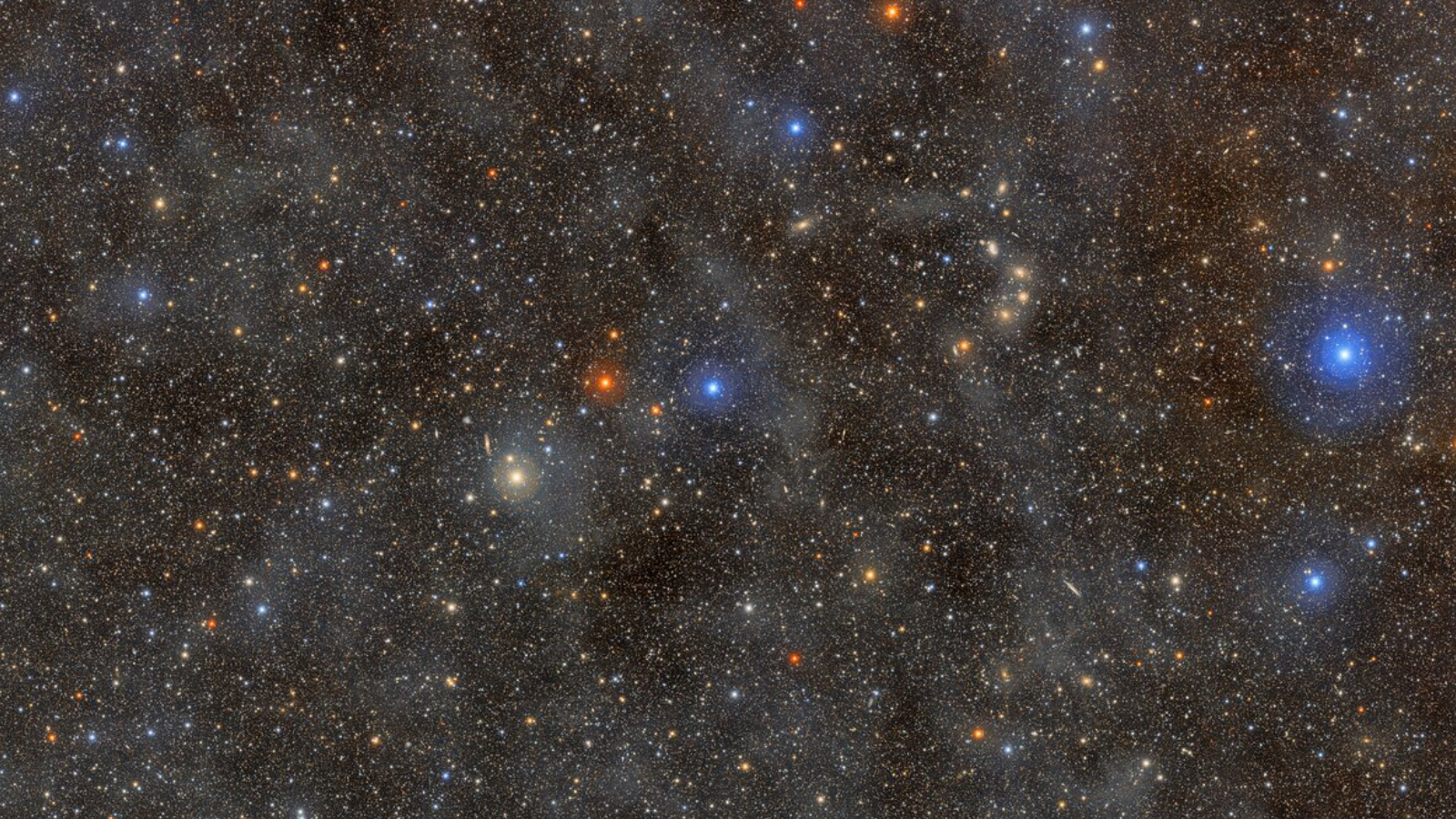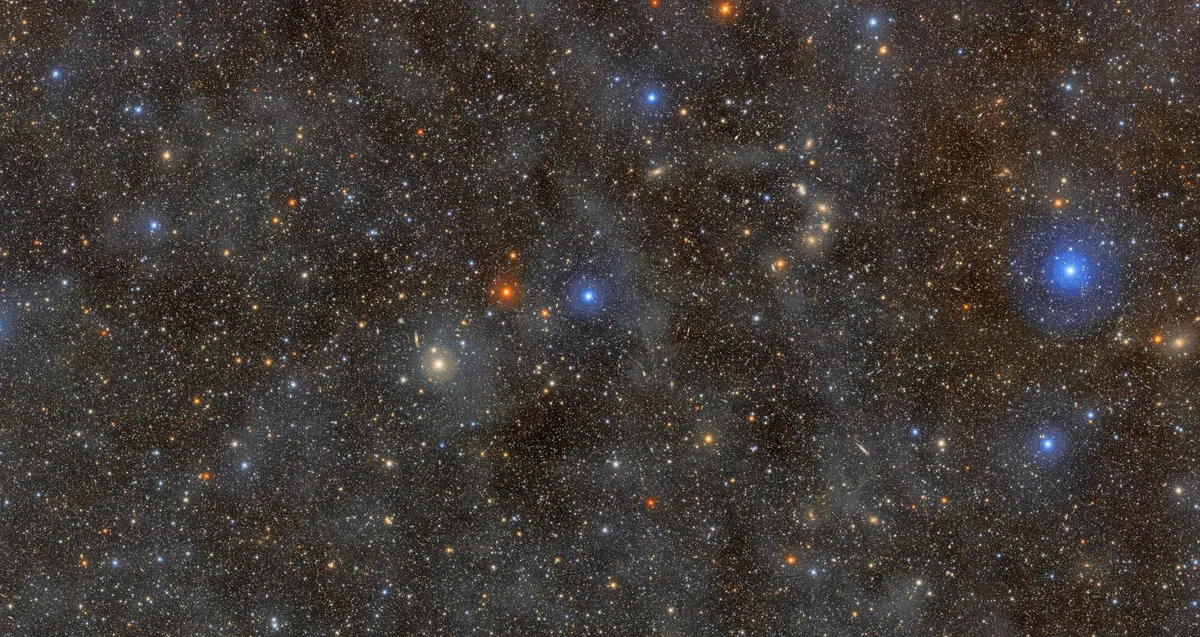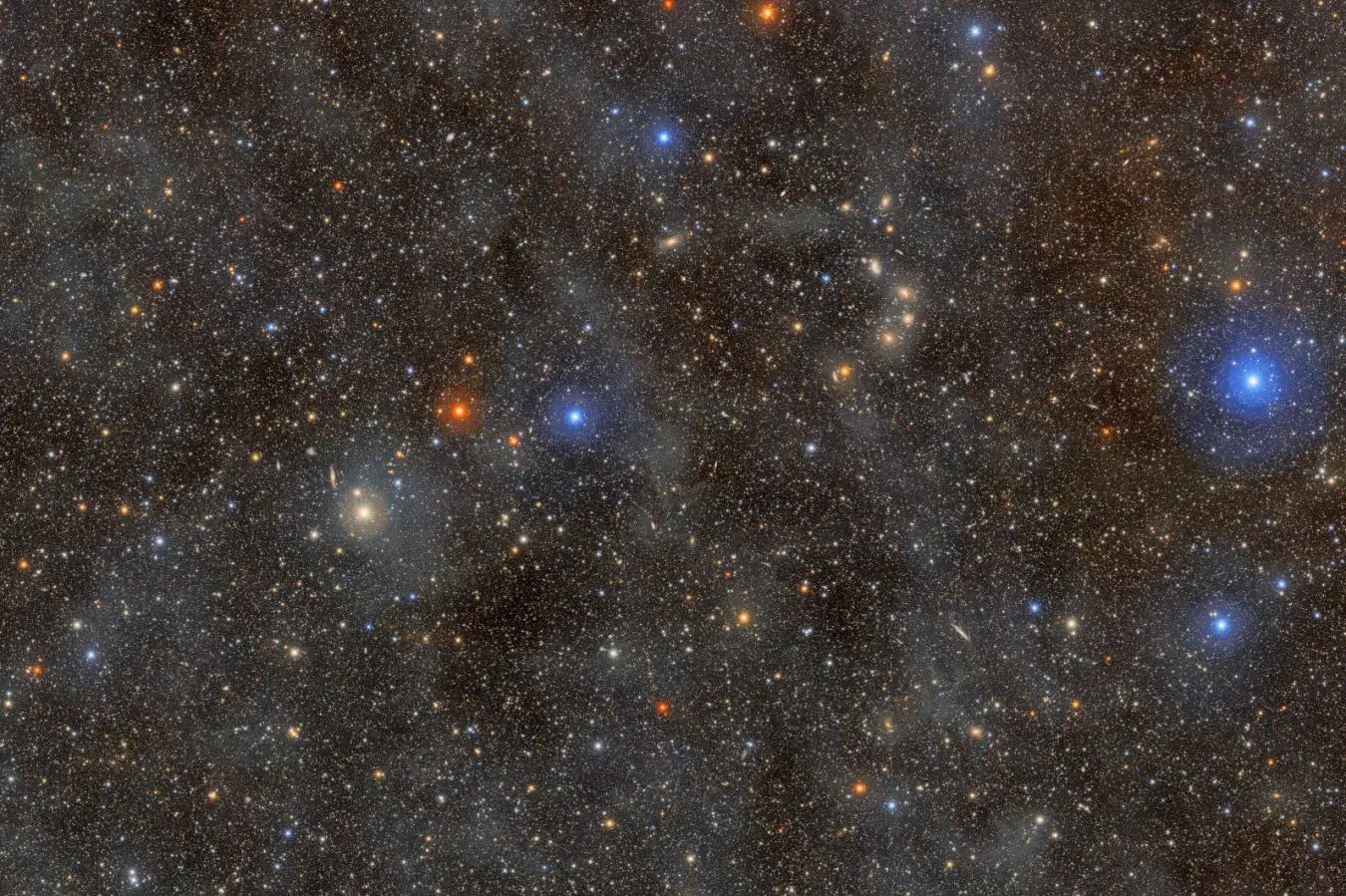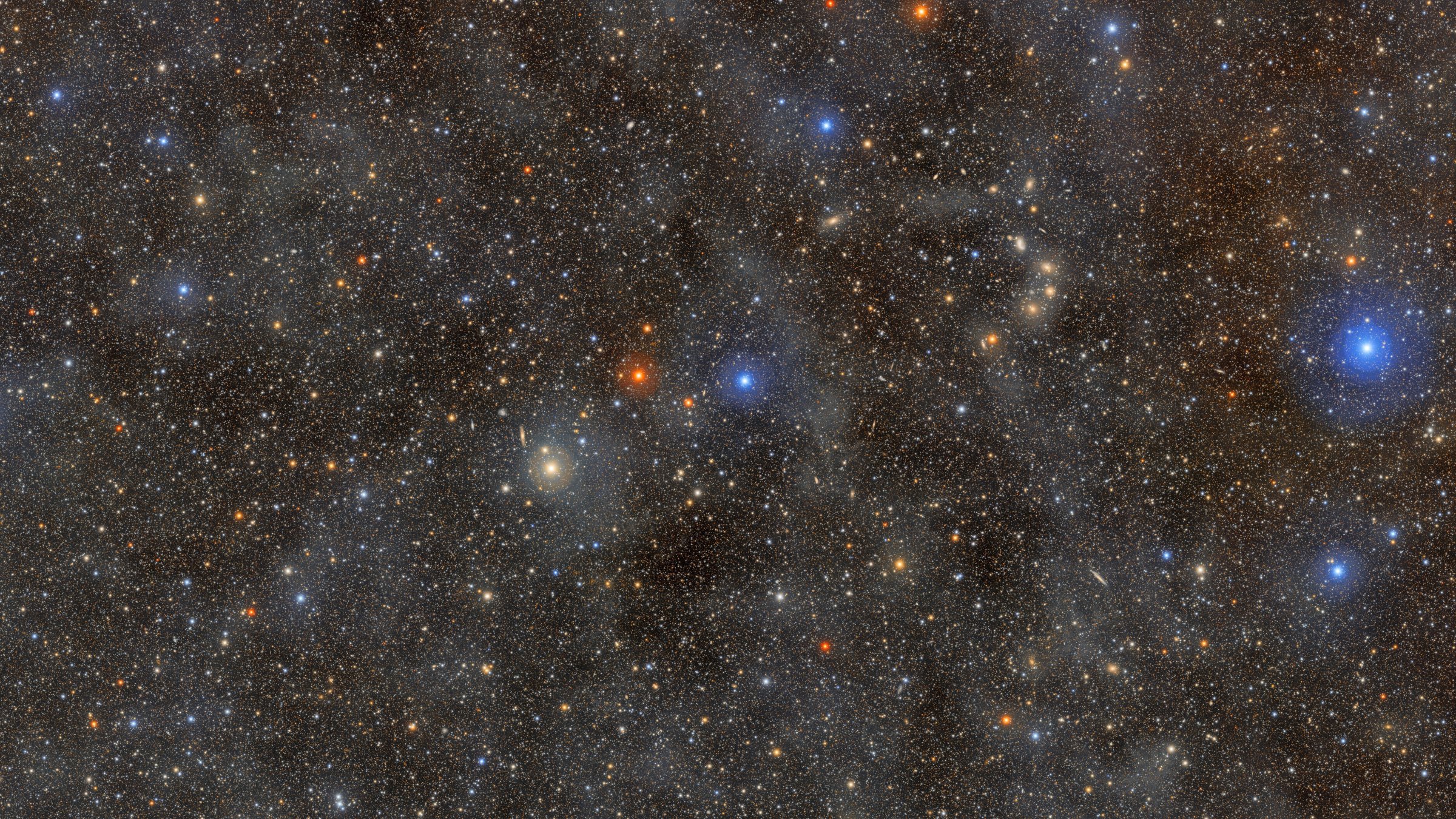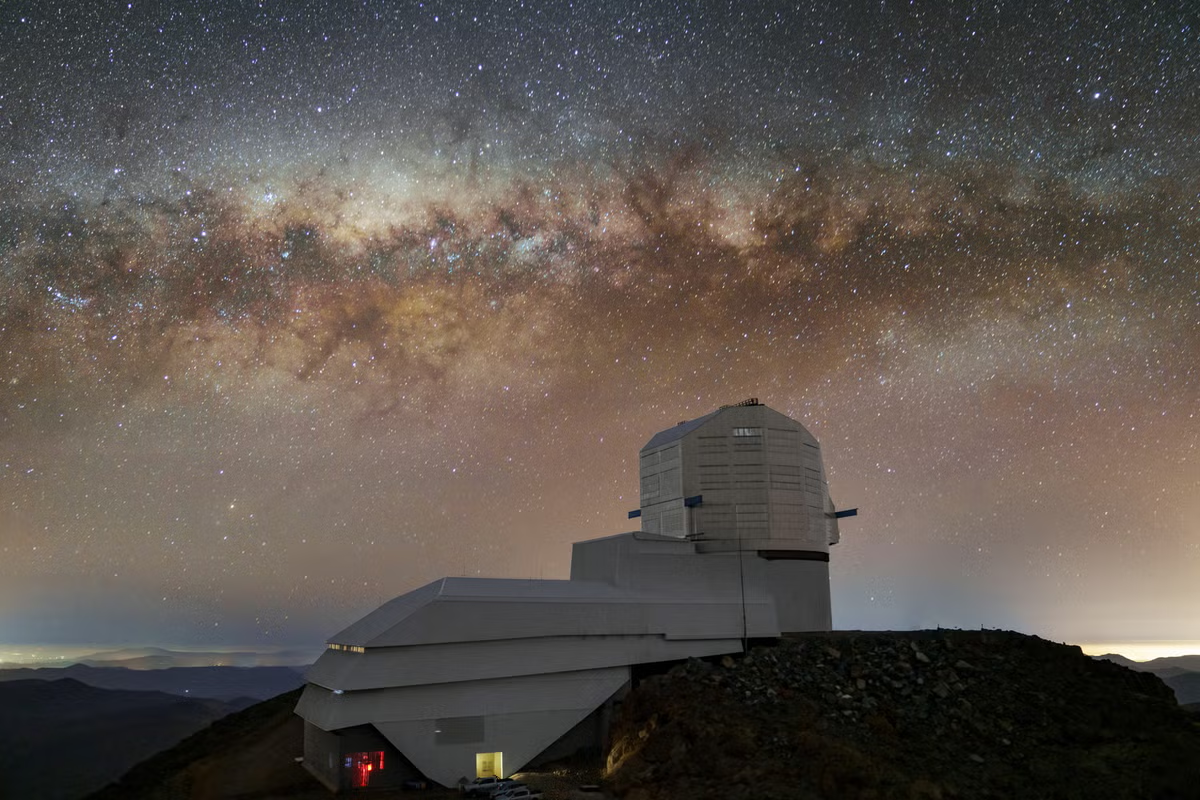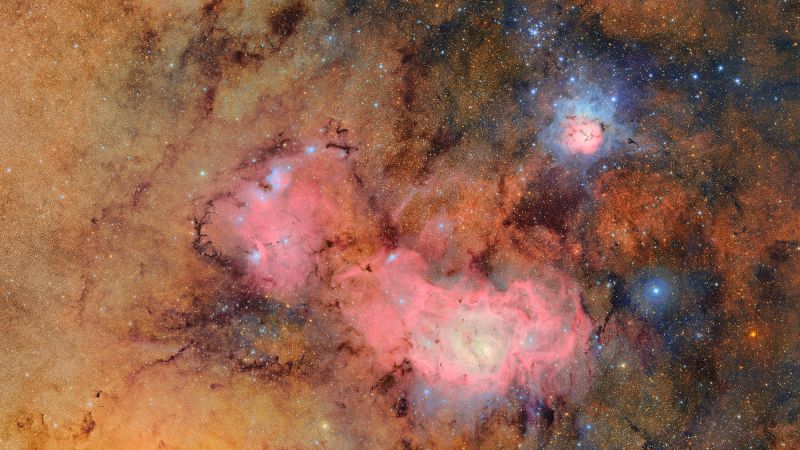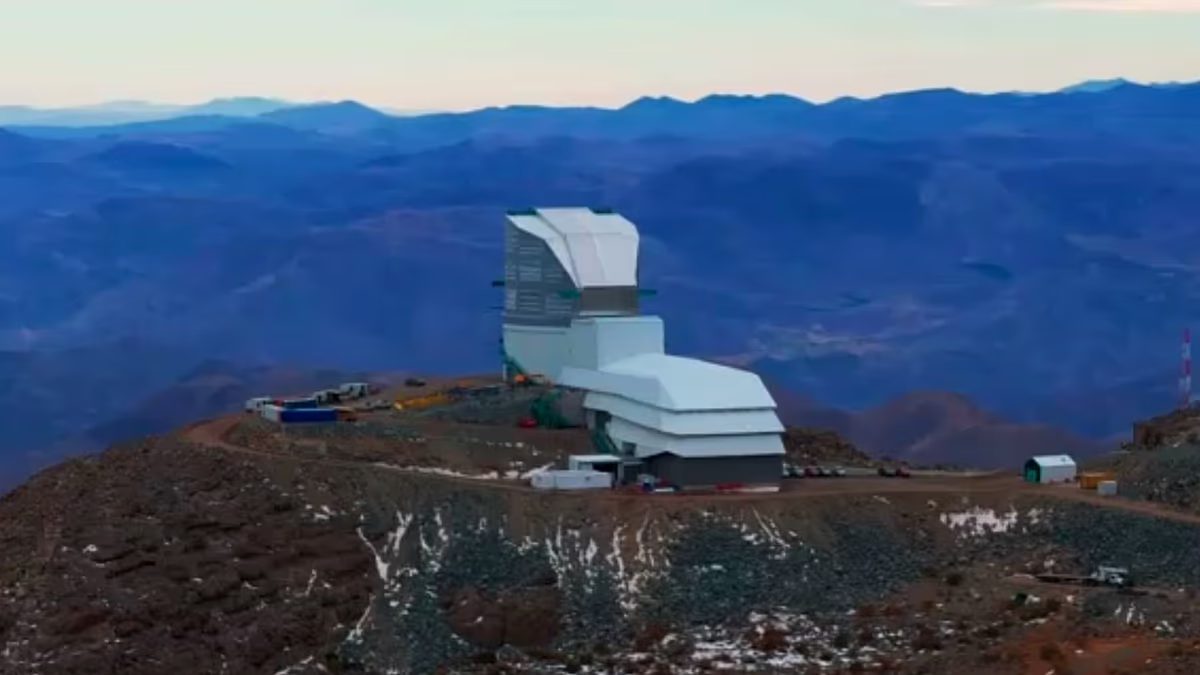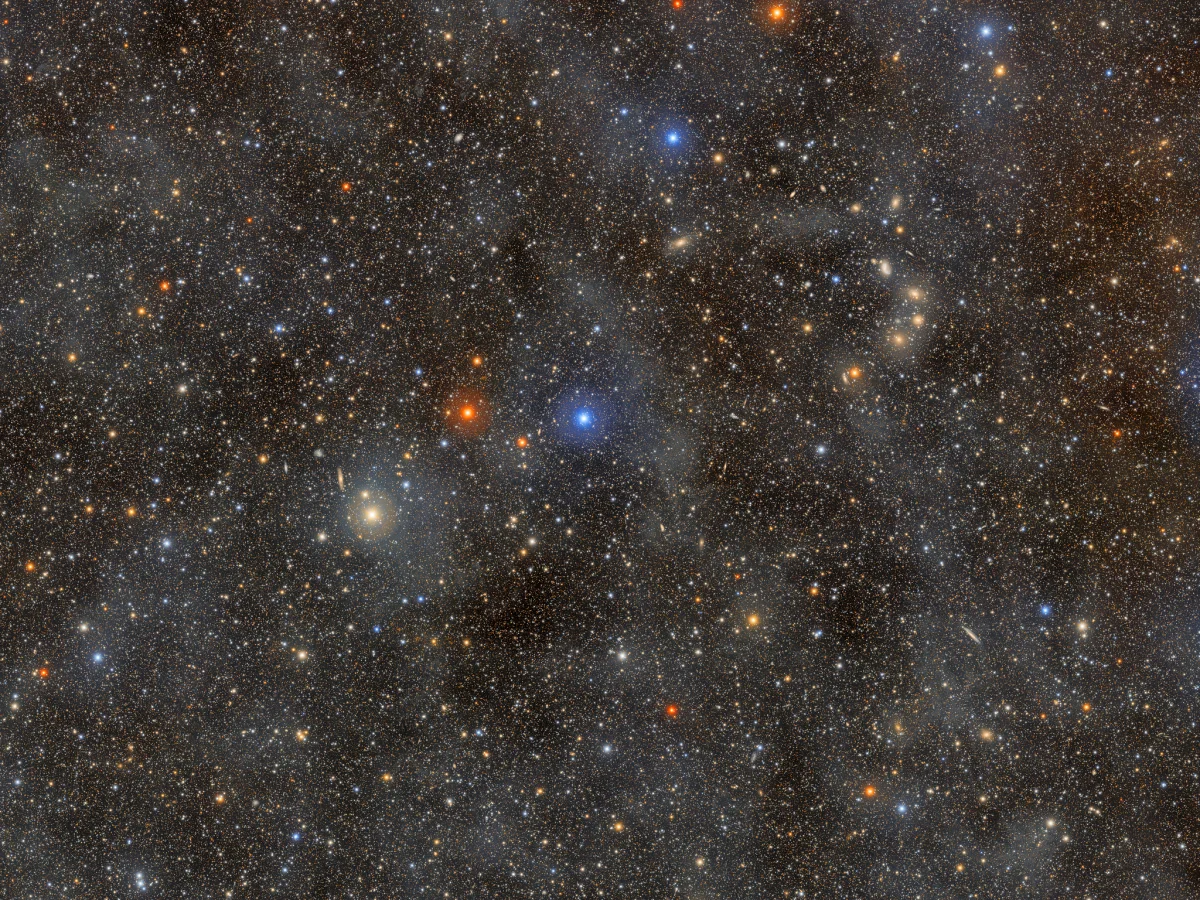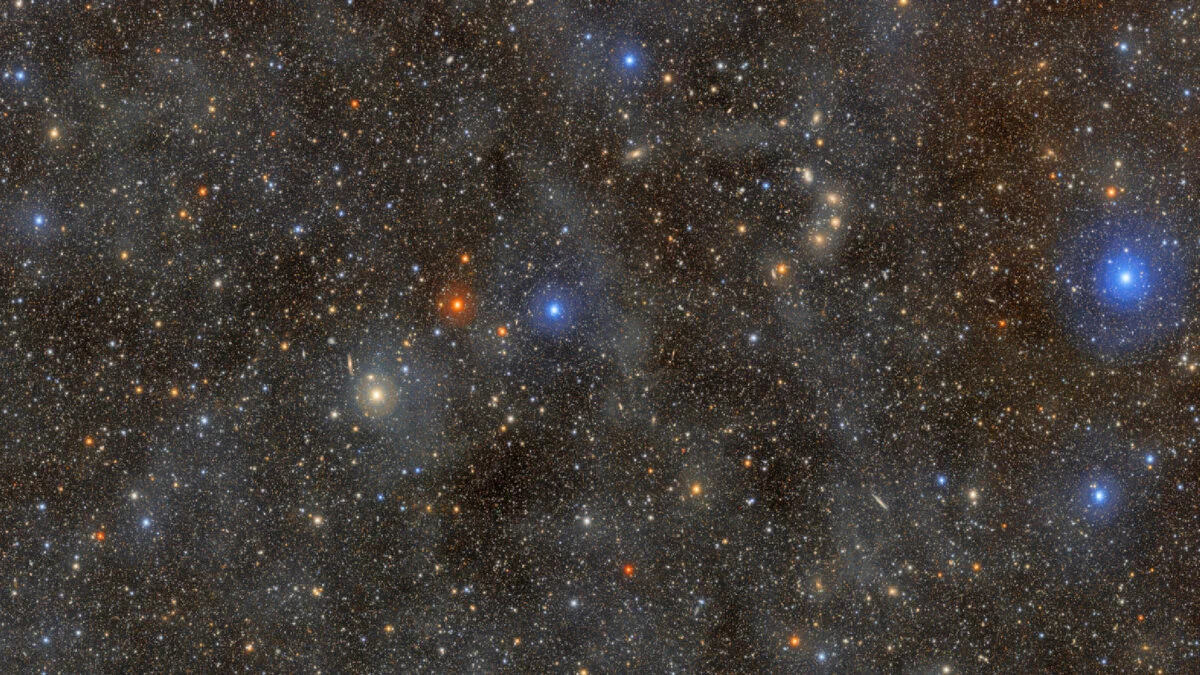
Over the next ten years, a groundbreaking facility in northern Chile will capture a full view of the southern sky every three days, allowing us to see the universe in unprecedented detail. The Vera C. Rubin Observatory officially began its Legacy Survey of Space and Time (LSST) on Tuesday, capturing hundreds of images each night to enable discoveries related to dark matter, dark energy, supernovae, and near-Earth asteroids. The decade-long cosmic survey is designed to create the most comprehensive record of the universe in history, combining Rubin’s immense field of view with depth and speed to detect extremely faint objects. The telescope, overseen by the U.S. National Science Foundation (NSF) and the Department of Energy (DOE), will use its 3,200-megapixel camera to capture the universe like never before. “Today, we begin filming the greatest cosmic movie ever made,” Brian Stone, performing the duties of NSF director, said in a statement. Window to the universe The Rubin observatory, perched atop a mountain in the Chilean Andes, is equipped with the largest digital camera ever built for astronomy and an ultra-sensitive 28-foot (8.4-meter) primary mirror.
During the 10-year-long survey, Rubin will generate a wide-field snapshot of the southern sky every few nights. With its unique three-mirror design, which includes the largest convex mirror currently in operation, Rubin will observe the cosmos on an automated schedule. Each 30-second exposure will cover an area around 45 times the size of the full Moon. Then, the LSST camera will capture wide-field images and stitch them together to create a complete view of the southern sky every three nights.