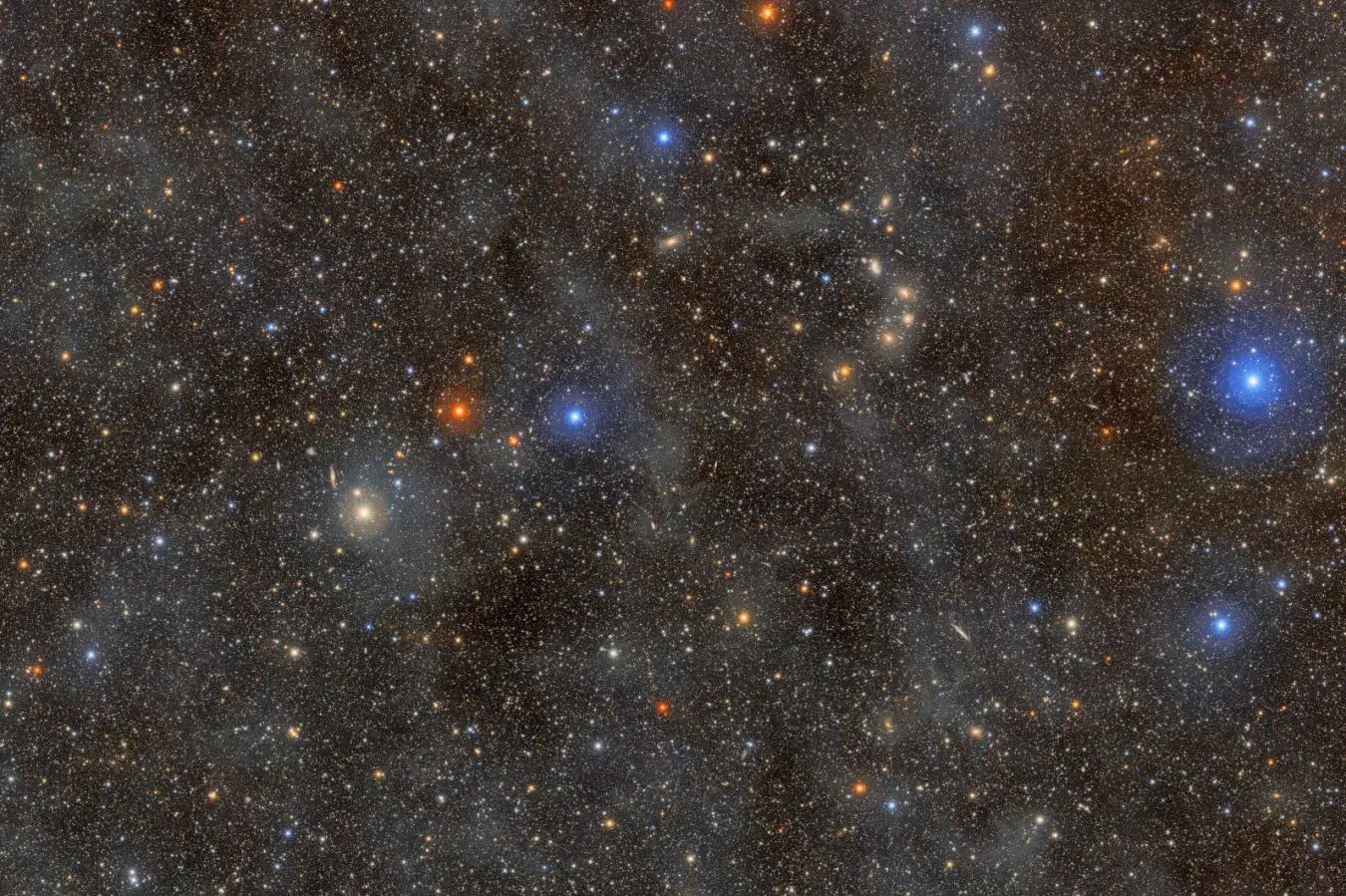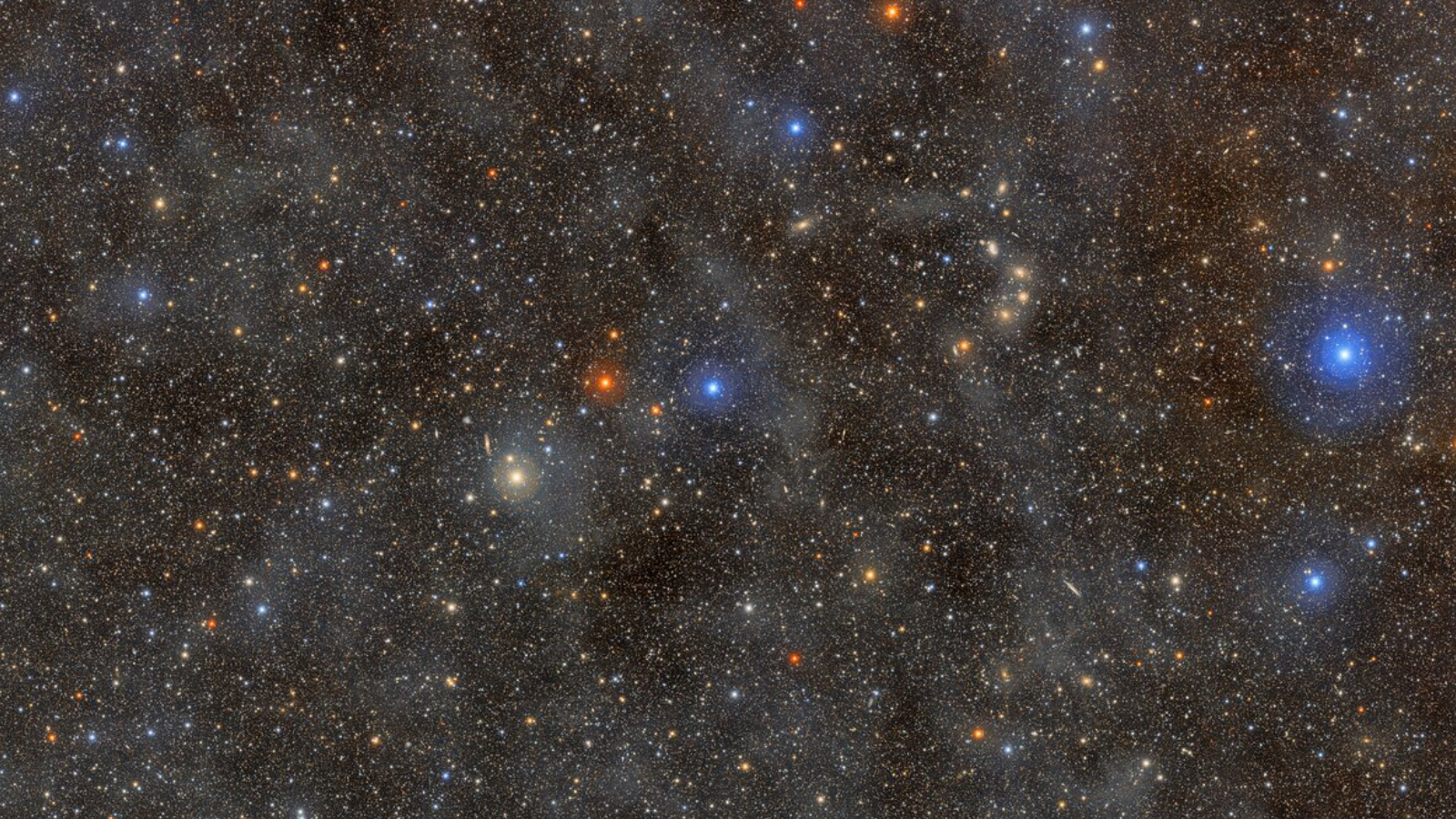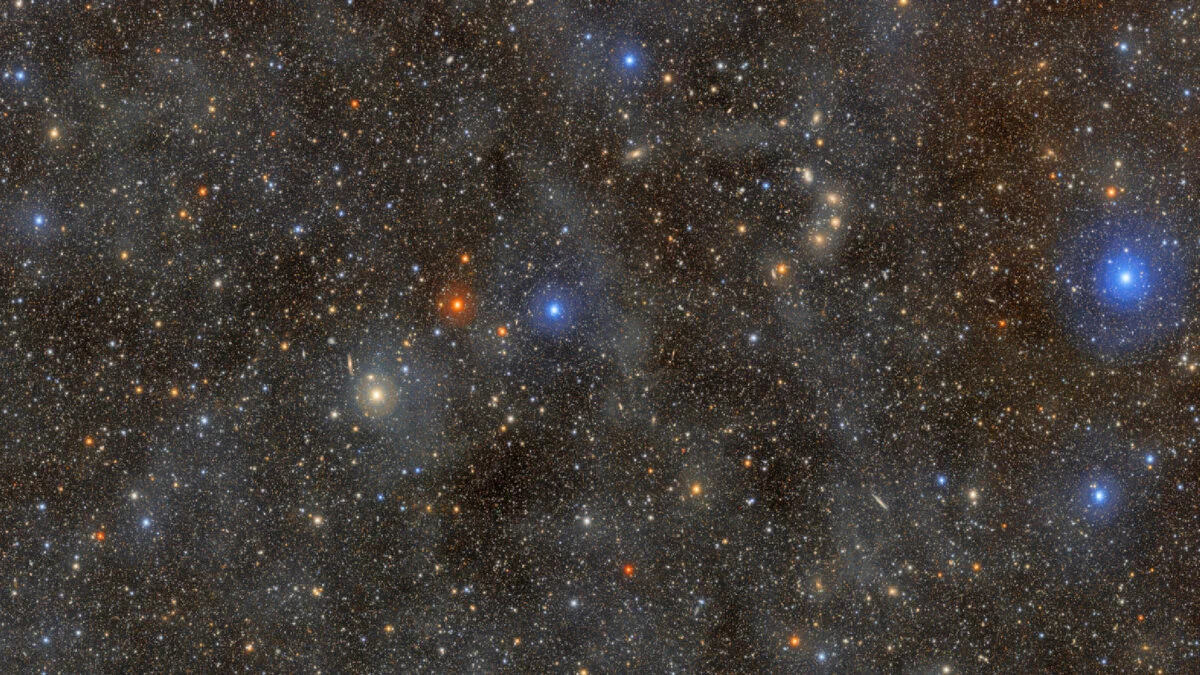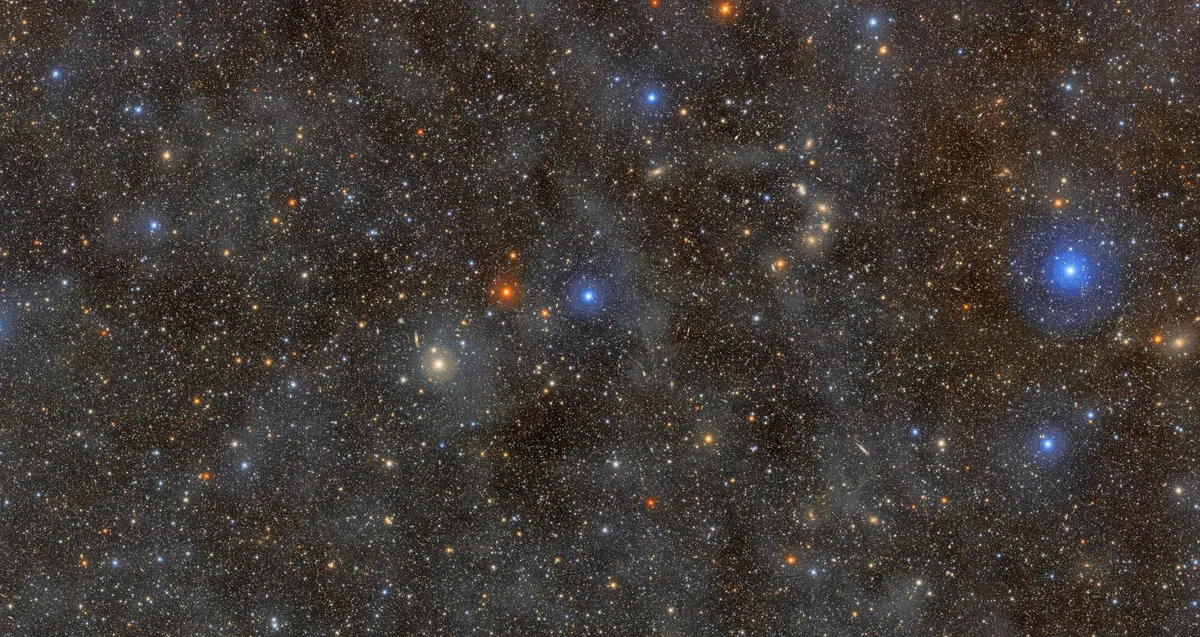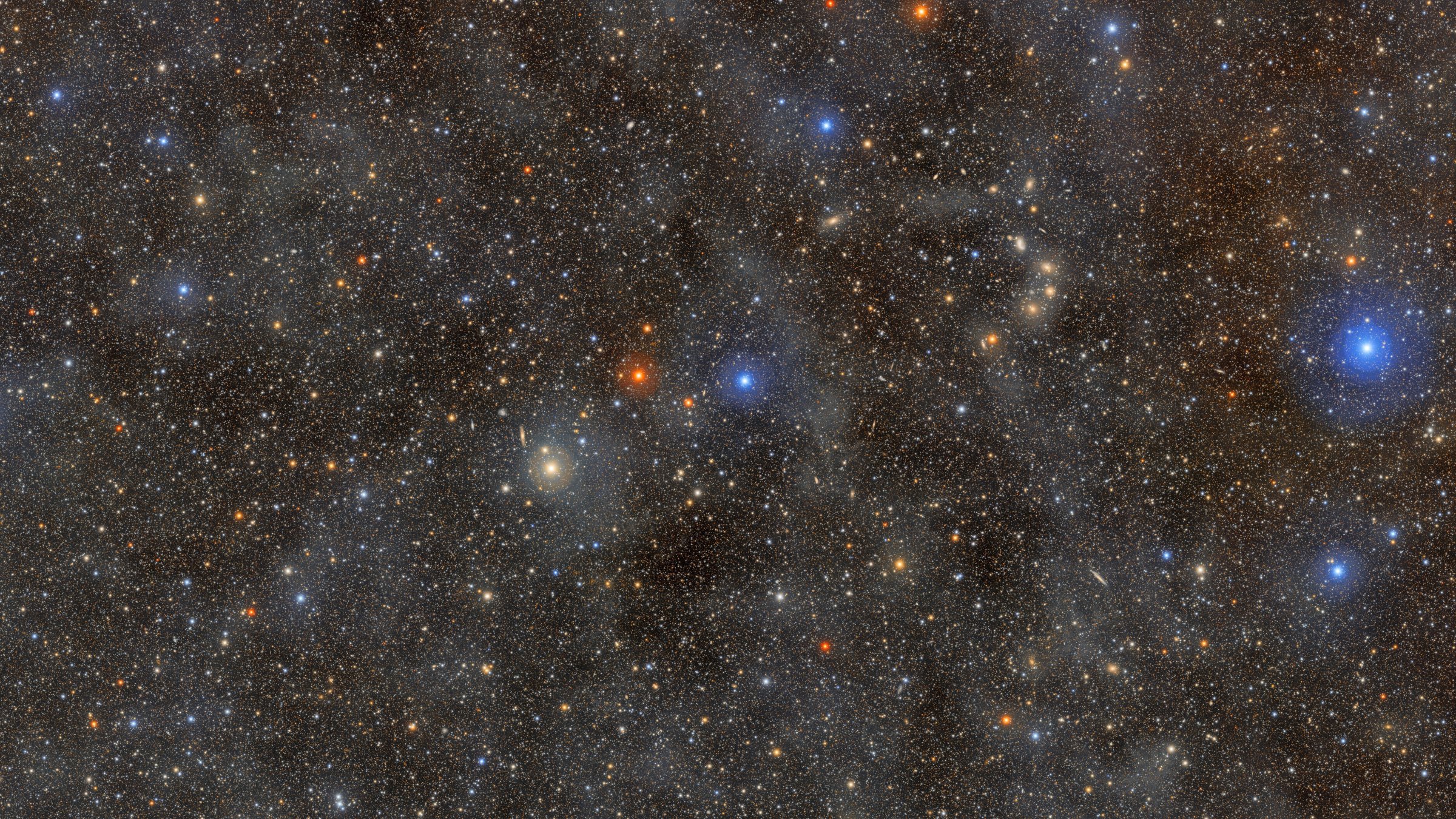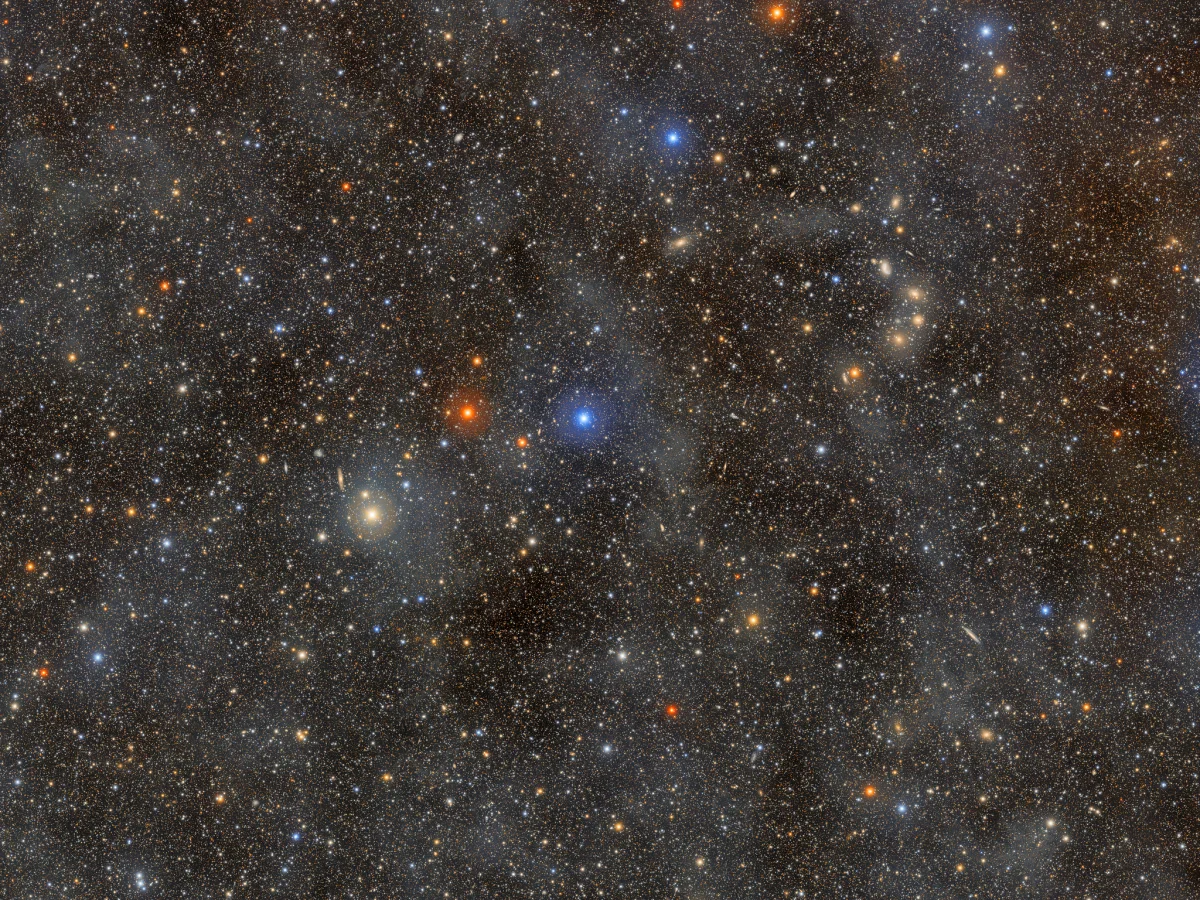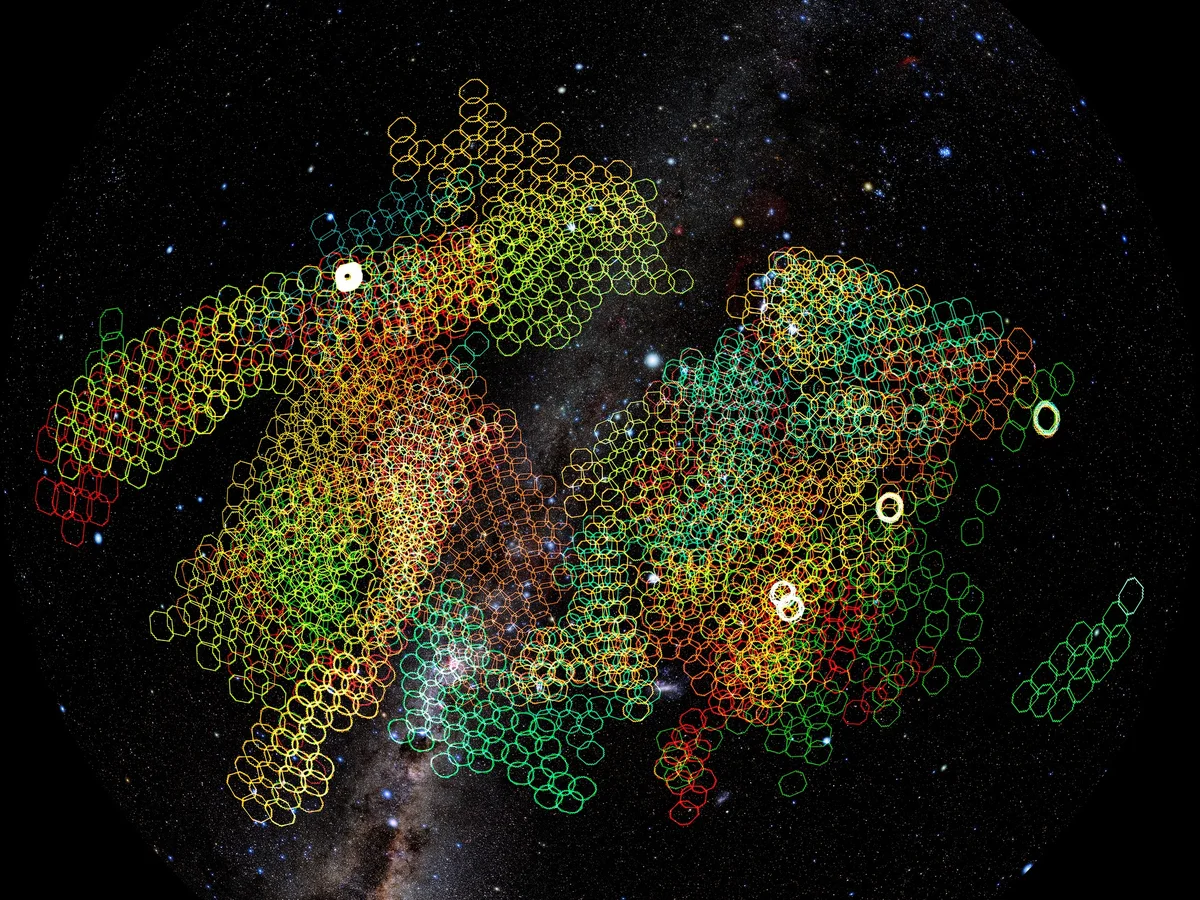
Every 40 seconds of nighttime for the next 10 years, a camera the size of a small car will capture strikingly detailed images of the southern sky, stitching together a time-lapse panorama of intergalactic evolution that could help unlock some of the universe’s lingering mysteries.
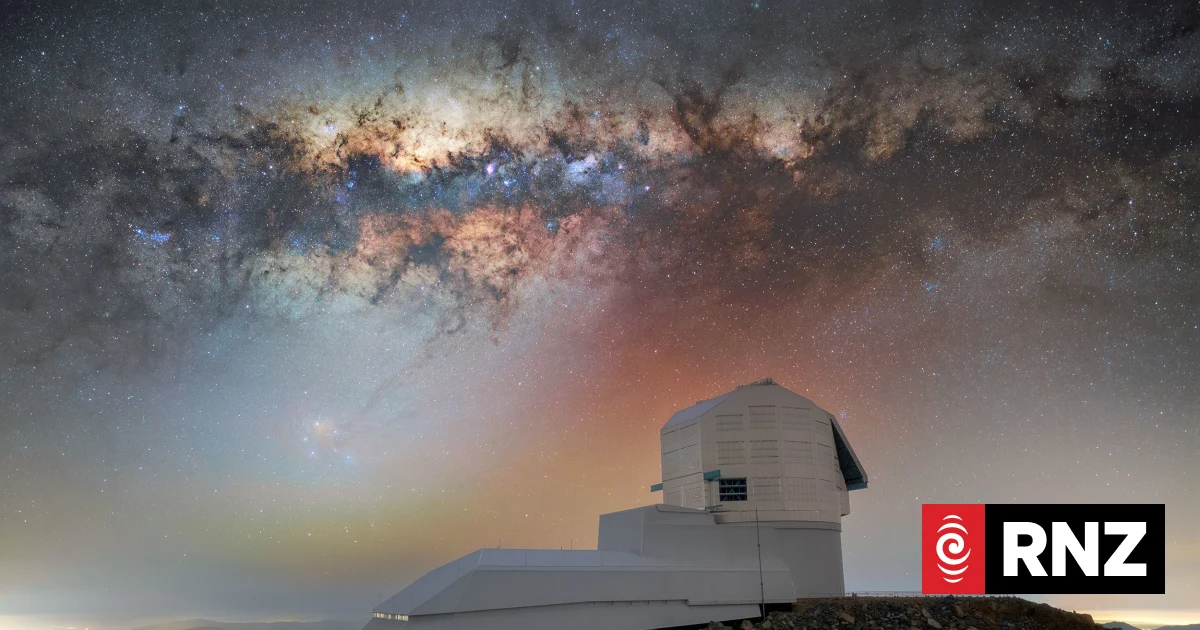
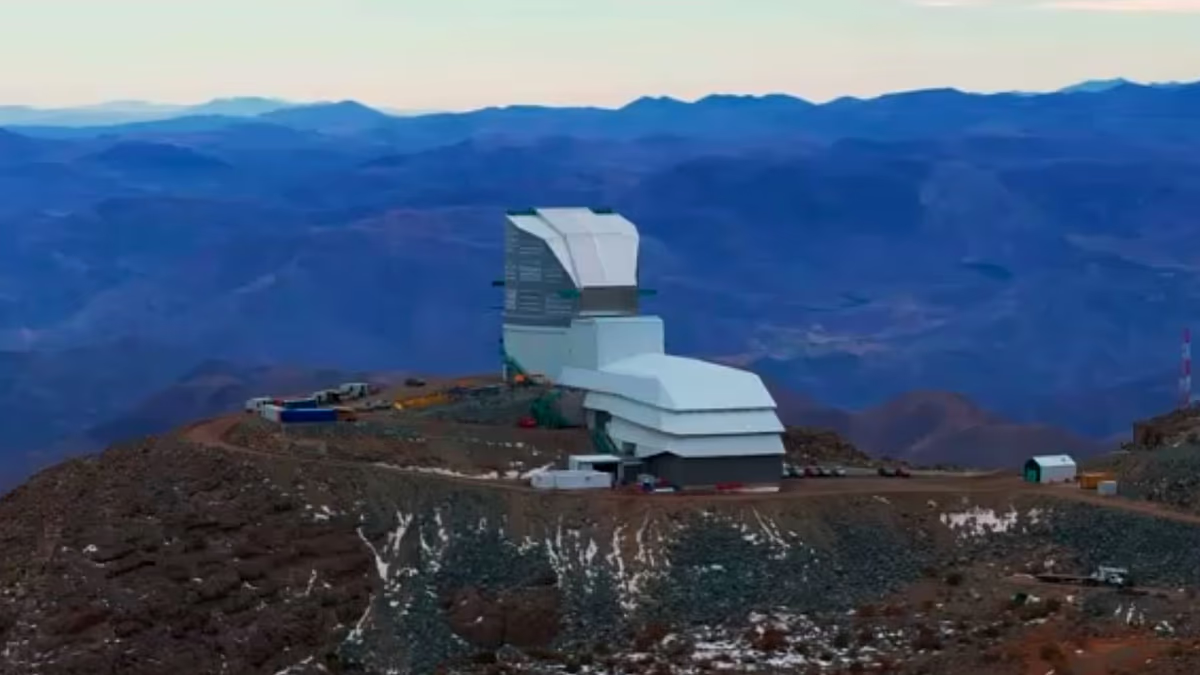
The historic effort, called the Legacy Survey of Space and Time (LSST), began on Tuesday, according to the Vera C. Rubin Observatory, the state-of-the-art facility in Chile that houses the world’s largest digital camera weighing 6,600 pounds.
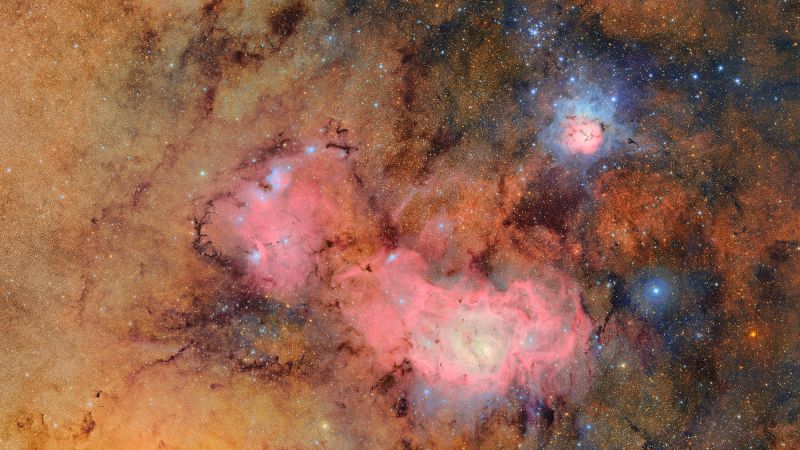
During its decade-long study, a series of colored filters will give the camera superhuman vision as it scans the sky each night and creates a living image of how celestial objects — from asteroids to supernovae — morph and move.
The “color-rich” images of exploding stars, black holes and cosmic collisions will also help direct the attention of other observatories around the world, according to a news release, allowing various institutions to work in tandem to collect wholistic observations of notable celestial events.
The project has several goals, including creating a new inventory of our solar system and the Milky Way, as well as chipping away at the mystery of dark matter by observing the distorted light of distant galaxies.