With a spectacular array of galaxies and nebulas, the ambitious telescope begins its 10-year survey of the cosmos.
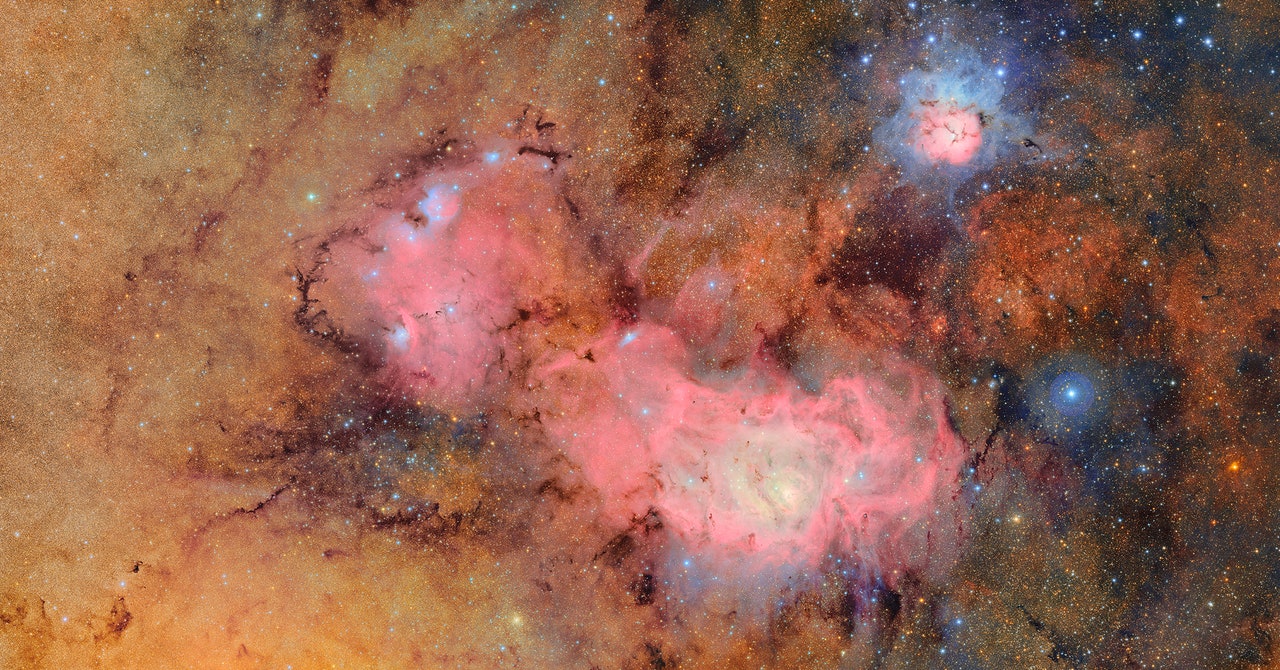
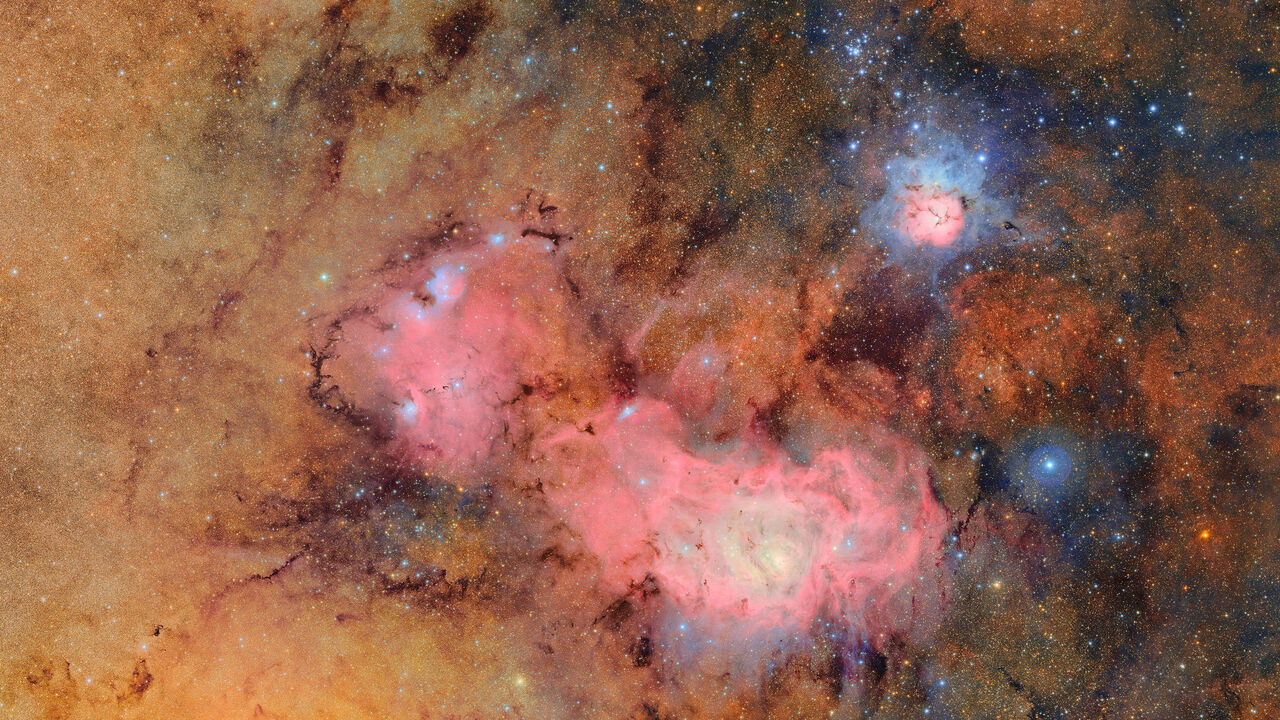
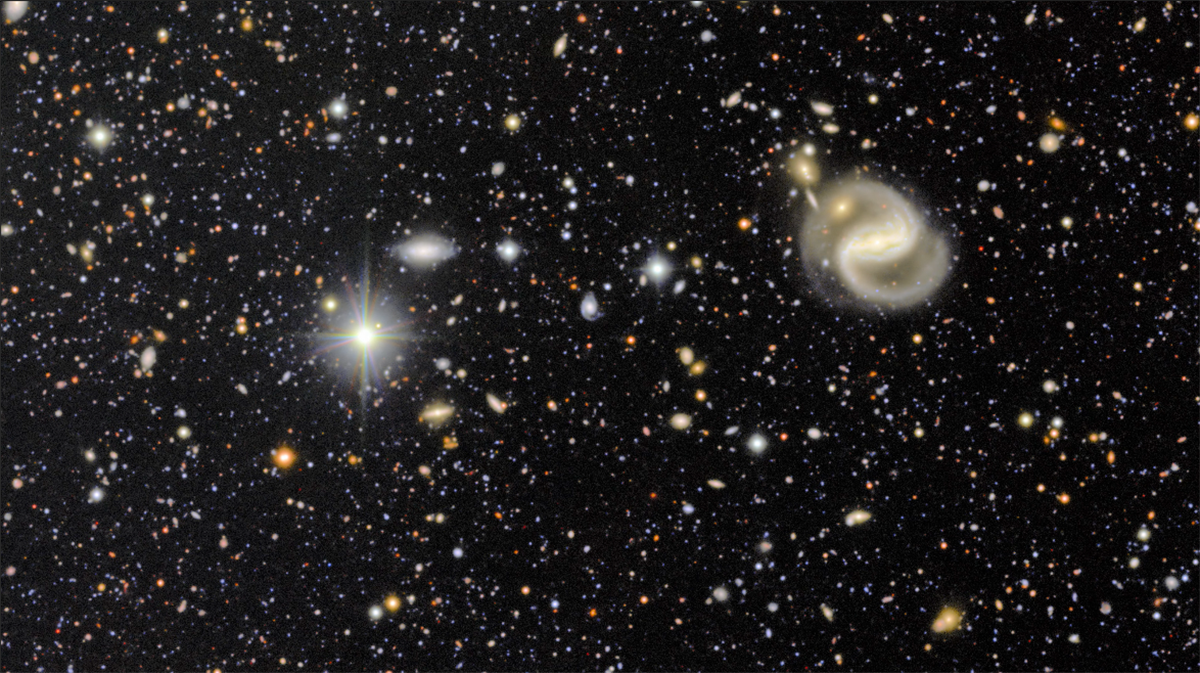
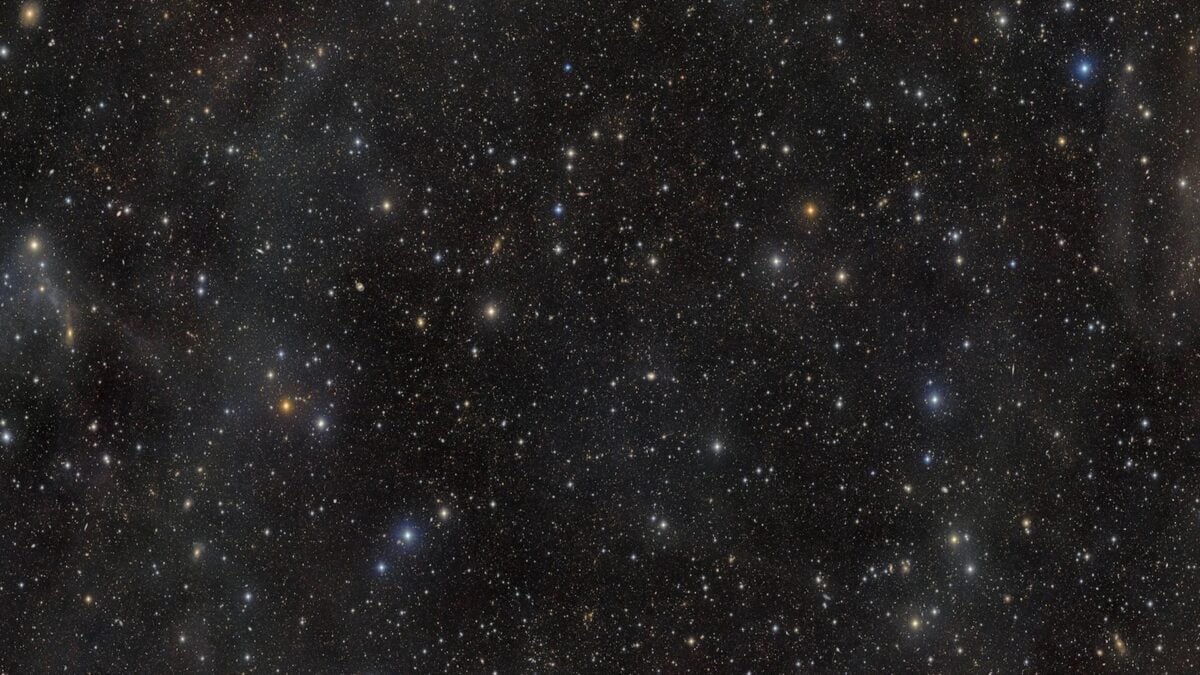
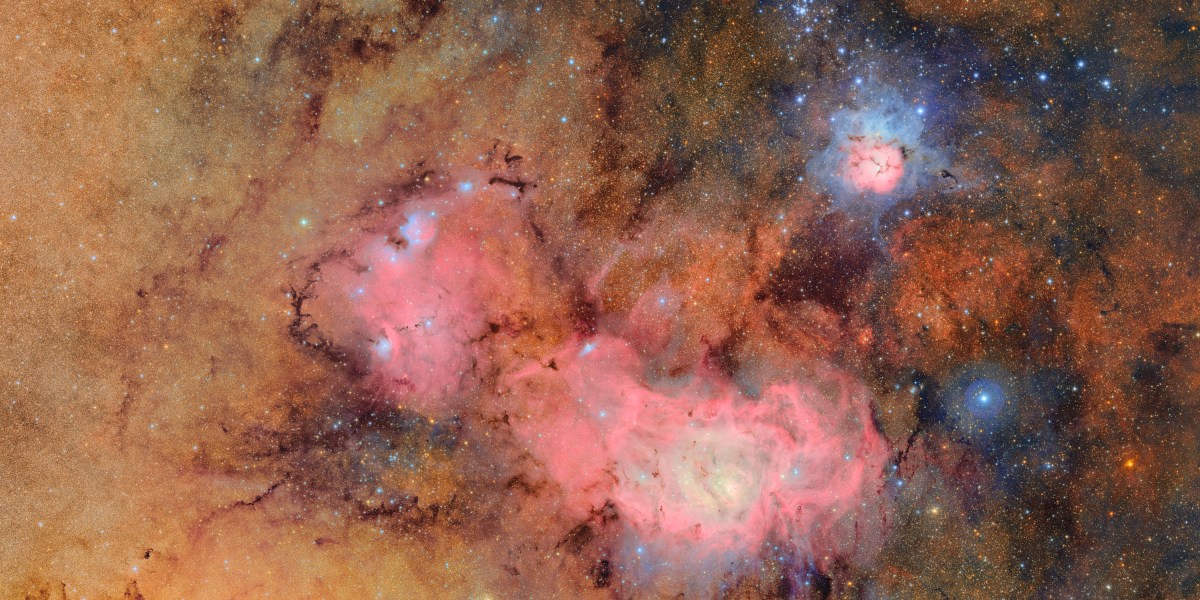
The first spectacular images taken by the Vera C. Rubin Observatory have been released for the world to peruse: a panoply of iridescent galaxies and shimmering nebulas. “This is the dawn of the Rubin Observatory,” says Meg Schwamb, a planetary scientist and astronomer at Queen’s University Belfast in Northern Ireland.
Much has been written about the observatory’s grand promise: to revolutionize our understanding of the cosmos by revealing a once-hidden population of far-flung galaxies, erupting stars, interstellar objects, and elusive planets. And thanks to its unparalleled technical prowess, few doubted its ability to make good on that. But over the past decade, during its lengthy construction period, “everything’s been in the abstract,” says Schwamb.
Today, that promise has become a staggeringly beautiful reality.
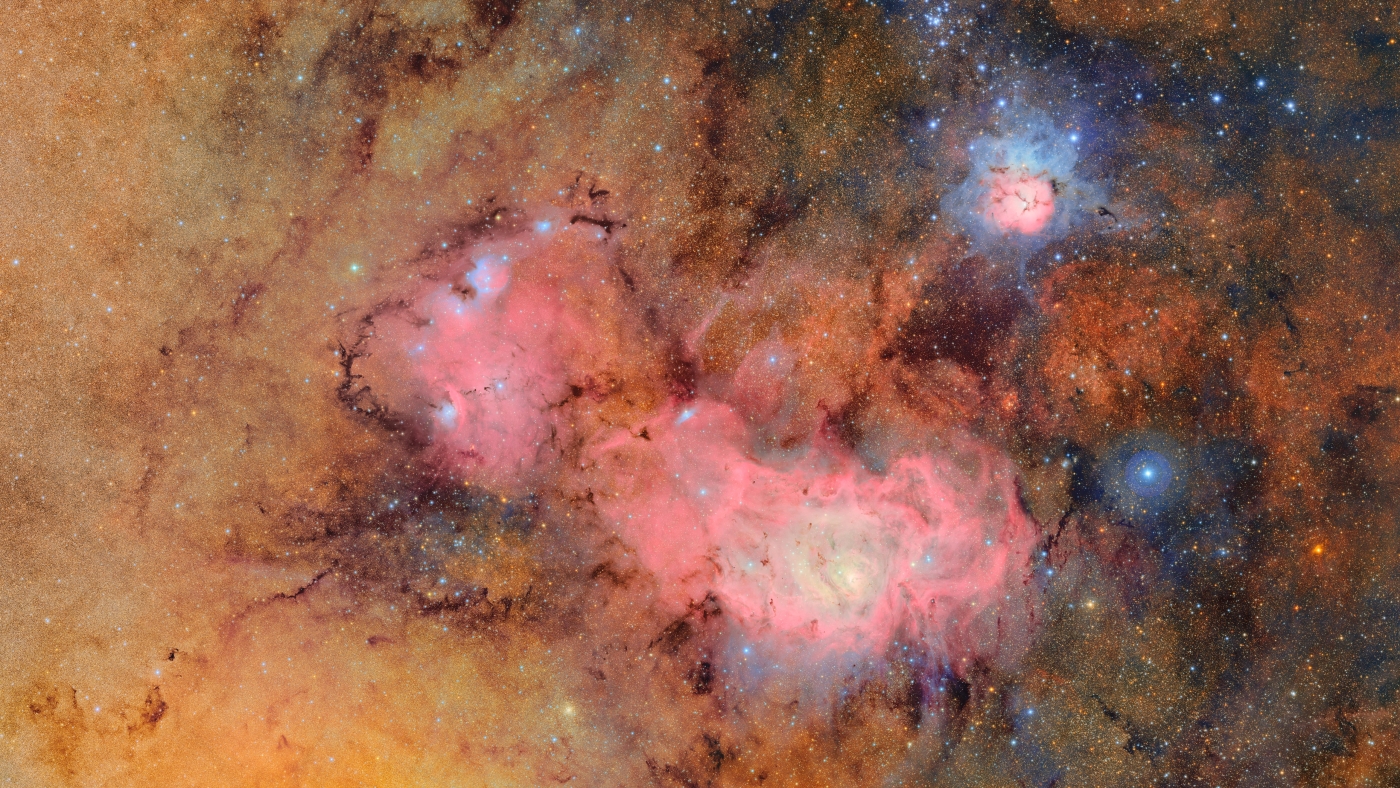
Rubin’s view of the universe is unlike any that preceded it—an expansive vision of the night sky replete with detail, including hazy envelopes of matter coursing around galaxies and star-paved bridges arching between them. “These images are truly stunning,” says Pedro Bernardinelli, an astronomer at the University of Washington.