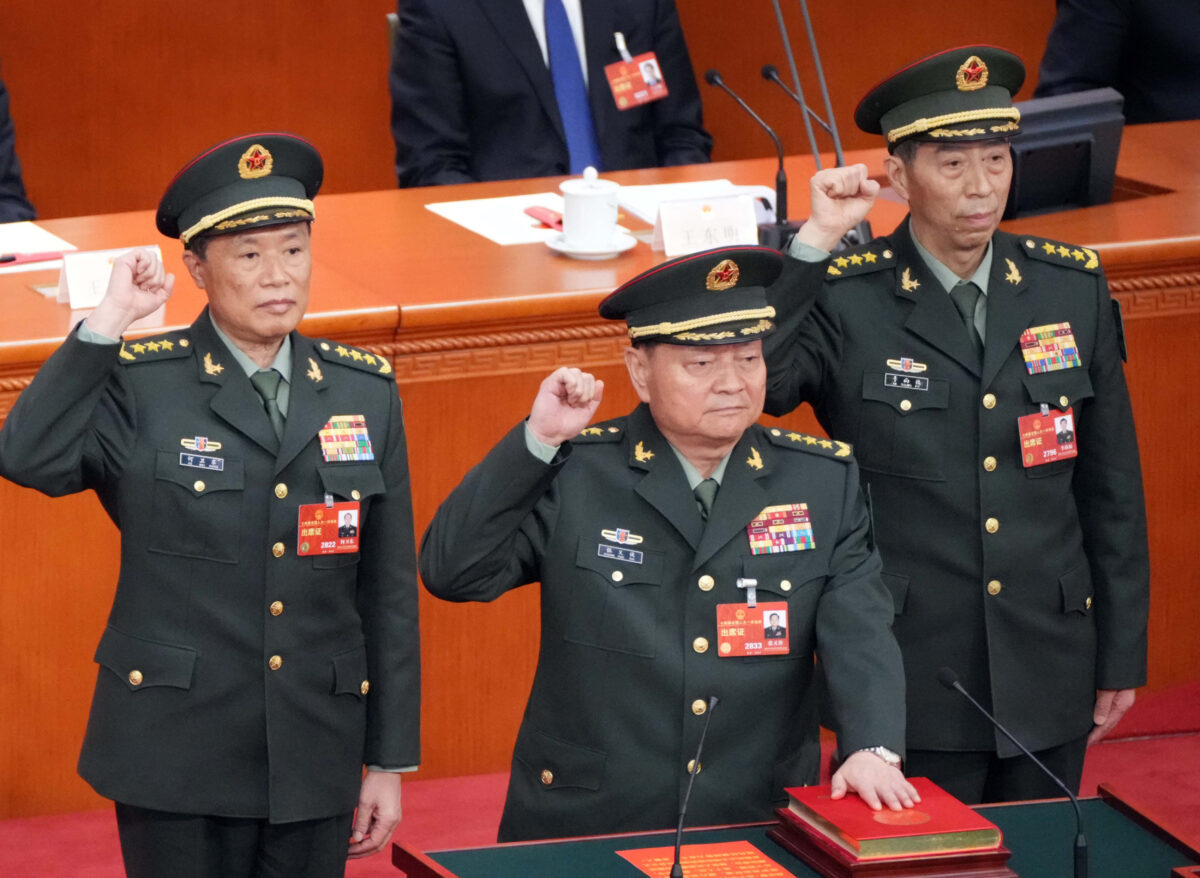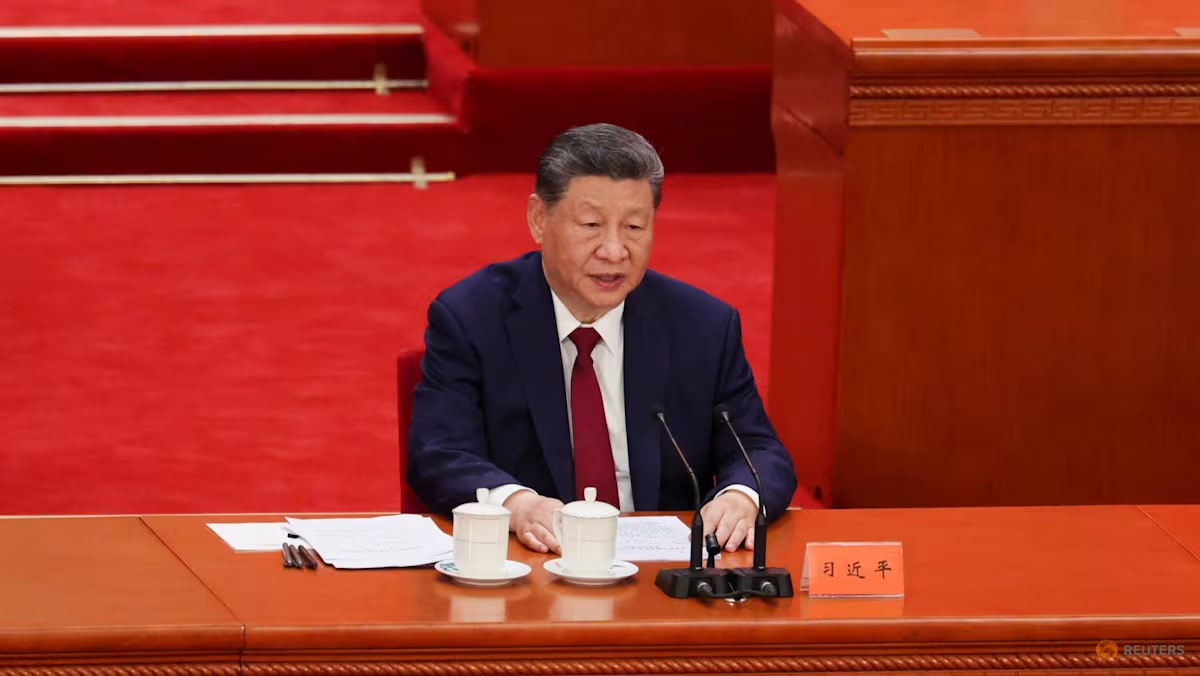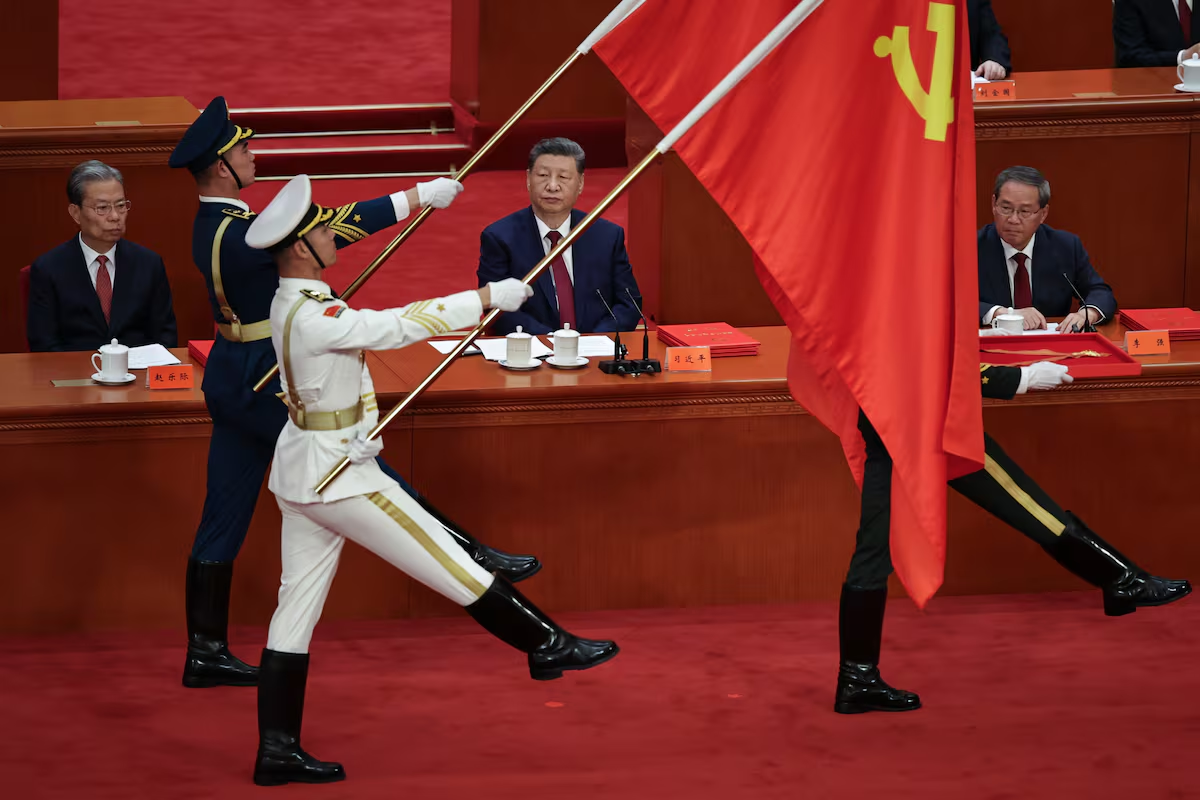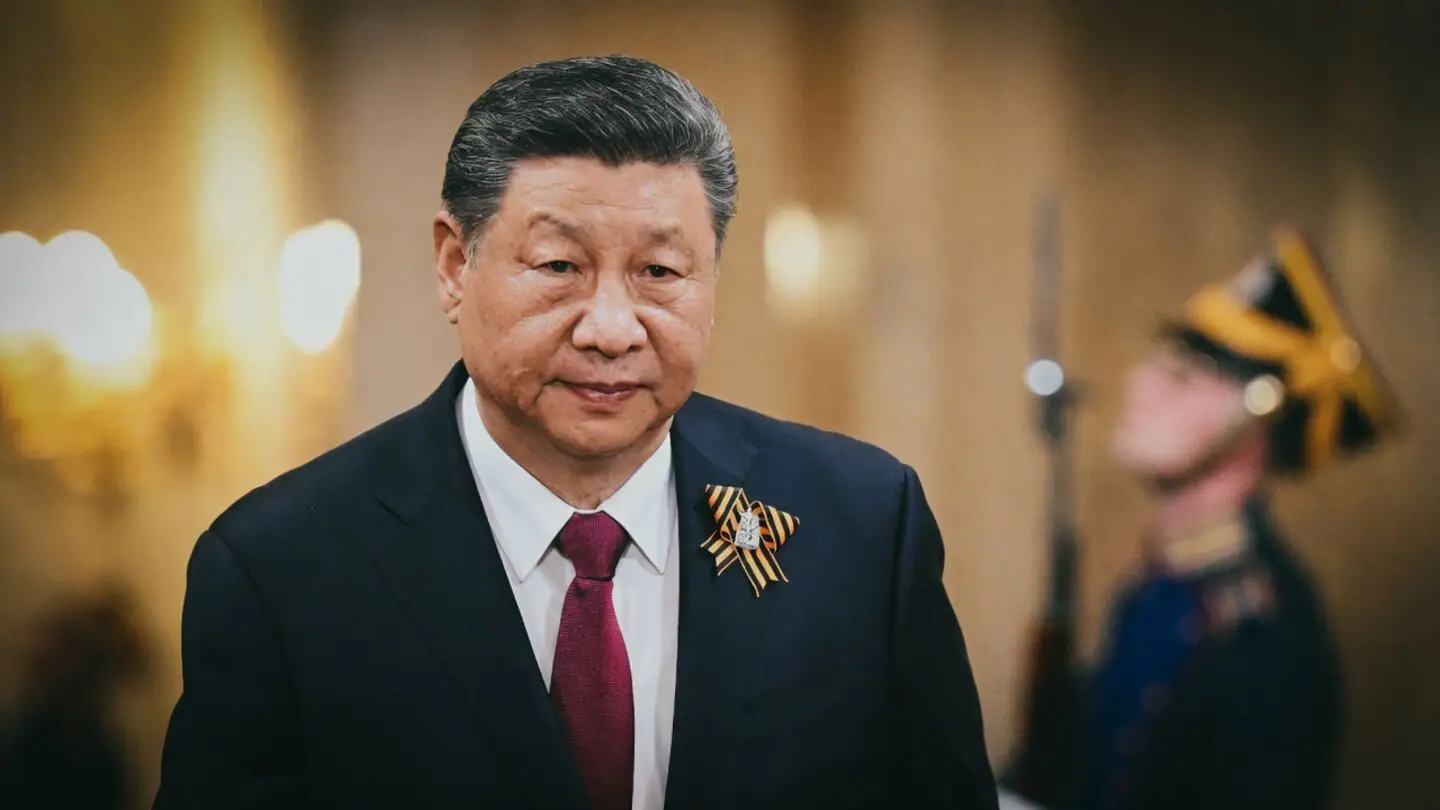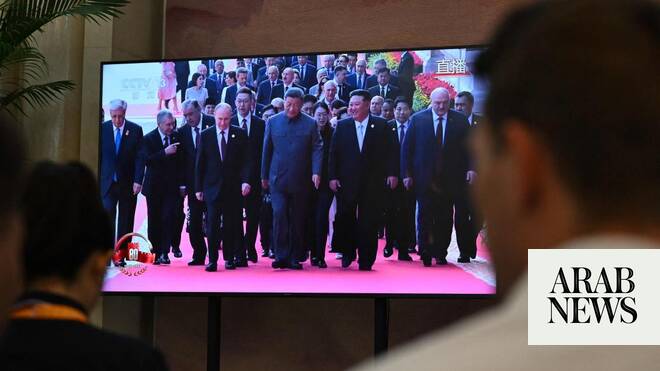
On September 3, 2025, Xi Jinping held a military parade in Tiananmen Square to mark the 80th anniversary of China’s victory over Japan in World War II. The display was deliberate in every detail, from the advanced weapons systems to the leaders of multiple authoritarian states in attendance, Russia and North Korea among them. The scale of the parade was rare, even for Xi. It was a signal of authority to the military, a performance of legitimacy for the public. But it was not his only weapon.
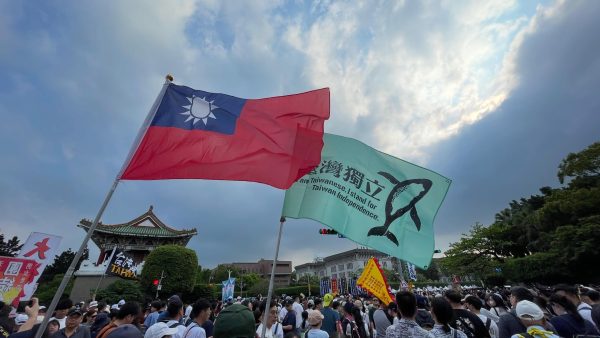
A week after the parade, the Standing Committee of the National People’s Congress began deliberating the “Law of the People’s Republic of China [PRC] on the Promotion of Ethnic Unity.” The law treats Taiwanese people as citizens of the PRC. Article 21 mandates that the Chinese Communist Party work to “strengthen the sense of belonging, identification, and honor of Taiwan compatriots toward the Chinese nation,” to “promote the joint inheritance and promotion of Chinese culture by compatriots on both sides of the strait,” and to deepen the recognition that both sides “belong to Chinese culture” and are both “Chinese people.”
The law includes a reporting mechanism: any individual can be reported and prosecuted. Any Taiwanese person who does not identify as Chinese is, under its terms, committing a crime subject to criminal liability.