(Image credit: Shutterstock)
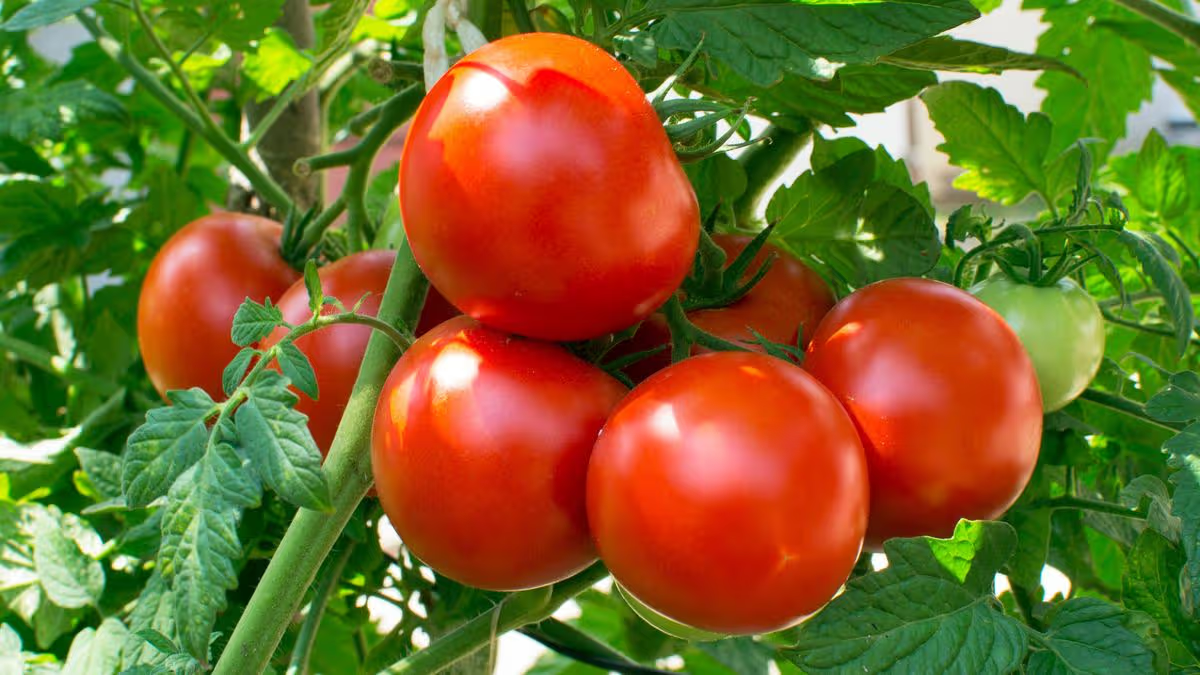
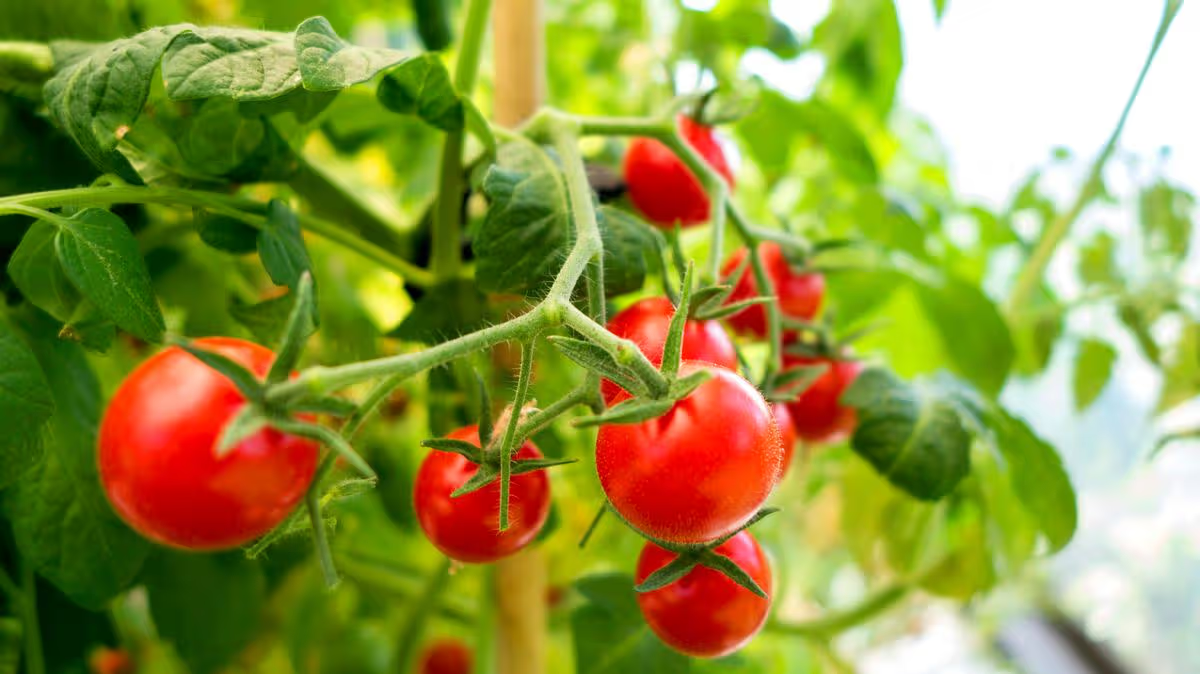
I've been having trouble with my tomatoes. As part of my grow-it-yourself mission this year, I planted a variety of vegetables in spring that I was hoping I'd be harvesting by now for some delicious summer salads. Unfortunately, my garden has had other plans. Despite taking top tips from an Italian farmer and I've even adopting a 3-step pruning system, I'm still always on the lookout for more ways to help my tomatoes grow.And I've recently stumbled upon a cheap and potentially genius gardening hack that could be my answer to high-yield and hopefully ripe tomatoes. It turns out all I need is to keep the simple kitchen scrap that I've been throwing away for years – fish scraps.Here's what happened when I gave it a try.How does it work?TikTok creator, @selfsufficientme (also known as Mark Valencia) shares his gardening tips to over 230k followers and it's one of his most popular videos of all time with 3 million views and counting that I found particularly interesting – using fish scraps for great tomatoes.In the video above, Mark carries out an experiment where he buries fish scraps in the soil alongside his tomato plants and then plants a section with no fish scraps to see the difference as they grow. For this, he used two fish heads and no other fertilizer for one and nothing at all for the other. He then pruned and watered the plants the same to see how they'd fare.While he noticed that the no fish heads tomato plant was growing better to begin with, as well as having the first ripe tomatoes, it quickly changed. He says once they both produced tomatoes: "It was noticeable that the fish head tomatoes were also producing more fruit. After the five to six month mark in October, there was a considerable difference beginning to show between the two plants."The ones with the fish head were still growing strong with much better fruit and foliage growth than the ones without the fish head which were pale, dying back and had practically stopped producing new tomatoes."Get instant access to breaking news, the hottest reviews, great deals and helpful tips.The fish works as a fertilizer around the tomato plants roots and as it decomposes, it releases nutrients like phosphorus and potassium that the tomato plant can thrive on. While I thought it was strange that I'd never heard of it before, I figured it was time for me to give it a go.Here's what happened when I tried it