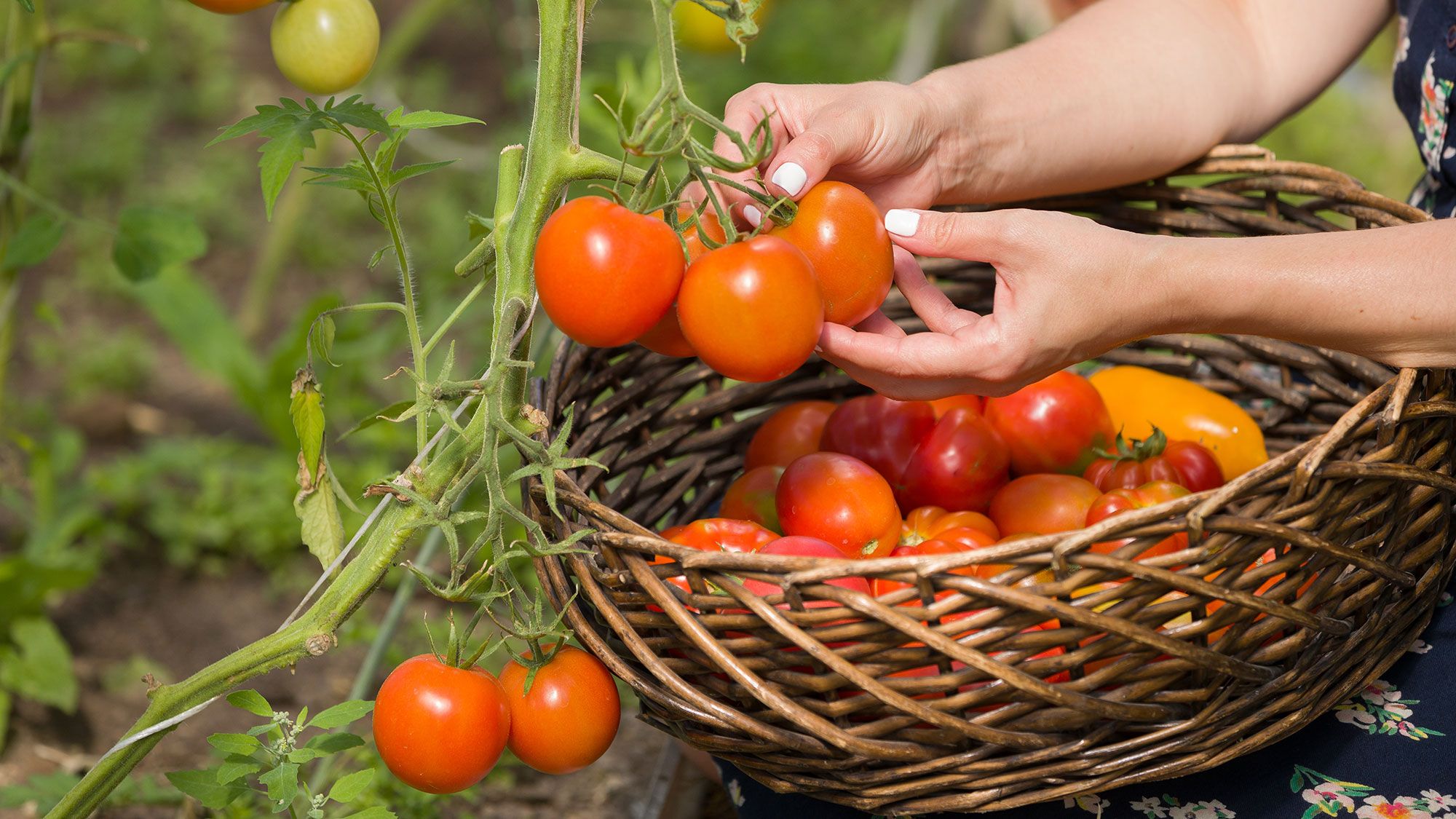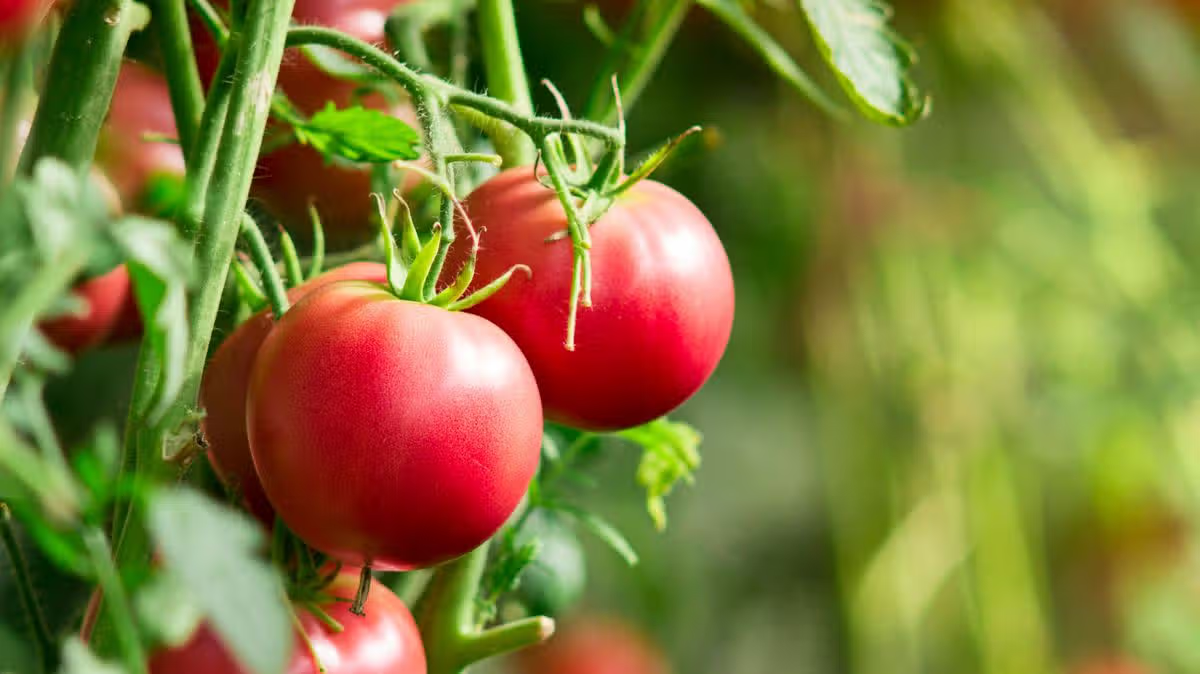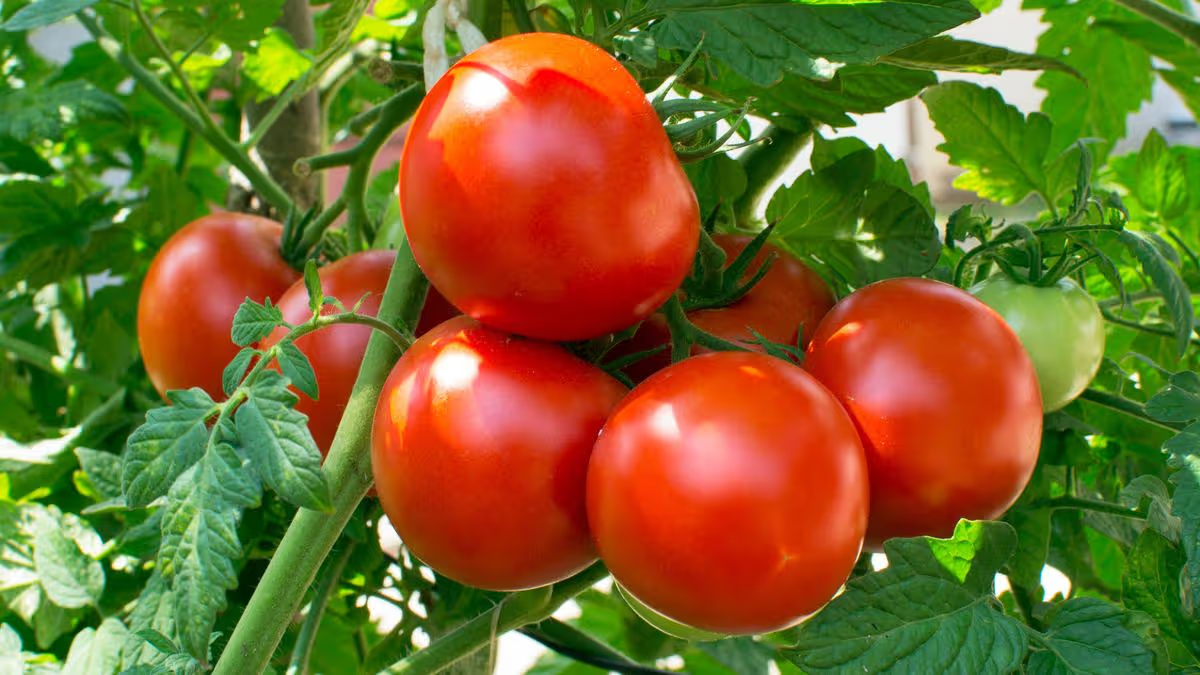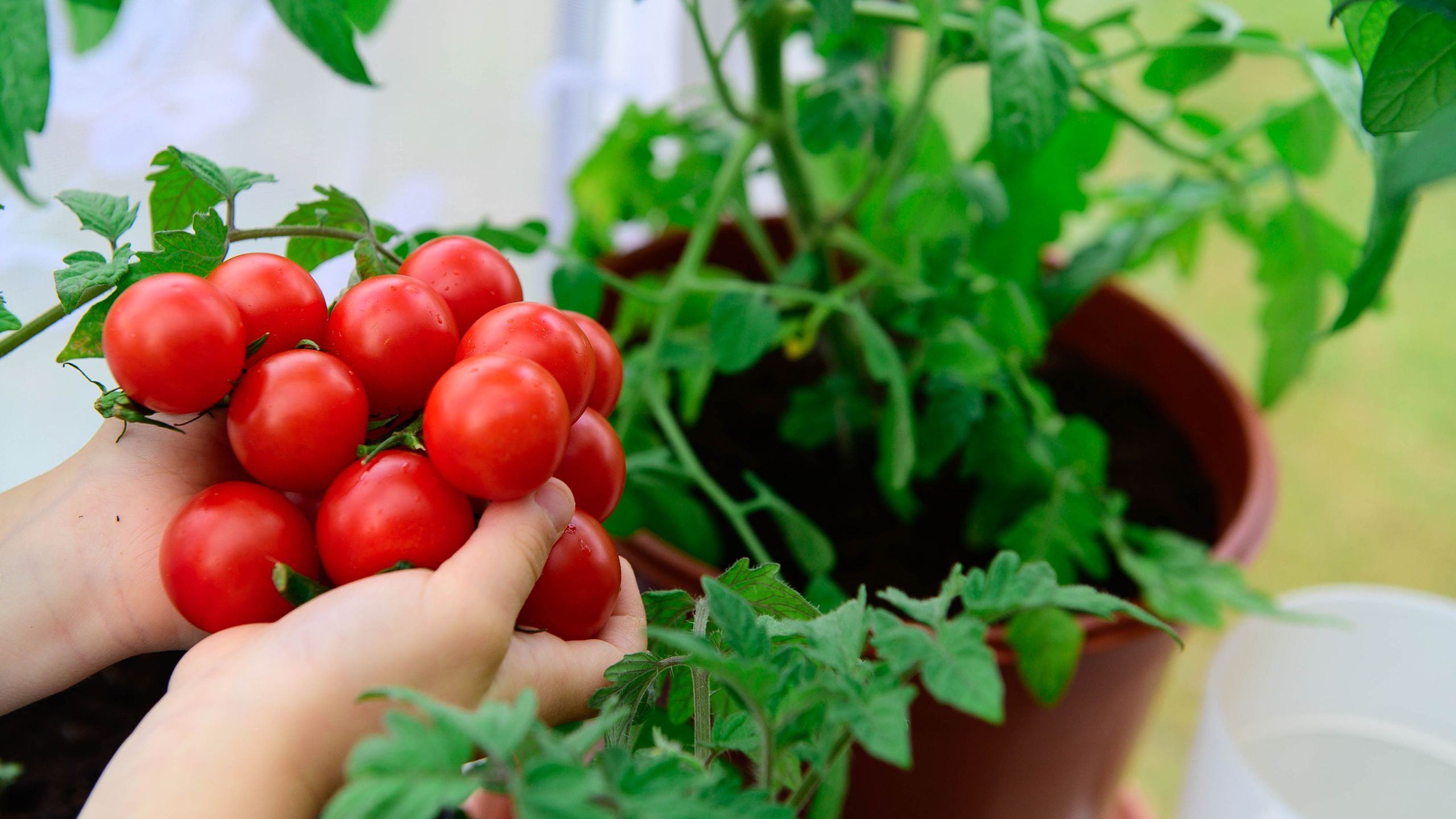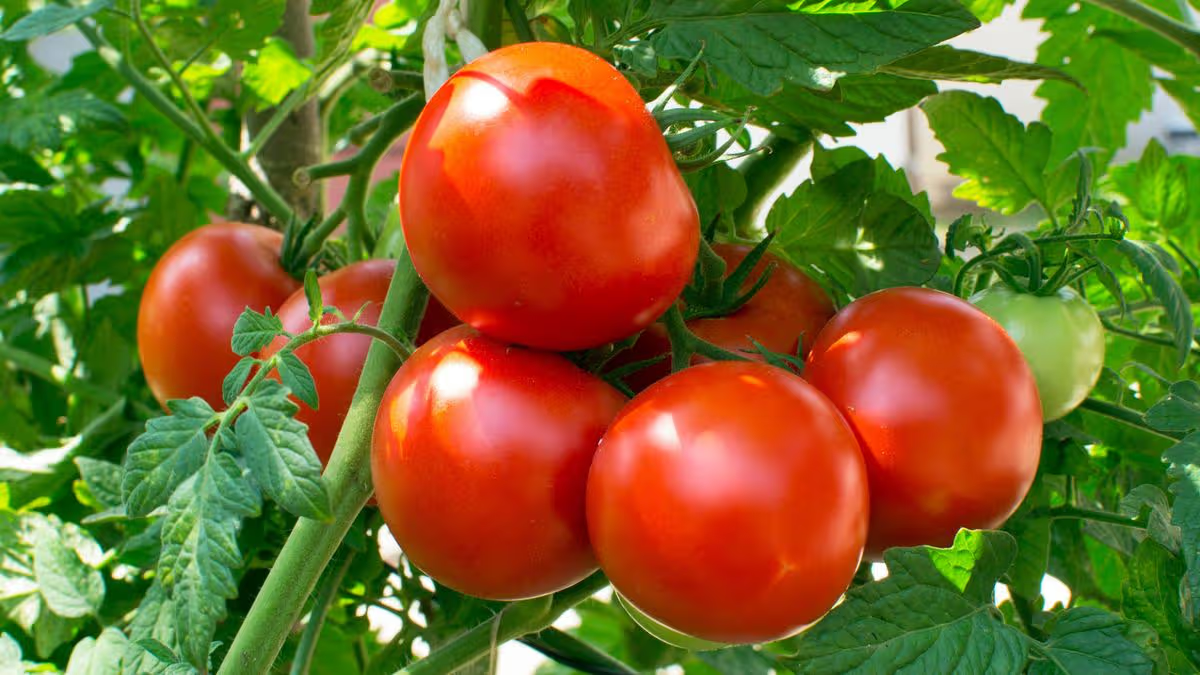
Gardening experts say a common bathroom cabinet staple may help fix tomato plant magnesium deficiency and boosting growth13:29, 02 Jul 2026Growing tomatoes successfully one year is often enough to convince any gardener that achieving the same results next time will be just as easy. Yet tomatoes remain highly susceptible to numerous troublesome pests, from aphids and leafminers to mealybugs, caterpillars, plant bugs and spider mites.Plant ailments like blight and leaf spot are also common headaches for gardeners, but one problem that often flies under the radar is nutrient deficiency. Even the most dedicated growers can be left scratching their heads when previously thriving tomato plants start to deteriorate.Leaves turn yellow, fruit develops patches, and growth becomes stunted – and no matter what you try, the plants just won't bounce back. Gardening specialists reckon the answer might already be sitting in your bathroom cabinet.While it's standard practice to apply a potassium-rich tomato feed when plants are flowering and fruiting, magnesium often gets overlooked. The Royal Horticultural Society explains that magnesium is essential for chlorophyll production. When levels drop too low, photosynthesis slows dramatically and plant health suffers, reports the Express.Andrew Koehn, horticulturist at Scribner's Catskill Lodge in Hunter, New York, points out that Epsom salts can be an effective remedy if magnesium deficiency is genuinely the culprit, though they need to be applied carefully. He explained to Martha Stewart: "Magnesium deficiency usually appears as leaves with bright green ribs and veins and otherwise discoloured areas of yellow, red, or brown."The gardening expert continued: "Magnesium is the center of the chlorophyll molecule, so it's crucial for good green colour in leaves and therefore good for overall plant health."Left untreated, a lack of magnesium can stunt plant development, leading to a disappointing tomato harvest.To confirm whether your plants are lacking magnesium, a simple soil test with a home kit should provide the answer. The telltale signs on the plant itself include yellowing between leaf veins on older foliage, sometimes with reddish-brown tinges appearing.These older leaves may also show brown spots before falling off earlier than they should. The good news is you can fix this issue immediately by giving your tomatoes Epsom salts monthly during the growing period.Epsom salt, or magnesium sulphate as it's scientifically known, is a natural mineral made up of magnesium, sulphur and oxygen. Mix one tablespoon of Epsom salts into a gallon (just under four litres) of water and pour around the plant's base.Article continues belowAs an alternative, you can dissolve one tablespoon of Epsom salts in a gallon of water and spray directly onto the foliage for quicker uptake. It's important to remember that a magnesium deficiency doesn't necessarily mean there's an actual lack of magnesium in the soil.High potassium levels from fertilisers can block magnesium uptake, making it crucial to get the balance right. Epsom salt works best as a supplement rather than a miracle solution, so use it cautiously. Keep an eye on your plants following application and discontinue use if there's no visible improvement.Andrew said: "Applying Epsom salt or additional magnesium when your plants don't need it may stunt plant growth and turn them too green, which is not good for plant health overall."
Tomato plants could grow bigger and juicier with simple bathroom item
Gardening experts say a common bathroom cabinet staple may help fix tomato plant magnesium deficiency and boosting growth
529 words~2 min read