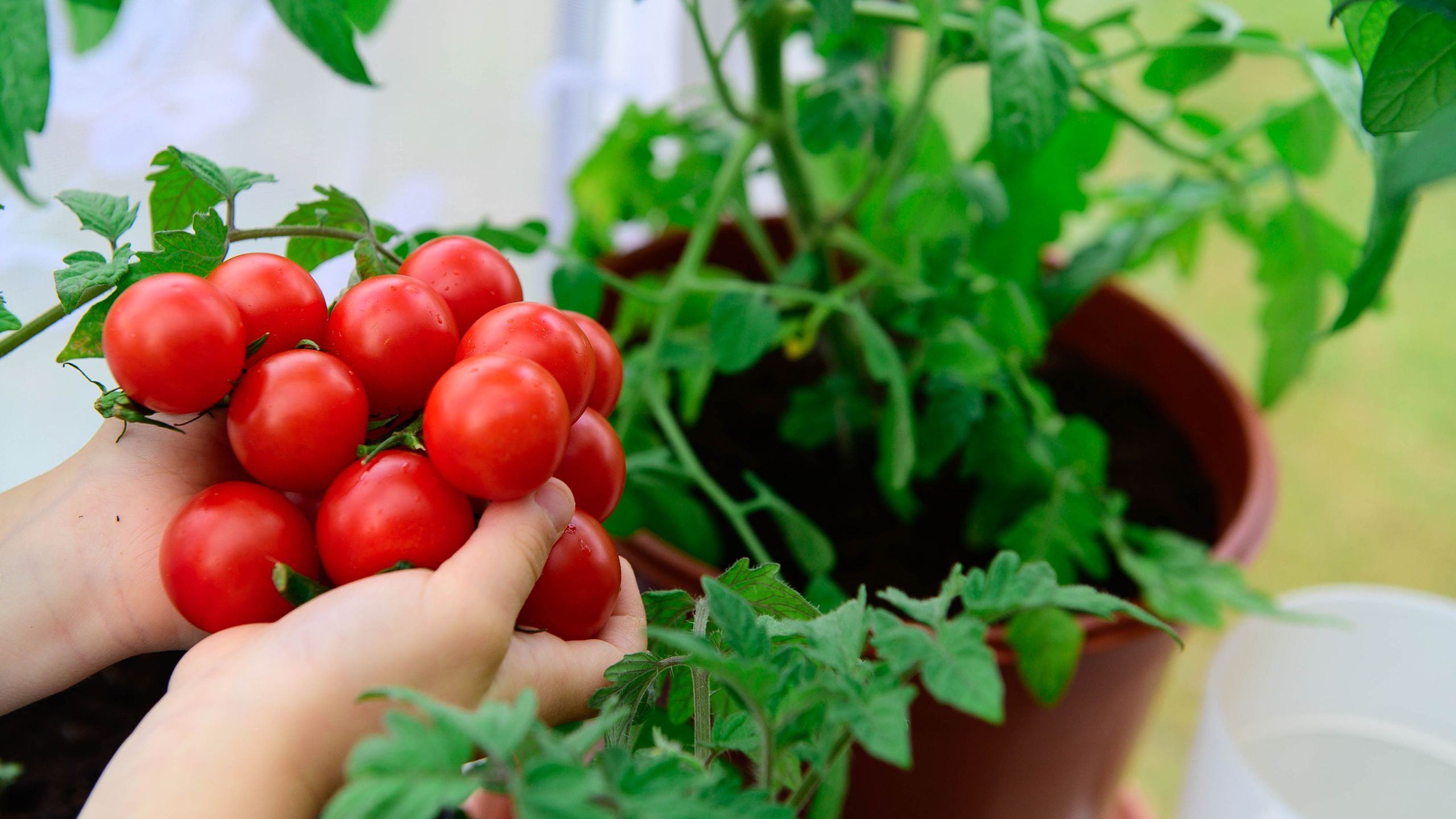
(Image credit: Shutterstock)
Nothing beats the taste of juicy, homegrown tomatoes, and I love the thought of picking straight from the vine to use in your delicious cooking. Whether you grow tomatoes from seeds or in pots, it’s by far a cost-effective way to cut down your grocery bills.Although tomatoes are considered one of the easiest plants to grow, the biggest challenge is maintaining a healthy harvest throughout the year. And while I’ve come across so many hacks and viral tomato growing tips (from kitchen scraps to baking soda), I just discovered the most surprising one yet.What’s more, this household item can be commonly found in our fridges, and costs a fraction less than shop-bought fertilizers.You may not believe it, but using milk is a lesser-known hack that every tomato plant grower should know about. Here's why.Boost your tomatoes with milk
Milk in a glass jar (Image credit: Shutterstock)A simple spray of diluted milk onto the leaves or base of your tomato plants can provide a healthy boost.Milk isn't just a great source of calcium for people — it also offers a healthy boost to tomato plants. Additionally, milk contains proteins and nutrients such as magnesium, phosphorus, vitamin B and sugars that are beneficial for plants.In fact, gardeners typically use milk to combat fungal diseases such as blossom-end rot, which causes dark, sunken spots on the bottom of fruit due to nutritional deficiencies and insufficient watering.A simple spray of diluted milk onto the leaves or base of your tomato plants can provide a healthy boost. This clever tip essentially gives tomatoes extra calcium, supplying the additional nutrients your plants need. Plus, milk can improve overall soil health, creating microbial activity in garden beds, which, over time, contributes to a more balanced growing environment.Get instant access to breaking news, the hottest reviews, great deals and helpful tips.Just bear in mind that results can depend on soil conditions, climate, and the amount of milk applied. Avoid spraying too much, as you don’t want the odor to attract pests — leaving you with yet another issue to deal with.