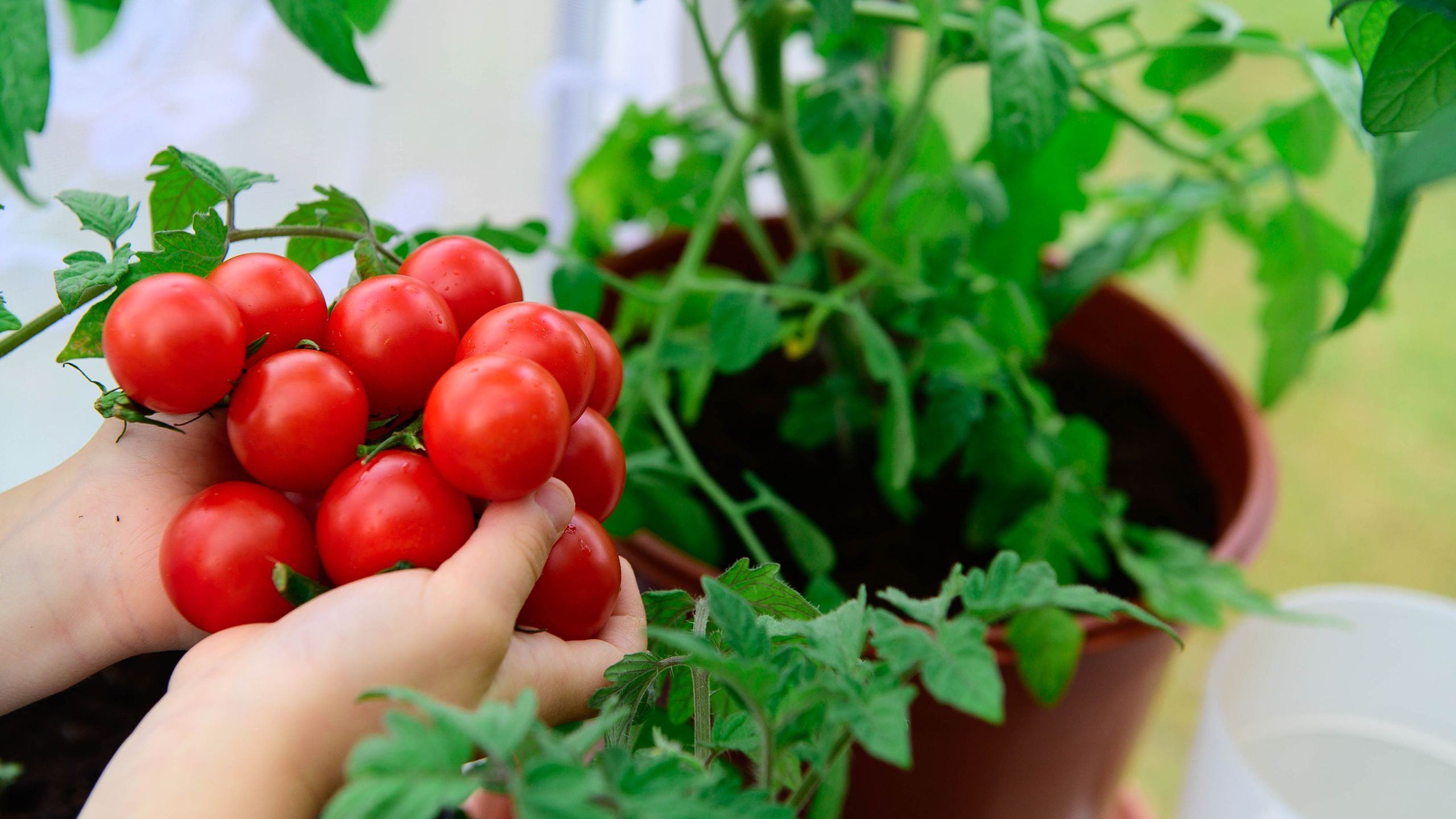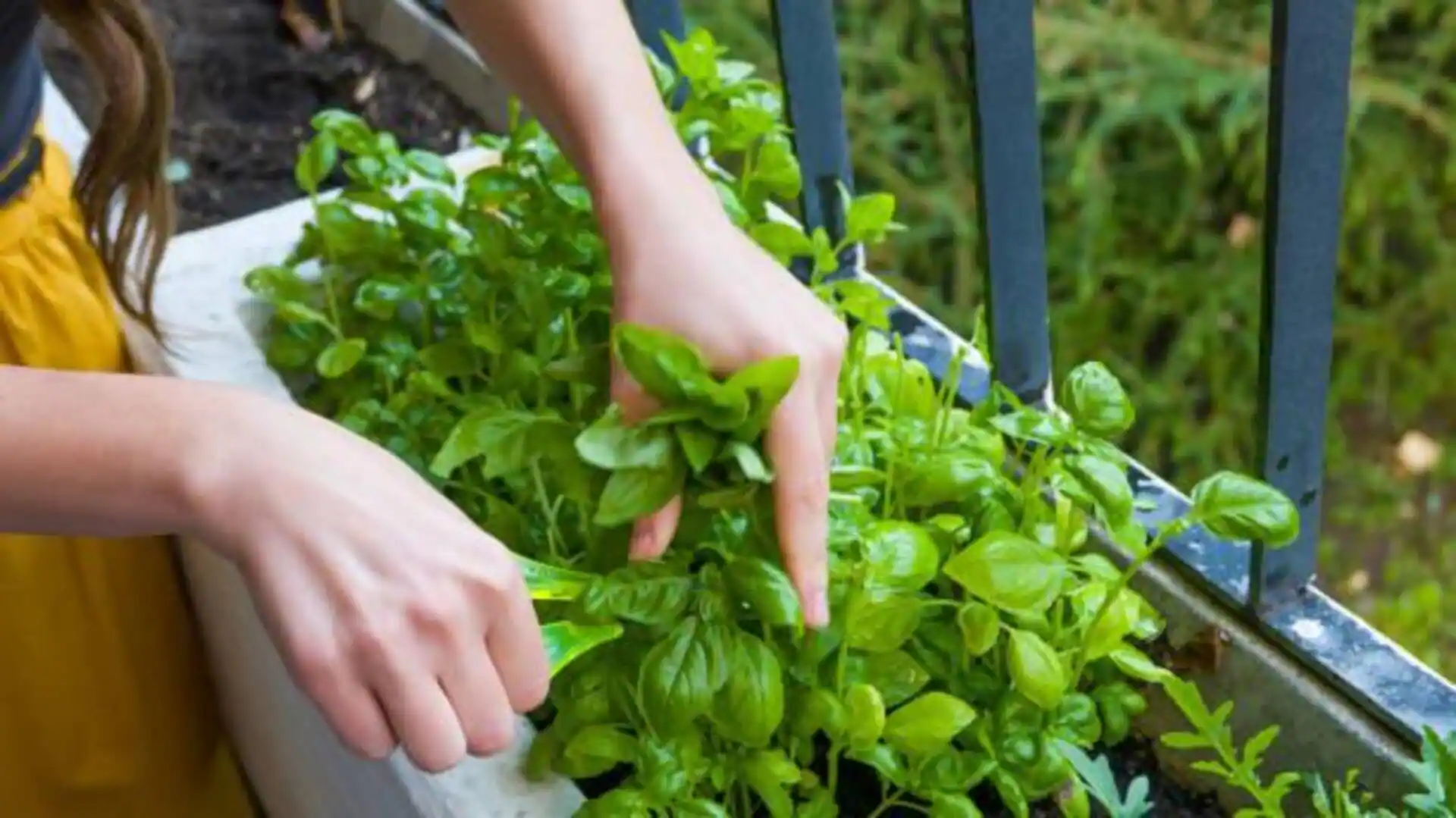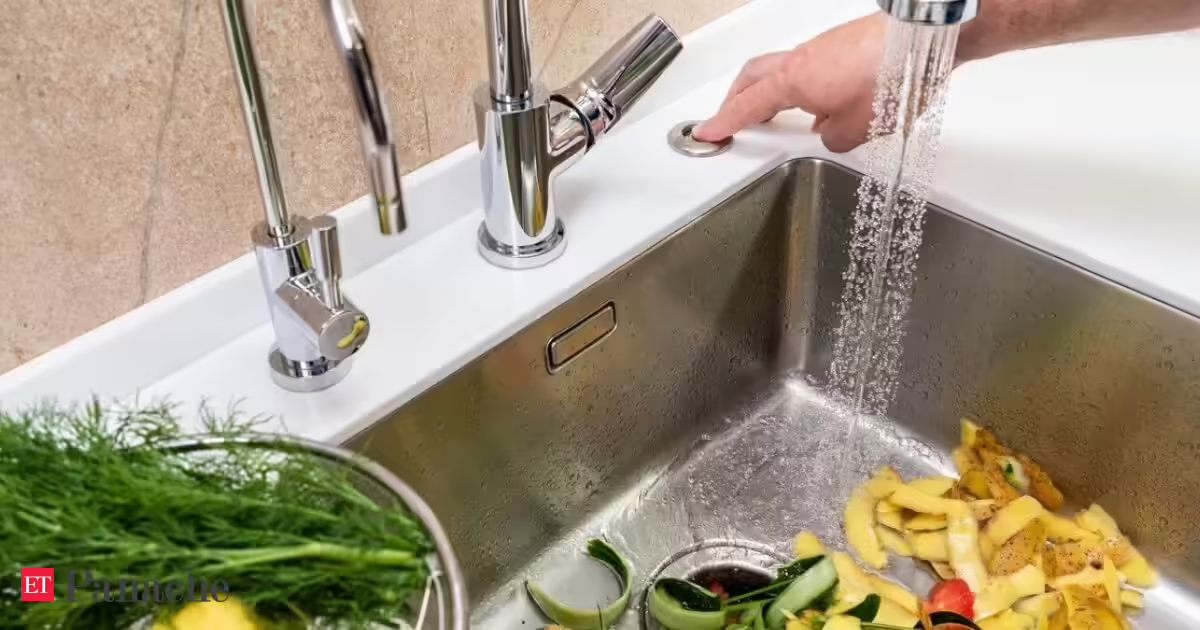
SynopsisTransform your kitchen waste into fresh produce with simple regrowing techniques. Common scraps like spring onions, lettuce, celery, garlic, ginger, potatoes, and basil can sprout new life with just water, sunlight, and patience. This eco-friendly practice not only reduces food waste but also saves money and offers a rewarding gardening experience for all ages. Discover how yesterday's leftovers can become tomorrow's ingredients.Regrowing vegetables and herbs from kitchen scraps is an easy way to reduce waste while making the most of the food you buy. (Istock- Representative image)Throwing away vegetable peels, stems, and seeds is something most of us do without a second thought. But what if those leftovers could become fresh plants instead? Many common kitchen scraps can be regrown with just water, sunlight and a little patience, helping you save money while reducing food waste. Whether you have a spacious garden or a sunny windowsill, these simple regrowing techniques make it easy to enjoy fresh produce right at home.Why regrow kitchen scraps? Regrowing vegetables and herbs from kitchen scraps is an easy way to reduce waste while making the most of the food you buy. Although not every scrap will produce a full harvest, many can grow enough to provide fresh leaves, herbs or vegetables for regular cooking. It is also a fun gardening project for beginners and children. Here are seven kitchen scraps you can turn into new plants.Spring onions Spring onions are among the easiest vegetables to regrow. How to regrow:- Keep the white root ends with about 2 to 3 inches of the stalk attached.- Place them in a glass containing enough water to cover the roots.- Keep the glass near a sunny window.- Replace the water every two to three days. Within a week, fresh green shoots begin to appear. Once the roots become stronger, you can transfer them into soil for continuous growth. Lettuce Instead of throwing away the base of a lettuce head, use it to grow fresh leaves.How to regrow:- Place the bottom portion in a shallow bowl with a small amount of water.- Keep it in bright, indirect sunlight.- Change the water every couple of days.- New leaves begin emerging from the centre within several days. For better results, transplant it into soil after the roots develop.Celery Celery regrows surprisingly well from its base.How to regrow: - Save the bottom 2 inches of the celery bunch.- Place it in a shallow bowl of water.- Position it in a sunny location.- Replace the water regularly. Fresh stalks and leaves begin growing from the centre before roots develop underneath. Plant it in soil once roots appear.Garlic A single garlic clove can become an entirely new garlic plant. How to regrow:- Plant a healthy garlic clove with the pointed end facing upward.- Use well-draining soil in a pot or garden.- Water regularly without overwatering.- Keep it in full sunlight. Young green garlic shoots can be harvested early, or allow the bulb to mature over several months.Ginger Fresh ginger root is easy to multiply. How to regrow:- Choose a healthy ginger piece with visible buds or "eyes."- Plant it just below the soil surface with the buds facing upward.- Keep the soil moist but not soggy.- Place it in a warm, partially sunny location. New shoots usually emerge after several weeks, eventually producing fresh ginger underground.Potato Even sprouting potatoes can produce new plants.How to regrow:- Cut a sprouting potato into pieces, ensuring each section has at least one healthy eye.- Allow the cut pieces to dry for a day before planting.- Plant them several inches deep in loose soil.- Water consistently. As the plant grows, additional potatoes develop beneath the soil and can be harvested once the foliage dies back.Basil Fresh basil stems can produce roots quickly. How to regrow:- Cut a healthy basil stem about 4 to 6 inches long.- Remove leaves from the lower half.- Place the stem in a glass of water.- Keep it in bright light away from harsh afternoon sun. Once roots reach around 2 inches long, transfer the basil into a pot filled with soil for long-term growth.Tips for successful regrowing - Change the water every few days to prevent bacterial growth.- Use clean containers to reduce the risk of mould.- Provide enough sunlight, but avoid intense afternoon heat for delicate plants.- Transfer water-grown plants into soil once healthy roots have formed.- Be patient. Some scraps regrow within days, while others may take several weeks. Regrowing kitchen scraps is a simple habit that helps reduce waste, stretches your grocery budget and adds a little greenery to your home. With minimal effort, yesterday's leftovers can become tomorrow's fresh ingredientsRead More News on...morelessRead More News on...moreless
Stop throwing these away: 7 kitchen scraps that can grow into fresh plants
Transform your kitchen waste into fresh produce with simple regrowing techniques. Common scraps like spring onions, lettuce, celery, garlic, ginger, potatoes, and basil can sprout new life with just water, sunlight, and patience. This eco-friendly practice not only reduces food waste but also saves money and offers a rewarding gardening experience for all ages. Discover how yesterday's leftovers can become tomorrow's ingredients.
775 words~4 min read