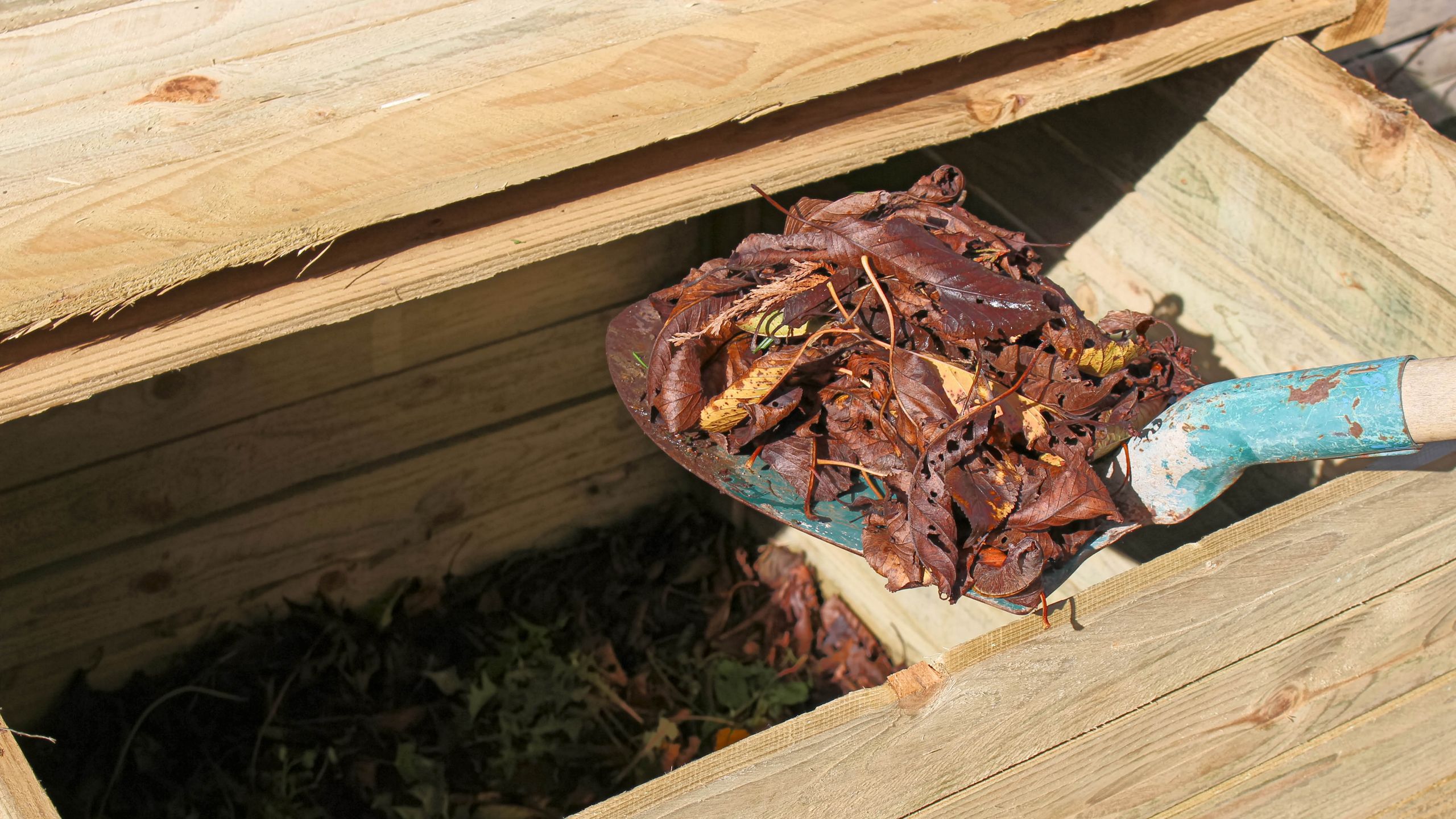
(Image credit: Shutterstock)
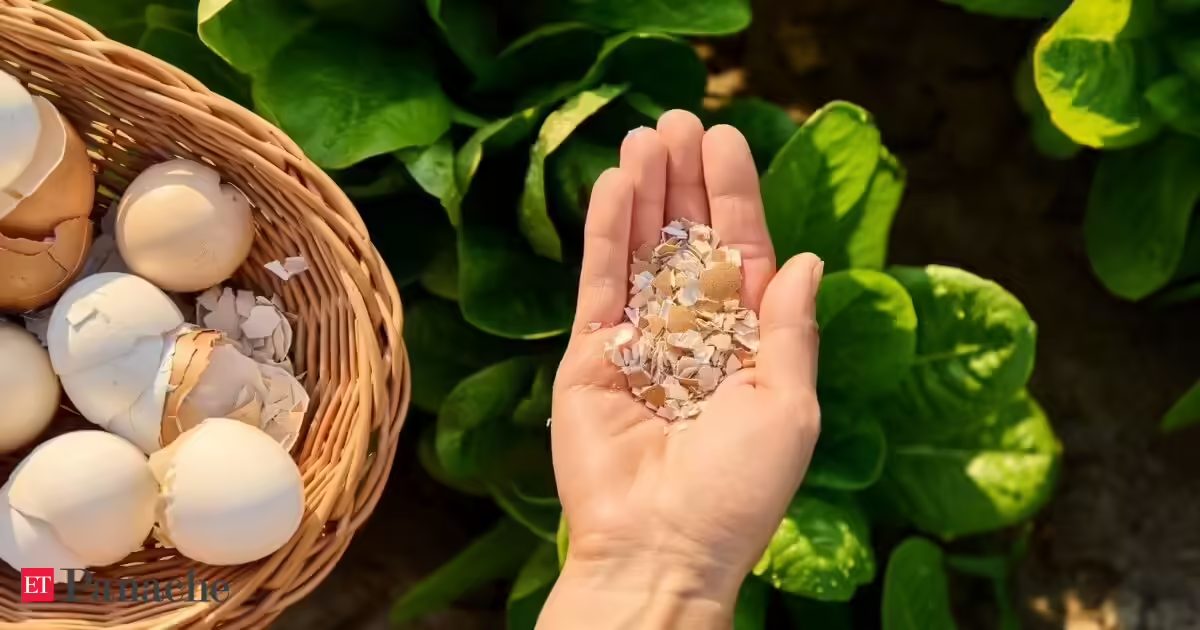
Whether you’re a keen gardener or prefer to be eco-friendly with your kitchen food waste, composting is a brilliant way to turn organic matter into nutrient-rich soil to feed our gardens and improve lawncare. Not to mention, saving you a fortune on buying bags of compost from your local gardening center!And while there are plenty of organic scraps we can recycle to make compost at home, such as eggshells and used coffee grounds, there is one lesser-known food scrap that can make all the difference — corn husks.According to experts, corn husks and silks are rich in carbon and can add the essential ‘brown’ layers to your compost heap. In addition, shredding these scraps into smaller fragments will improve aeration and help regulate soil temperatures. This also helps to retain vital moisture and suppress pesky weeds, which essentially boosts your soil with organic matter as it slowly breaks down throughout the summer.So before you throw out your corn husks and silks, recycle them to keep your garden and plants healthy. Here’s how.How to use corn husks in your compost
Pile of corn husks (Image credit: Shutterstock)Typically, compost needs a 3:1 ratio of brown (carbon-rich) and green (nitrogen-rich) materials to create healthy soil. So for composting corn husks, both green and brown varieties are suitable — the latter are typically those left on the ears to protect seeds during harvest.It’s recommended to chop up or shred corn husks and silks into smaller pieces before adding them to your compost pile to encourage faster decomposition.What’s more, this varied mix of textures encourages quicker breakdown into the soil, boosting it with nutrient-rich organic matter — which is always a welcome bonus for any gardener.Get instant access to breaking news, the hottest reviews, great deals and helpful tips.So what about leftover corn cobs? While these can go on the pile, cobs will take longer than composting corn husks. However, cobs do have their benefits as they offer air pockets in the compost heap. This will help to speed up the decomposition process by giving it the oxygen it needs to quickly break down.The secret weapon for easier composting (get a tumbler bin)