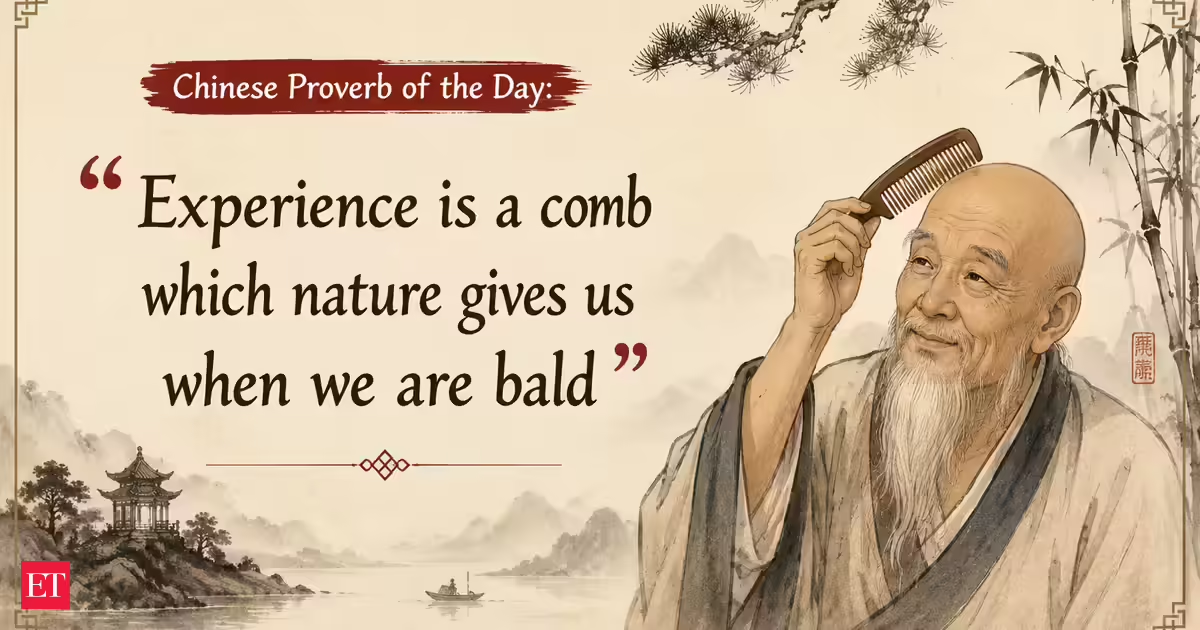
Chinese Proverb of the Day highlights a traditional saying that reflects the enduring bond between parents and children, emphasizing gratitude, sacrifice, and the wisdom that comes through lived experience. The proverb “Only after you raise a child do you understand your parents' grace” offers insight into how people often fail to fully appreciate their parents' love and devotion until they experience the responsibilities of raising children themselves. Many people turn to such proverbs to better understand family relationships and universal life lessons in simple, relatable terms. Rooted in centuries of cultural wisdom and passed down through generations, this saying reminds us that parental care is often understood most deeply through experience. It encourages appreciation, empathy, and respect, showing that some of life's greatest truths become clear only as we walk the same path as those who came before us.Chinese proverb of the day — Why parents know best "Only after you raise a child do you understand your parents' grace" Chinese Proverb of the Day highlights a timeless idea about gratitude, family, and the understanding that comes through personal experience.The first part of the proverb suggests that children often cannot fully recognize the depth of their parents' love and sacrifice while growing up. Much of what parents do—providing care, guidance, protection, and support—is quietly accepted as part of everyday life rather than fully appreciated.The second part emphasizes that true understanding often comes only after becoming a parent. Raising a child brings firsthand experience of the patience, responsibility, emotional commitment, and selflessness that parenting requires. Through this experience, people gain a deeper appreciation for the countless sacrifices their own parents made on their behalf.Together, the proverb teaches that some of life's greatest lessons cannot simply be explained—they must be lived. It reminds us that gratitude often grows with experience and encourages respect for the enduring love, devotion, and grace that parents show throughout a child's life.Why you never know a parent's love until you become oneThe English expression “You never know a parent's love until you become one” closely reflects the meaning of the Chinese proverb “Only after you raise a child do you understand your parents' grace.” Both emphasize that the true depth of parental love, sacrifice, and responsibility is difficult to fully appreciate until a person experiences parenthood firsthand. Caring for a child reveals the patience, sleepless nights, constant concern, financial commitment, and unconditional devotion that parents quietly give every day. These experiences often lead people to see their own parents in a new light, recognizing countless acts of kindness that once seemed ordinary. The saying reminds us that empathy grows through lived experience and encourages gratitude for the enduring love and selfless care parents provide throughout their children's lives.Life lessons from the proverbThe proverb carries practical lessons about gratitude, family relationships, and the wisdom that comes through experience.1. Experience deepens understanding Some truths are difficult to fully appreciate until we personally face similar responsibilities and challenges.2. Parents make countless unseen sacrifices Many acts of parental love happen quietly behind the scenes, often without recognition or expectation of reward.3. Gratitude strengthens family bonds Recognizing and appreciating our parents' efforts helps build stronger relationships based on respect, empathy, and love.4. Every generation learns from the last As people raise their own children, they often discover the same patience, responsibility, and unconditional love their parents once showed them, continuing the timeless cycle of family and care.Why this proverb is still relevant todayIn today's fast-paced world, this proverb remains as meaningful as ever. Although family structures and parenting styles have evolved, the emotional journey of raising a child—and the sacrifices it requires—has changed very little. Parents continue to balance careers, financial responsibilities, and personal challenges while striving to provide the best possible future for their children.The proverb also speaks to a broader truth about empathy and appreciation. Many people do not fully understand the weight of responsibility carried by their parents until they care for someone else themselves. Whether raising children, supporting loved ones, or becoming caregivers, personal experience often transforms perspective and deepens gratitude. Ultimately, the saying reminds us that love is often expressed through quiet acts of sacrifice rather than grand gestures. It encourages us to value our parents while they are still with us and to recognize that some of life's greatest lessons are learned through experience, compassion, and responsibility.English equivalent and related expressionsOther English expressions that convey a similar message include:"You'll understand when you're a parent.""Walk a mile in someone else's shoes."The older you grow, the wiser you become "Love is shown through sacrifice." Each of these reflects the idea that true understanding often comes through personal experience. Like the Chinese proverb, they emphasize empathy, gratitude, and the realization that the sacrifices of others are best appreciated when we face similar responsibilities ourselves.
Chinese Proverb of the Day: “Only after you raise a child do you understand your… — Life lessons on family, parenting, sacrifice, gratitude and why experience is the best teacher
Chinese Proverb of the Day highlights the meaning of “Only after you raise a child do you understand your parents' grace.” The saying reflects how the true depth of parental love, sacrifice, and devotion is often understood only through the experience of raising children. It reminds us that many of our parents' struggles and selfless acts go unnoticed until we face similar responsibilities ourselves. The proverb encourages gratitude, respect, and empathy toward parents, emphasizing that life's greatest lessons about family and unconditional love are often learned through personal experience rather than words alone.
795 words~4 min read