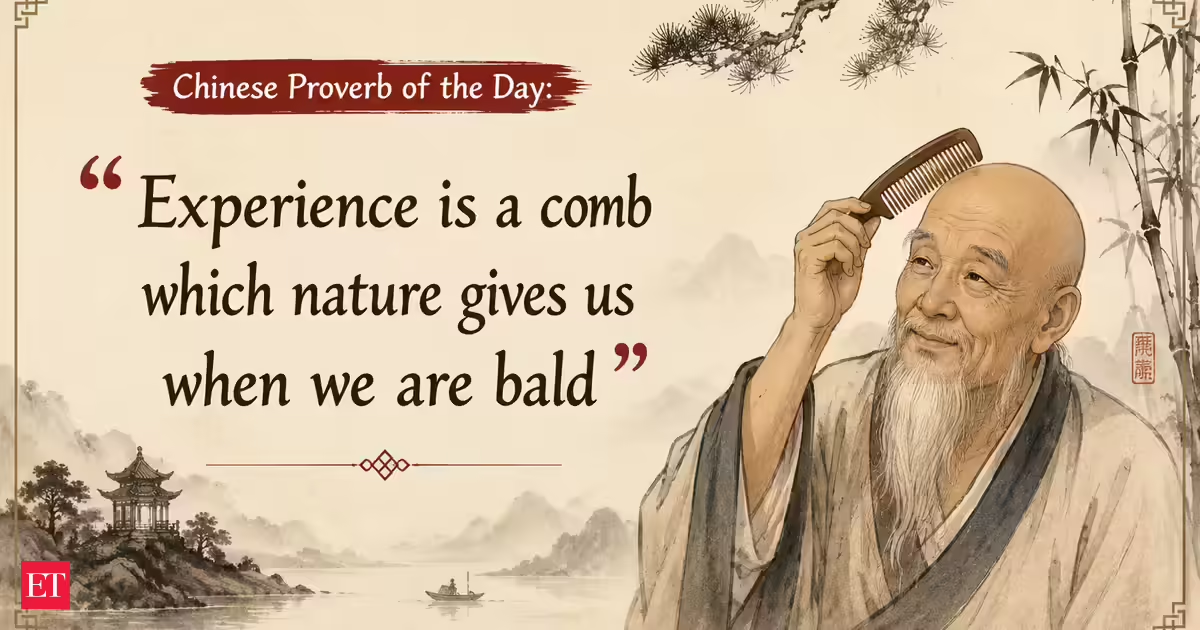
Chinese proverb of the day highlights a traditional saying that reflects patterns of human experience, learning, and the way challenges contribute to personal growth in everyday life. The proverb “Without experiencing setbacks, one cannot gain knowledge” offers insight into how difficulties, mistakes, and failures often become valuable sources of wisdom and understanding. Many people turn to such proverbs to better understand life's challenges in simple, relatable terms. These sayings are often rooted in cultural observation and lived experience, passed down through generations. Over time, they have become part of daily reflection, reminding us that knowledge is not gained through success alone, but also through perseverance, resilience, and the lessons learned from overcoming obstacles. The proverb encourages people to view setbacks not as permanent defeats, but as opportunities for growth, self-improvement, and deeper understanding.Chinese Proverb of the Day — Why you should learn from your mistakes “Without experiencing setbacks, one cannot gain knowledge” Chinese proverb of the day highlights a timeless idea about learning, personal growth, and the role of adversity in gaining wisdom.The first part of the proverb, “Without experiencing setbacks,” suggests that challenges, mistakes, and failures are a natural part of life. It challenges the belief that success alone is the best teacher. Instead, it points to the reality that difficult experiences often reveal important lessons that might otherwise go unnoticed.The second part, “one cannot gain knowledge,” emphasizes that true understanding often comes from overcoming obstacles and reflecting on past experiences. It suggests that setbacks provide opportunities to learn, adapt, and develop better judgment. In this sense, knowledge is not acquired solely through study or achievement but also through perseverance and experience.Together, the proverb teaches that growth and wisdom are closely connected to life's challenges. Difficulties may be uncomfortable, but they often provide the insight needed for future success. What appears to be failure at one moment can become a valuable lesson that shapes a person's character, understanding, and resilience.Why You Should Learn from Your MistakesMistakes are an inevitable part of life, but they can also be some of our greatest teachers. Every error provides valuable information about what went wrong and what can be done differently in the future. People who take time to reflect on their mistakes often develop stronger judgment, better problem-solving skills, and greater resilience. Instead of viewing failure as a reason to give up, they see it as an opportunity to grow and improve. Learning from mistakes also builds self-awareness, helping individuals recognize weaknesses and turn them into strengths. No one succeeds all the time, and even the most accomplished people have learned important lessons through setbacks. By accepting mistakes and using them as learning experiences, we gain wisdom, confidence, and the ability to make better decisions in the future.Life Lessons from the ProverbThe proverb carries practical lessons about learning, resilience, and personal development in everyday life.1. Challenges are valuable teachersDifficult experiences often provide lessons that cannot be learned through success alone.2. Mistakes help us growFailures reveal weaknesses, improve judgment, and encourage better decisions in the future.3. Resilience builds wisdomPeople who persevere through setbacks often develop greater understanding, patience, and strength.4. Knowledge comes through experiencePractical experience, especially during difficult times, helps transform information into real wisdom.Why this proverb is still relevant todayIn modern life, this proverb extends far beyond traditional ideas about learning and education. It applies to careers, business ventures, personal relationships, sports, and even the challenges people face in an increasingly competitive world. Many individuals strive for success while trying to avoid mistakes, yet some of the most valuable lessons come from setbacks, failures, and unexpected obstacles.The proverb encourages resilience and a growth mindset. It reminds us that challenges are not merely barriers to success but opportunities to develop new skills, gain experience, and improve decision-making. In a world where social media often showcases achievements while hiding struggles, this saying offers a realistic perspective on personal growth. Ultimately, it teaches a simple but powerful truth: knowledge is often earned through experience rather than gained instantly. Difficulties may be uncomfortable, but they frequently provide the wisdom needed for future success. By viewing setbacks as learning opportunities, people can become stronger, wiser, and better prepared for the challenges ahead.English equivalent and related expressionsOther English expressions that reflect similar thinking include:“Experience is the best teacher.”“Failure is the stepping stone to success.”“What doesn't kill you makes you stronger.”“Wisdom comes with experience.”Each of these highlights the idea that growth, knowledge, and success are often shaped by challenges and setbacks. They remind us that mistakes and difficulties are not merely obstacles but valuable opportunities to learn, adapt, and develop greater understanding.
Chinese Proverb of the Day: “Without experiencing setbacks, one cannot… — Life lessons on learning, experience, opportunities and how to turn obstacles into opportunities
Chinese Proverb of the Day highlights the meaning of “Without experiencing setbacks, one cannot gain knowledge.” The saying reflects the idea that wisdom and understanding are often gained through challenges, mistakes, and difficult experiences rather than through success alone. It suggests that setbacks play an important role in personal growth by teaching valuable lessons that cannot always be learned from comfort or achievement.
763 words~3 min read