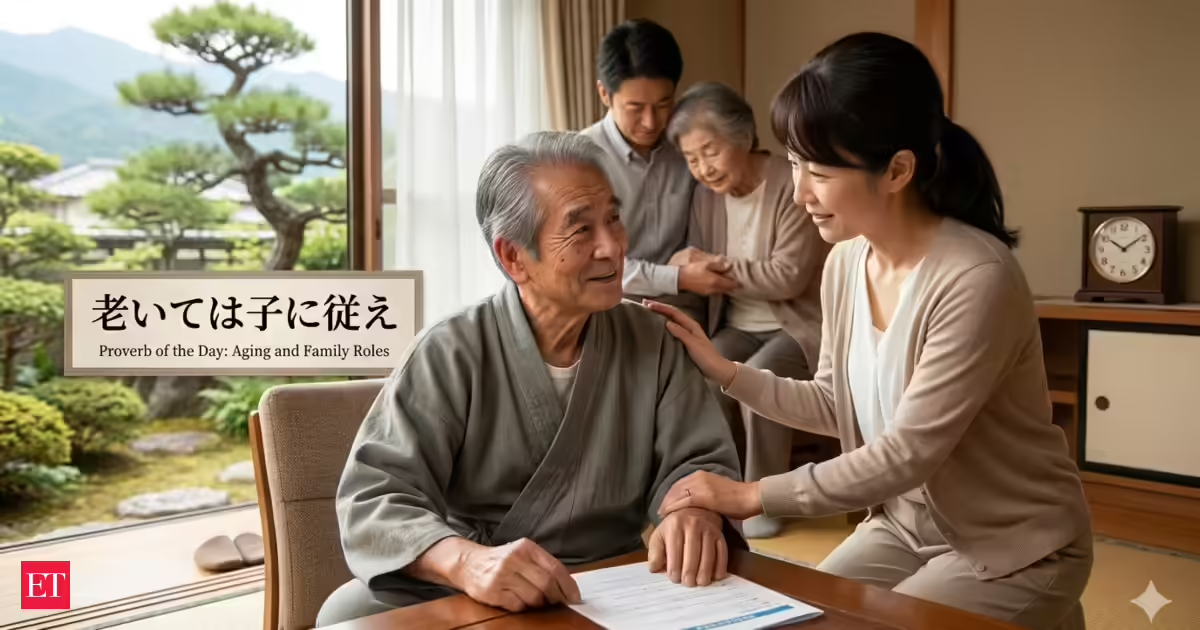
Japanese proverb of the day highlights a traditional saying that reflects patterns of human experience, family relationships, gratitude, and the profound influence parents have on a person's life. The proverb “What you owe your father is higher than the mountain, what you owe your mother is deeper than the ocean” offers insight into the sacrifices, care, guidance, and unconditional love that parents provide throughout their children's lives. Many people turn to such proverbs to better understand human values and relationships in simple, relatable terms. These sayings are often rooted in cultural observation and lived experience, passed down through generations. Over time, they have become part of daily reflection, reminding us that personal growth, character, and success are often shaped by the support and dedication of those who raise and nurture us. The proverb encourages appreciation, respect, and gratitude for the immeasurable contributions parents make to our lives. Japanese Proverb of the Day — Why parent's love knows no bounds “What you owe your father is higher than the mountain, what you owe your mother is deeper than the ocean”Japanese proverb of the day highlights a timeless idea about gratitude, family bonds, and the immeasurable sacrifices parents make throughout a person's life.The first part of the proverb, “What you owe your father is higher than the mountain,” emphasizes the strength, support, guidance, and protection that fathers often provide. The mountain symbolizes something vast, enduring, and difficult to measure, suggesting that a father's contributions extend far beyond what can be easily recognized or repaid.The second part, “what you owe your mother is deeper than the ocean,” highlights the depth of a mother's love, care, and devotion. The ocean represents limitless depth and nurturing power, symbolizing the countless ways mothers support, comfort, and care for their children throughout life. It suggests that a mother's sacrifices are profound and often impossible to fully comprehend.Together, the proverb teaches that the love and dedication of parents are among life's greatest gifts. It reminds us that much of who we become is shaped by the efforts, sacrifices, and guidance of those who raise us. What may appear as ordinary parental responsibility is often an extraordinary expression of commitment, care, and unconditional love.Why You Can Never Repay Your Parents for All They Have DoneParents invest countless hours, sacrifices, and resources into raising their children, often without expecting anything in return. From providing food, shelter, and education to offering emotional support and guidance, their contributions shape a child’s future in ways that are difficult to measure. Many parents put their children's needs before their own, making personal sacrifices to ensure their well-being and success. While children can express gratitude through love, respect, and care, the depth of parental devotion often goes beyond what can be fully repaid. The phrase reminds us not to focus on settling a debt but on appreciating the people who helped us grow. By valuing their efforts and maintaining strong relationships, we honor their sacrifices and show gratitude for the lifelong impact they have had on our lives.Life Lessons from the ProverbThe proverb carries practical lessons about gratitude, respect, and the importance of family relationships in daily life.1. Appreciate your parents' sacrificesMany of the opportunities and comforts people enjoy are made possible by the hard work and dedication of their parents.2. Gratitude strengthens relationshipsExpressing appreciation helps deepen family bonds and fosters mutual respect and understanding.3. Love is often shown through actionsParents frequently demonstrate their care through daily sacrifices, support, and guidance rather than words alone.4. Respect those who guide and support youRecognizing the efforts of parents, guardians, and caregivers encourages humility and appreciation.Why this proverb is still relevant todayIn modern life, this proverb extends beyond traditional family roles and cultural expectations. It applies to the importance of appreciating the people who support, guide, and sacrifice for us throughout our lives. In a fast-paced world where independence is often celebrated, it is easy to overlook the countless efforts parents and caregivers make behind the scenes to provide opportunities, security, and emotional support.The proverb encourages gratitude, empathy, and reflection. It reminds us that many of our achievements are built upon the encouragement, sacrifices, and dedication of others. As people become busier with careers, technology, and personal goals, taking time to recognize and appreciate family support becomes even more important. Ultimately, it teaches a simple but powerful truth: the love and sacrifices of parents cannot always be measured or repaid. While circumstances and family structures may differ, the values of gratitude, respect, and appreciation remain timeless. By recognizing the contributions of those who nurture and guide us, we strengthen relationships and develop a deeper understanding of the people who helped shape our lives.English equivalent and related expressionsOther English expressions that reflect similar thinking include:“Honor your father and mother.”“You can never repay your parents for all they have done.”“Behind every successful person is a family that supported them.”“Gratitude is the memory of the heart.”Each of these highlights the importance of gratitude, respect, and appreciation for the people who nurture, guide, and support us. They remind us that family relationships are often built on sacrifice, care, and unconditional love, making them among the most valuable bonds in life.
Japanese Proverb of the Day: “What you owe your father is higher than the mountain, what you owe your mother is… — Life lessons on gratitude, parenting, sacrifice, respect, and why appreciation strengthens relationships
Japanese Proverb of the Day highlights the meaning of “What you owe your father is higher than the mountain, what you owe your mother is deeper than the ocean.” The saying reflects the immense sacrifices, love, and guidance that parents provide throughout a person's life. By comparing a father's contribution to a towering mountain and a mother's care to the vast depth of the ocean, the proverb emphasizes that parental devotion is immeasurable and cannot easily be repaid. It suggests that the support, protection, and nurturing received from parents shape a person's character, opportunities, and future.
858 words~4 min read