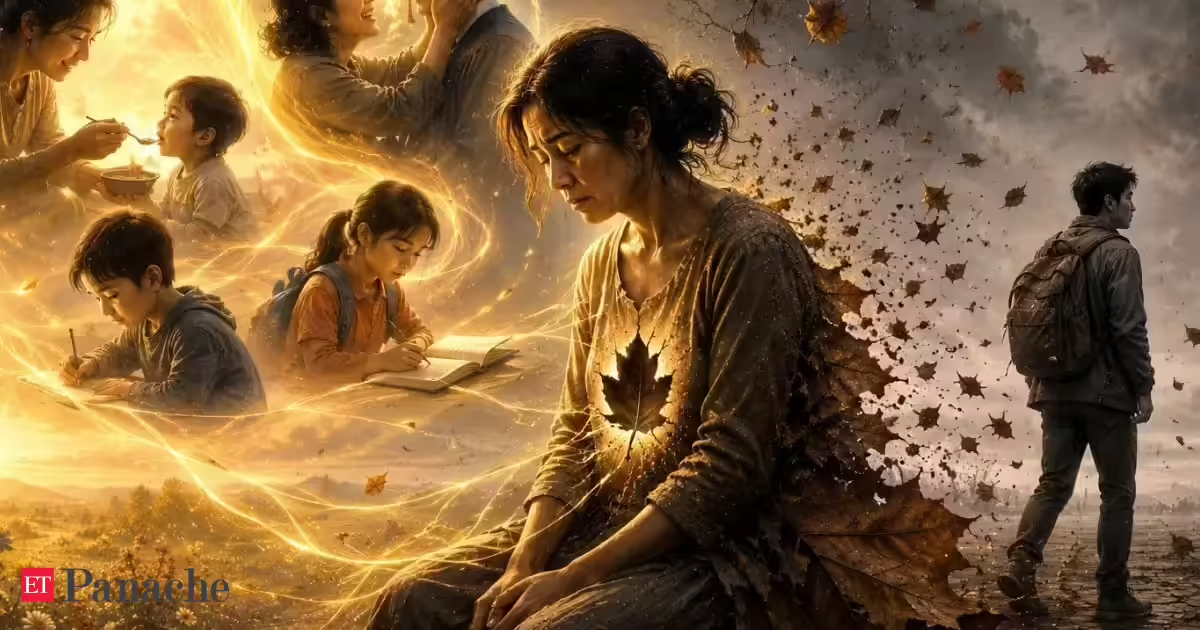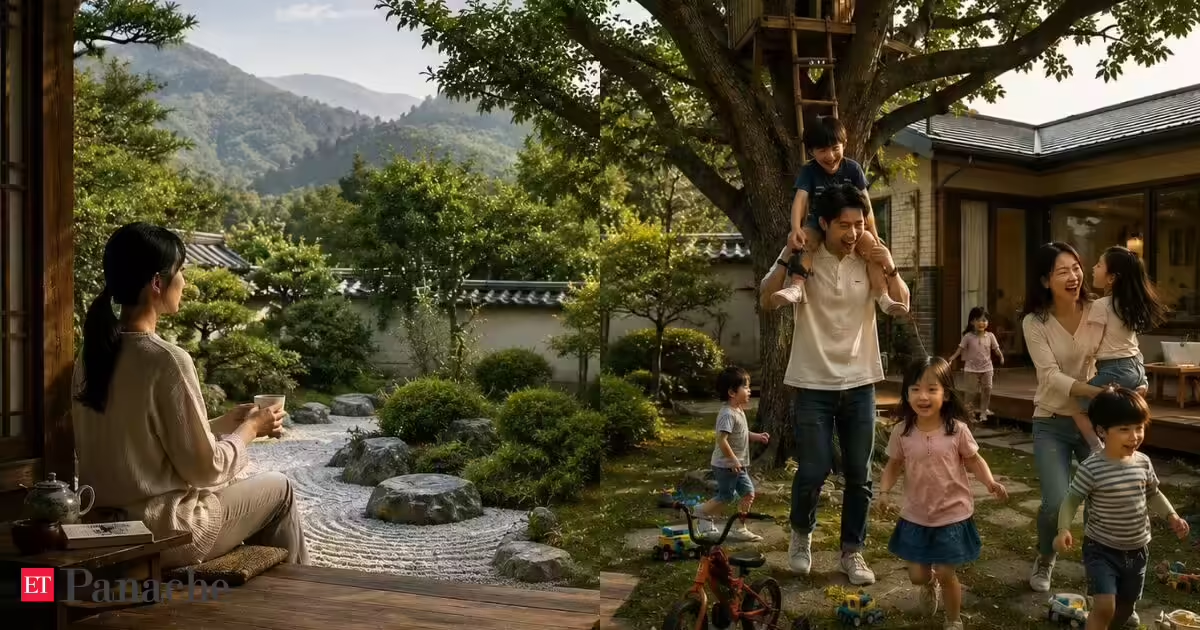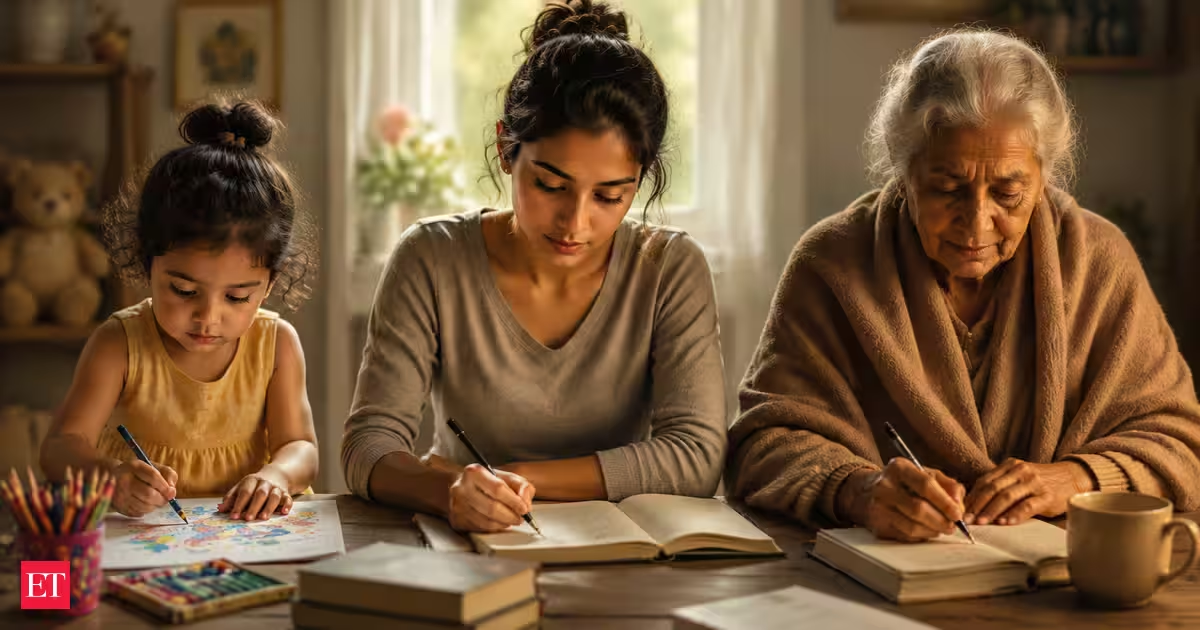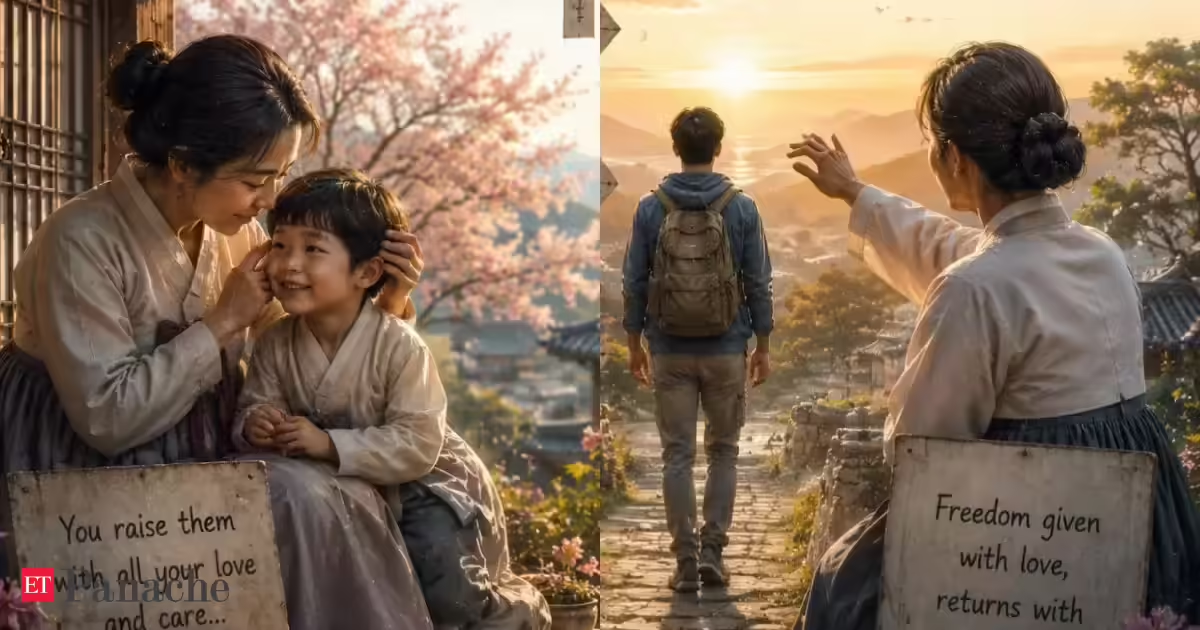
Korean Proverb of the Day brings attention to a traditional saying that reflects one of the most emotional realities of family life, the changing relationship between parents and children as time passes. The proverb, “The child you raise with care is only yours as long as they are in your arms, once a child is fully grown, they become worse than a neighbour,” speaks about the bittersweet experience many parents face when children grow up and begin building lives of their own.The saying does not suggest a lack of love between parents and children. Instead, it highlights how family relationships naturally change over time. The closeness that exists during childhood often gives way to independence, distance, and different priorities as children become adults. What once felt permanent slowly becomes something different.Many traditional Korean proverbs are built around everyday observations rather than grand ideas. Passed down through generations, they reflect experiences that ordinary people have shared for centuries. Family, respect, responsibility, and human nature appear frequently in Korean sayings because they have always been central to life and society.Like many old proverbs, this one remains relevant because it captures an experience that continues across generations. Parents invest years of care, attention, and sacrifice into raising children, yet adulthood often changes the nature of that bond. The proverb reminds people that growing up is not only a journey for children but also an emotional adjustment for parents.Korean Proverb of the Day — The painful truth that every child eventually belongs to their own future“The child you raised with all your heart is only your child while they are in your arms; once they are fully grown, they become worse than a neighbour.”You Might Also Like:Korean proverb of the day highlights a reality that many families experience but do not always openly discuss. It reflects how relationships between parents and children evolve as life moves forward and responsibilities change.The first part of the proverb focuses on the years when children depend heavily on their parents. During childhood, parents provide protection, guidance, support, and affection. Children spend much of their time within the family environment, creating a strong emotional connection that often feels unbreakable.The second part introduces the difficult truth that adulthood brings independence. As children establish careers, relationships, and families of their own, their attention naturally shifts toward their own lives. Parents may sometimes feel that the closeness they once enjoyed has faded, even though affection and care still exist beneath the surface.Taken as a whole, the proverb is not meant to criticize children. Rather, it acknowledges a cycle that has existed for generations. It reminds people that growth often creates distance, and that one of the challenges of parenthood is learning to accept that children eventually become independent individuals with lives beyond the family home.You Might Also Like:Why Letting Go Is One of the Hardest Parts of ParentingFor many parents, raising a child involves years of daily involvement. From school routines and family meals to celebrations and difficult moments, parents become deeply connected to every stage of a child's life. Because of this, the transition into adulthood can feel surprisingly emotional.As children become older, they make their own decisions, develop new priorities, and spend less time at home. What parents sometimes interpret as distance is often simply a natural part of growing up. The proverb reflects this emotional reality. It recognizes that while children may move away physically or emotionally, the investment parents made in raising them never disappears. The challenge lies in accepting that love can remain strong even when closeness changes form.Life Lessons from the ProverbThe proverb offers several lessons about family, relationships, and personal growth.Children Are Not Meant to Stay Children ForeverParents nurture and protect their children for many years, but adulthood is the natural destination of that journey. Independence is a sign that growth has taken place.Love Changes With TimeRelationships do not remain the same throughout life. The way parents and children express affection often changes as responsibilities and circumstances evolve.Expectations Can Lead to DisappointmentSometimes parents expect the same level of closeness they experienced during childhood. When reality differs, feelings of sadness or disappointment can follow.Independence Is Part of LifeEvery generation eventually creates its own path. The proverb reminds people that separation is often a normal result of personal growth rather than a rejection of family.Appreciation Matters While Time Is AvailableThe saying encourages both parents and children to value their relationship in the present rather than assuming there will always be more time later.In today's world, the message behind this Korean proverb feels particularly familiar. People move to different cities for education and employment, relocate to other countries, and often build lives far from where they grew up. As a result, family members may not spend as much time together as previous generations did.Technology allows people to stay connected through messages and video calls, but it cannot completely replace everyday physical presence. Many parents continue to experience the emotional gap that can develop when children become busy with careers, marriages, and personal responsibilities.The proverb also reflects broader cultural values found throughout Korean society, where family relationships, respect for elders, and filial responsibility have traditionally been important. Korean proverbs, known as sok-dam, have long been used to pass practical wisdom from one generation to the next. These sayings remain part of Korea's cultural heritage and continue to offer insights into everyday life.Ultimately, the proverb endures because it expresses a universal truth. Every generation experiences change, and every family must adapt to it. While children may grow beyond their parents' immediate reach, the bonds created through years of care and sacrifice remain part of both lives forever.Beyond its emotional meaning, this Korean proverb also reflects a long-standing cultural emphasis on balance between family duty and personal independence. In traditional Korean society, values shaped by Confucian thinking placed strong importance on both parental responsibility and the eventual role of children as self-reliant adults. Over time, such sayings became a way for older generations to express acceptance of life’s natural cycle rather than resisting it.
Korean proverb of the day: 'The child you raise with care is only yours as long as they are in your arms, once a child is fully grown, they become worse...' - Parenting lesson on the importance of letting children have their freedom
The Korean Proverb of the Day, “The child you raise with care is only yours as long as they are in your arms, once a child is fully grown, they become worse than a neighbour,” reflects the bittersweet reality of parenthood and growing up. The saying explores how children naturally become independent as they enter adulthood, often creating emotional distance from their parents.
1,003 words~5 min read