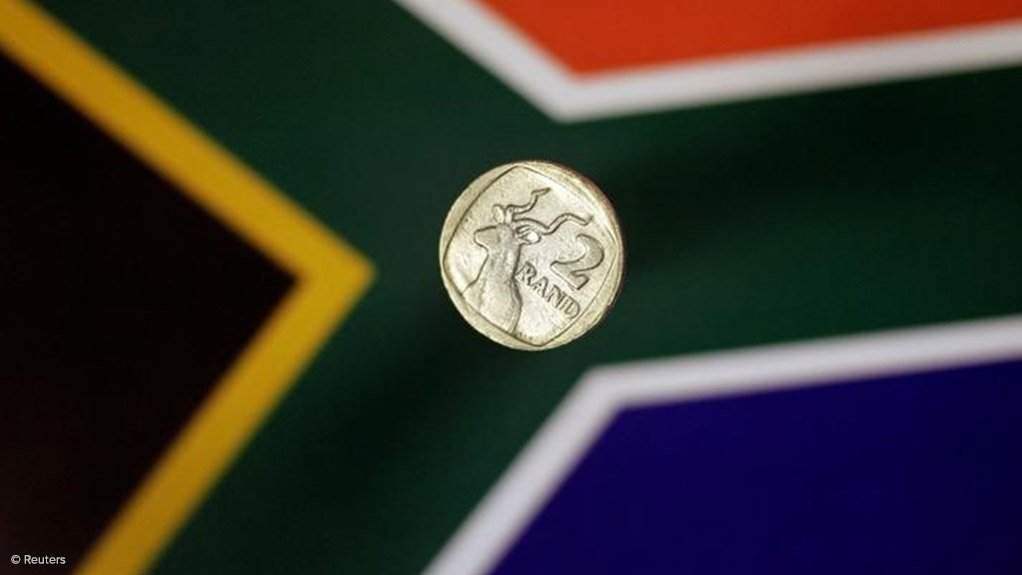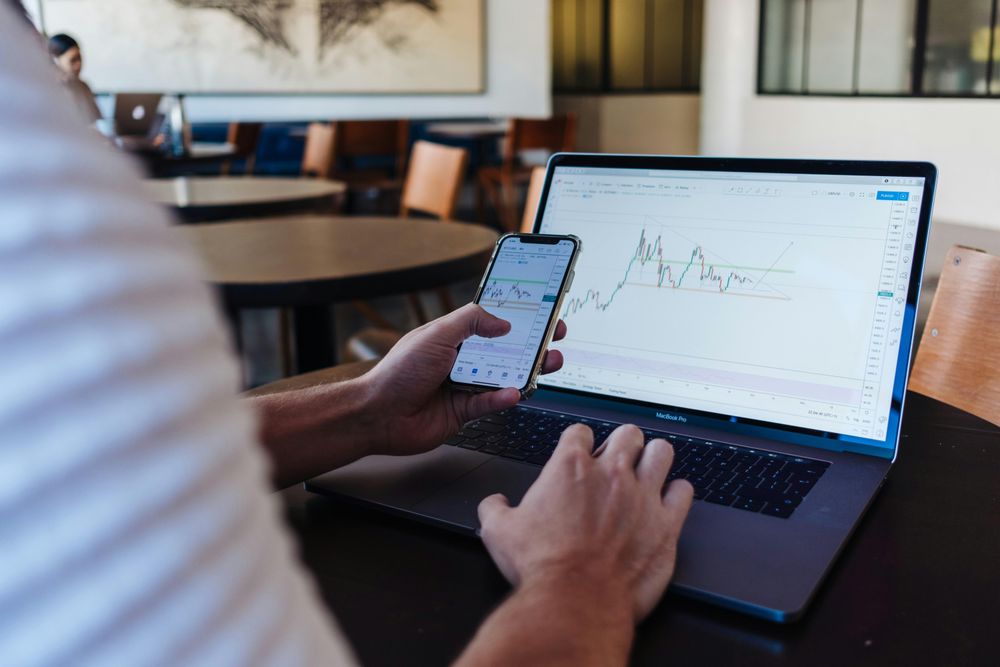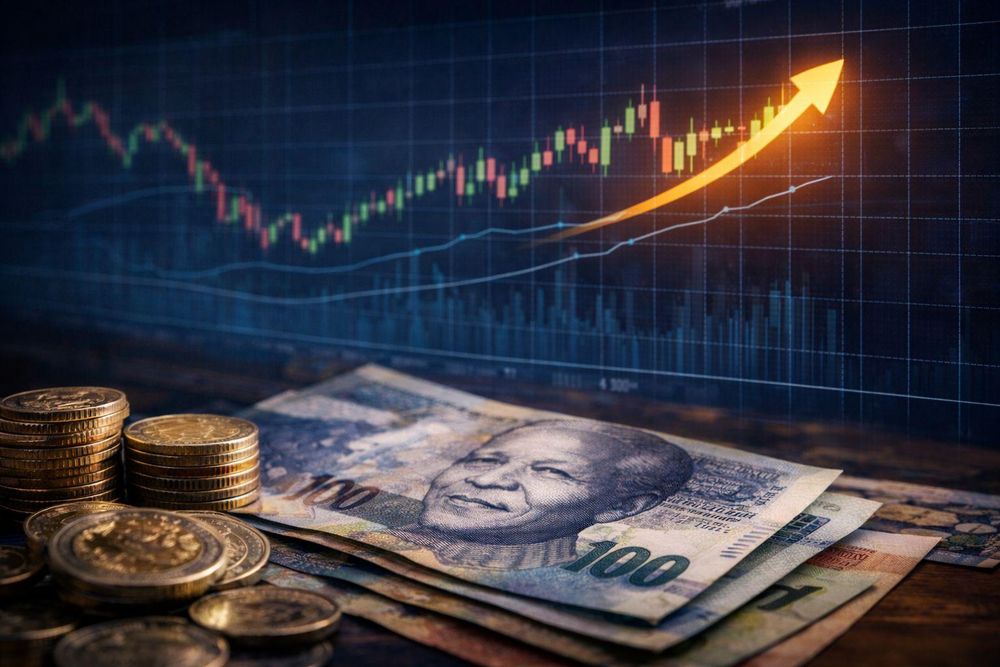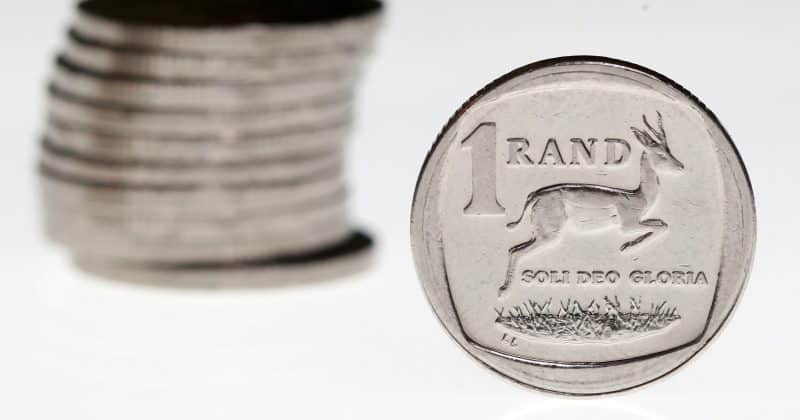
When wars start, traders get busy. The South African Rand proved that point in the first quarter of 2026, with average daily trading volumes rising by as much as 20% as the Iran conflict rattled global markets and sent investors scrambling to reprice risk.
What actually happened
The Iran conflict intensified around late February and early March 2026, injecting a fresh wave of uncertainty into markets that were already navigating a complicated macro environment.
For the Rand specifically, that translated into a wide trading range against the US dollar, moving between 16.2 and 18.25 over the quarter.
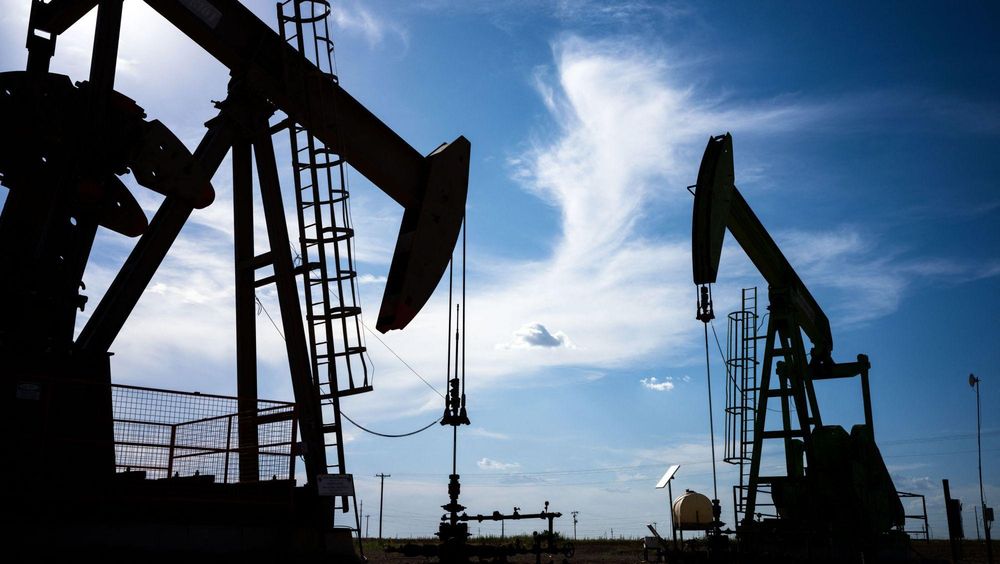
Brent crude prices surged during the conflict period, adding another layer of stress. South Africa imports the majority of its oil, so rising energy costs feed directly into domestic inflation. Higher oil prices also mean higher fertilizer costs, which ripple through the agricultural sector and squeeze household budgets.