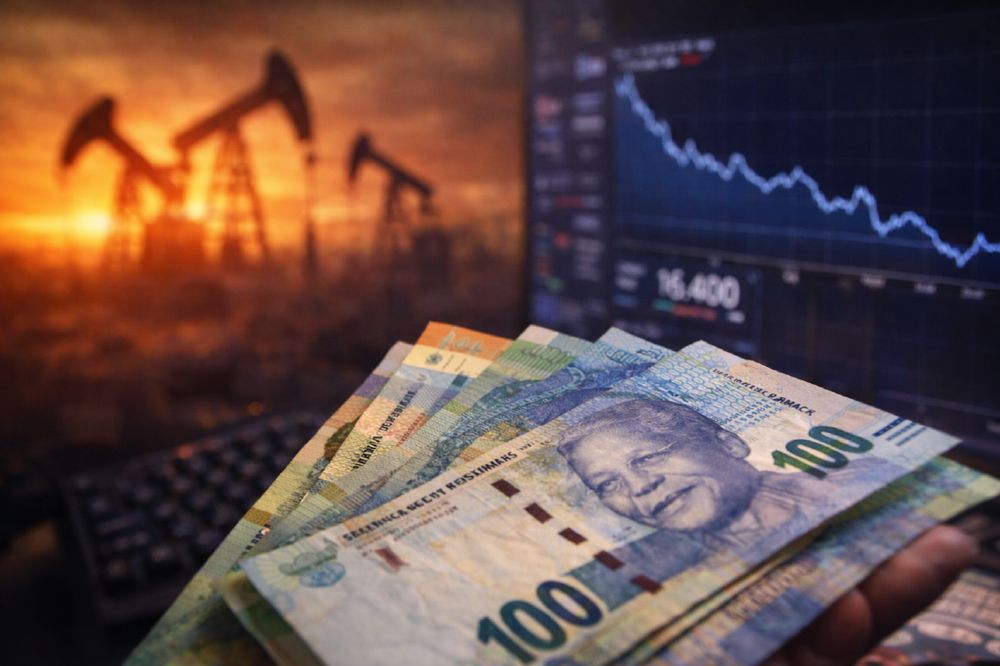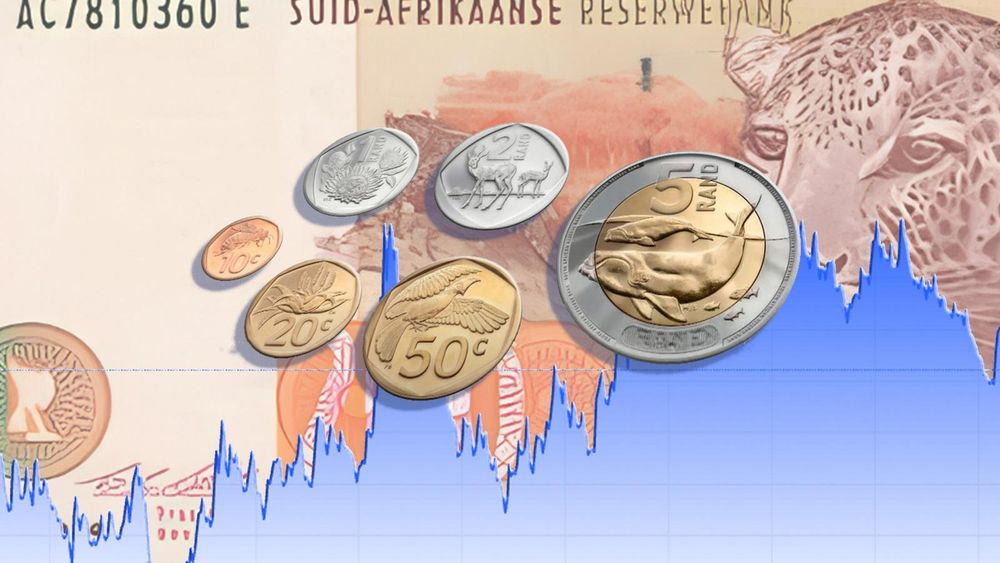
The South African rand has always been sensitive to global risk, but 2026 has made that sensitivity feel sharper. Traders are no longer watching only domestic data, mining exports, local politics, or the South African Reserve Bank. They are also watching oil screens and Middle East headlines almost minute by minute.
According to Reuters, the rand weakened in May as higher oil prices, driven by stalled US and Iran negotiations, raised concerns that inflation pressure could keep interest rates higher for longer. Brent crude also settled above 109 dollars a barrel as uncertainty around the Strait of Hormuz kept energy markets nervous.
That is why forex trading the rand has become a different kind of game for South African traders. USD ZAR is not only reacting to the dollar or local inflation anymore. It is reacting to the price of imported fuel, shipping risk, global fear, and every headline that suggests Hormuz could tighten or reopen.
Oil Is Now A Rand Signal
Oil matters to South Africa because the country is a net importer of energy. When crude prices rise, the pressure does not stay in the commodity market. It moves into fuel costs, transport, food prices, business expenses, inflation expectations, and eventually the rand.