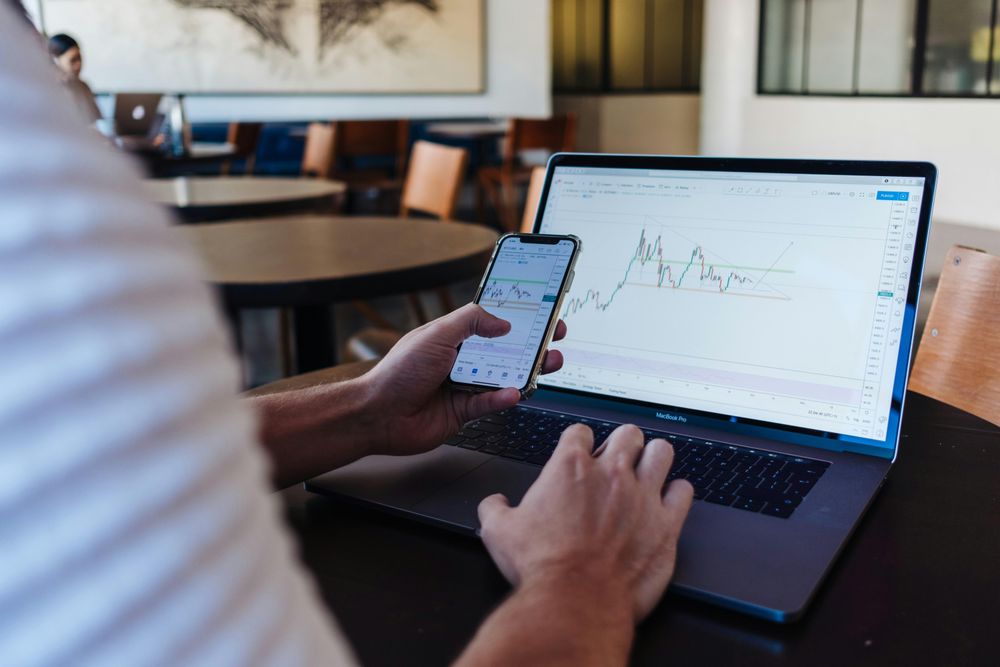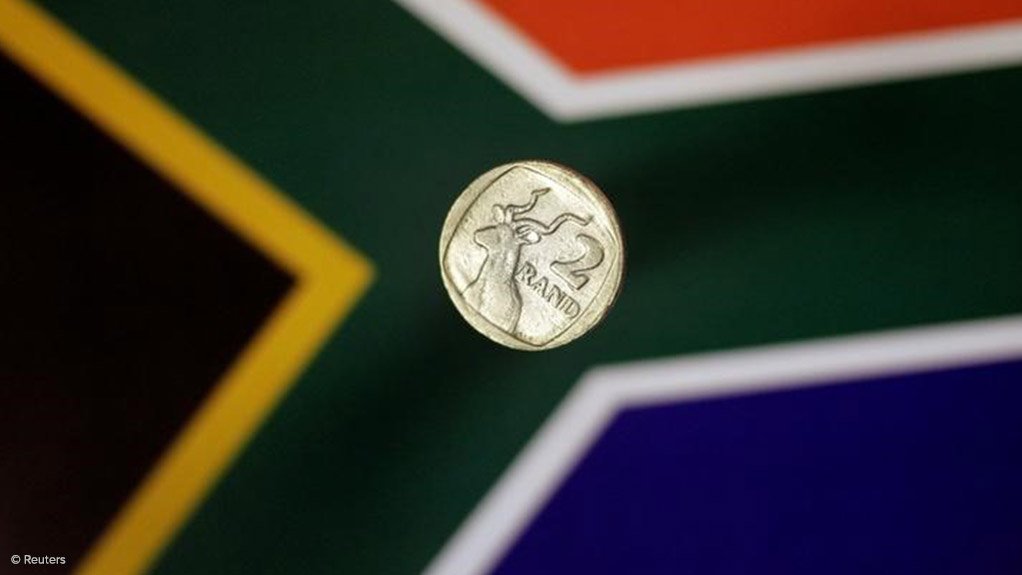
South Africans trading USD ZAR are dealing with a market that can change direction quickly. The rand is reacting to oil prices, US dollar strength, Middle East risk, inflation data, and every signal from the South African Reserve Bank. One clean chart setup can look very different after a policy comment or a sudden move in crude.
The SARB rate hike debate matters because inflation is no longer being treated casually. In its March monetary policy statement, SARB said inflation was 3.0 percent in February, exactly in line with its target, but warned that higher energy prices could push inflation higher in the near term.
That is why choosing the right broker matters more than ever for South Africans trading USD ZAR. In a fast market, execution quality, spread behaviour, platform stability, and risk tools can decide whether a trader handles volatility calmly or gets trapped by it.
USD ZAR Is Moving On More Than Local Data
USD ZAR is not just a South African story. It is a two sided trade shaped by the rand and the US dollar. When the dollar strengthens globally, the pair can move higher even if local data is not terrible.