in History, Philosophy, Technology | June 30th, 2026 Leave a Comment
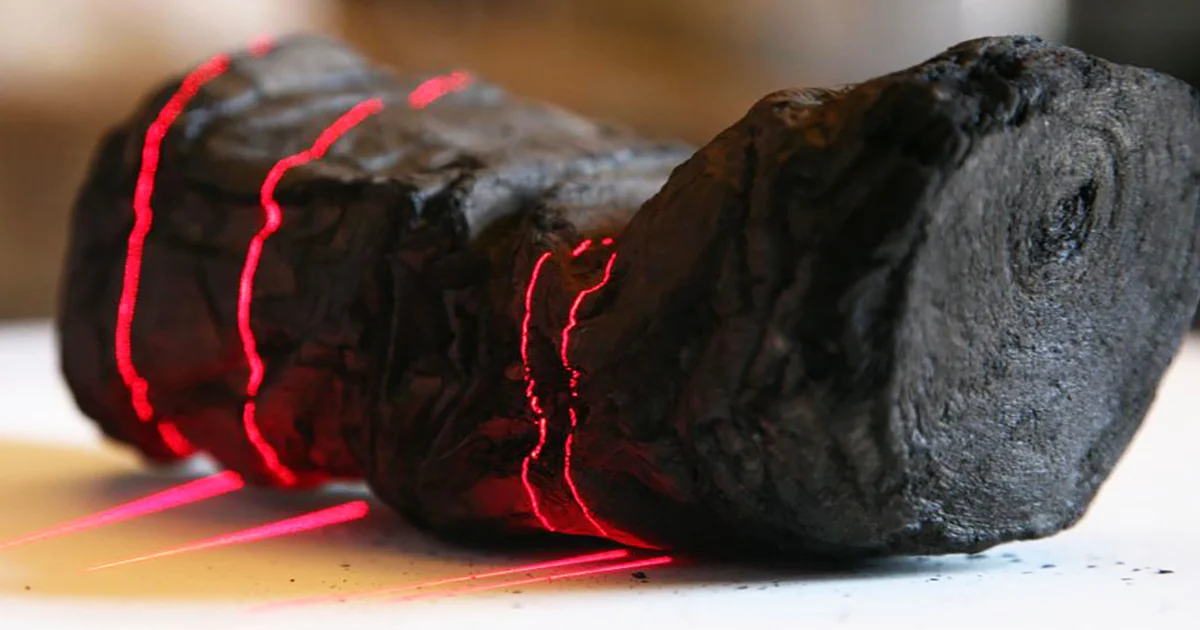
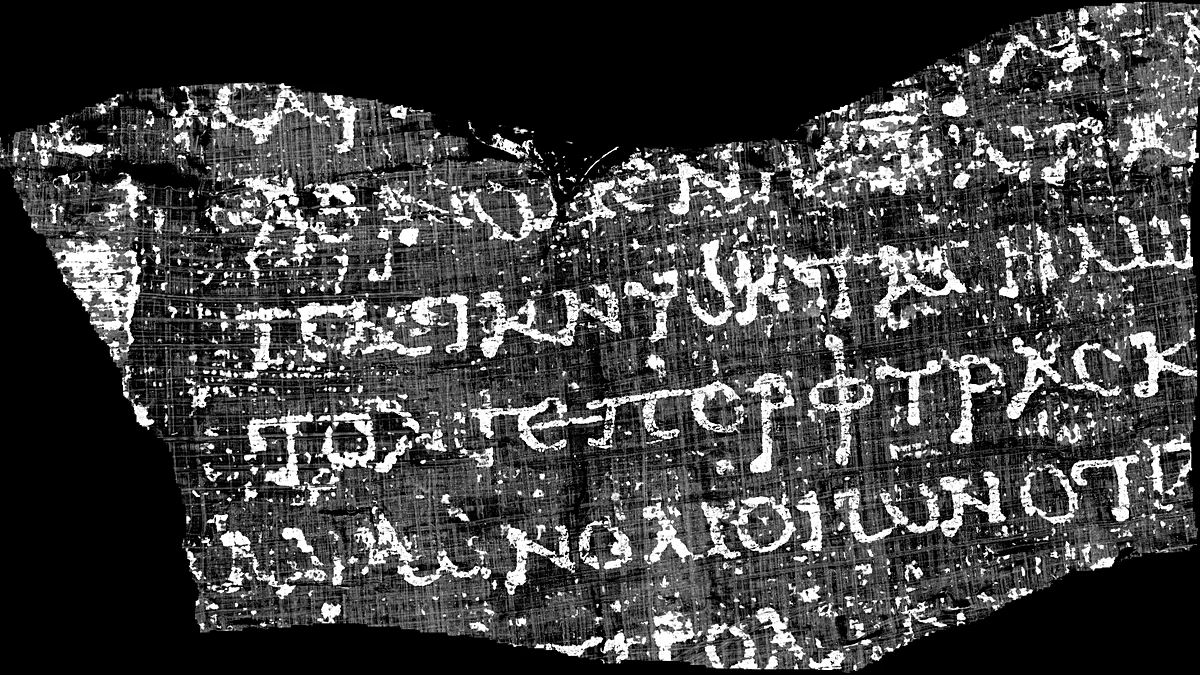
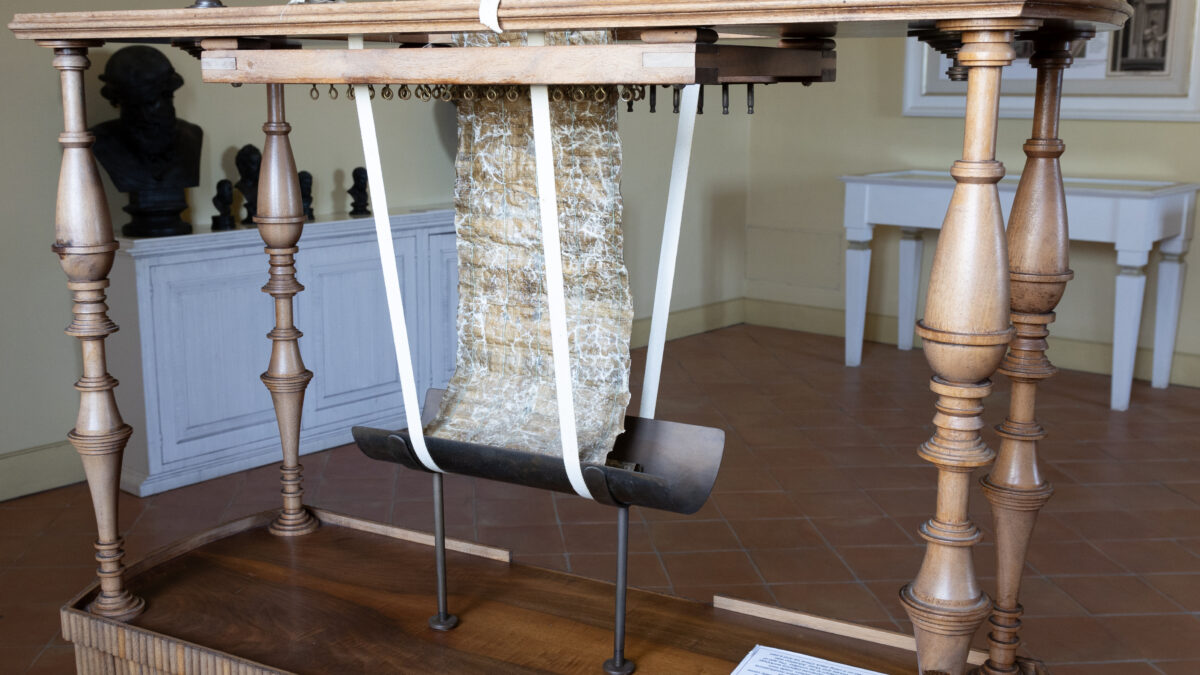
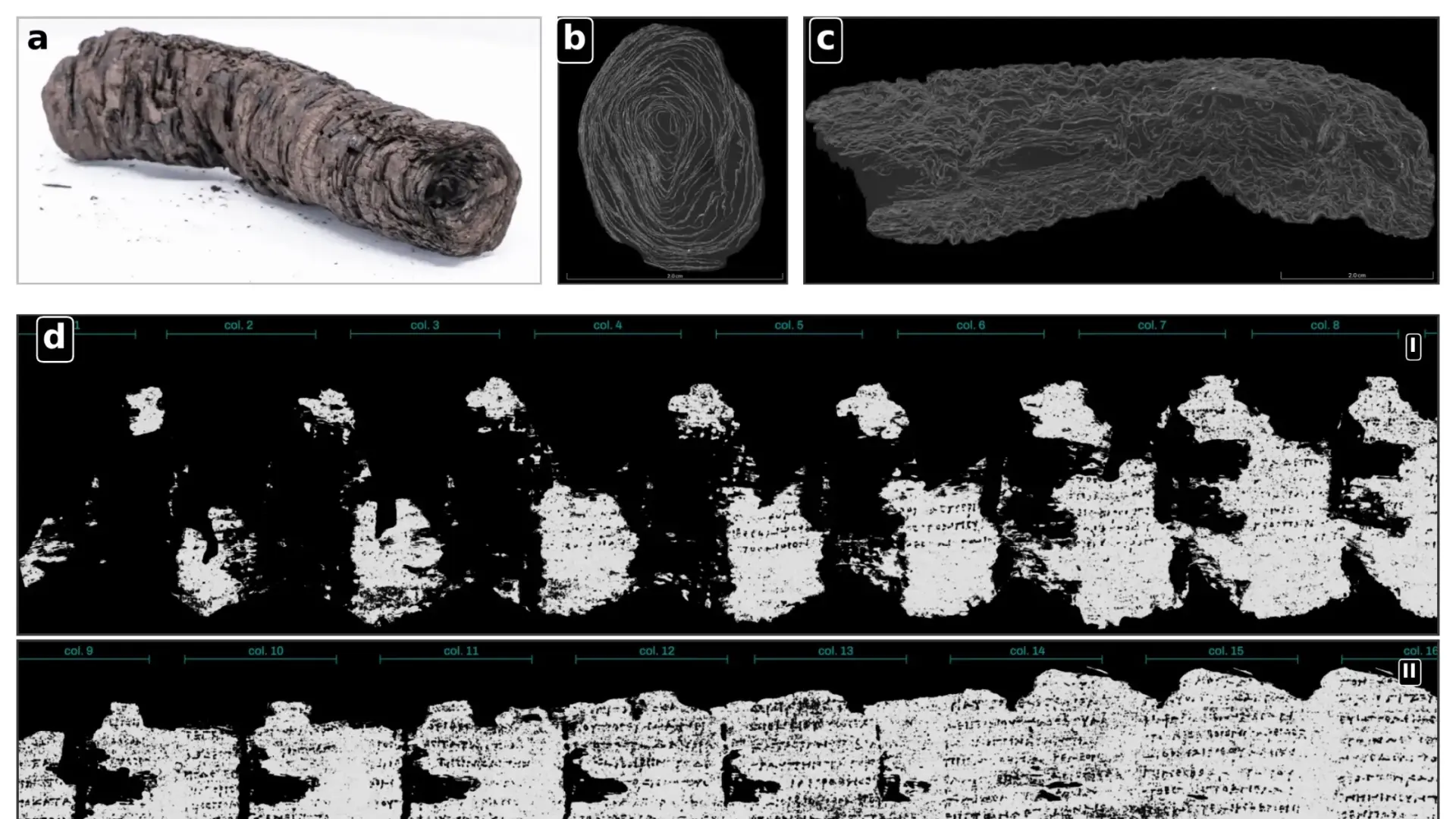
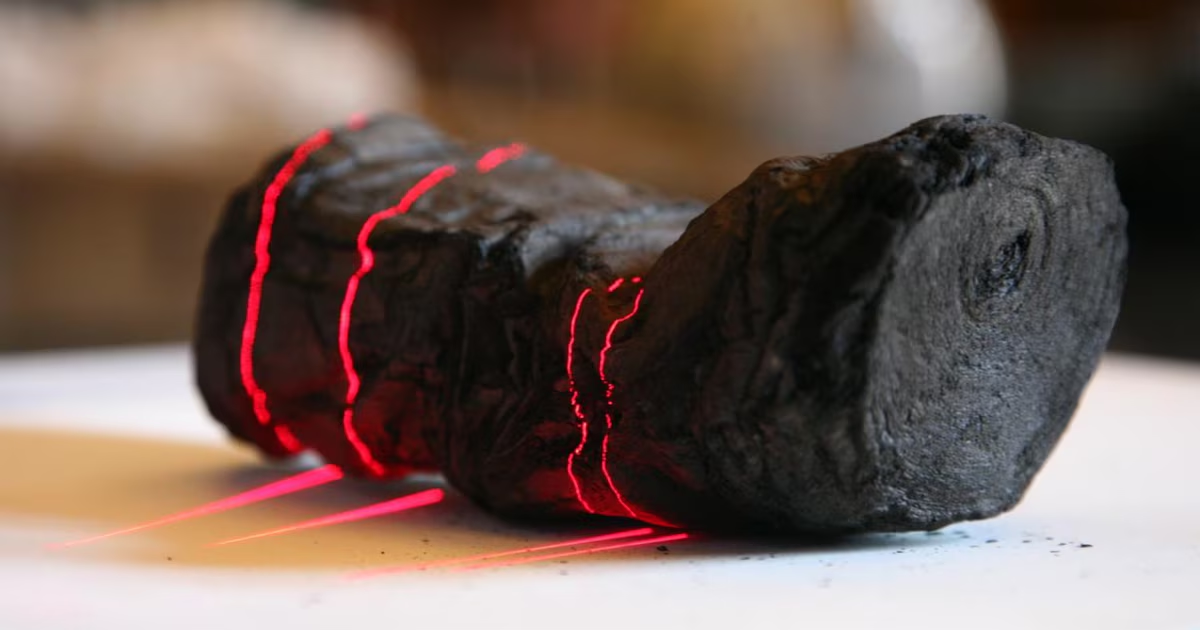
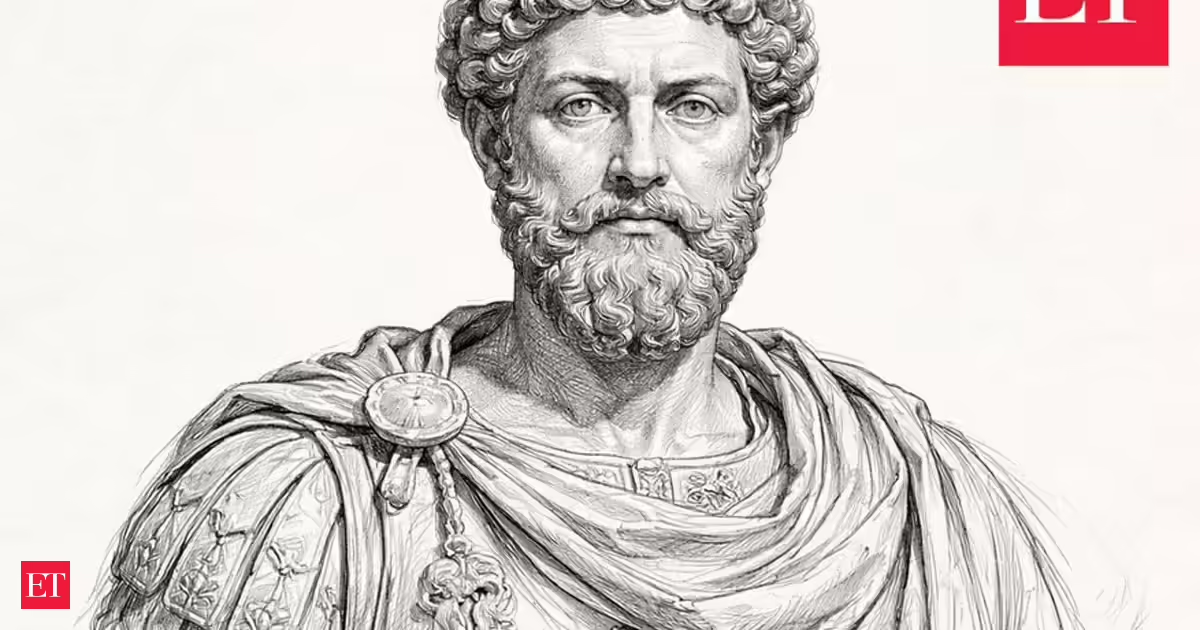
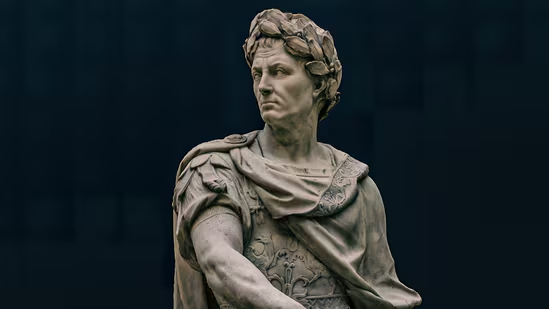
Most of our conception of Stoicism, an ancient school of thought much featured here on Open Culture, derives from the writings of just three figures: Epictetus, Marcus Aurelius, and Seneca the Younger. But there were other Stoics, and despite their antiquity, we may yet learn more about them. Take Chrysippus of Soli, who was officially known as the Second Founder of Stoicism due to his influence on its spread throughout the Greek and Roman world. What we know of his demanding work, we know because of references written on scrolls inadvertently preserved in a villa in Herculaneum when nearby Mount Vesuvius erupted in the year 79. To date, most of those “Herculaneum papyri” have been unreadable, but soon, thanks to technologies like X‑ray microtomography and artificial intelligence, that may change.
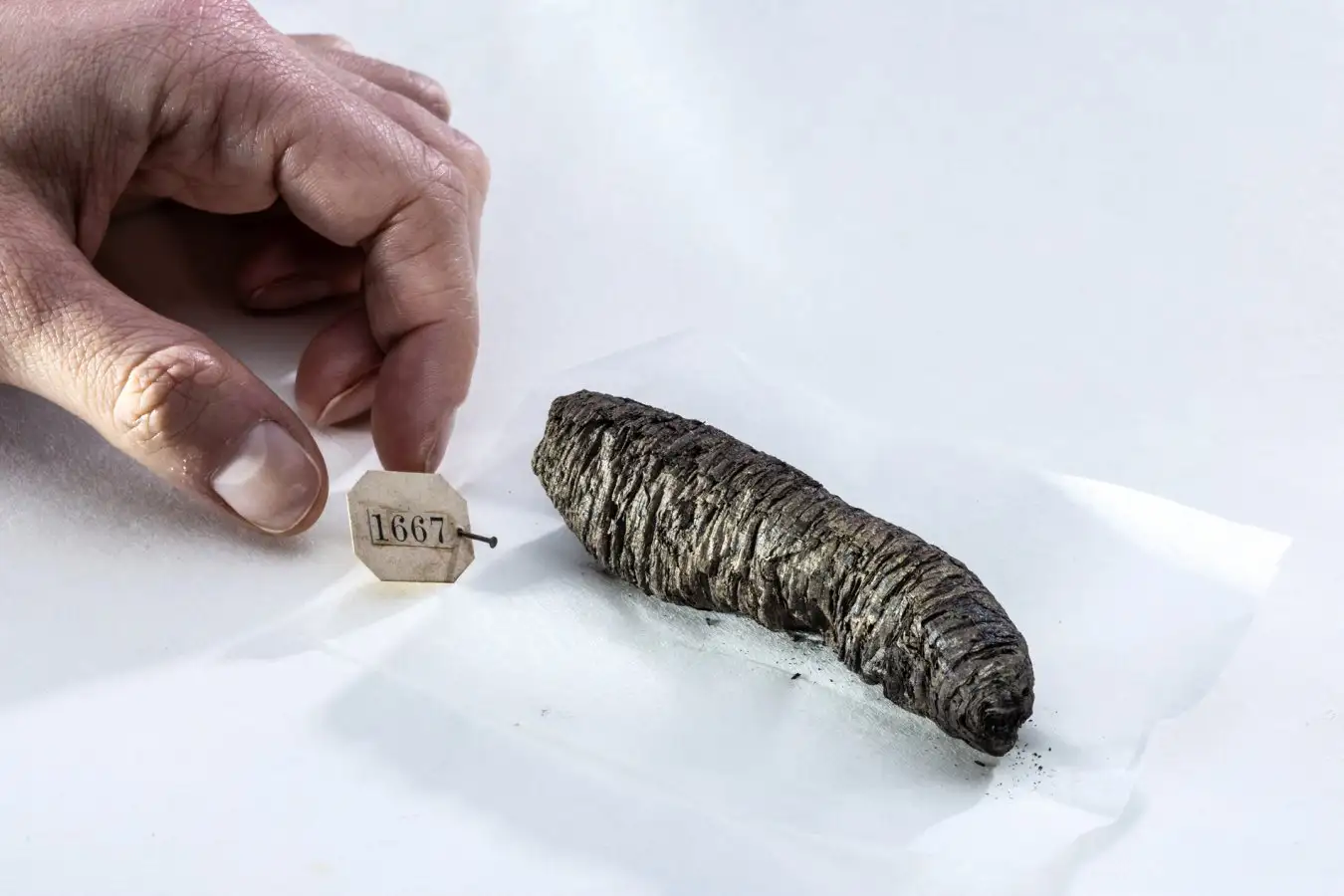
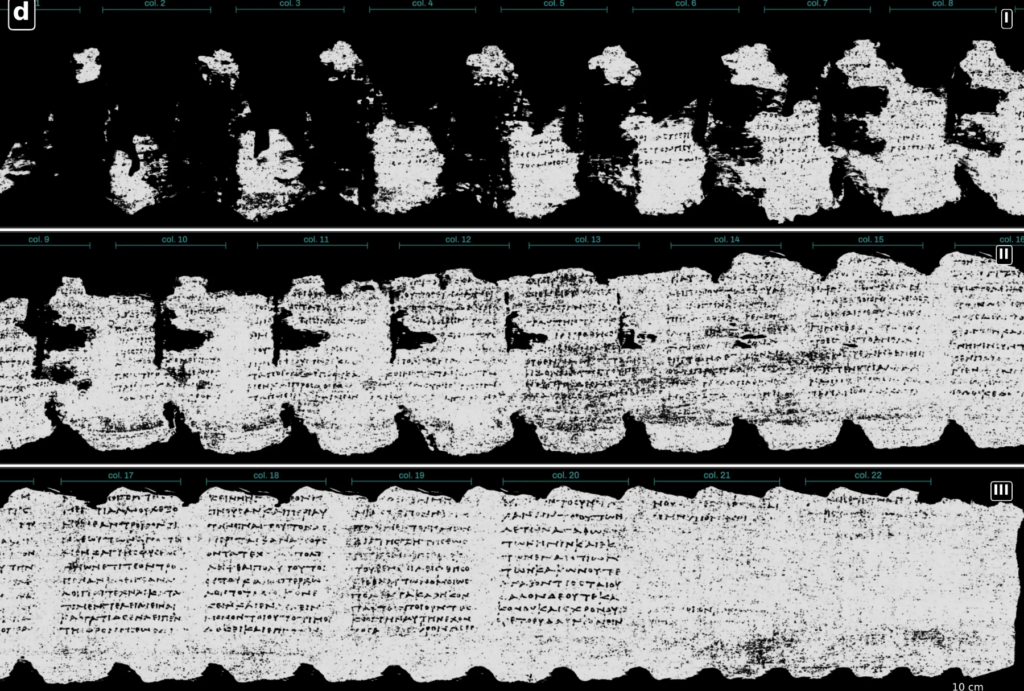
In 2023, we posted about the decoding of the first word of one such scroll, an achievement made with the incentive of prizes offered by a contest called the Vesuvius Challenge. Now, says its website, “we have completely virtually unwrapped and read PHerc. 1667 — the scroll the Vesuvius Challenge community knows as Scroll 4 — without ever touching its pages.”