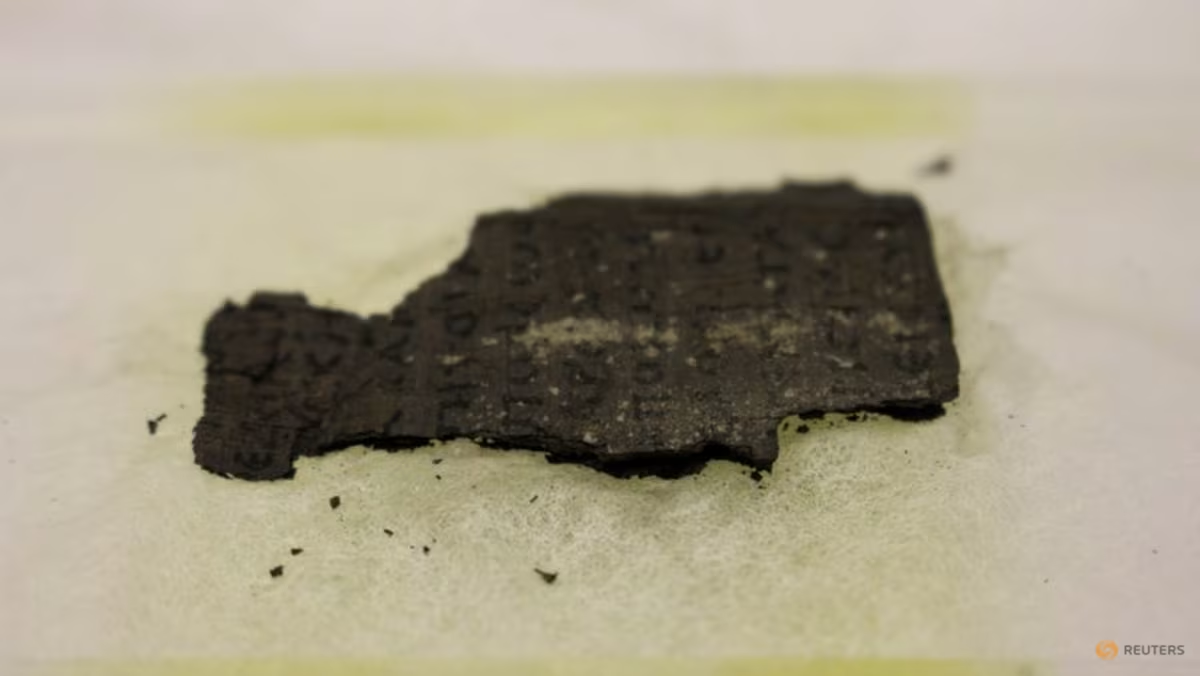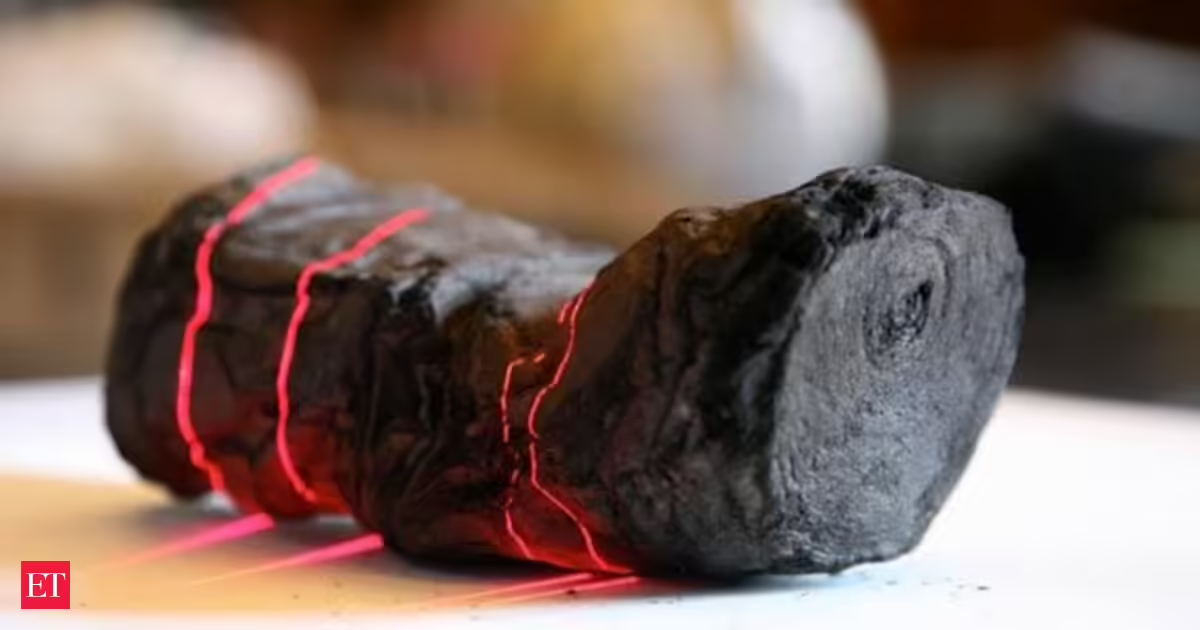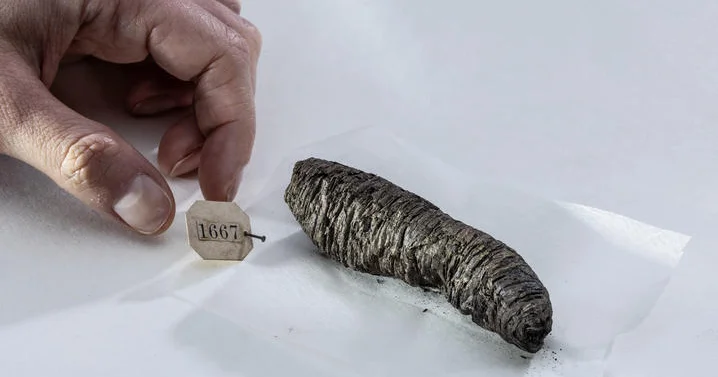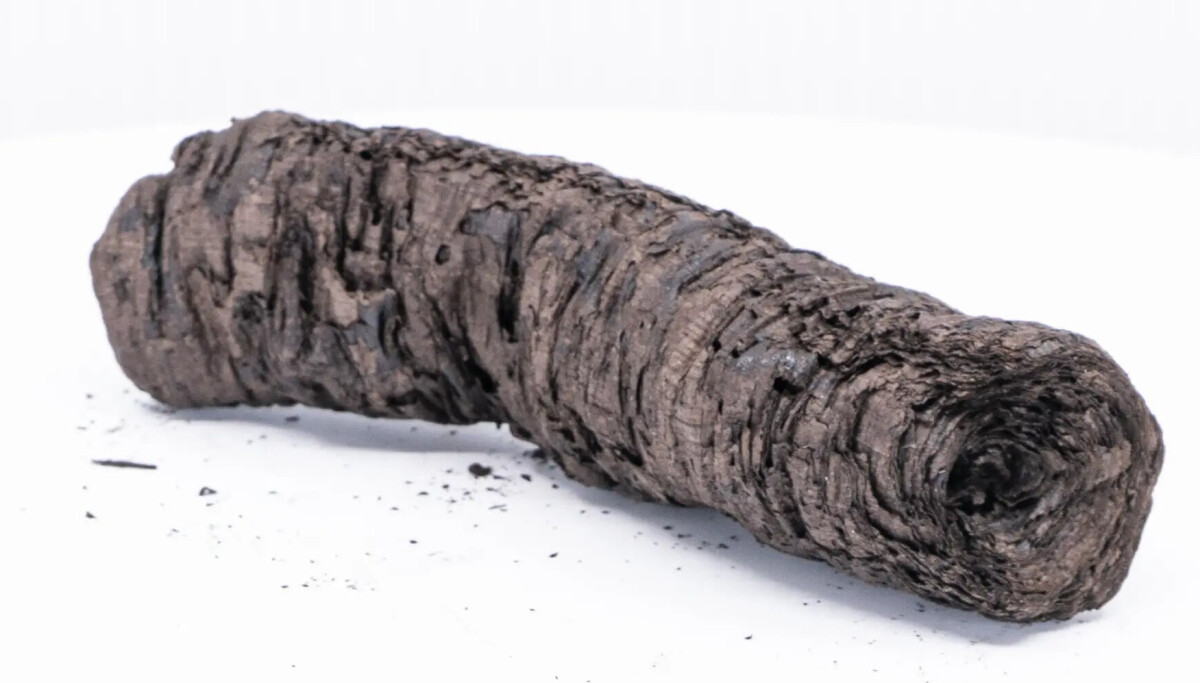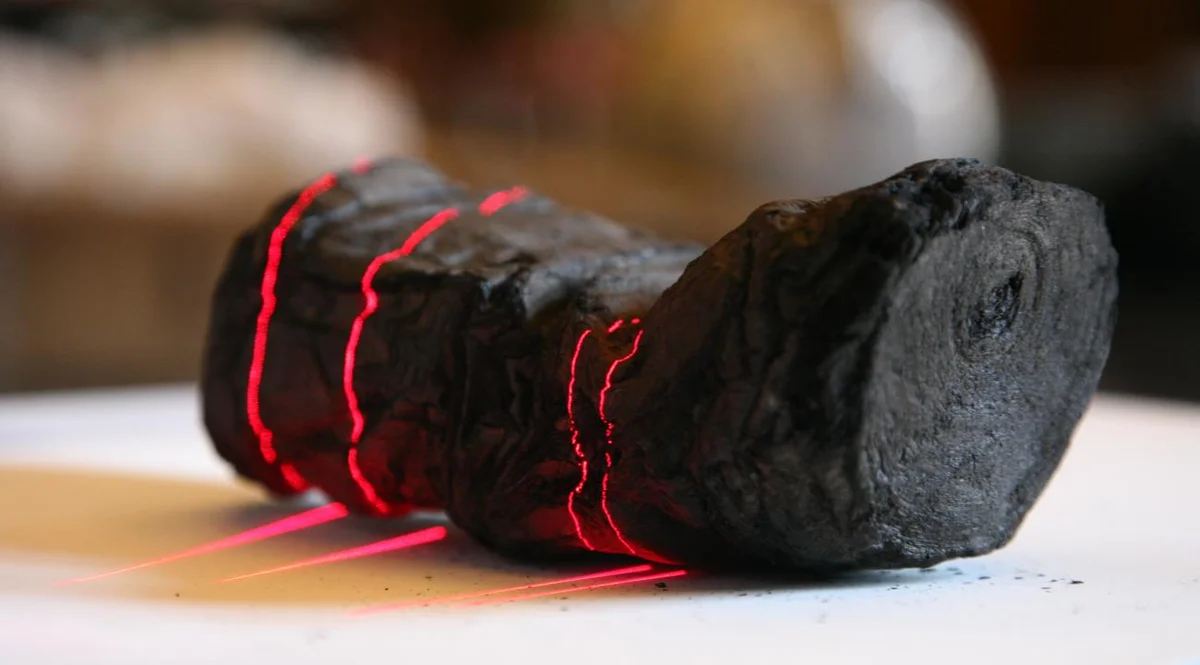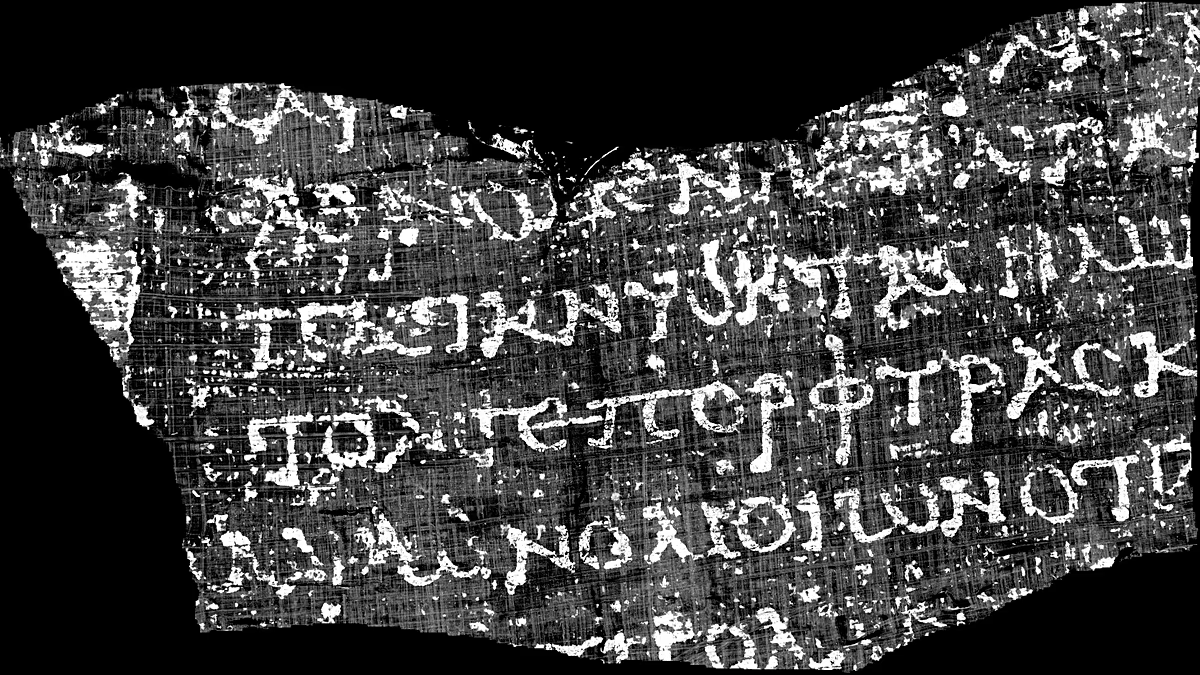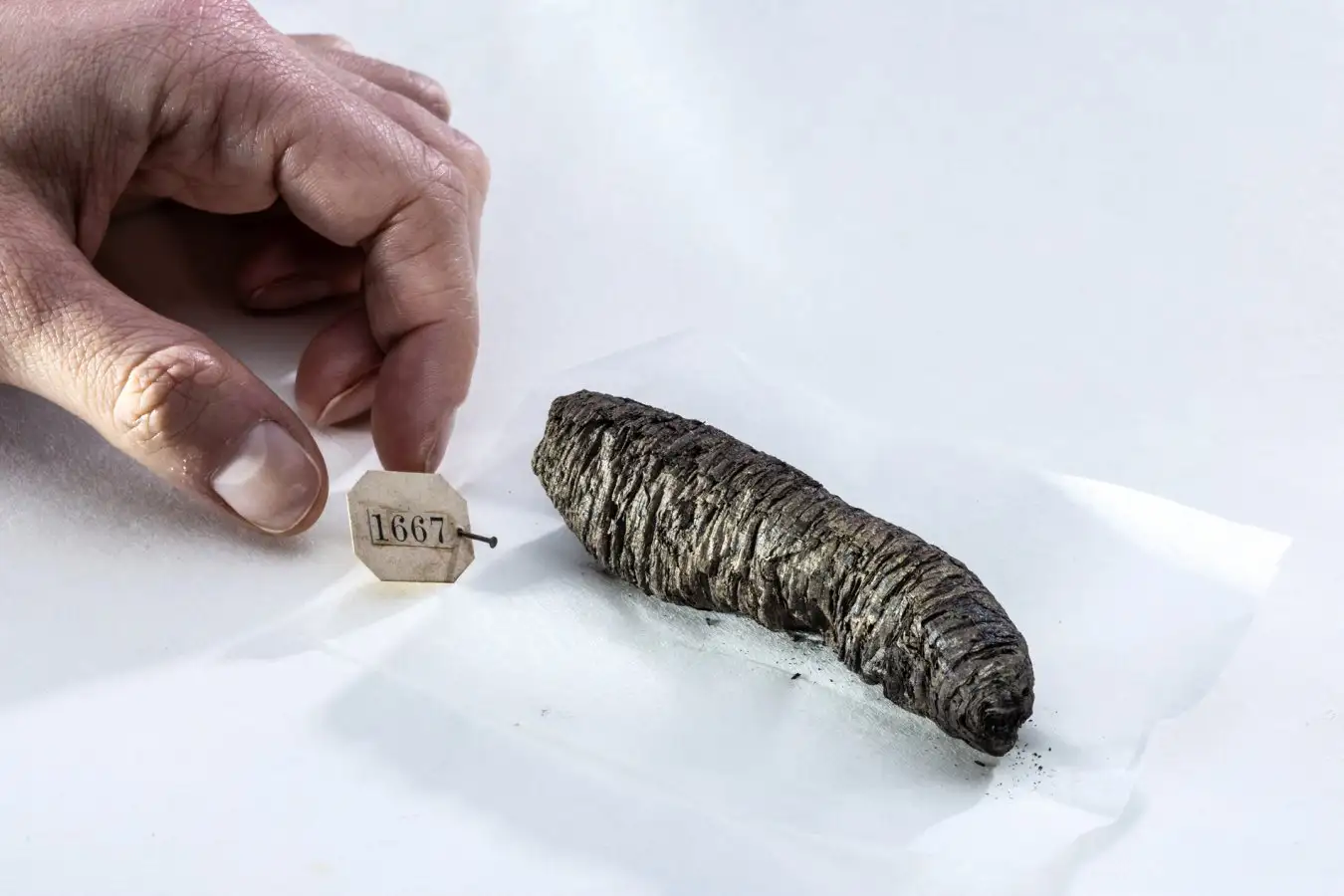
A carbonised scroll from Herculaneum that has now been read using advanced imaging techniquesPaolo Verzone/National Geographic
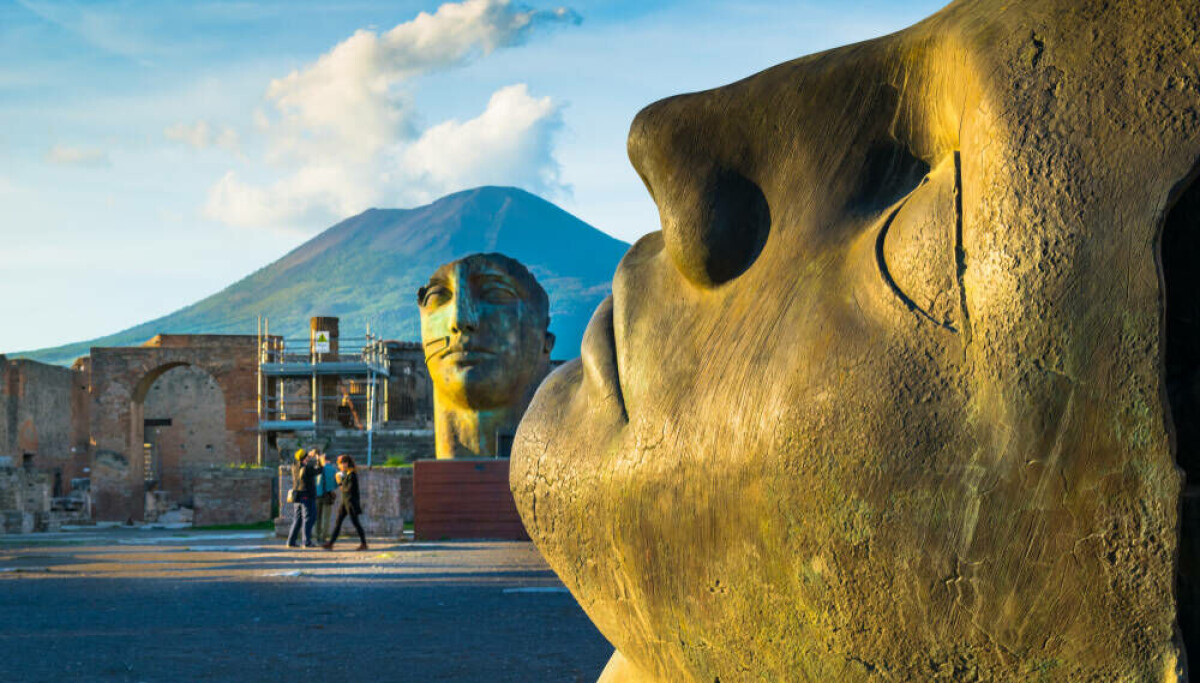
Long-lost works of ancient philosophy have been recovered from papyrus scrolls that were scorched by the AD 79 eruption of Mount Vesuvius and thought to be impossible to read. For the first time, researchers have used AI to extract the entire surviving text from super-high-resolution 3D scans of a scroll without unrolling it.
The scrolls come from the library of Herculaneum, which was buried along with Pompeii nearly 2000 years ago. Scholars have been trying to read the carbonised scrolls, which resemble lumps of charcoal, since the library was discovered in 1752. Physically unwrapping them risks their destruction and the ink they are written in is mostly indistinguishable from the charred papyri – at least to human eyes.
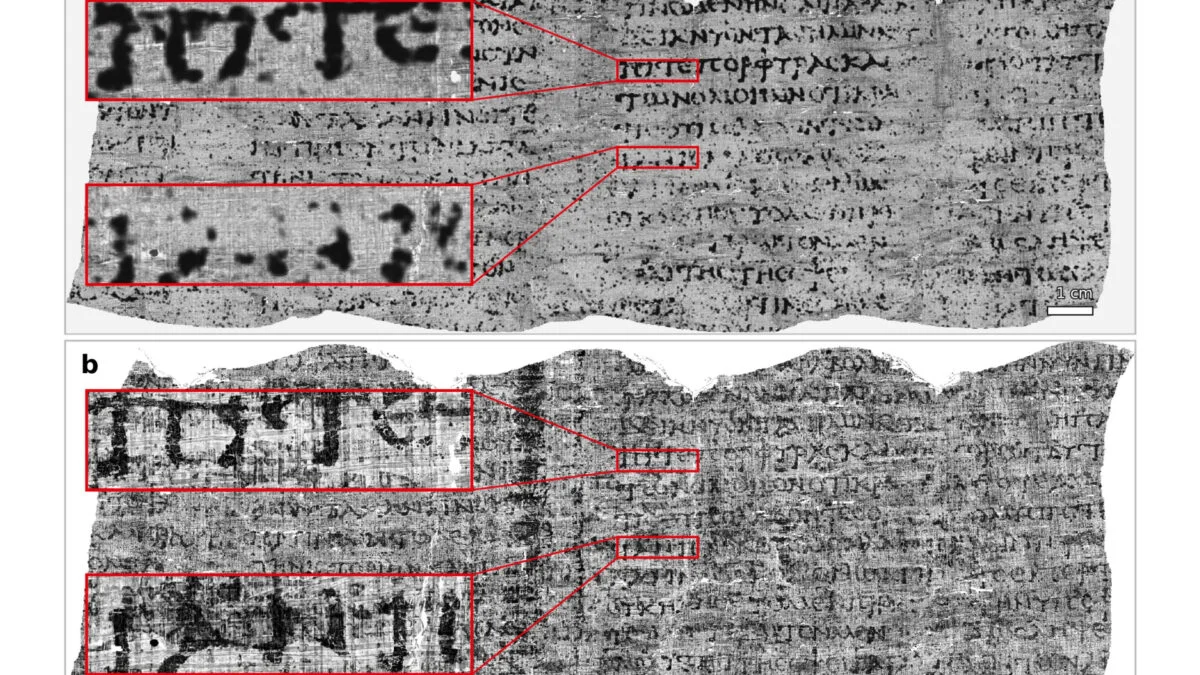
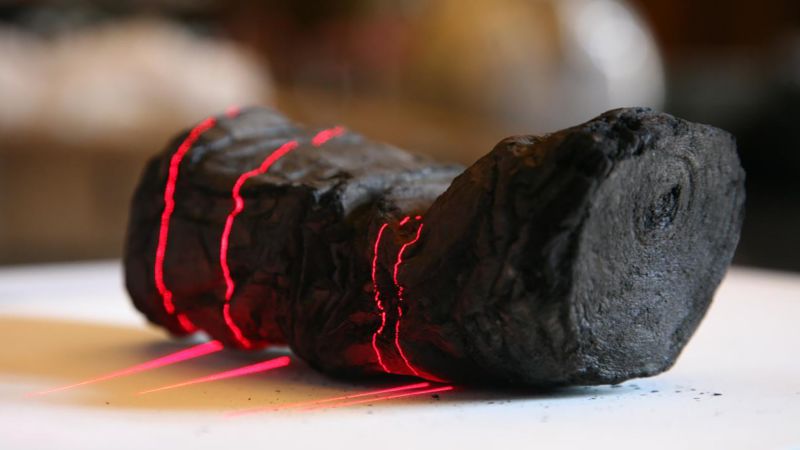
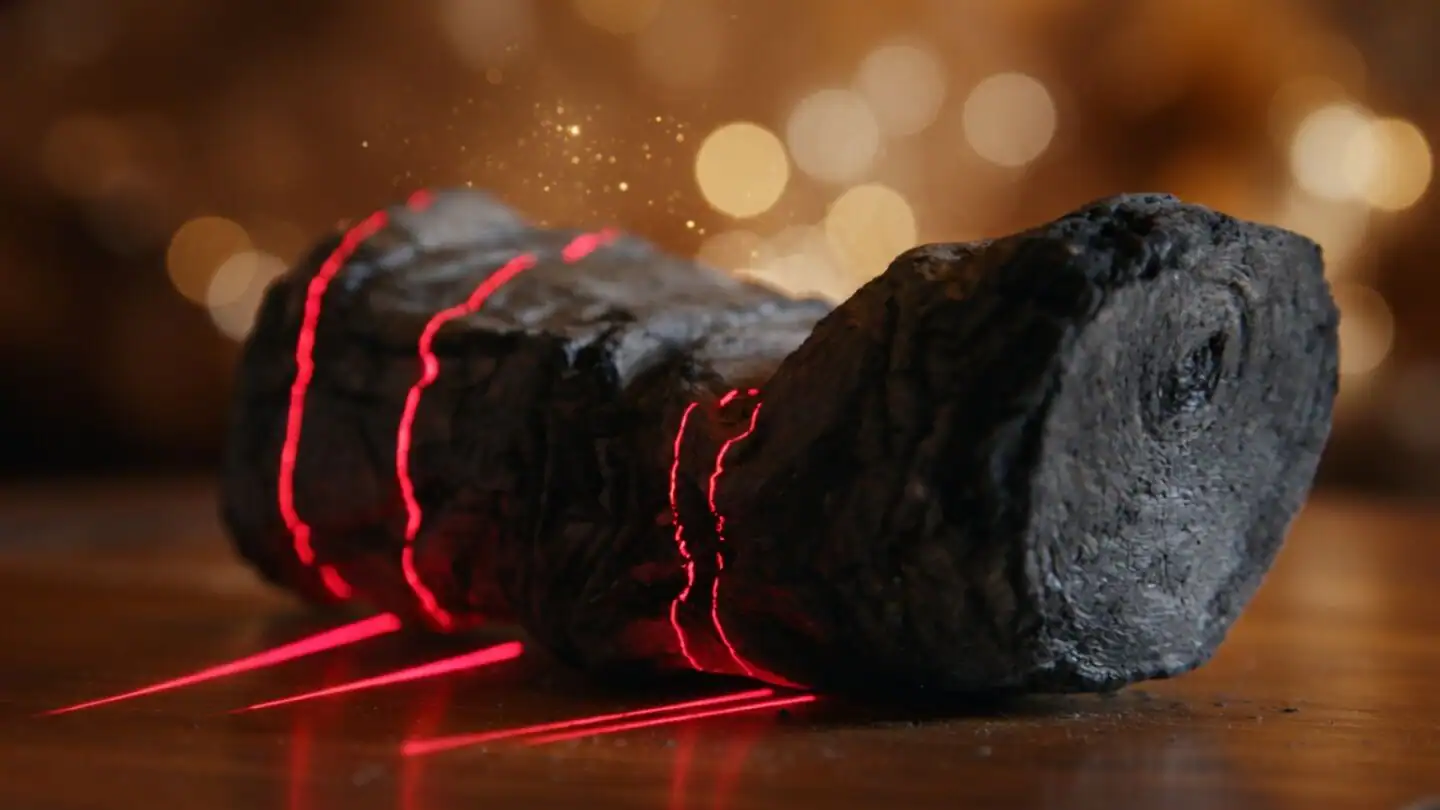
Since 2023, however, the Vesuvius Challenge project has used particle accelerators to scan dozens of scrolls and provided the scans to an online community, who have helped write AI software to digitally unwrap the scrolls and detect ink on them. The approach has made book titles, authors and short passages readable.
Now, though, the team has uncovered 1.5 metres of text, written across 22 columns, from a 2-centimetre-wide scroll core whose outer layers were stripped off by scholars through the centuries in an effort to read it.