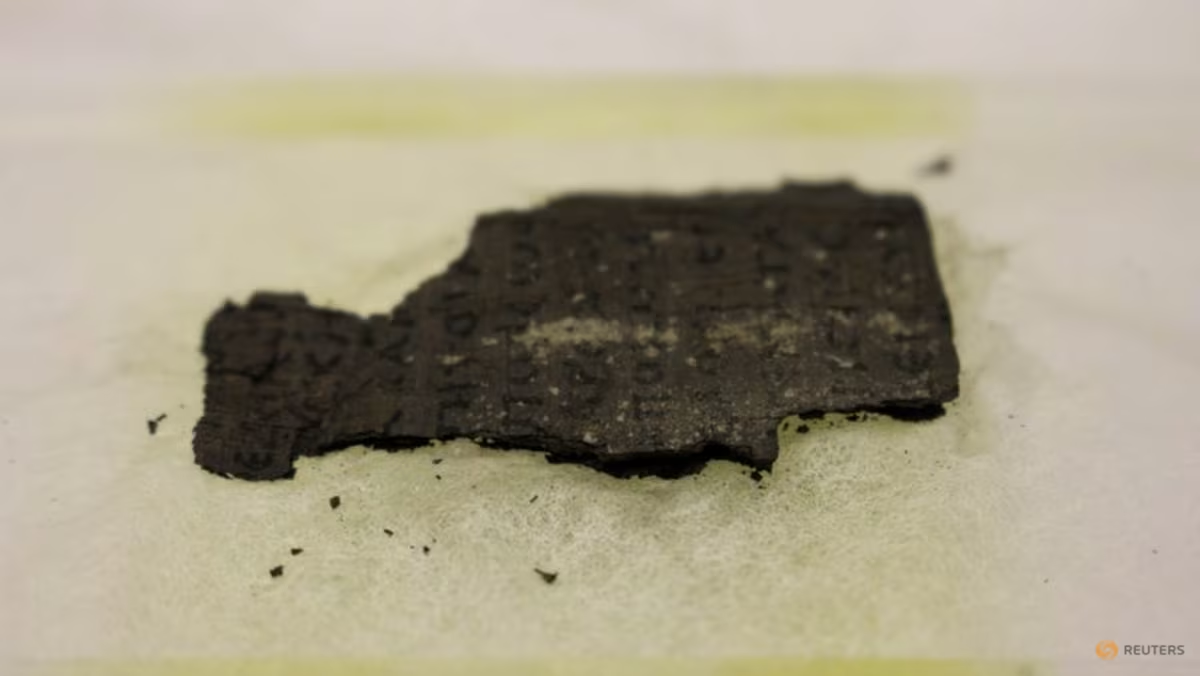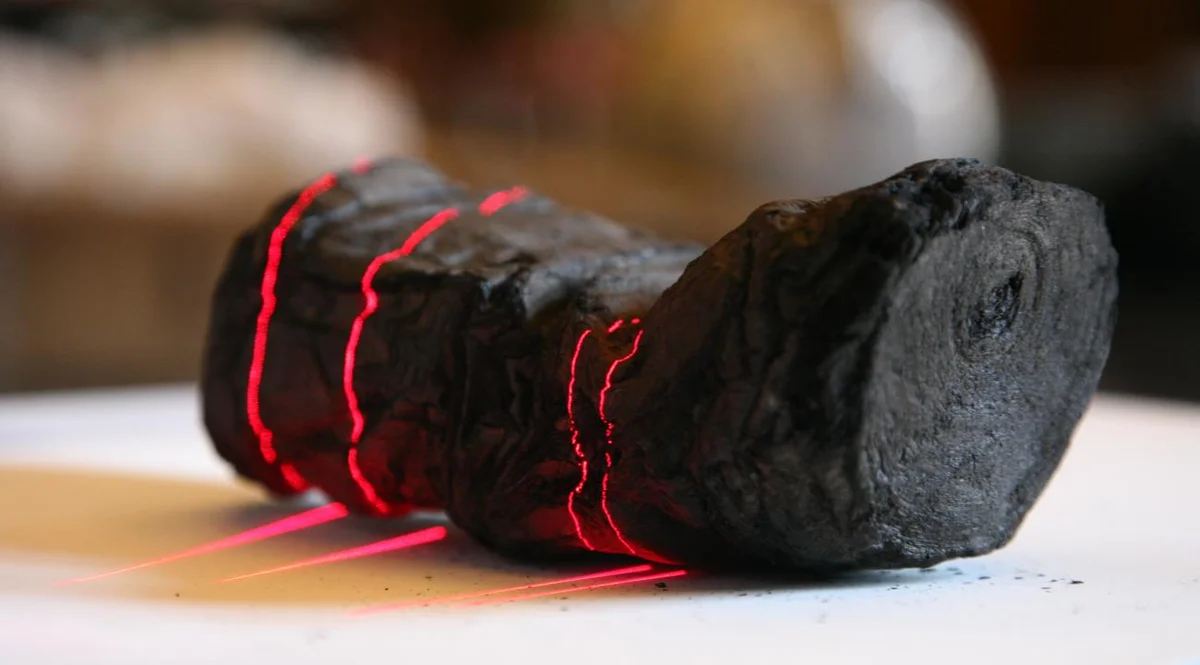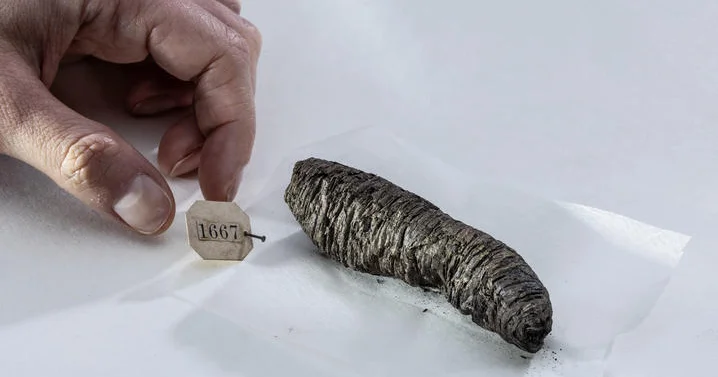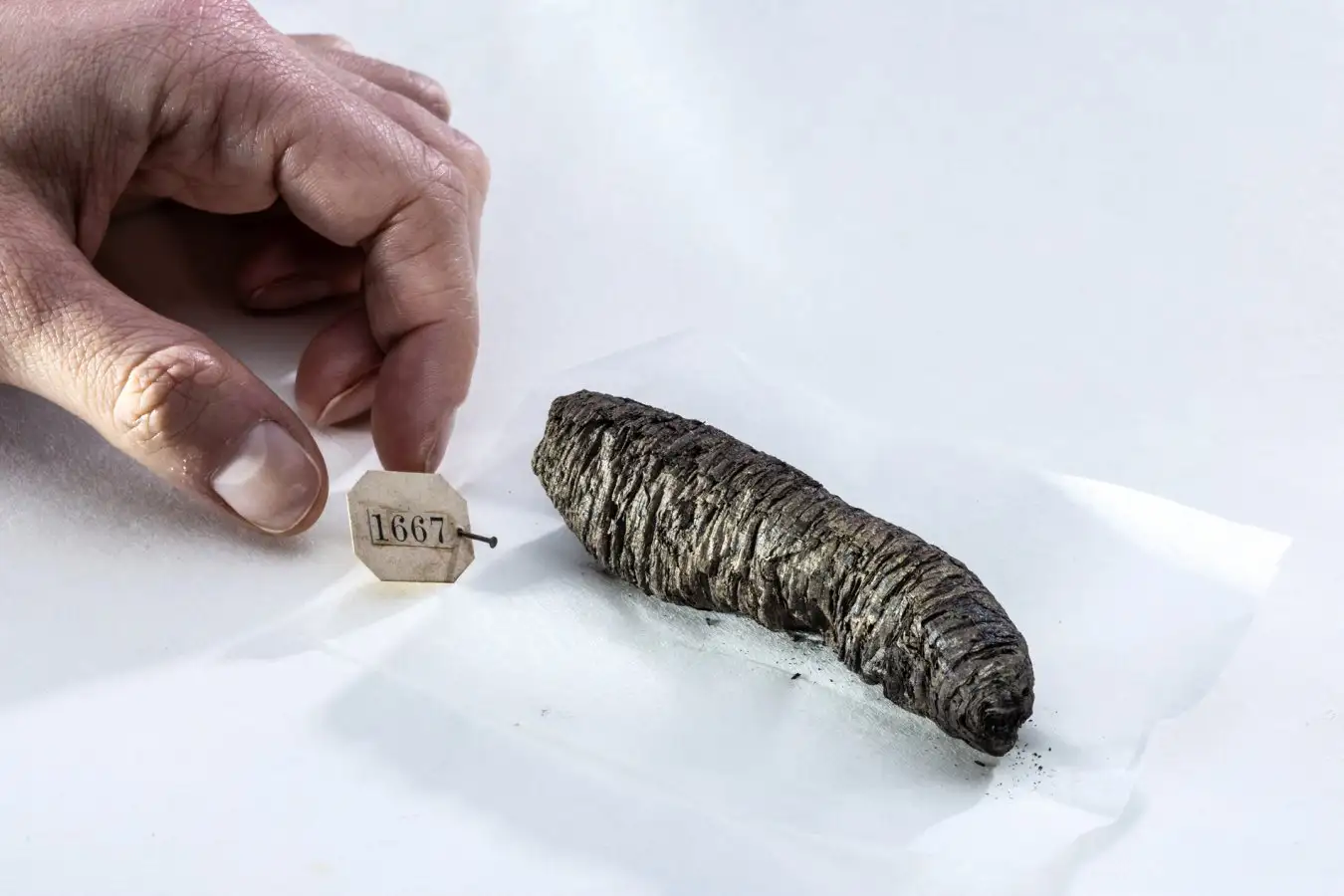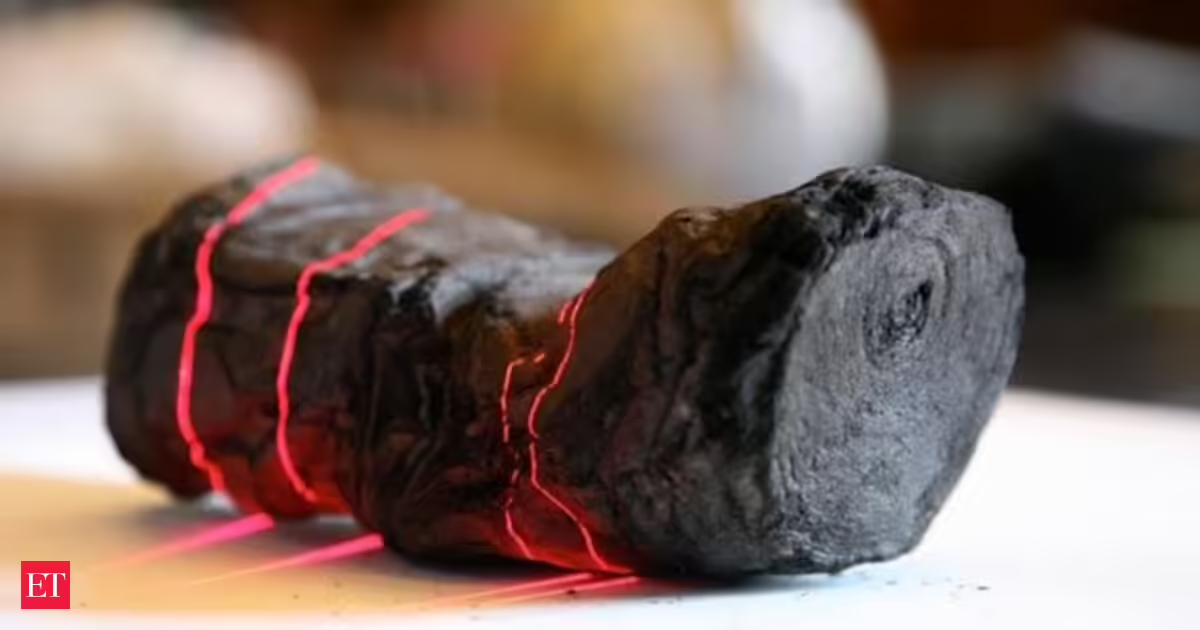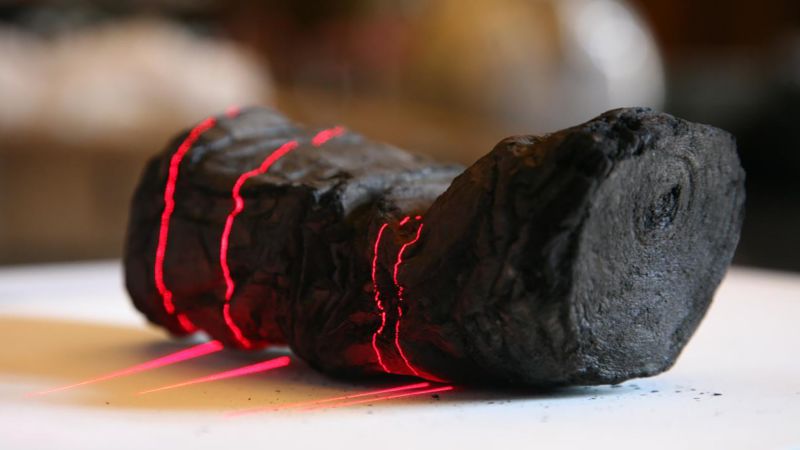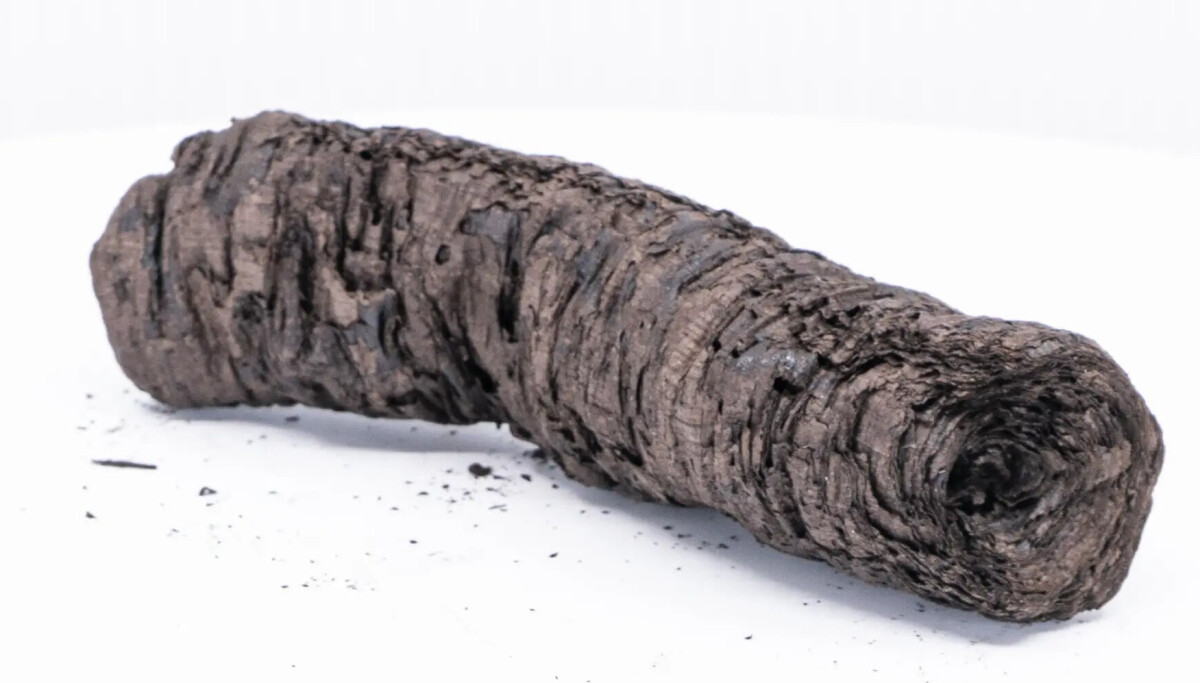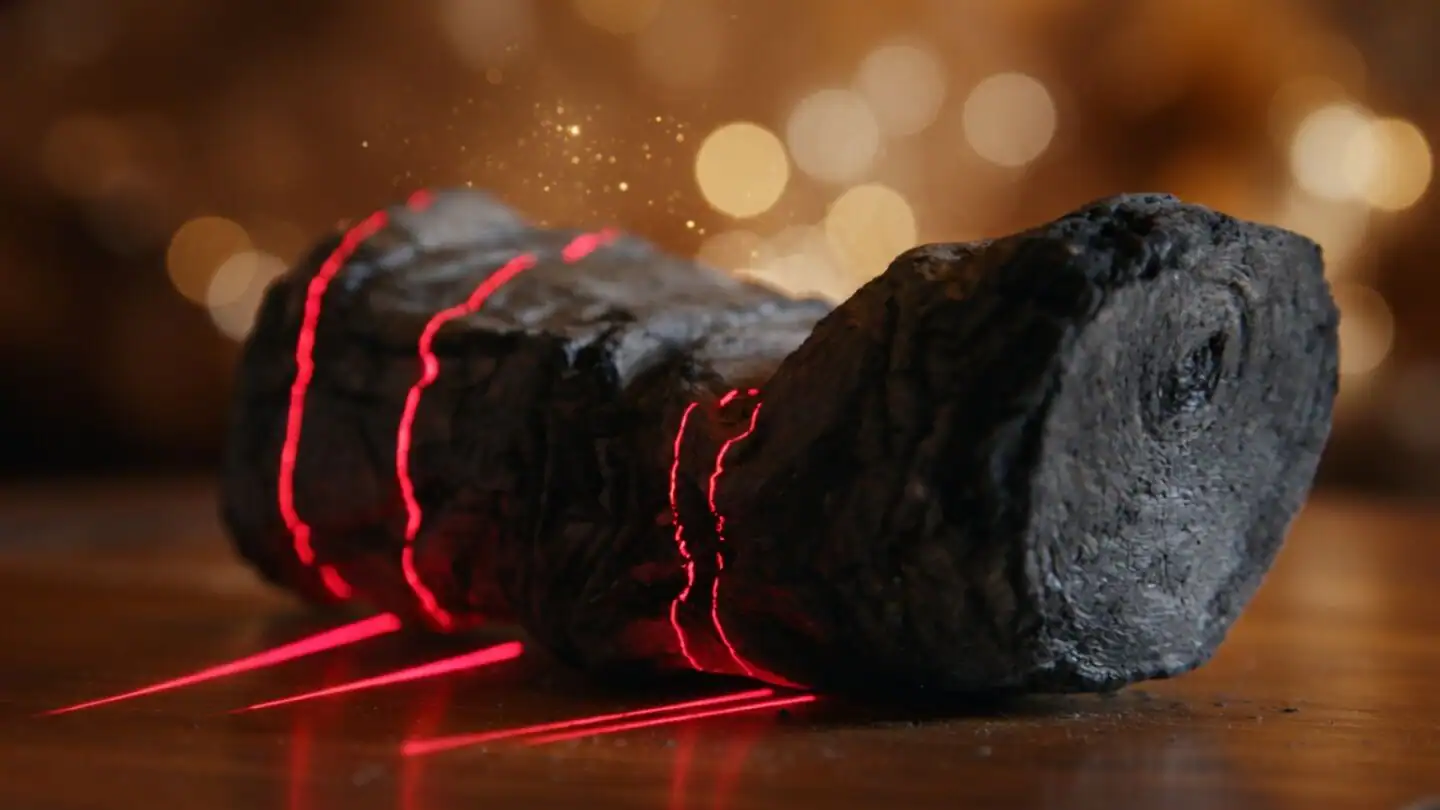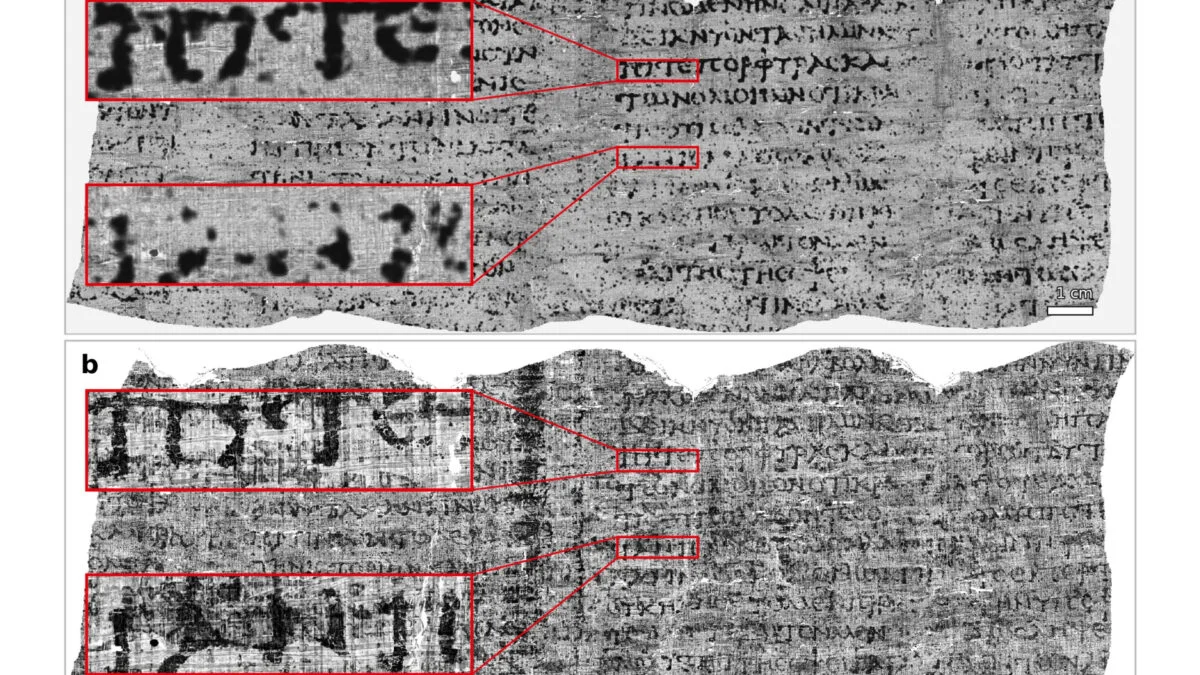
Almost 2,000 years ago, Mount Vesuvius devastated the Roman city of Pompeii and its neighboring town, Herculaneum. Miraculously, however, a library of ancient scrolls at Herculaneum survived—in a carbonized form so fragile that scholars dared not touch it. But scientists found a workaround, as they typically tend to do. In a first, researchers succeeded in virtually unwrapping and deciphering “PHerc. 1667″—roughly 4.6 feet (1.4 meters) of papyrus and 22 columns of Greek. The findings, reported in a preprint, represent a milestone of the Vesuvius Challenge. The challenge is a global competition calling for all and any qualified teams to use machine learning, computer vision, and geometry to retrieve valuable information from the carbonized Herculaneum scrolls. A section of the scroll, unscrolled with advanced technology. © Vesuvius Challenge “Just a year ago it would have been crazy for any of us to believe that there would be a complete scroll read completely non-invasively with hundreds of columns of text,” Brent Seales, project co-founder and a computer scientist at the University of Kentucky, said in a press conference on the milestone. “And today, we showed you that that has happened.”
In a First, Scientists Fully Read a Charred Herculaneum Scroll—Without Ever Opening It
“These unopened Herculaneum Scrolls look like dead books, but they’re not. They’re starting to speak again.”
532 words~2 min read