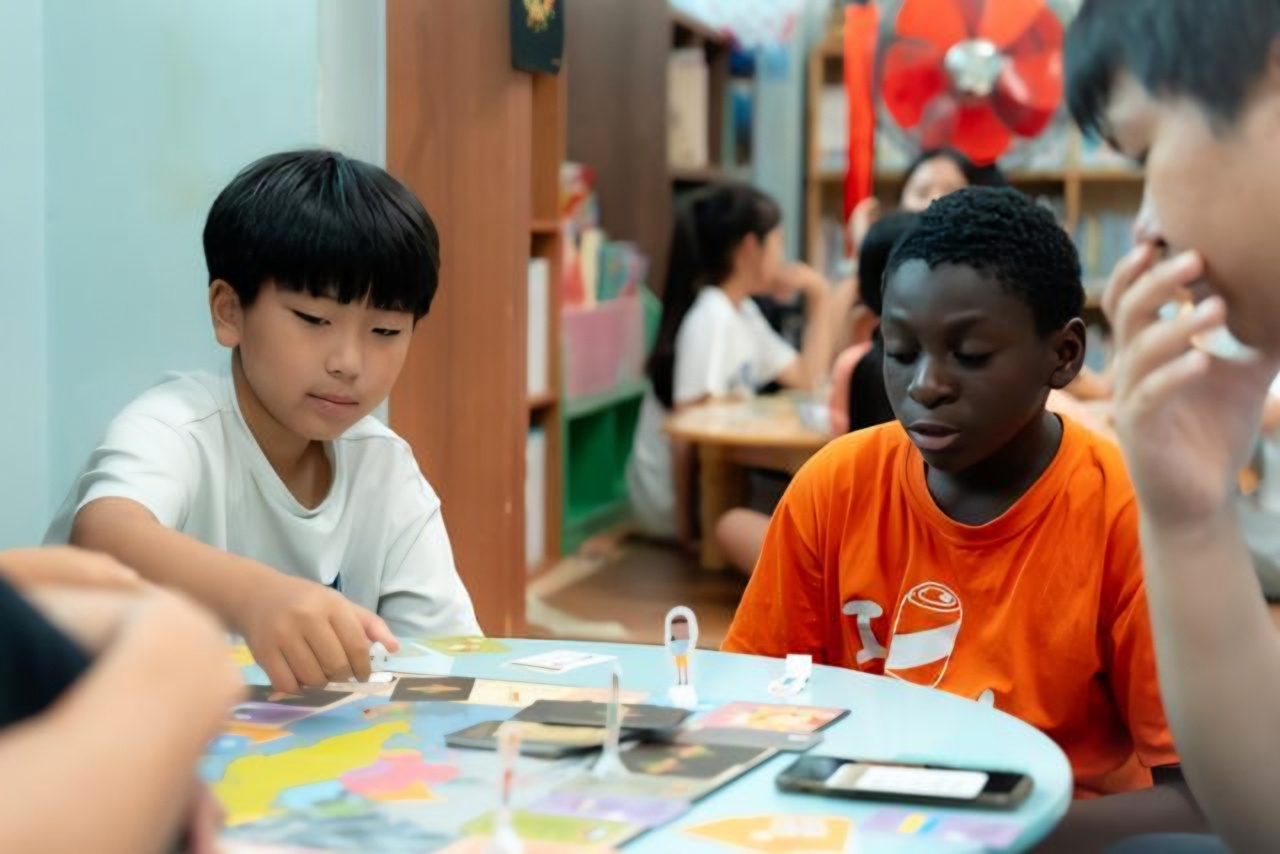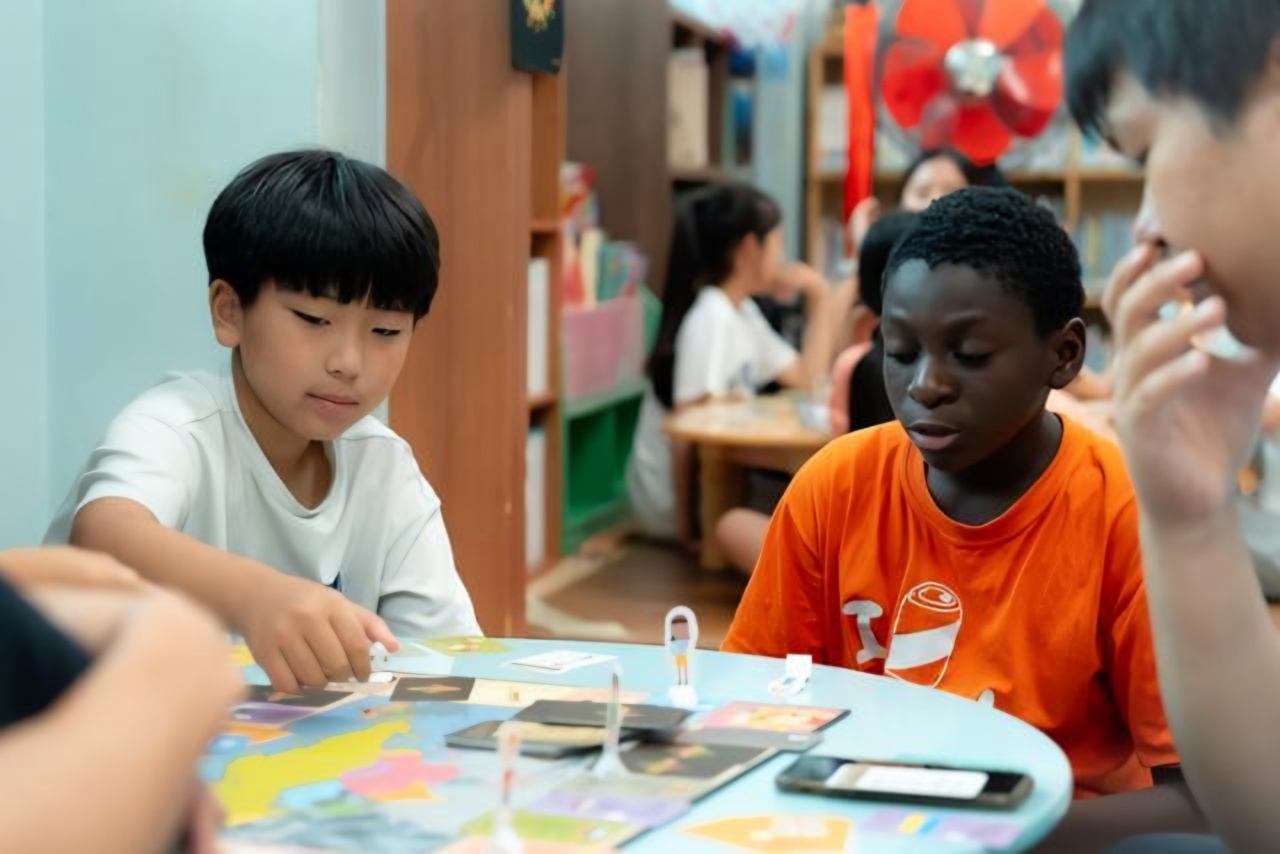
Children participate in a cultural diversity class at Segyero Local Children's Center in Gwangju in August, 2023. Yonhap
For immigrant families navigating the grueling early months of relocation, economic survival often hinges on a simple question: Who will watch the children? In Korea, where a shifting demographic landscape has forced a dramatic rethink of immigration policy, Gyeonggi Province said Tuesday that it will immediately eliminate a contentious 90-day residency requirement that had blocked newly arrived foreign workers and residents from accessing child care subsidies.
The sweeping policy shift, set to take effect in July, represents a calculated attempt by provincial authorities to close a glaring regulatory gap that had left children of migrant families vulnerable during their critical initial transition period.
Previously, local ordinances in Gyeonggi Province — a massive economic engine enveloping Seoul that houses the country’s largest concentration of foreign workers — forced immigrant parents to pay for daycare entirely out of pocket until they reached the three-month mark, regardless of their legal registration status.
Under the newly amended Gyeonggi Foreign Resident Support Ordinance, any child aged five or under will be eligible for full municipal child care subsidies the moment their official alien registration card is issued. The move is designed to alleviate the staggering financial burdens placed on multinational households, ensuring that parental legal status or date of arrival does not dictate a child's early developmental care.