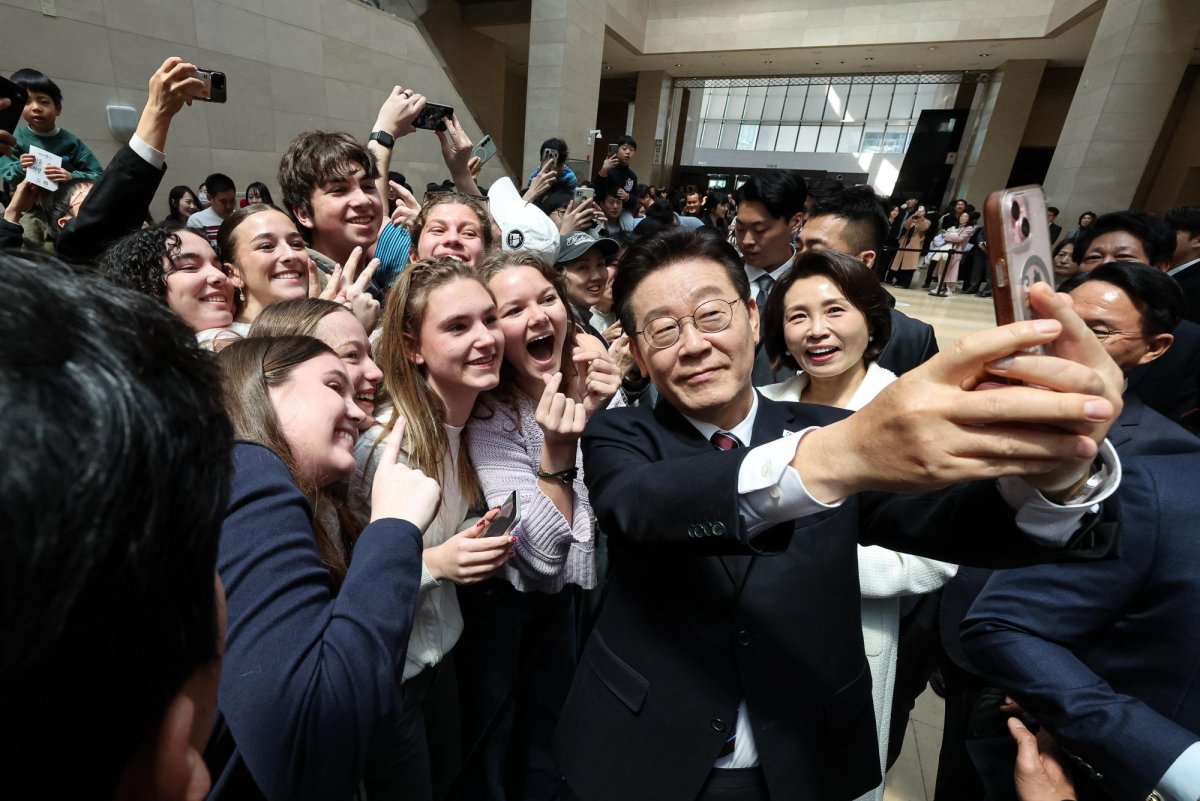
International students at Ajou University in Suwon, Gyeonggi Province, celebrate Ajou International Day on Nov. 9, 2023. (Yonhap)
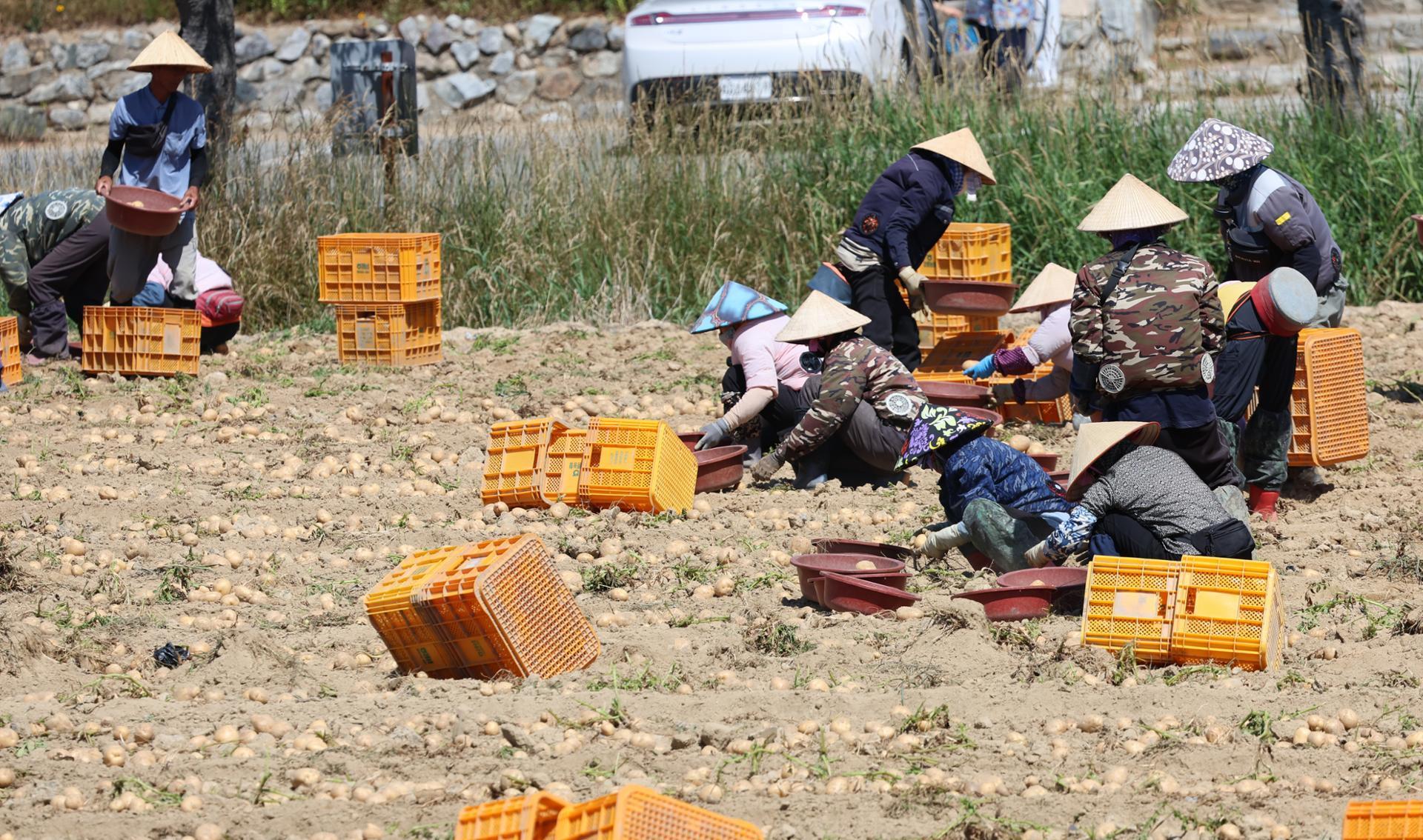
South Korea’s international population has continued to grow amid an all-time low birth rate and trends of population aging and decline.But critics contend that little progress has been made in terms of systems to support these international residents in finding their footing.In a Ministry of Justice monthly statistical report on immigration and foreign resident policy, the number of international residents in South Korea was calculated at 2,448,401 as of late January, up by 14.1% from the same month in 2023.The number included 1,893,911 long-term residents, or roughly triple the 554,490 short-term international residents counted. The population of international residents rose from around 1.96 million in late 2021 to 2.25 million in late 2022. By late 2023, it had reached 2.51 million, or roughly 5% of the overall population.The South Korean government has also been gradually expanding the numbers of foreign workers and other immigrants. With a worsening trend of population decline — particularly impacting small businesses and regions outside the Seoul metropolitan area — attracting international residents is being viewed as a necessity rather than a choice.In addition to the allocation of seasonal international workers, issuance of employment permit system (E-9) visa, and expansion of yearly quotas for skilled workers, a regional specialized visa pilot program has also been underway for metropolitan and basic location governments facing severe workforce shortages.The aim is to increase the de facto population by issuing customized visas reflecting regional workforce demand and by assisting international residents with establishing themselves in South Korea. Avenues are also being opened in the areas of caregiving and services through the introduction of a system for international domestic workers, for which a pilot program will begin this year.But critics argue that the administration’s policies are focused mainly on supplying workers to relieve domestic shortages, while relatively neglecting the areas of settlement and support, which involve creating conditions for international residents to actually establish themselves.