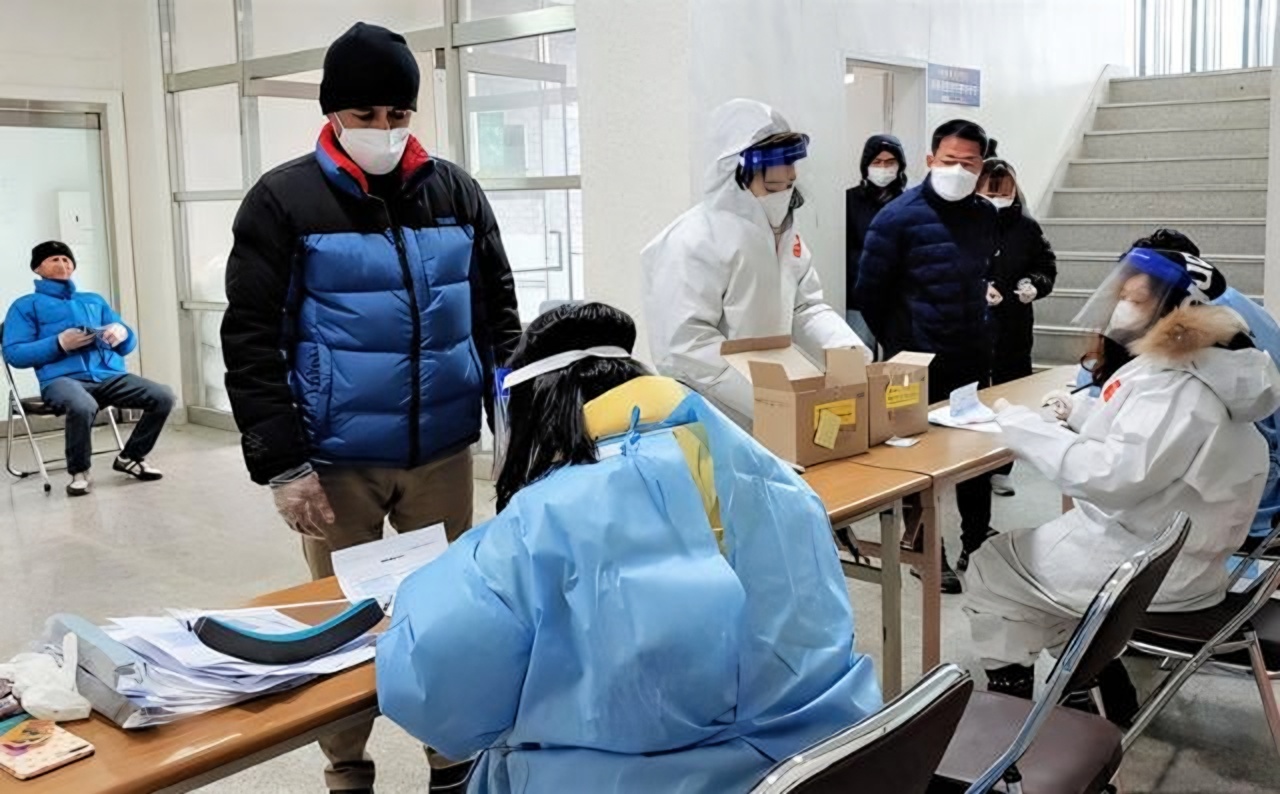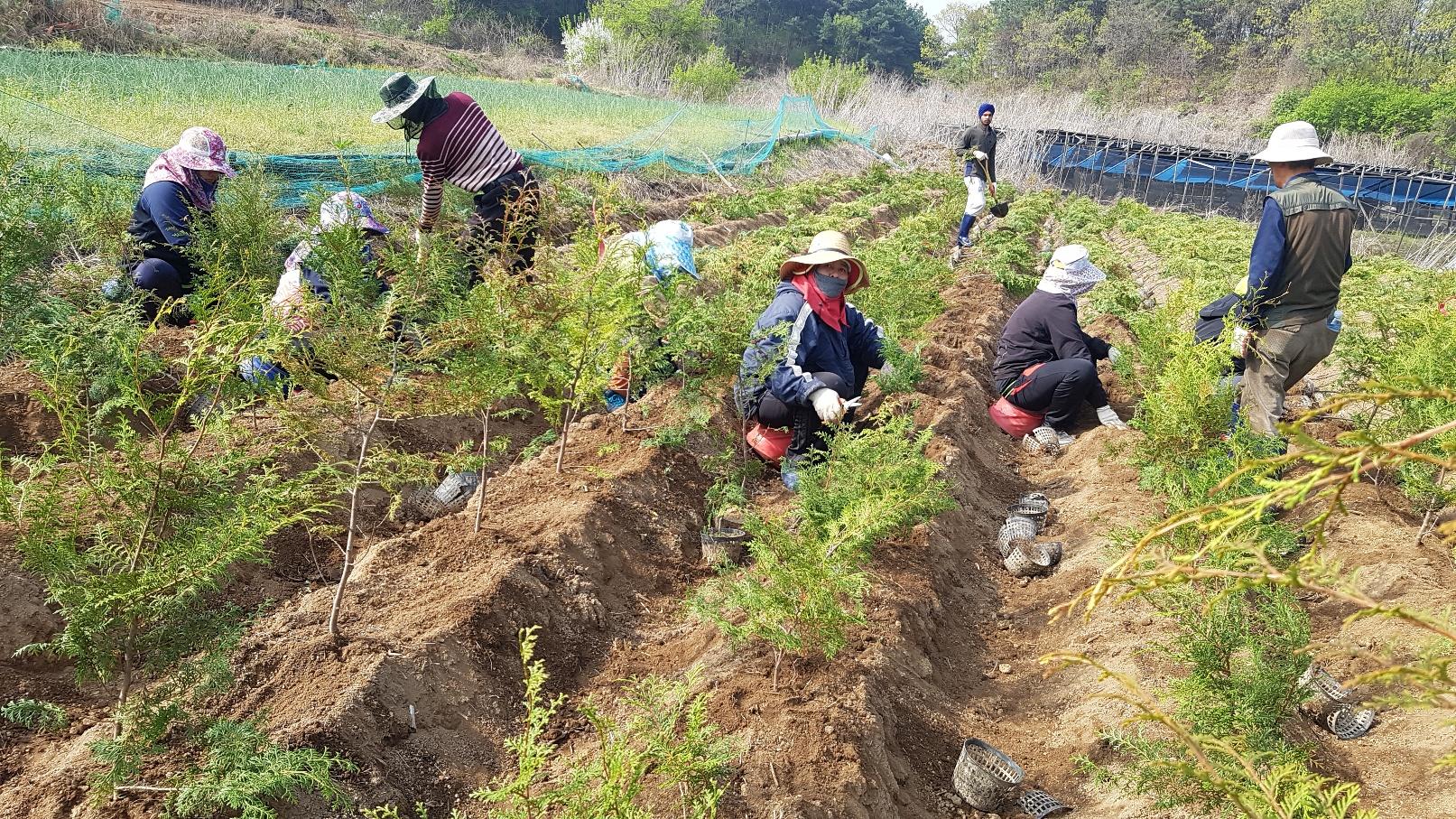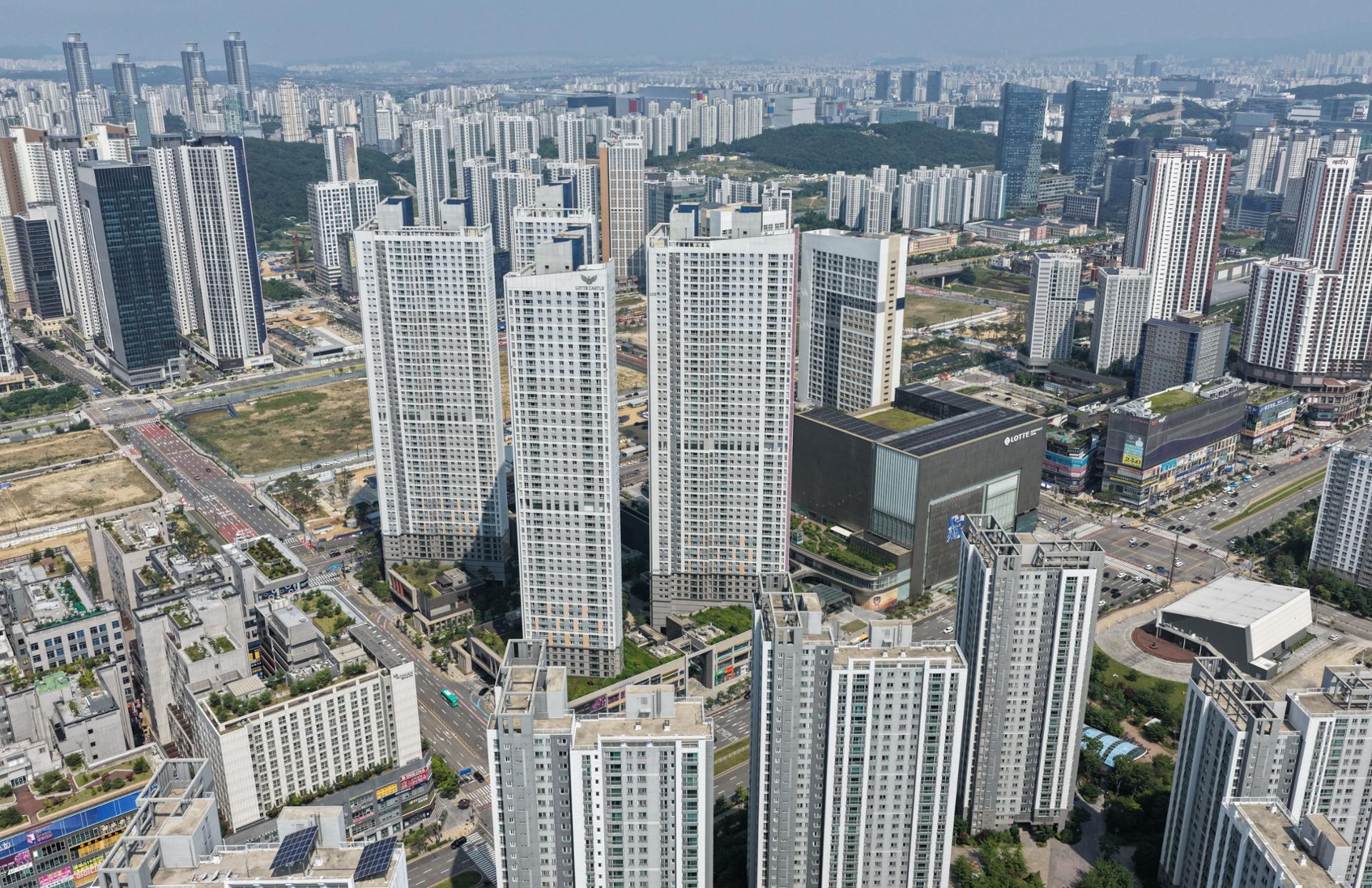
Empty beds are seen in a hospital. (Herald DB) Gyeonggi Province is moving to provide essential medical care to foreign residents who are unable to enroll in the public health insurance system because they don't have a valid visa.According to the provincial government on Friday, the ordinance to provide legal ground for the new program was passed by the provincial council Wednesday. It will be provided for foreign residents who have lived in the province for at least 90 days but cannot enroll in the National Health Insurance system because they are in the country illegally.Once the program is launched, support will be provided to those who require medical treatment from a public health perspective. Pregnant women, young children and people suspected of having or diagnosed with contagious diseases will be given priority.The ordinance stipulates the governor's responsibility to improve healthcare access for foreign nationals, and to strengthen the public health safety net. It also lays out details on eligibility, cooperation with medical institutions, interpretation services and the provision of health information.Migrants, including those working without legal permission have long played a significant role in Korea's labor market, particularly with dwindling population of Korean nationals. According to a 2021 survey by the Korea Rural Economic Institute, 91 percent of farm households and 44.2 percent of livestock households reported employing foreign workers illegally.Human rights organizations and migrant advocacy groups have long argued that migrants who were in Korea illegally are effectively excluded from the healthcare system, raising concerns not only over their human rights but also public health in general.Such migrants can end up paying several times more than other patients, while some are charged even higher rates intended for medical tourists.With 735,000 foreign residents as of March, the largest among Korea's provinces and metropolitan cities, Gyeonggi Province is also thought to have one of the country's largest illegally resident populations.The province said it would develop a detailed implementation plan in consultation with relevant ministries, medical institutions and organizations supporting foreign residents."The ordinance is intended to connect foreign nationals who are outside the existing healthcare system with public health services and local medical resources," a provincial official said."We will carefully review ways to improve healthcare accessibility and build a public-private medical cooperation system to establish a public health safety net that local communities can support.”
Gyeonggi extends healthcare access to people in Korea illegally
Gyeonggi Province is moving to provide essential medical care to foreign residents who are unable to enroll in the public health insurance system because they d
385 words~2 min read