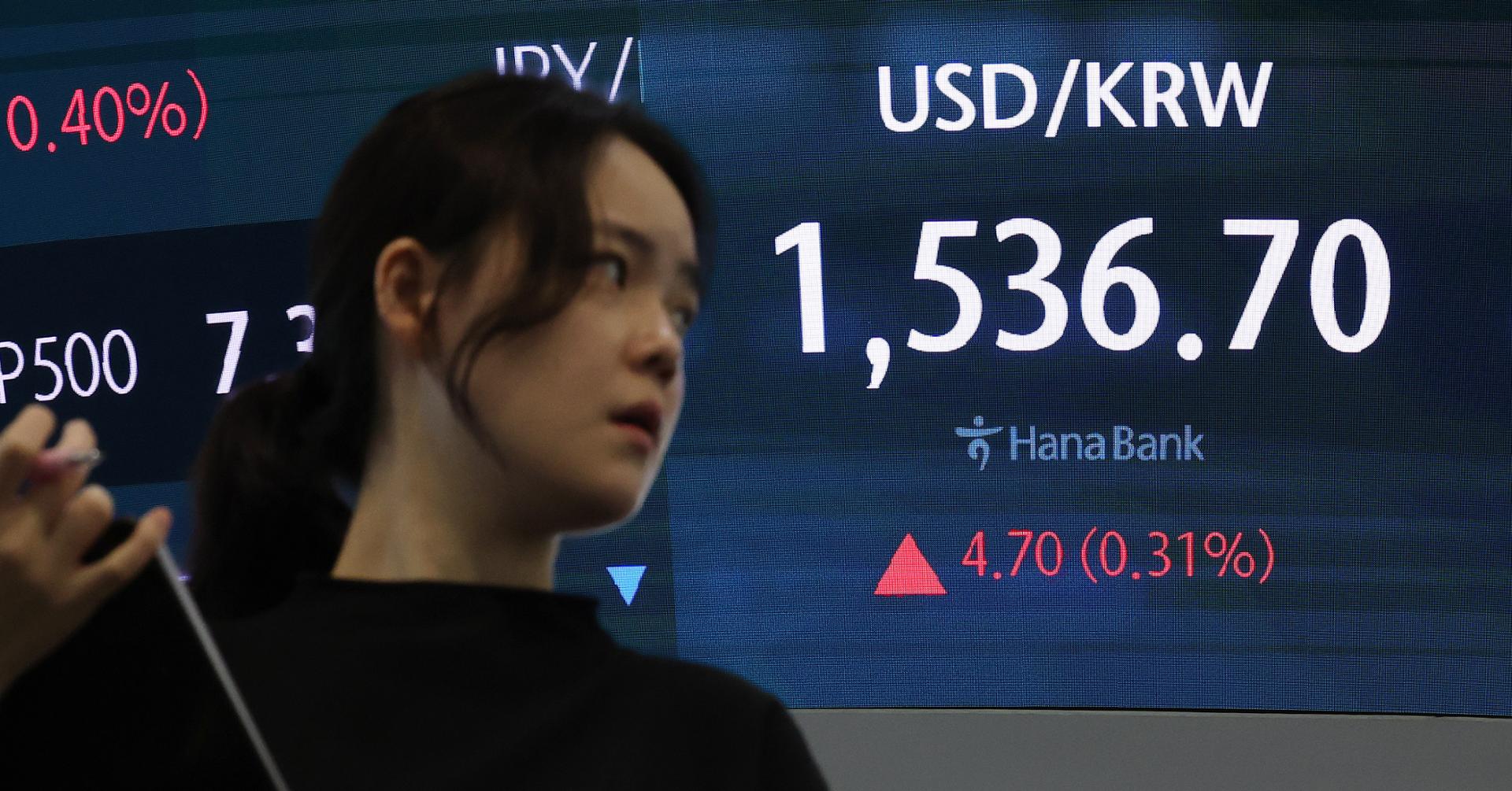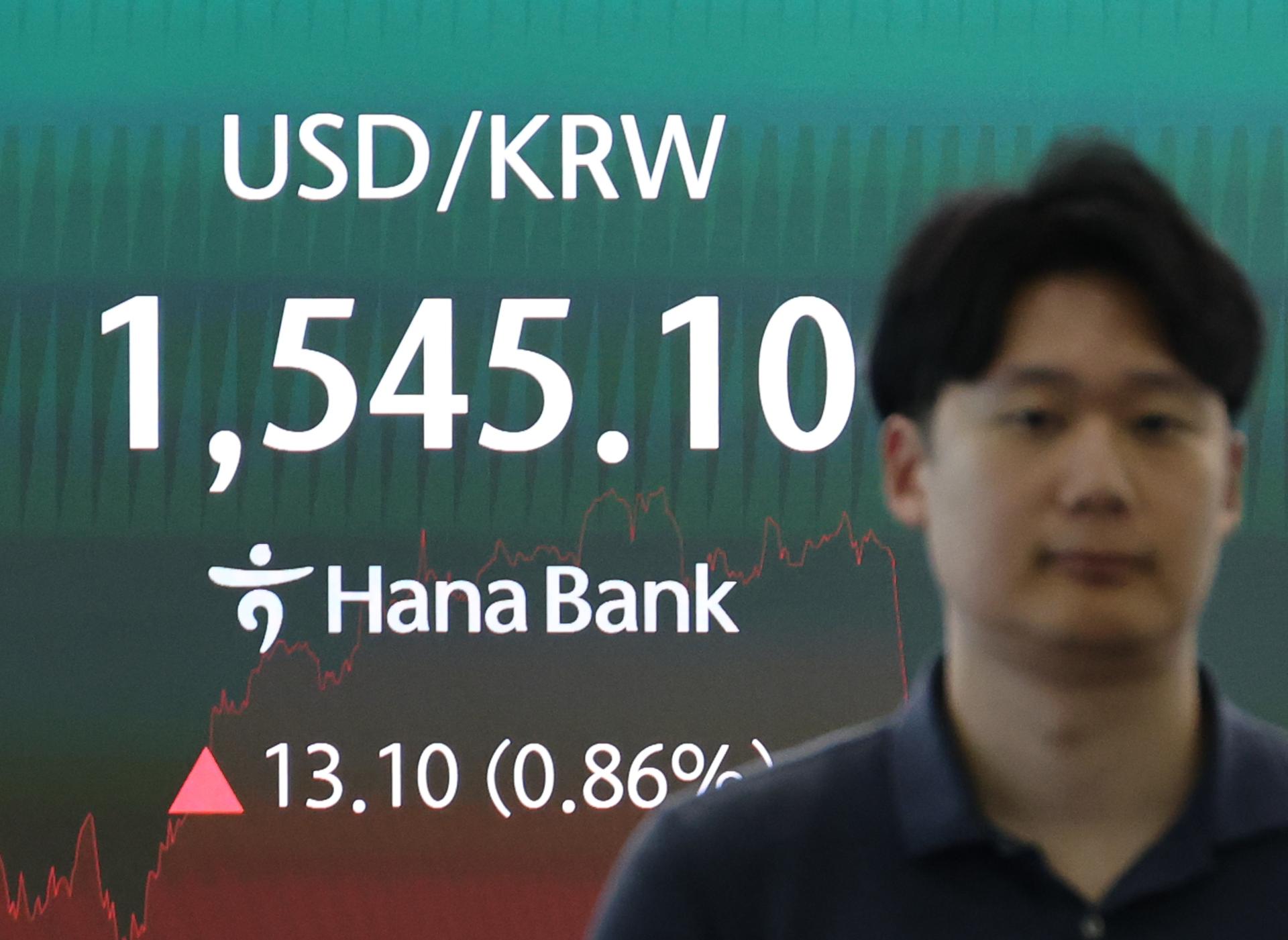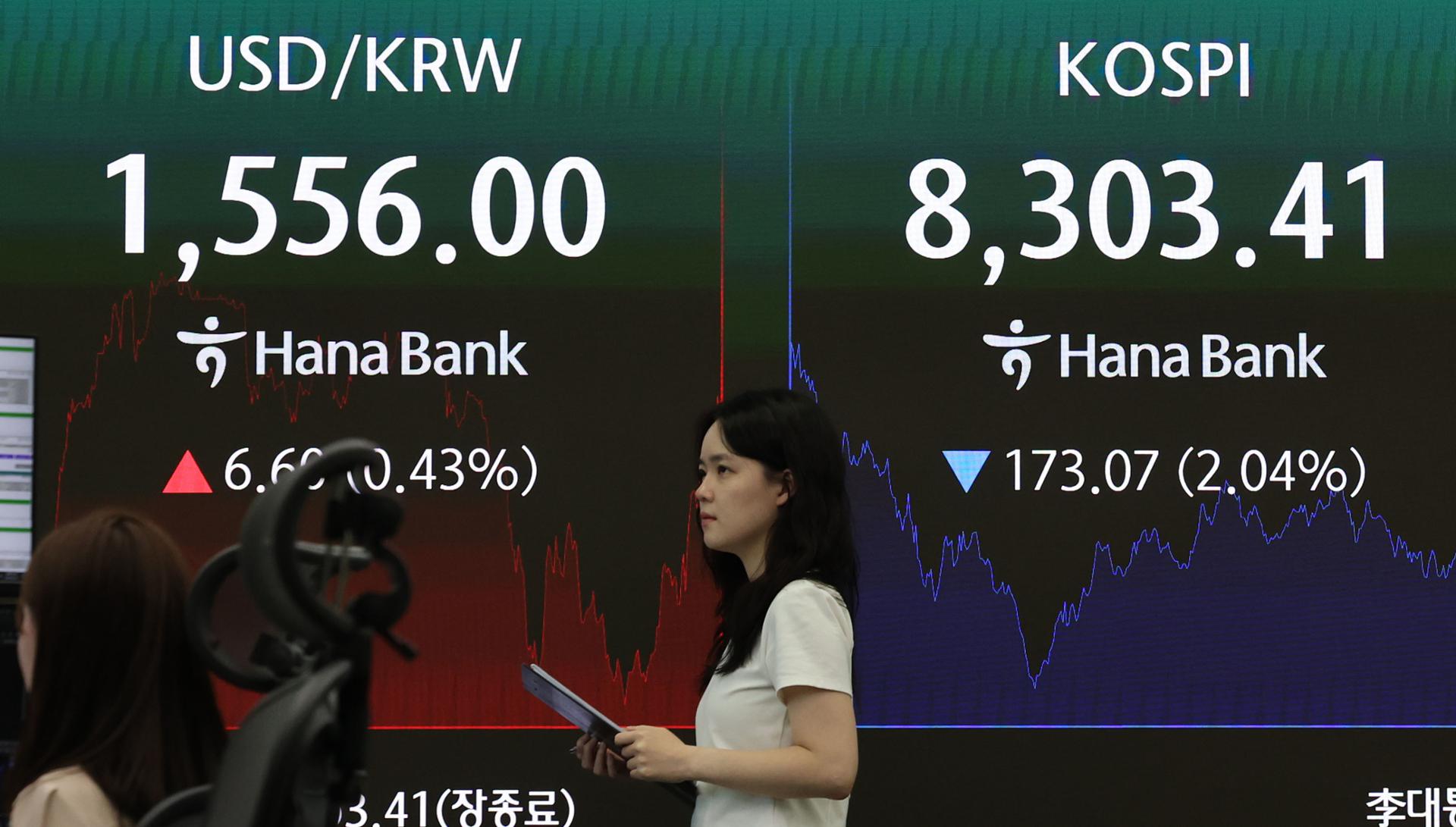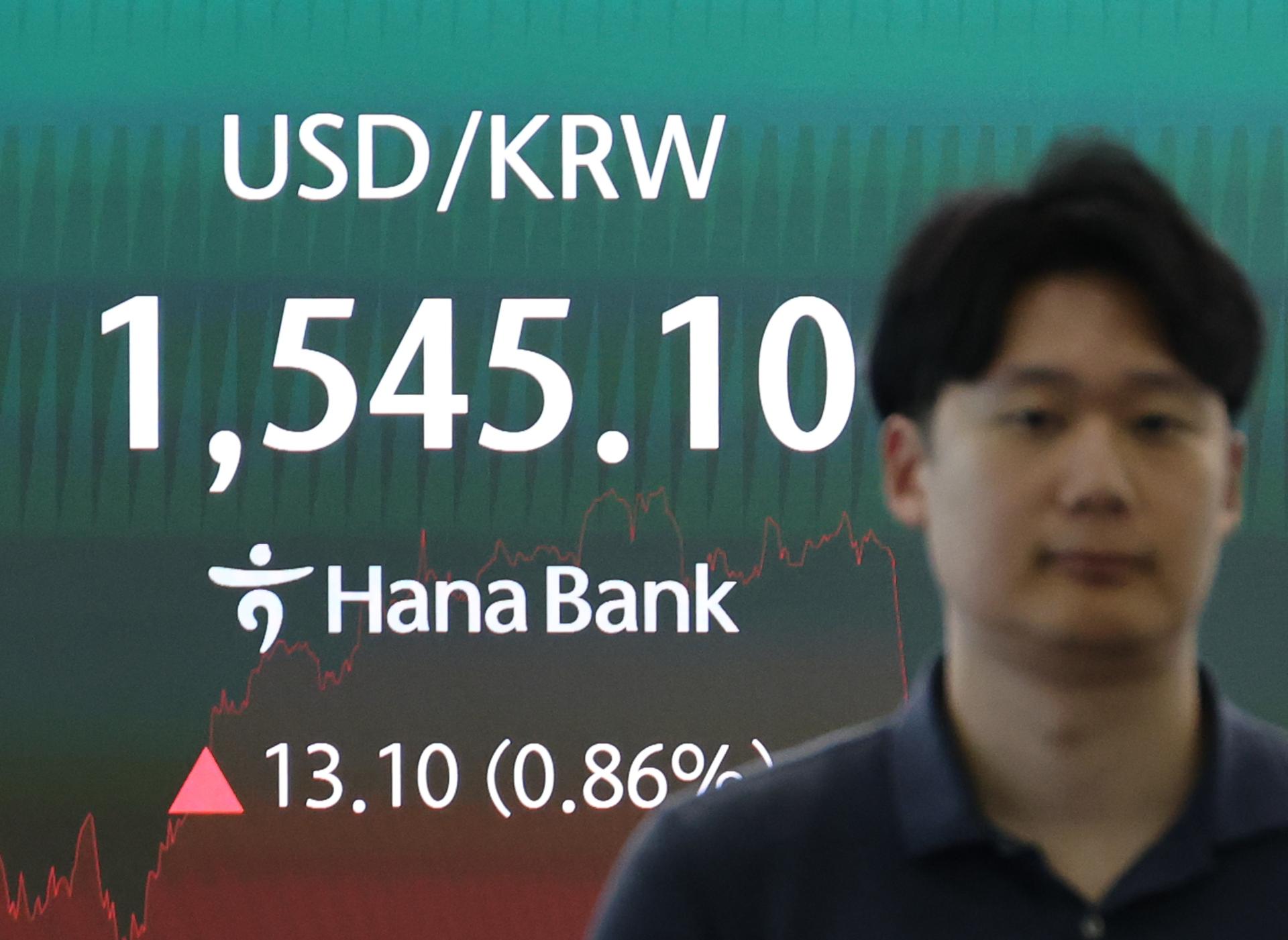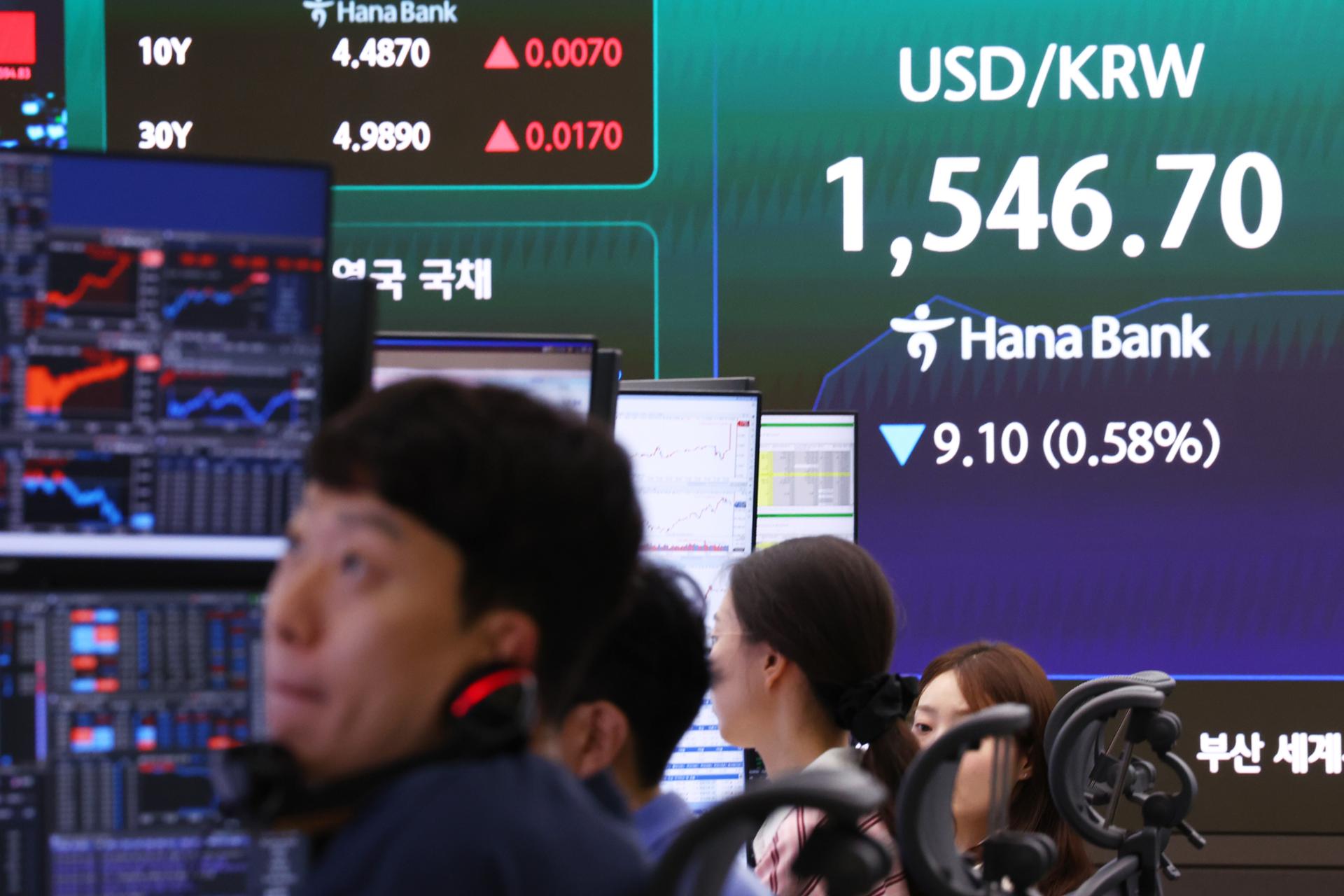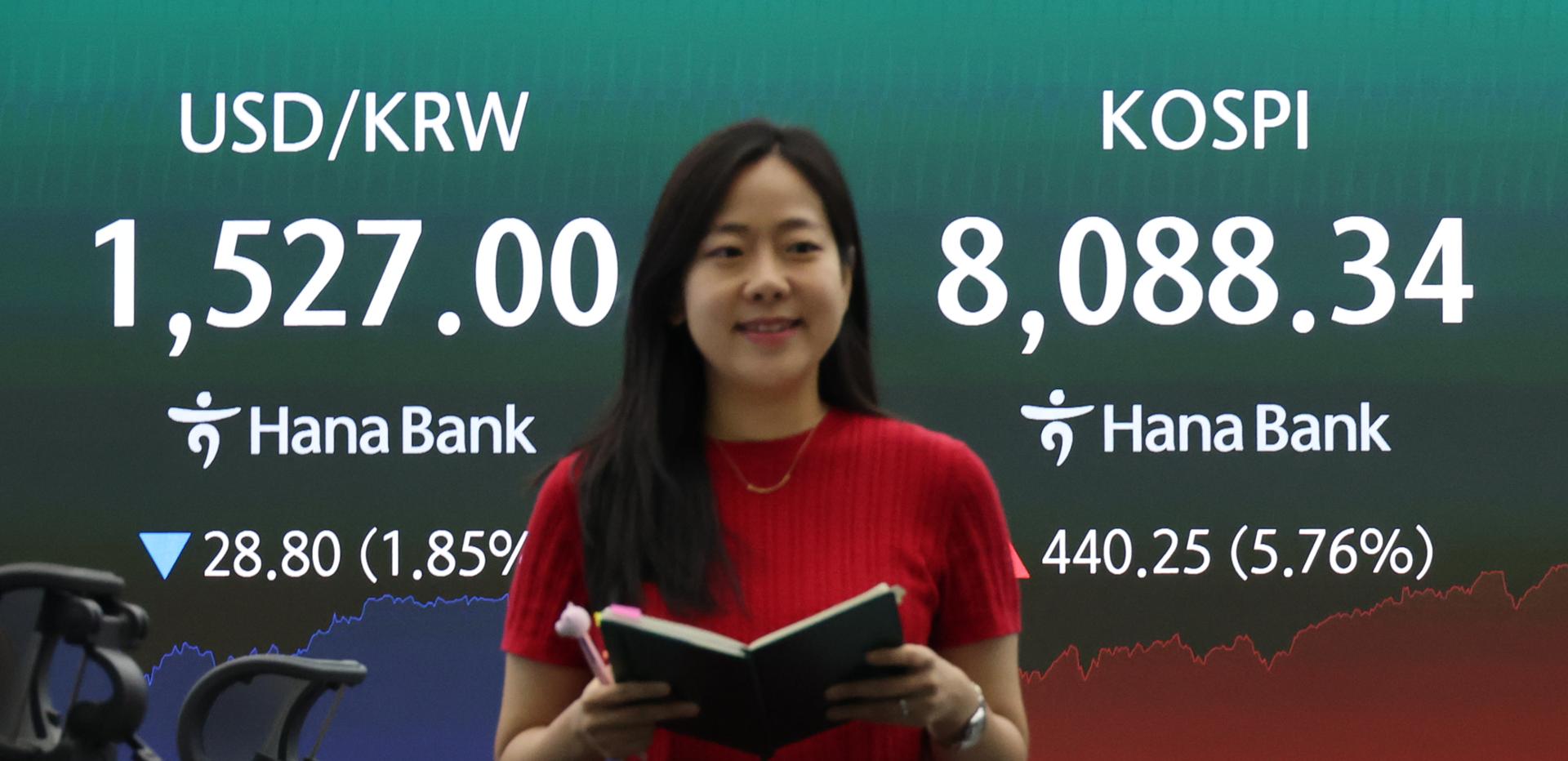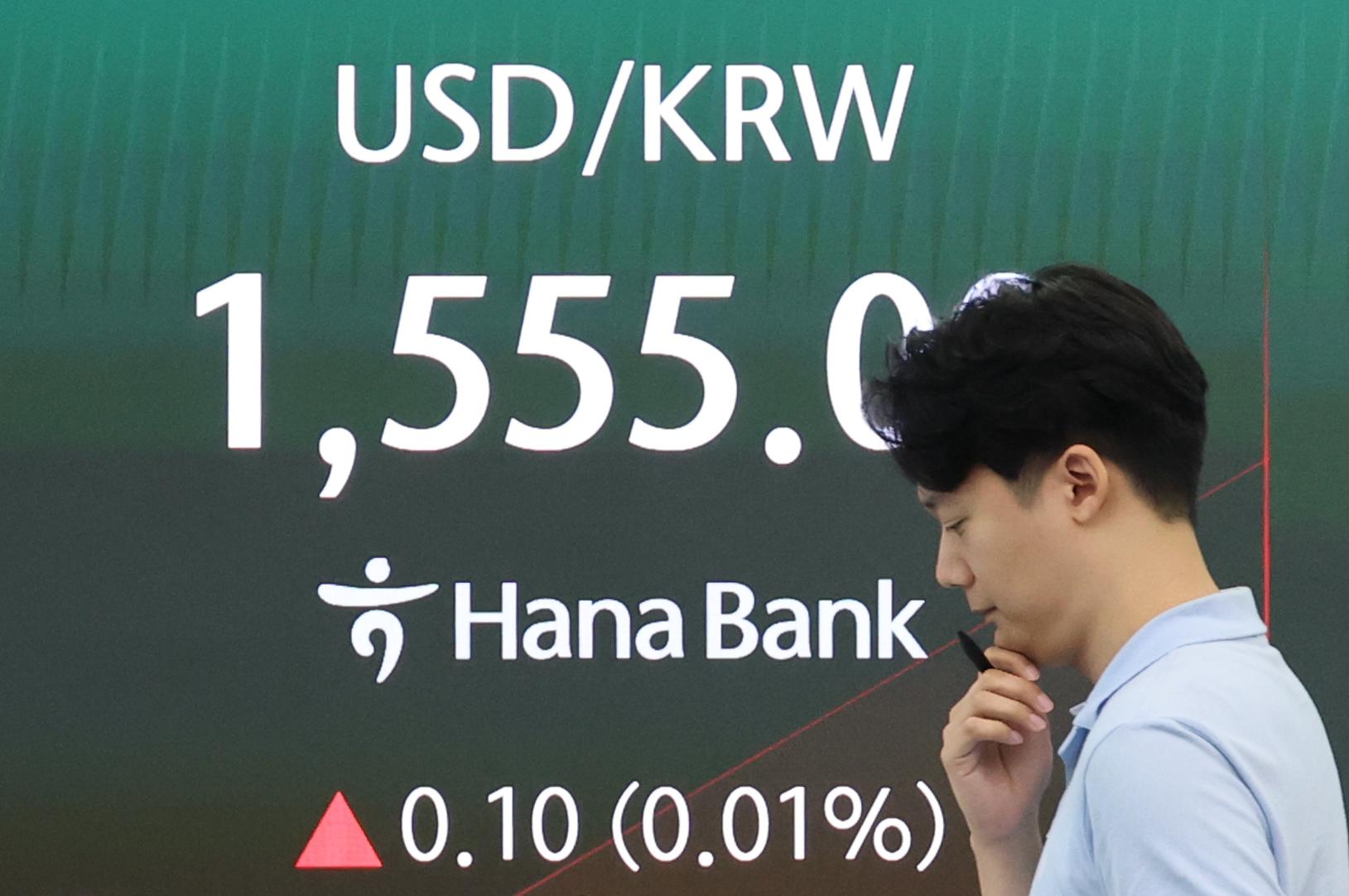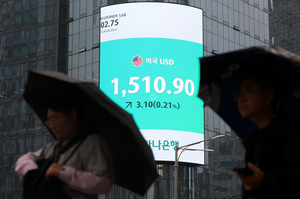
The South Korean won closed at 1,549.4 per US dollar, its weakest closing level in more than 17 years. The last time the currency sat this low, Lehman Brothers had just collapsed and global markets were still sorting out the wreckage of the financial crisis.
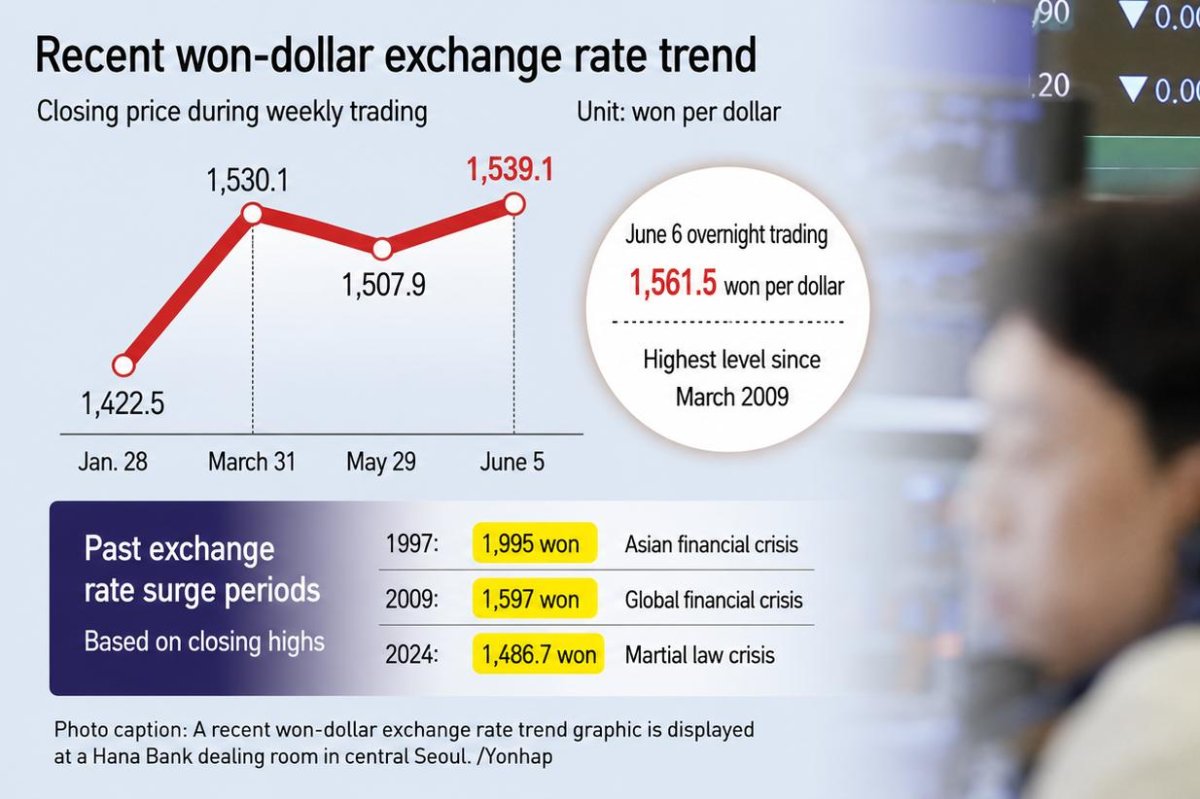
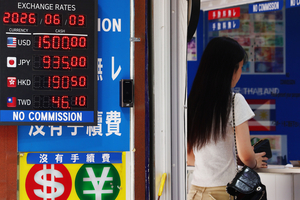
The won has been under sustained pressure throughout 2026. It breached 1,500 per dollar in March, crept toward 1,560 in early June, and has now settled into territory that most currency traders associated only with extreme historical stress.
Foreign investors have been driving much of the selling. In one session alone, outflows from Korean equities reached $4.6 billion.
The reasons stack up in a familiar way: geopolitical tension in the Middle East, a stronger US dollar acting as the default safe haven, and a general mood of risk aversion that tends to punish emerging market currencies first and ask questions later.
South Korean authorities have not been silent. The government and the Bank of Korea have both committed to monitoring the situation and stepping in against what they are calling excessive volatility.