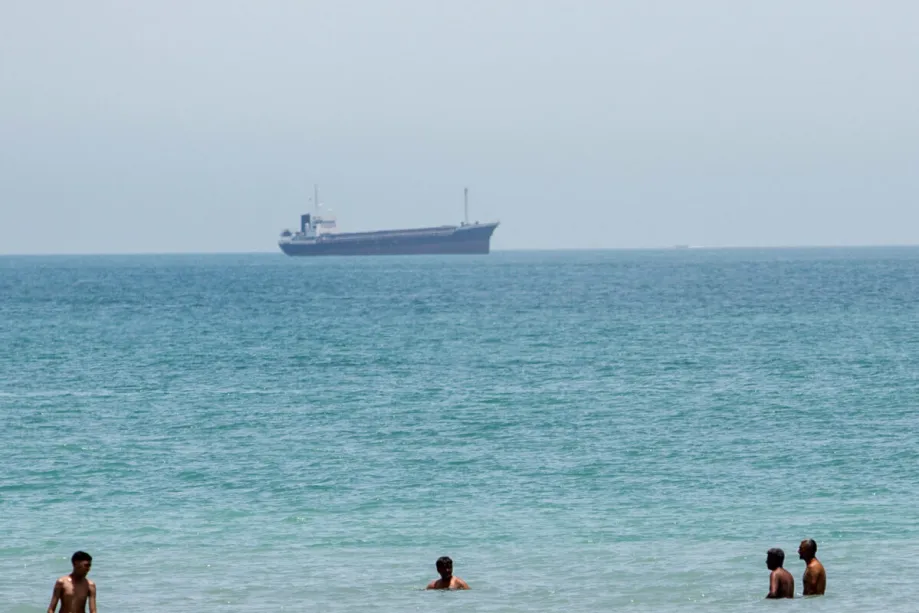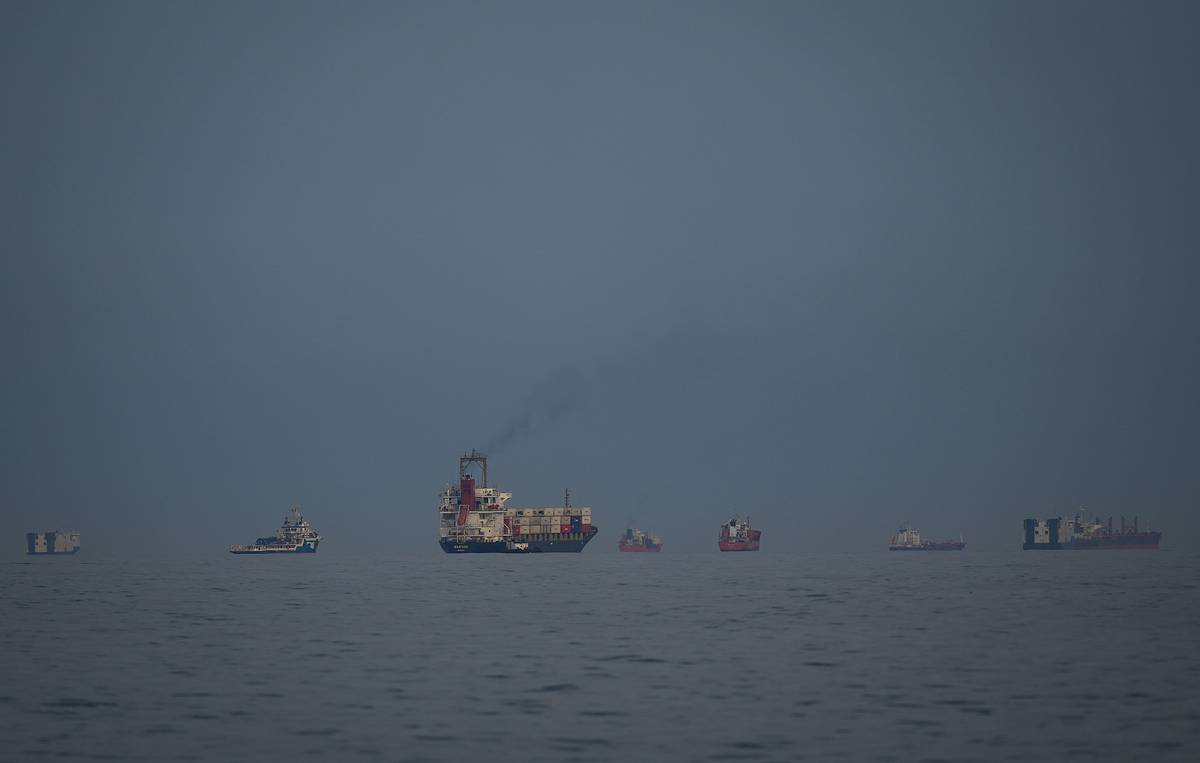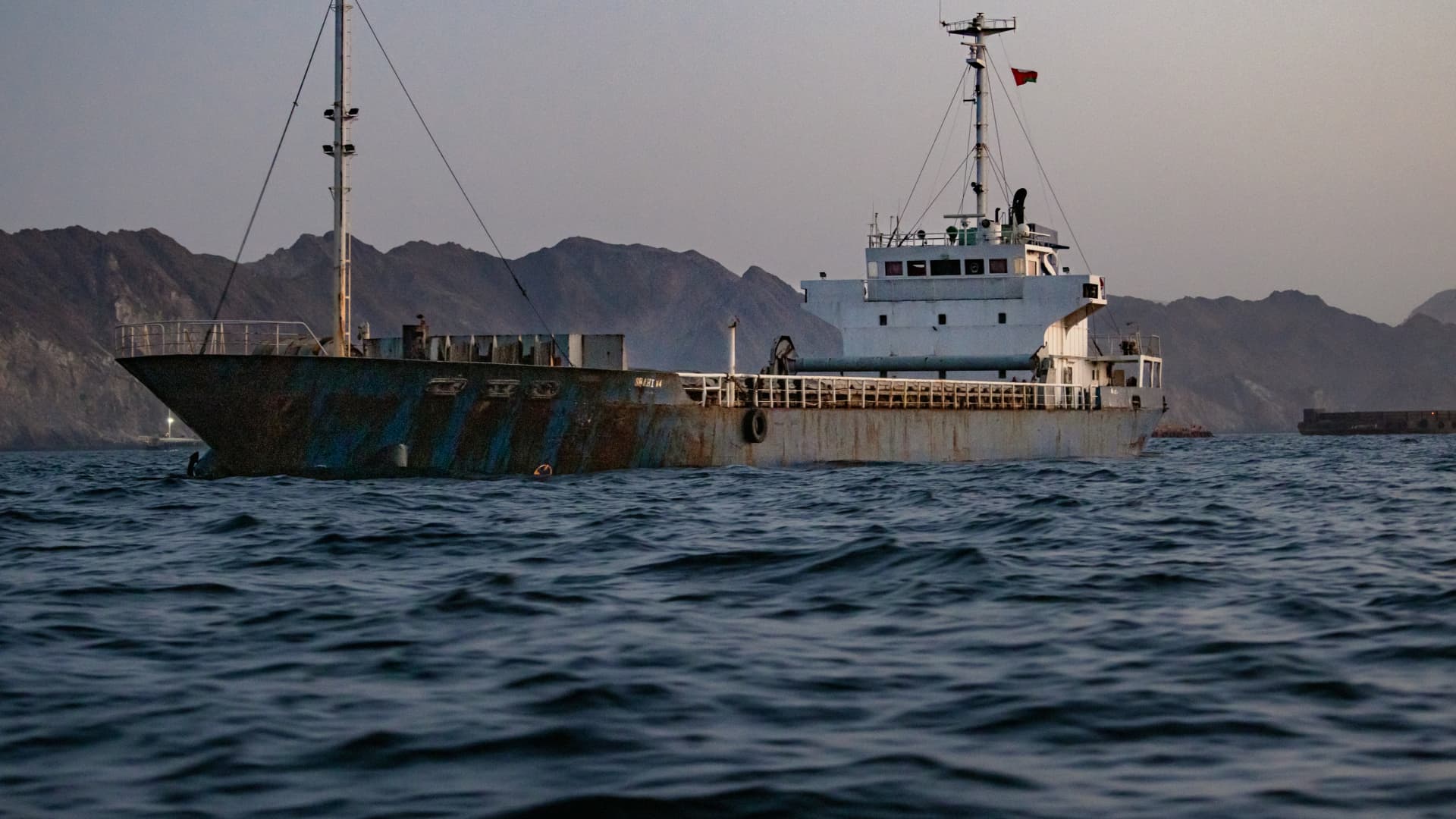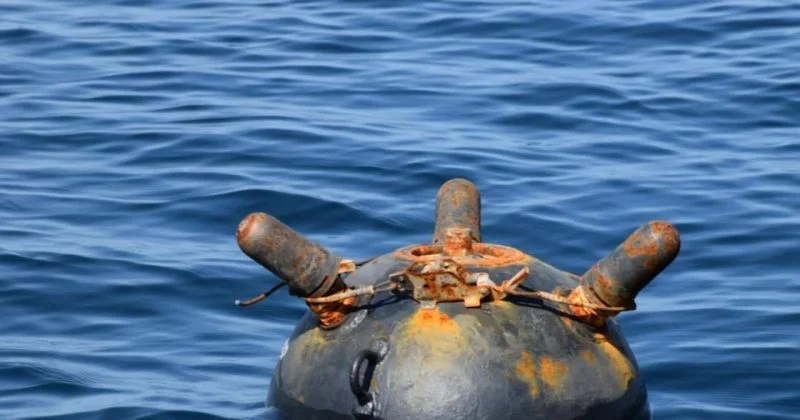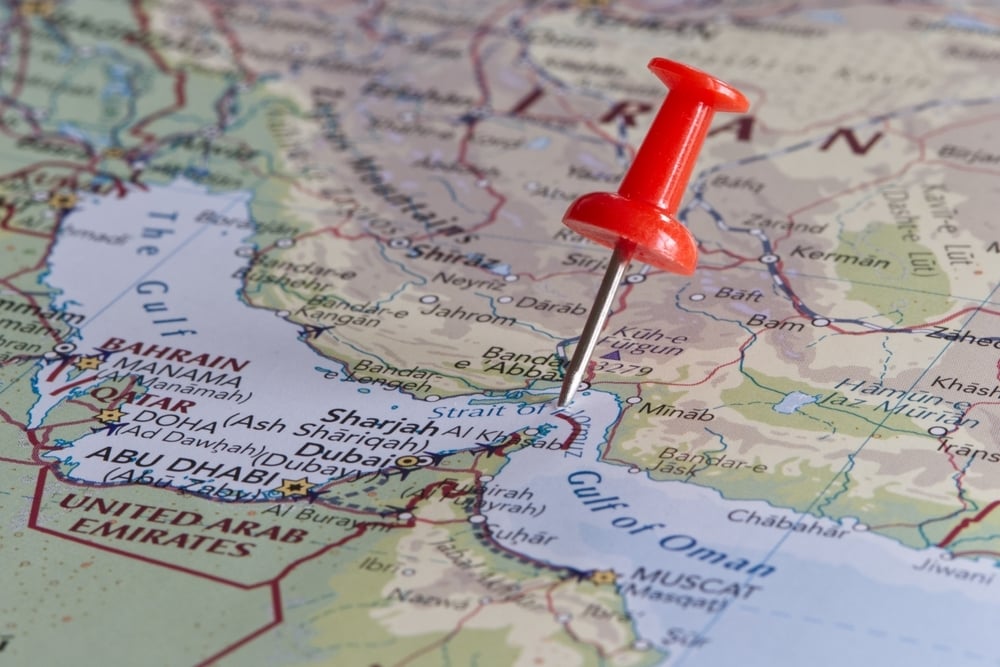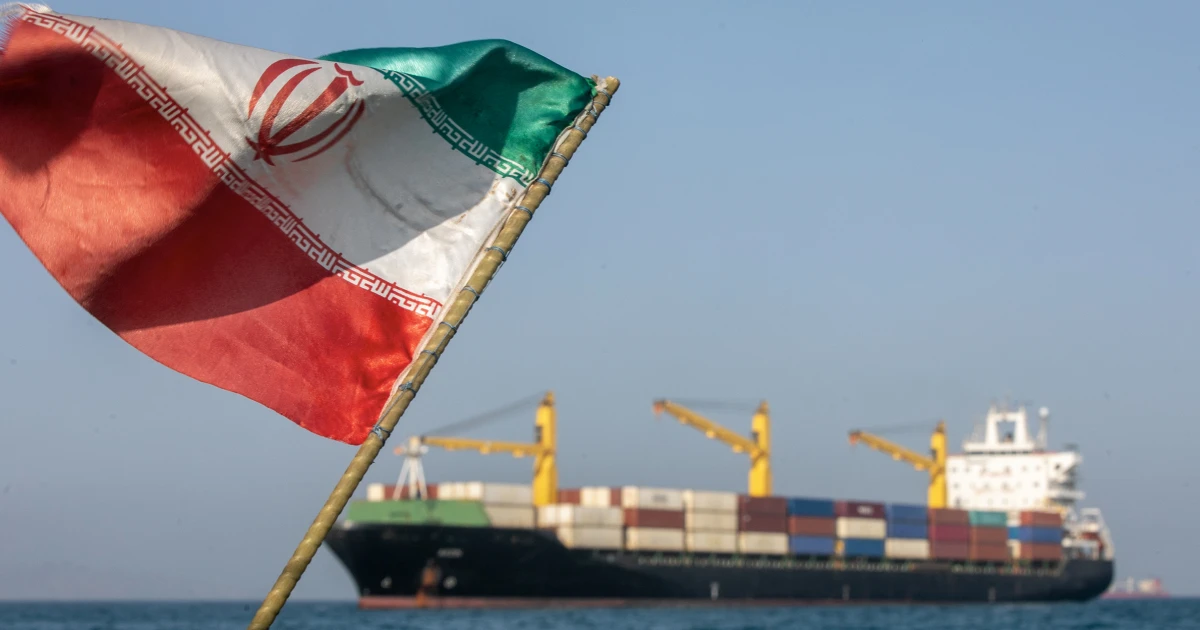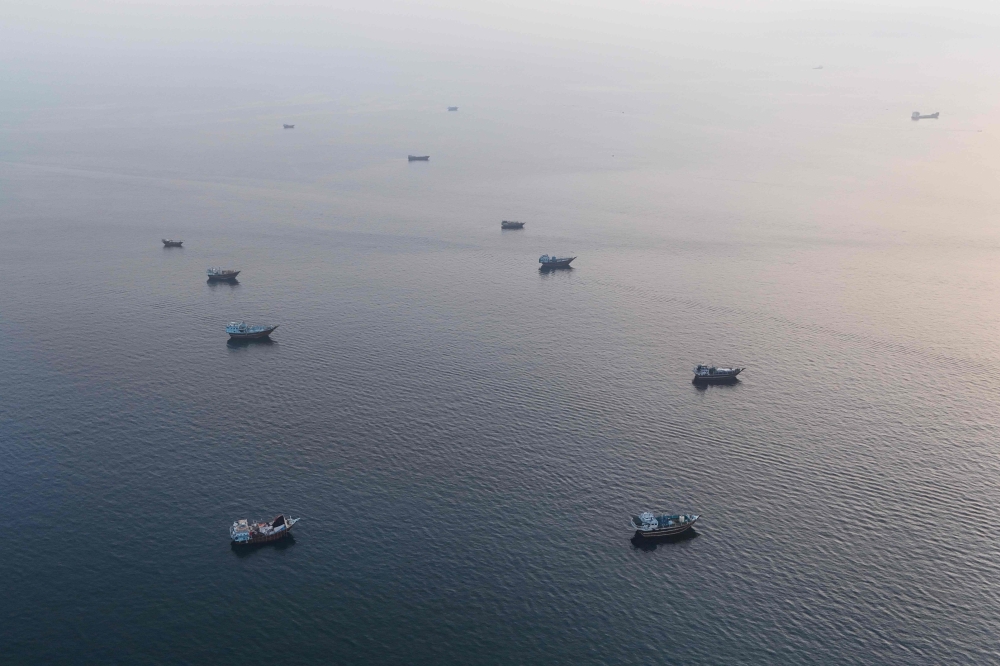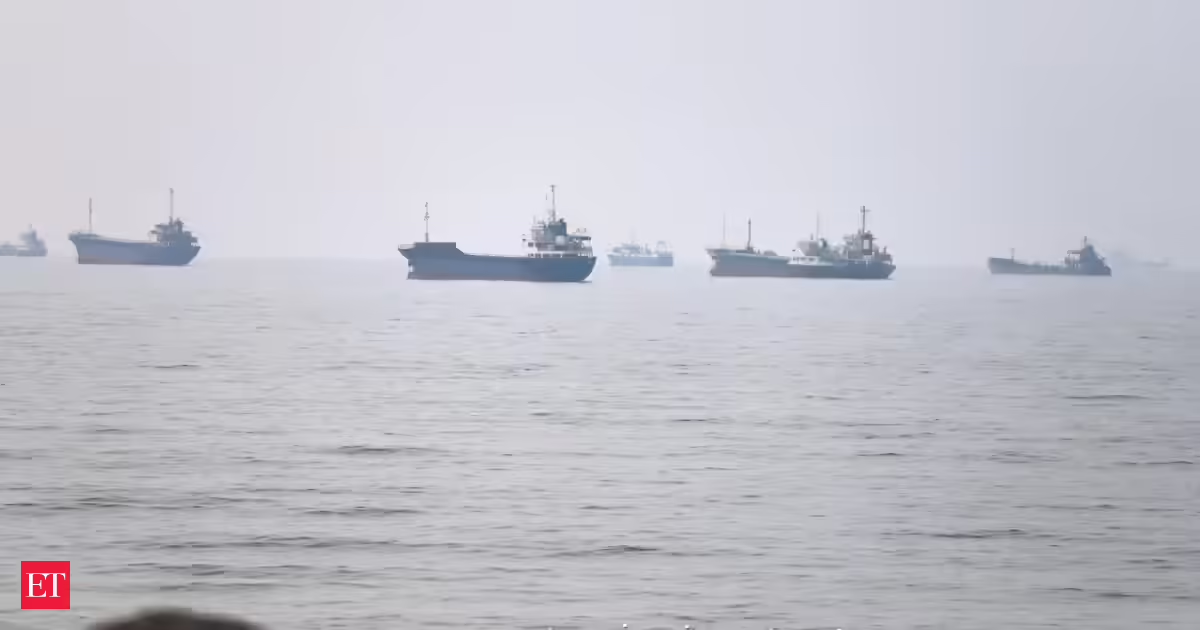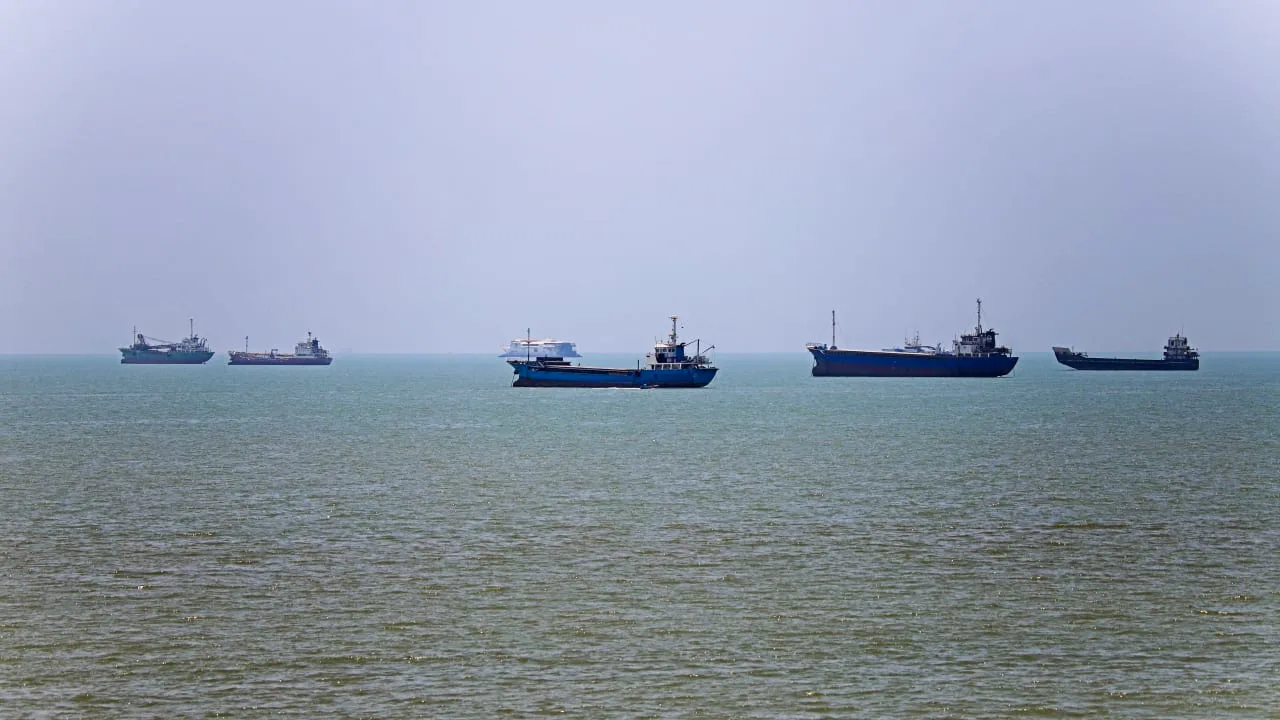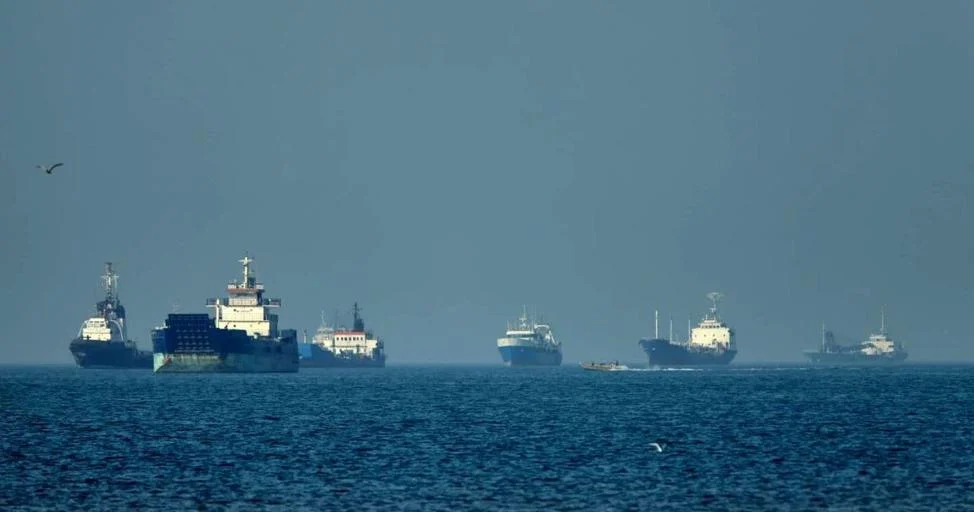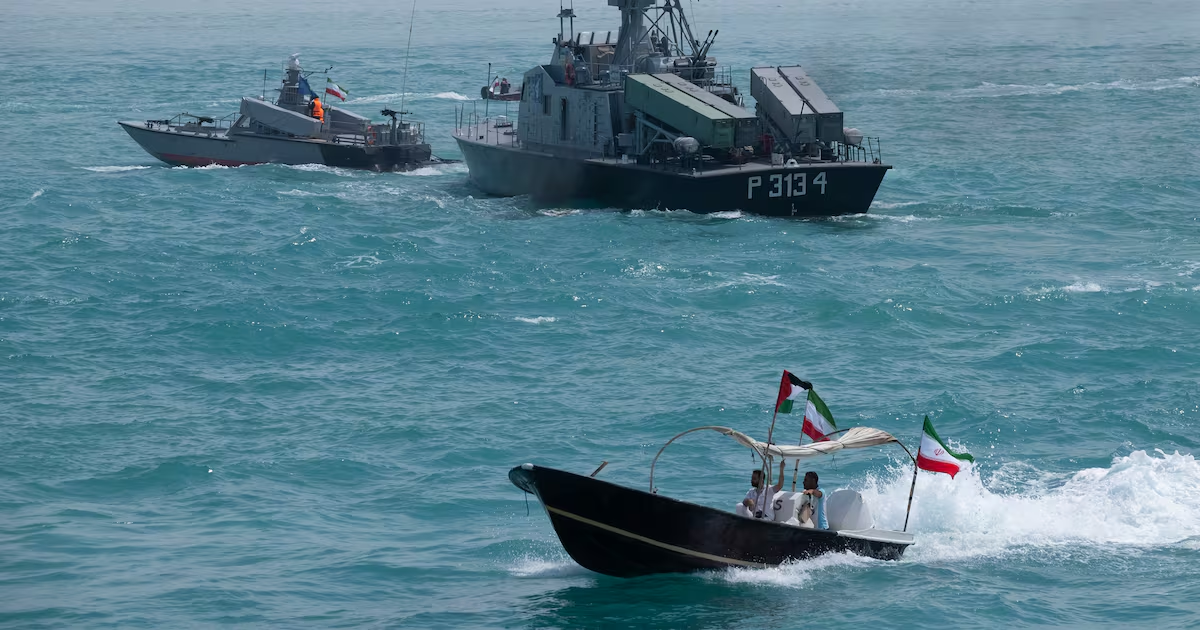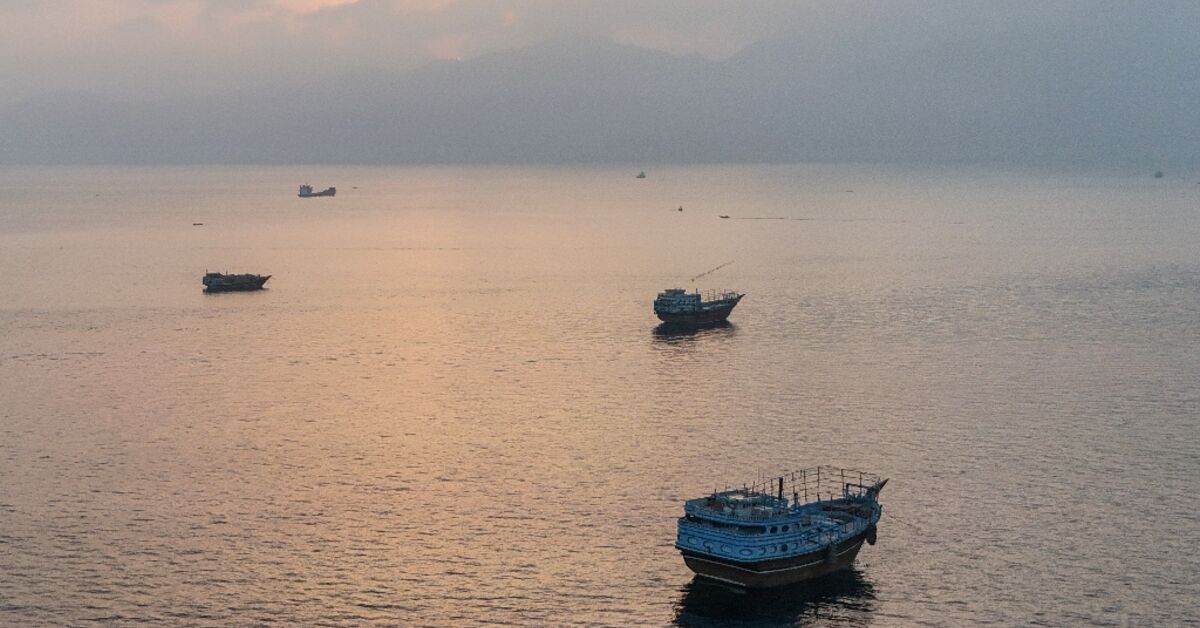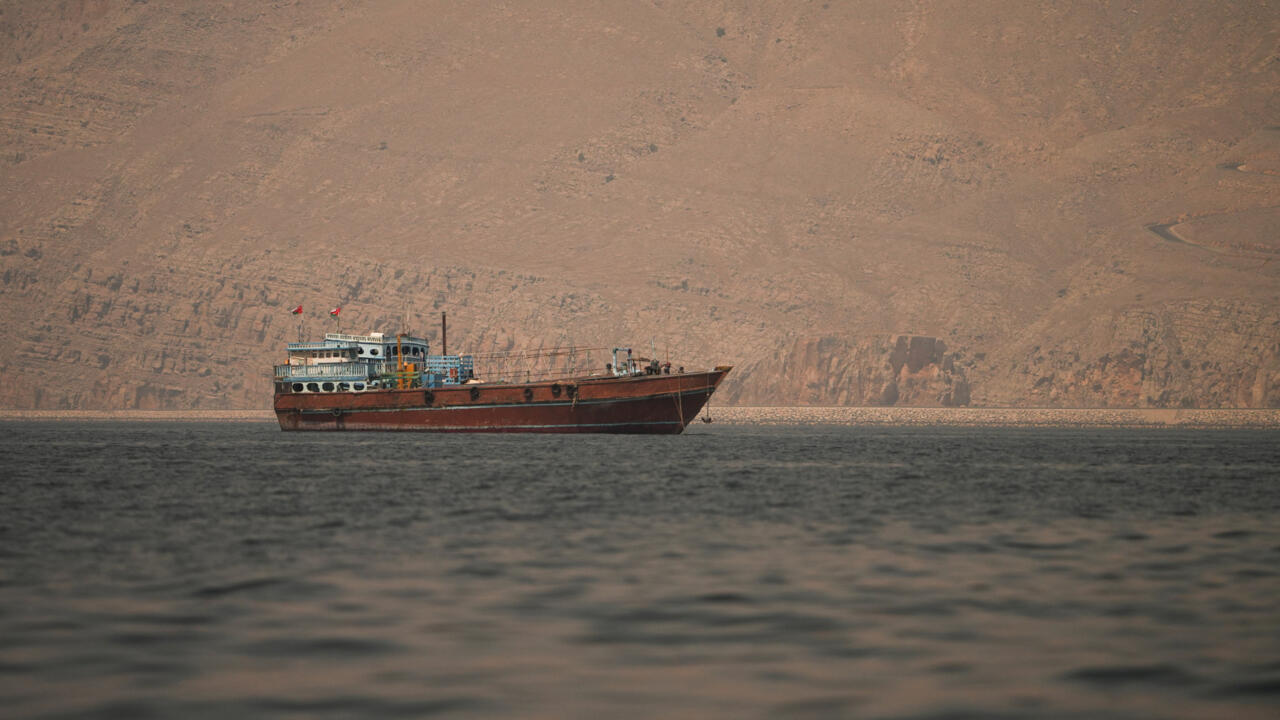
Iran’s Revolutionary Guards, the ideological armed wing of the Islamic Republic of Iran, issued a stern warning last week that only certain maritime routes would be authorised for navigation. It added that any ships transiting the Strait of Hormuz outside of the framework defined by Iran “will not be guaranteed safe passage”. In recent days, Iran has acted on its threat. It twice attacked ships in the strait following efforts to open Oman’s territorial waters to both inbound and outbound traffic from the Persian Gulf. In the first attack on June 25, a cargo ship sustained damage by a missile of unknown origin while sailing 7.5 nautical miles (14 kilometres) south-east of Dahit, on Oman’s Musandam Peninsula. The vessel had taken an alternative maritime route to the one typically used in the Strait of Hormuz, instead transiting Omani territorial waters. The aim was to avoid the corridor under the control of the Iranian maritime authority. The ship’s route was recommended on June 18 by the Joint Maritime Information Centre (JMIC), a naval information centre supported by the US government. According to JMIC, this route is “mine-free”, unlike the route usually taken in the centre of the strait. Read moreMiddle East live: Only Iran will carry out Hormuz Strait demining, Tehran says in rebuttal to Macron The attacks on the ships drew retaliatory US airstrikes followed by Iranian drone and missile attacks targeting Bahrain and Kuwait on Sunday, placing negotiations to reach a formal end to the war back on hold. Although Washington and Tehran have since agreed to stop their attacks, traffic through the strait remains disrupted. Only one ship transited the Omani route to exit the Gulf, and another to enter on Monday, Kpler data showed. A hazardous waterway The Strait of Hormuz, though long considered an international waterway, is technically located in Iran and Oman’s territorial waters. However, ships have long used the maritime corridor off Iran for safety reasons. “This stretch of water [off Oman] already existed, but it was rarely used because it runs along the coastline and poses greater safety risks,” said Dirk Siebels, a maritime safety specialist at Risk Intelligence. “If something goes wrong on board – an engine failure, a steering failure or any other incident – you are relatively close to the shore and have very little room to manoeuvre.”
How ships are risking ‘safe’ passage through the Strait of Hormuz
A plan to divert shipping through an alternative corridor off the Omani coast to avoid the threat of mines in the Strait of Hormuz has come under scrutiny after two attacks on ships in recent days. Though…
1,009 words~5 min read