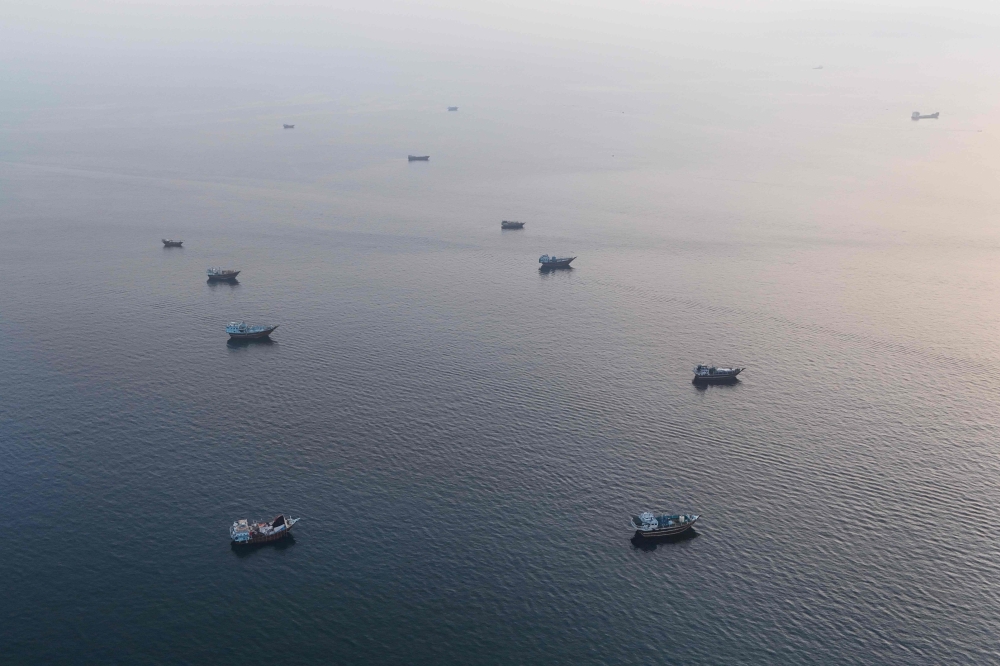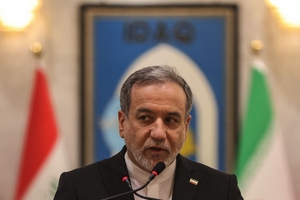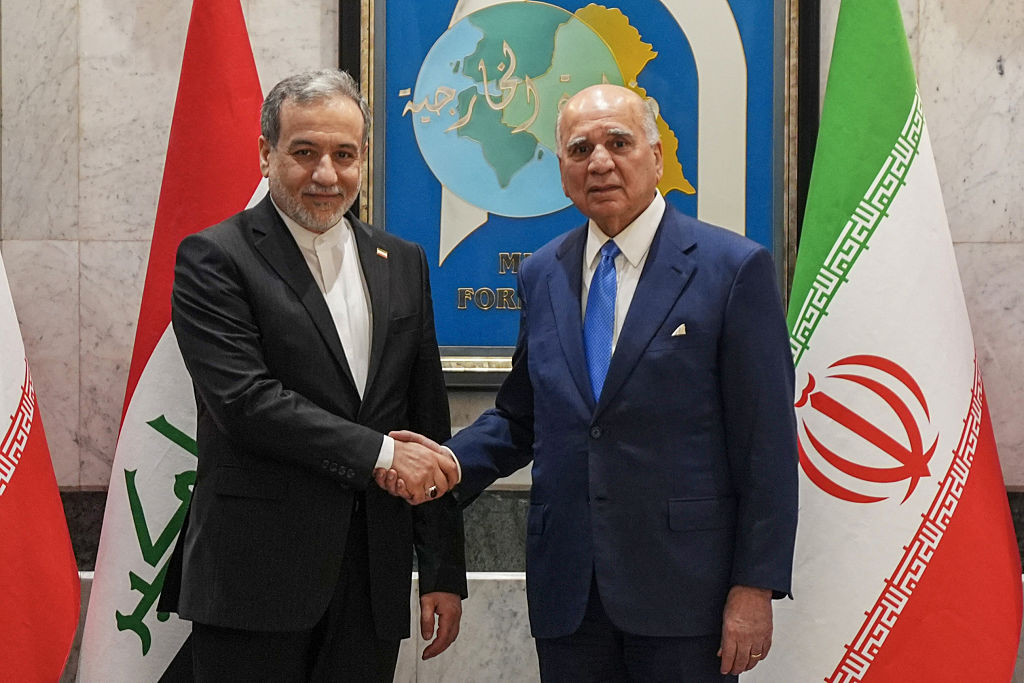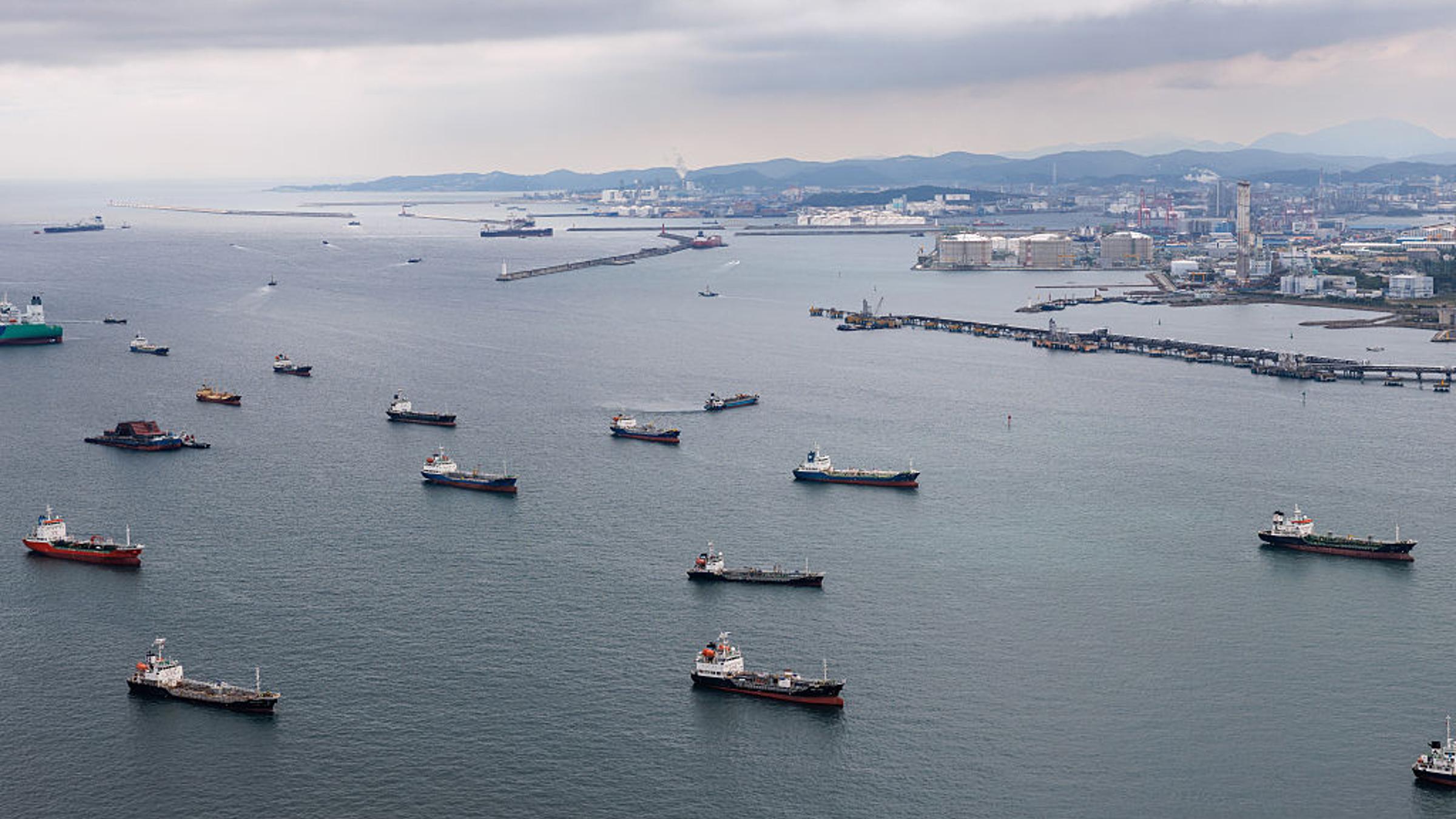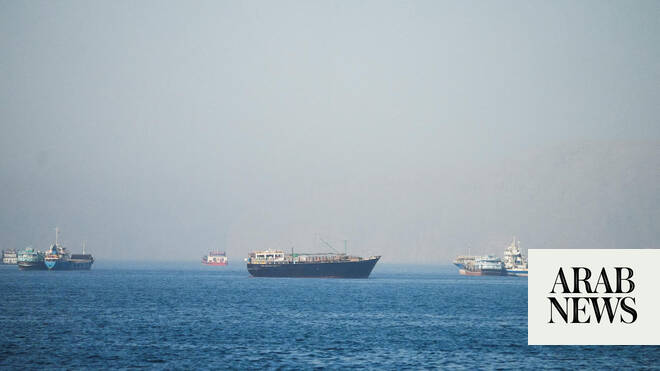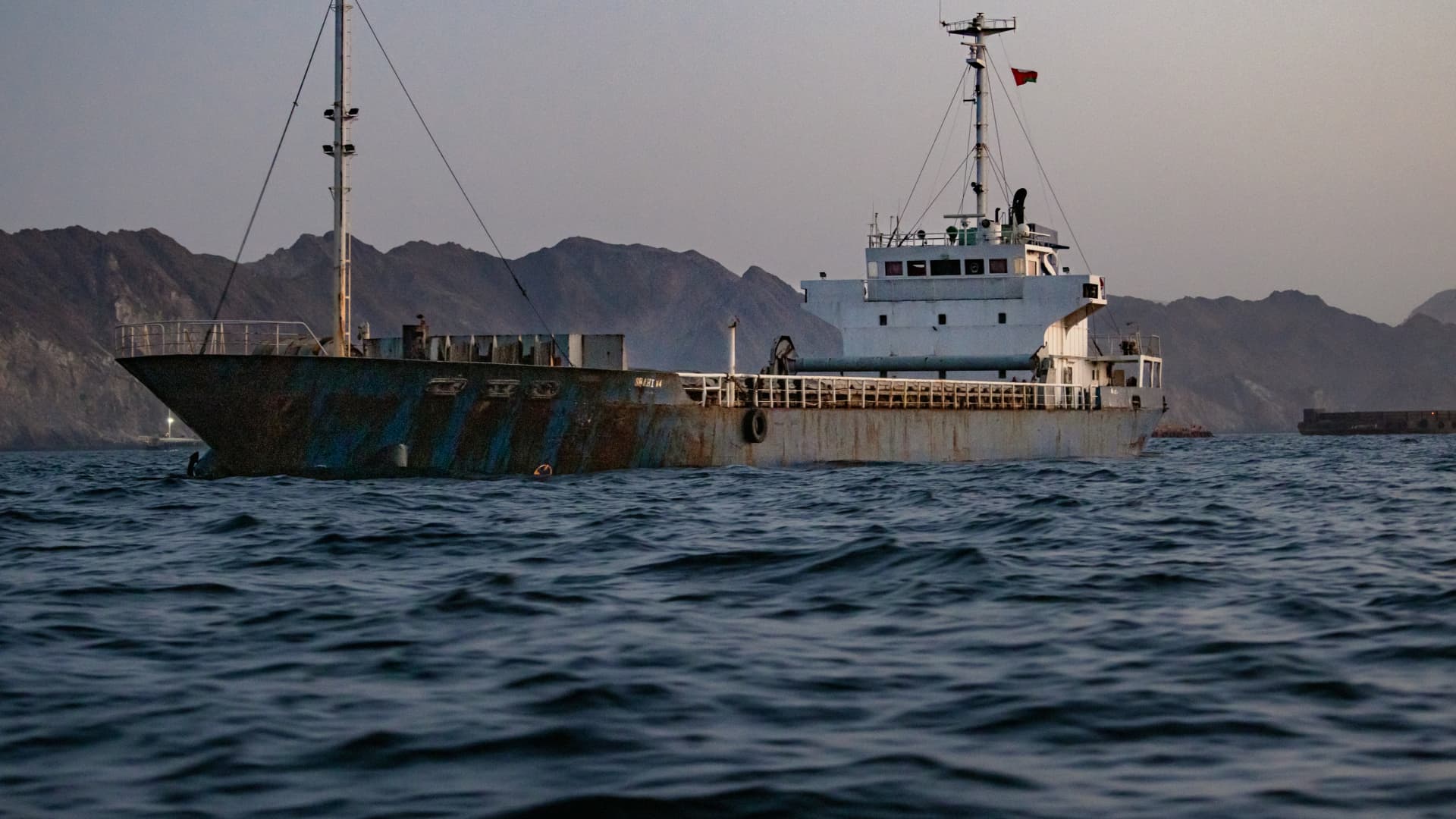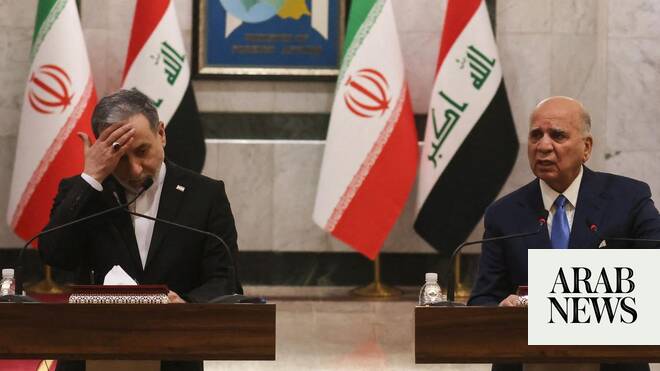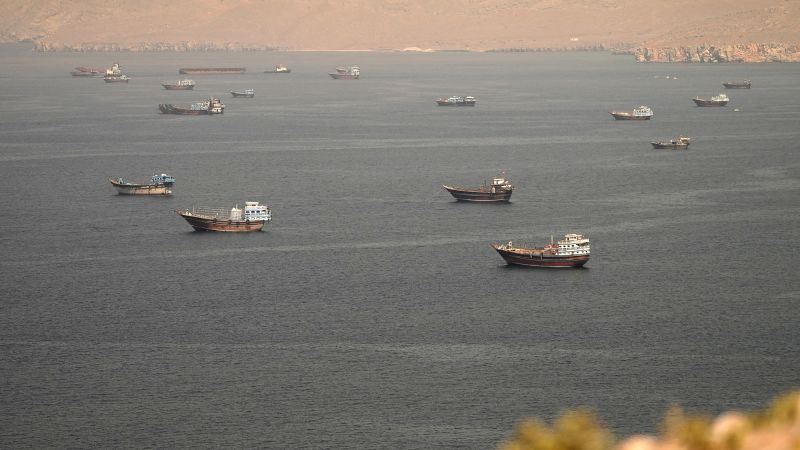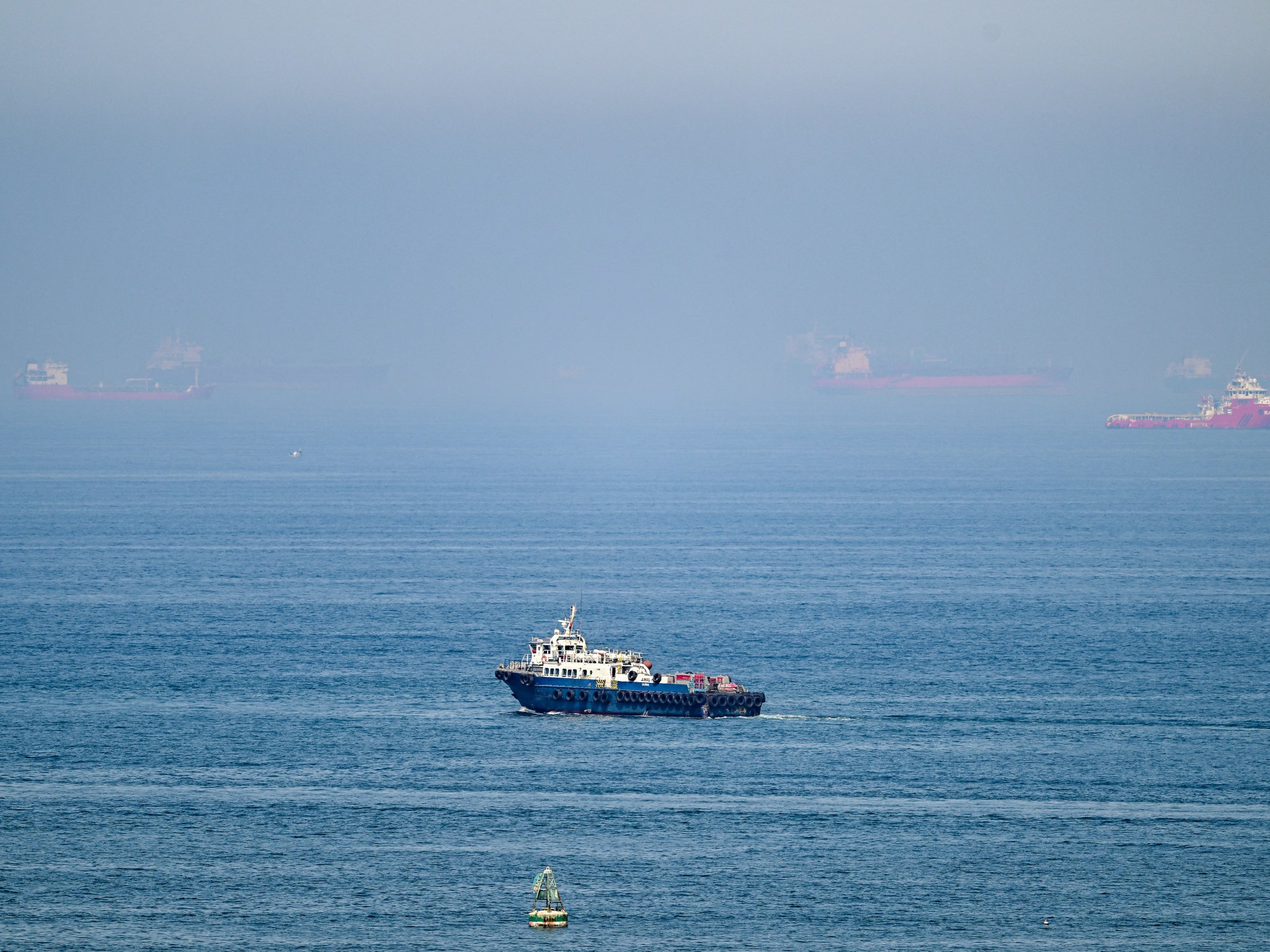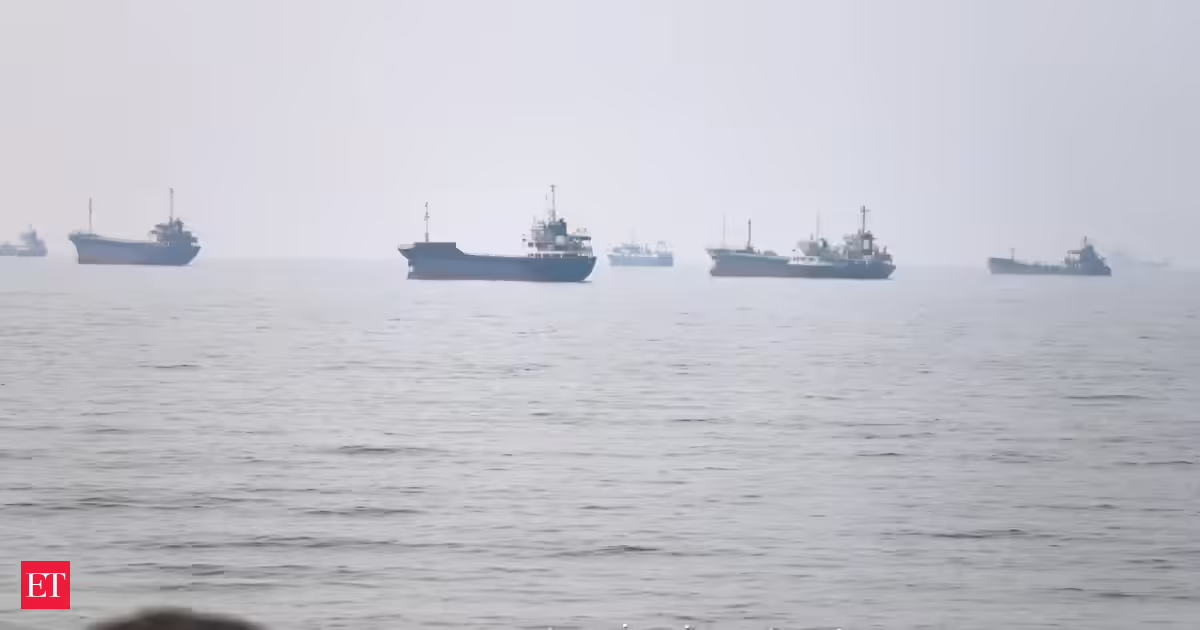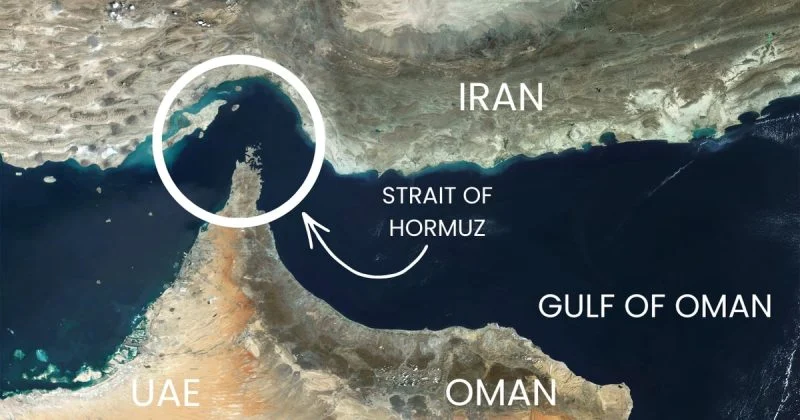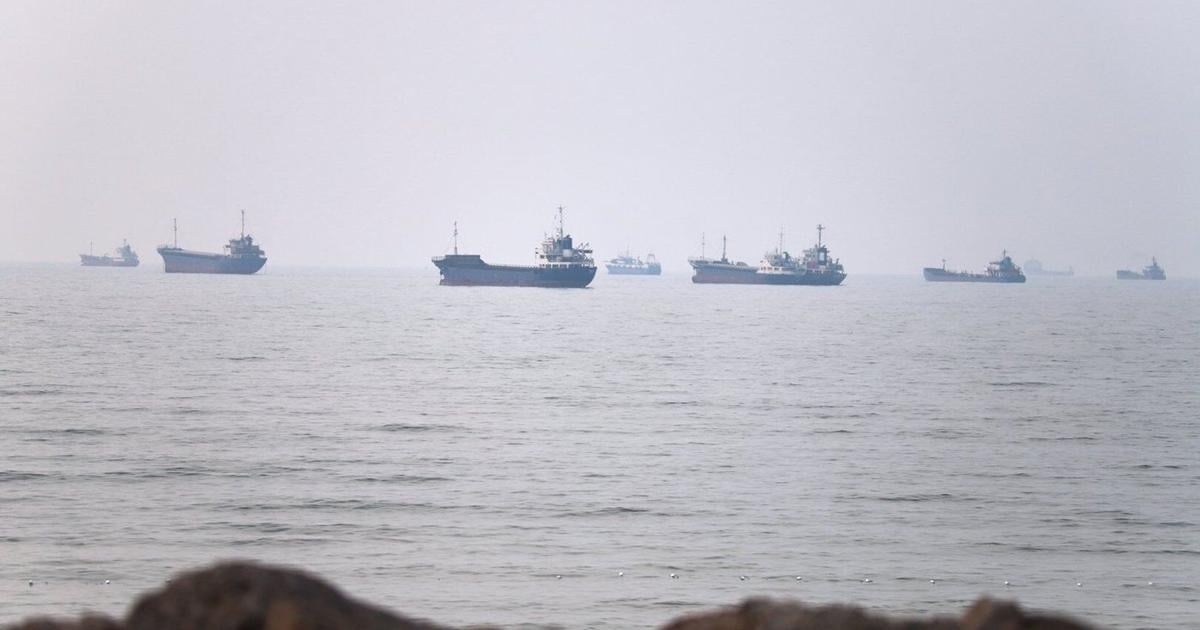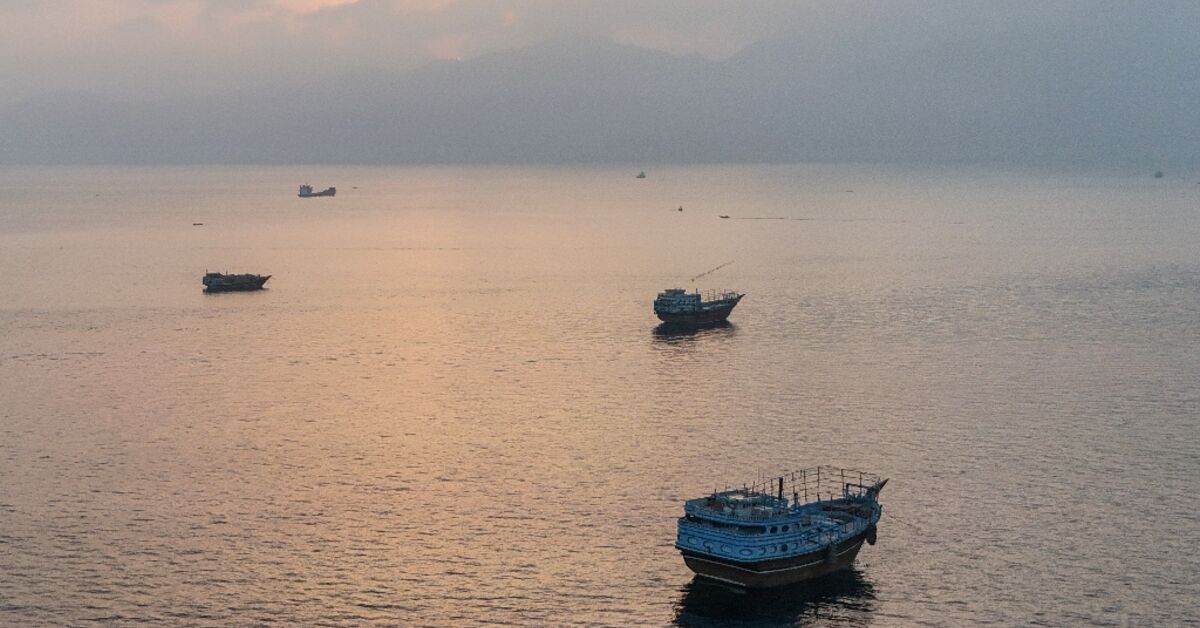
Iran's top diplomat warned Sunday that any attempt by shipping to bypass its preferred route through the Strait of Hormuz would "increase tensions" in the Middle East, as US and Iranian forces again traded attacks across the vital seaway.The exchanges underscored the fragility of a Pakistan-brokered agreement aimed at ending the war launched by the United States and Israel in February, which disrupted shipping through the strait and rattled global energy markets.Although a ceasefire took effect in April, sporadic violence has continued in the Gulf region, with ships passing through the Strait of Hormuz often the spark.Early on Sunday, US Central Command (CENTCOM) said it had attacked 10 Iranian military targets over "continued Iranian aggression against commercial shipping".Iran then said it had carried out retaliatory strikes against US bases in Kuwait and Bahrain in response. Both Kuwait and Bahrain denounced the attacks.Tehran has continued to insist on controlling passage through the vital strait, through which a fifth of the world's oil and liquefied natural gas travel in normal times, something it did not have before the war.At the moment, Iran insists ships transiting the strait pass through a corridor close to its own shores, though this week dozens of vessels have travelled along the opposite side of the waterway, hugging the Omani coast."Any attempt to adopt new or separate arrangements compared to what is underway by the Islamic Republic of Iran, will only lead to more complicated situations and delays in the reopening of the Strait of Hormuz, and will increase the tensions," Iranian Foreign Minister Abbas Araghchi said."I urge all parties... to adhere to the memorandum of understanding and not to allow this MoU to deviate from its course."Iran's Revolutionary Guards said Sunday they were taking measures to control traffic in the strait and that vessels in violation of those measures would be dealt with more firmly than before.Mohammad Mokhber, adviser to Iran's supreme leader, wrote on X that as long as Iran managed the strait, Washington's "hegemonic dreams in the region will not be realised".In the memorandum of understanding reached this month -- aimed at putting a lasting end to the war -- Iran had agreed "safe passage of commercial vessels with no charge, for 60 days only, from the Persian Gulf to the Sea of Oman, and vice versa" in the strait.- Iran would 'no longer exist' -
Iran warns ships not to bypass its chosen Hormuz route
Iran's top diplomat warned Sunday that any attempt by shipping to bypass its preferred route through the Strait of Hormuz would "increase tensions" in the Middle East, as US and Iranian forces again traded attacks across the vital seaway.The exchanges underscored the fragility of a Pakistan-brokered agreement aimed at ending the war launched by the United States and Israel in February, which disrupted shipping through the strait and rattled global energy markets.
756 words~3 min read