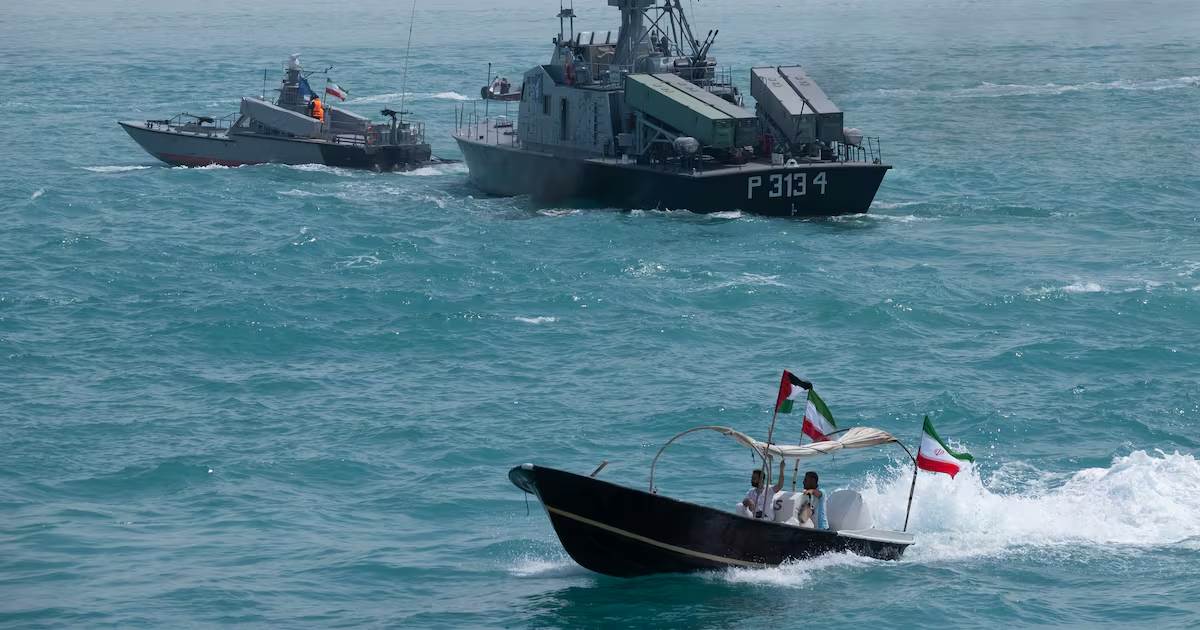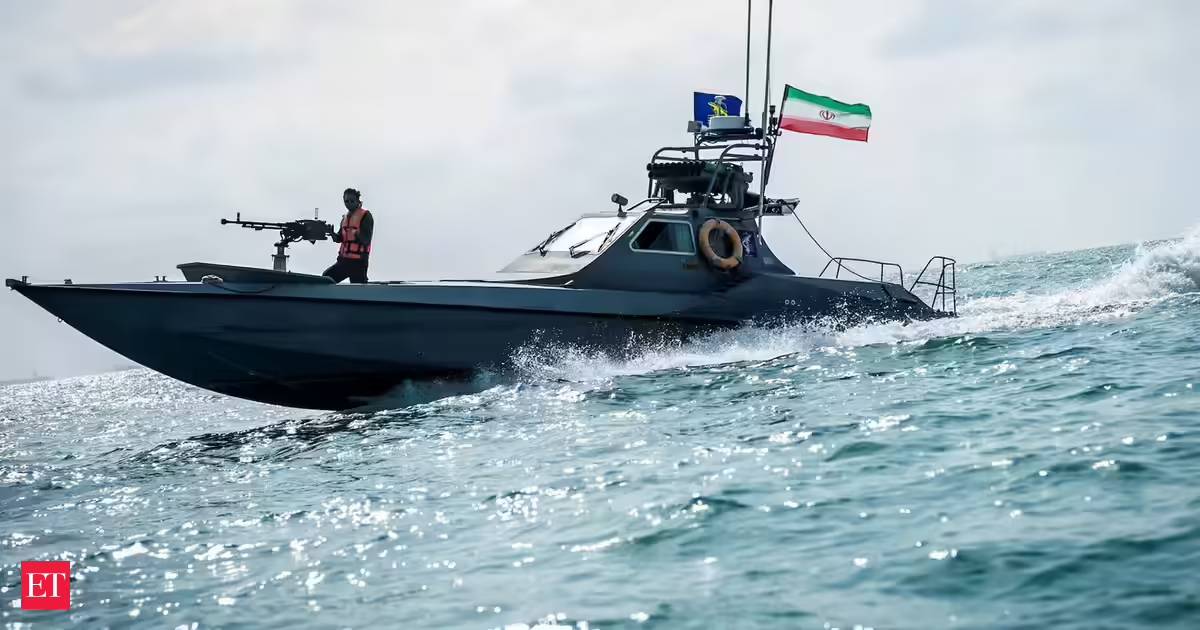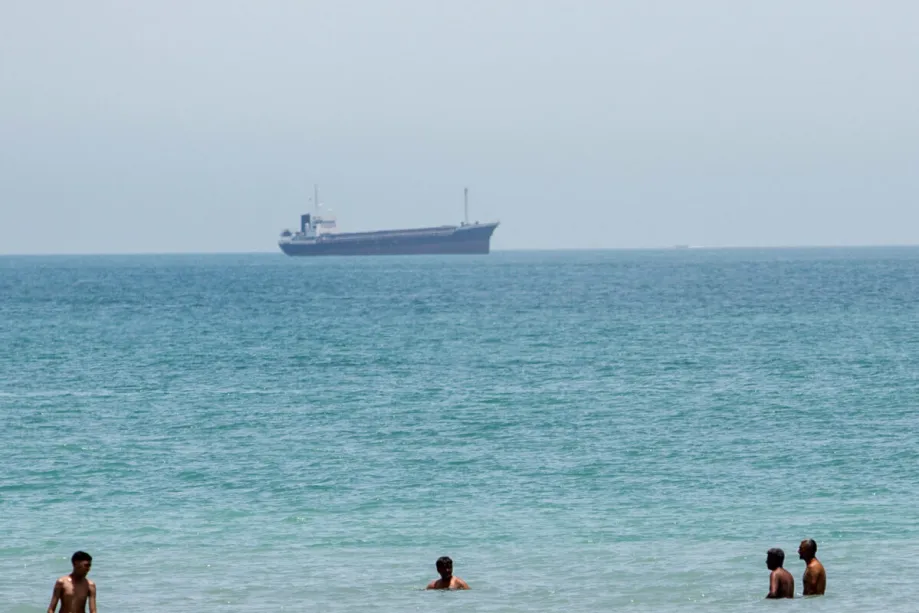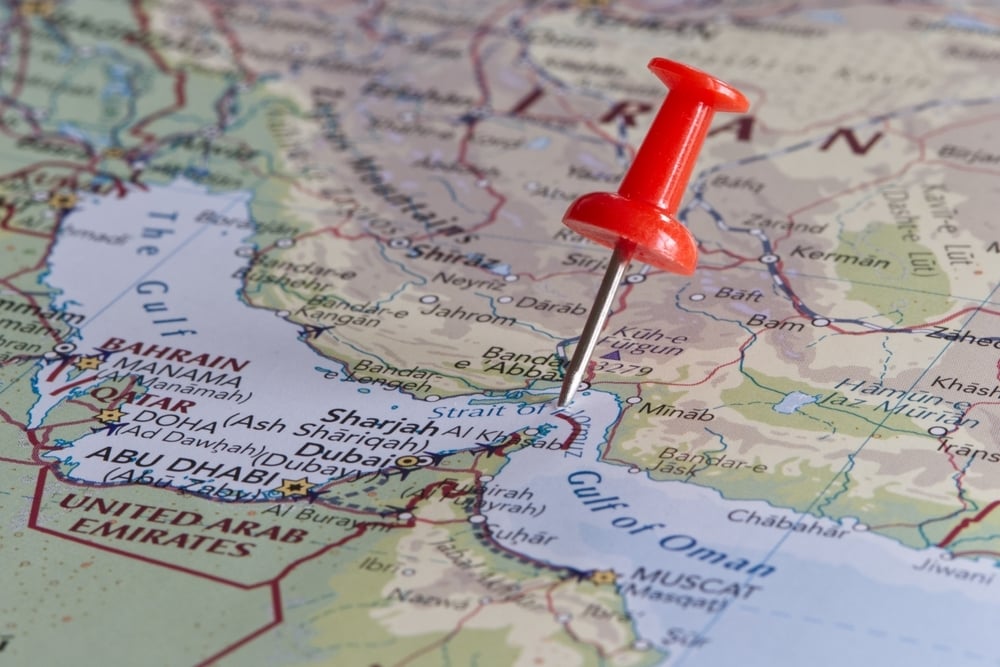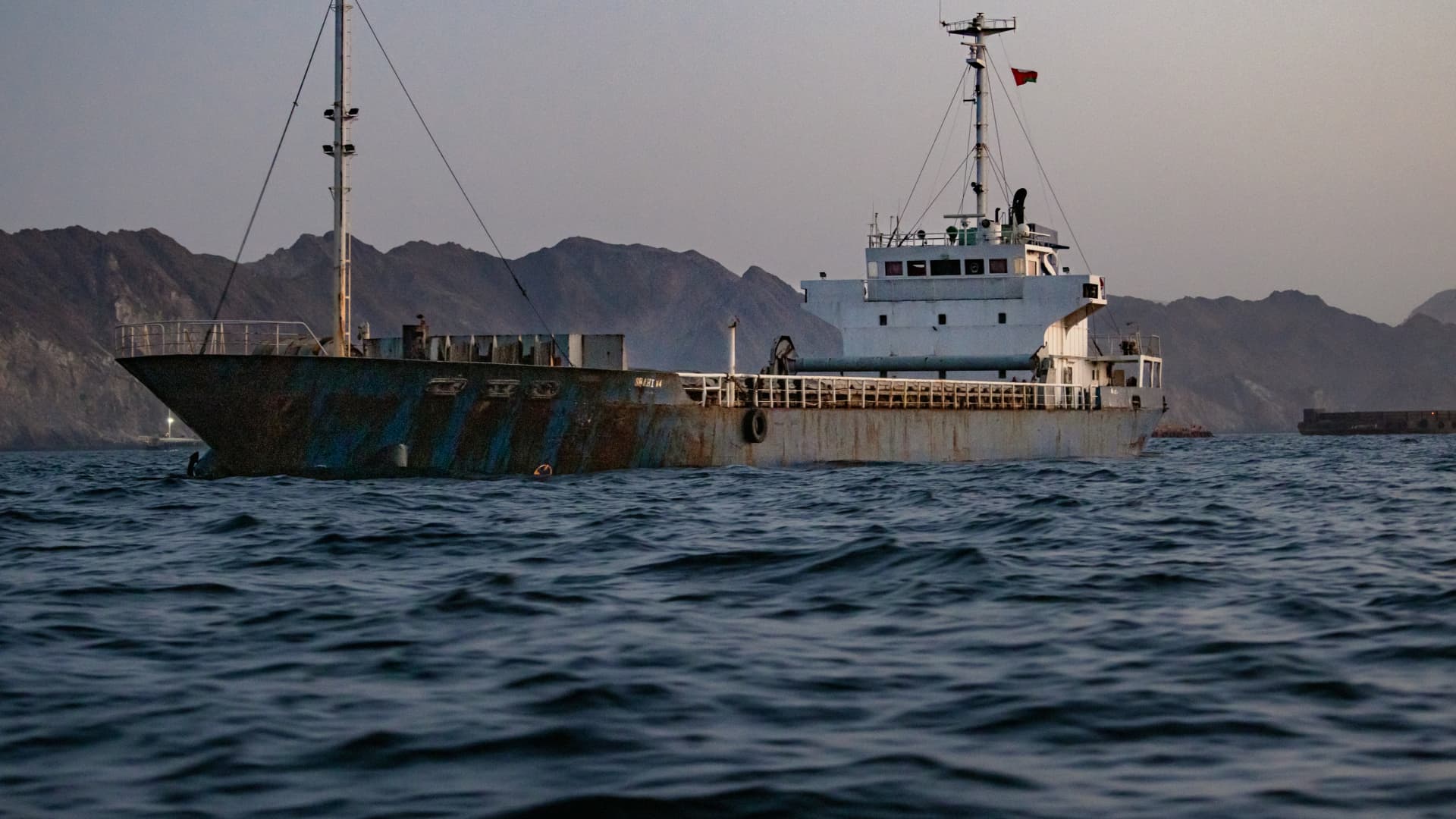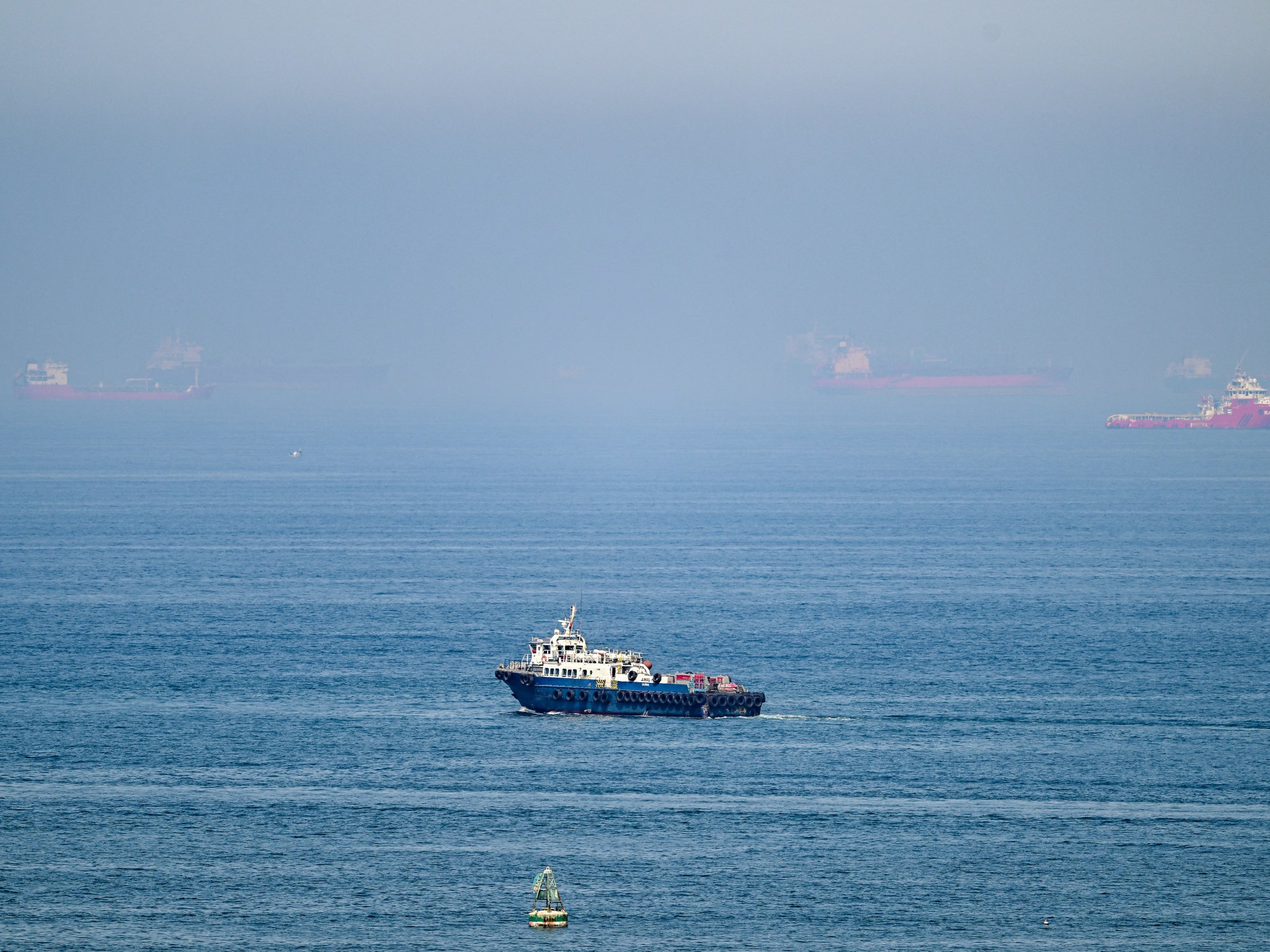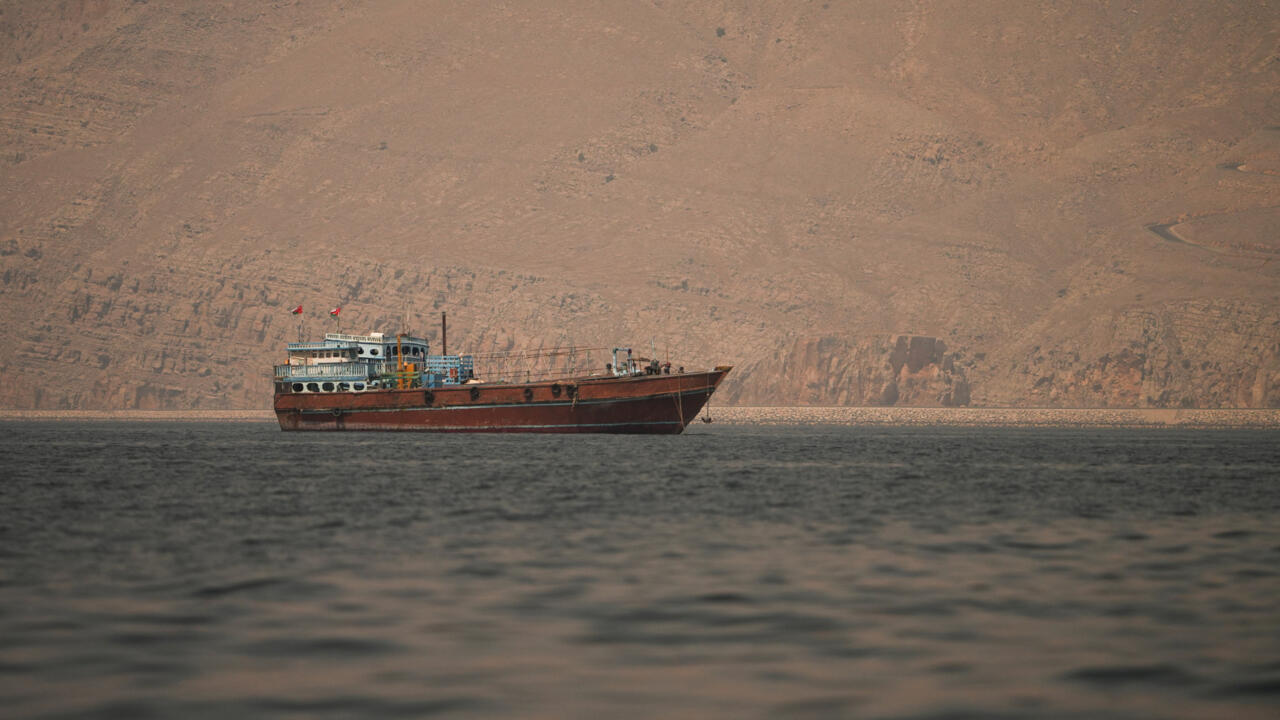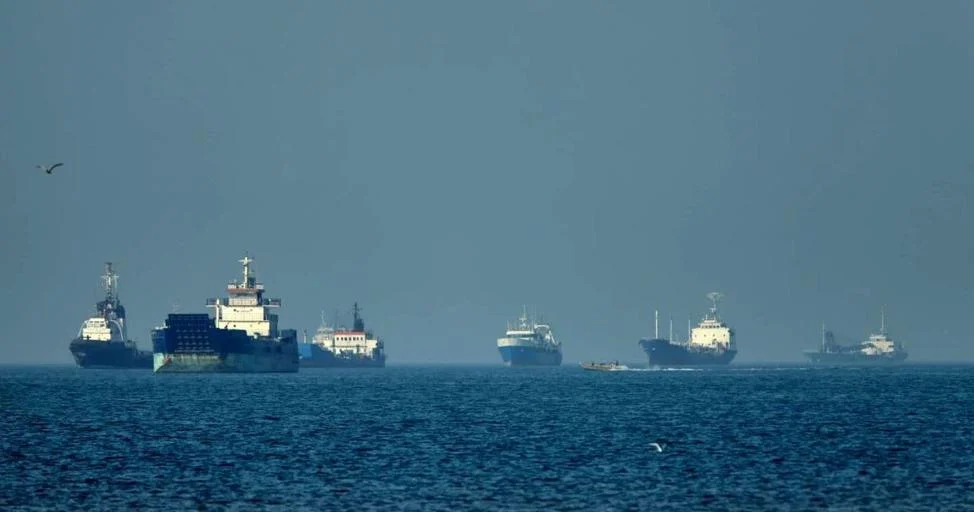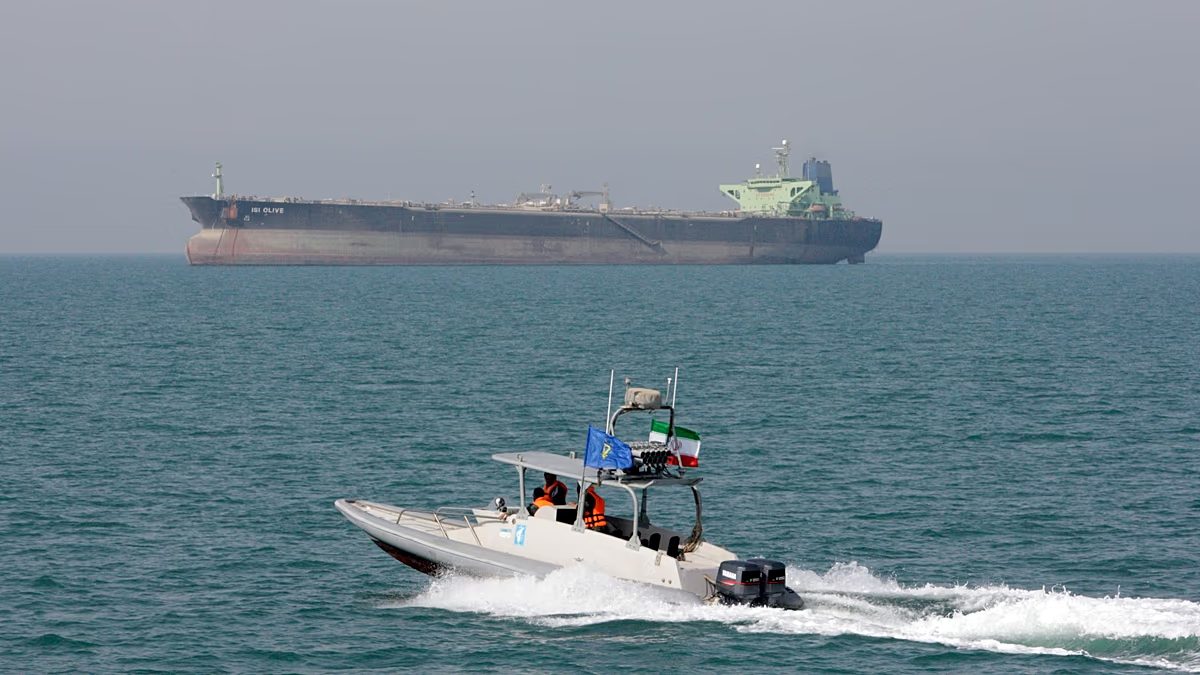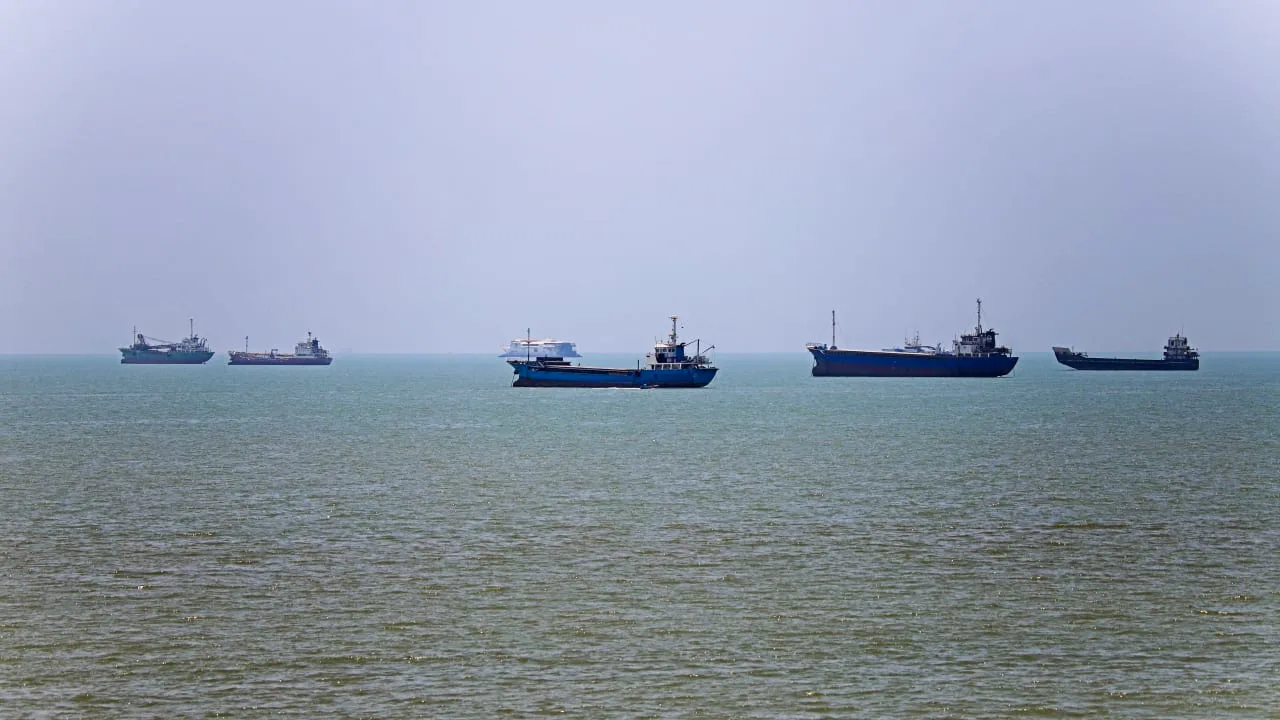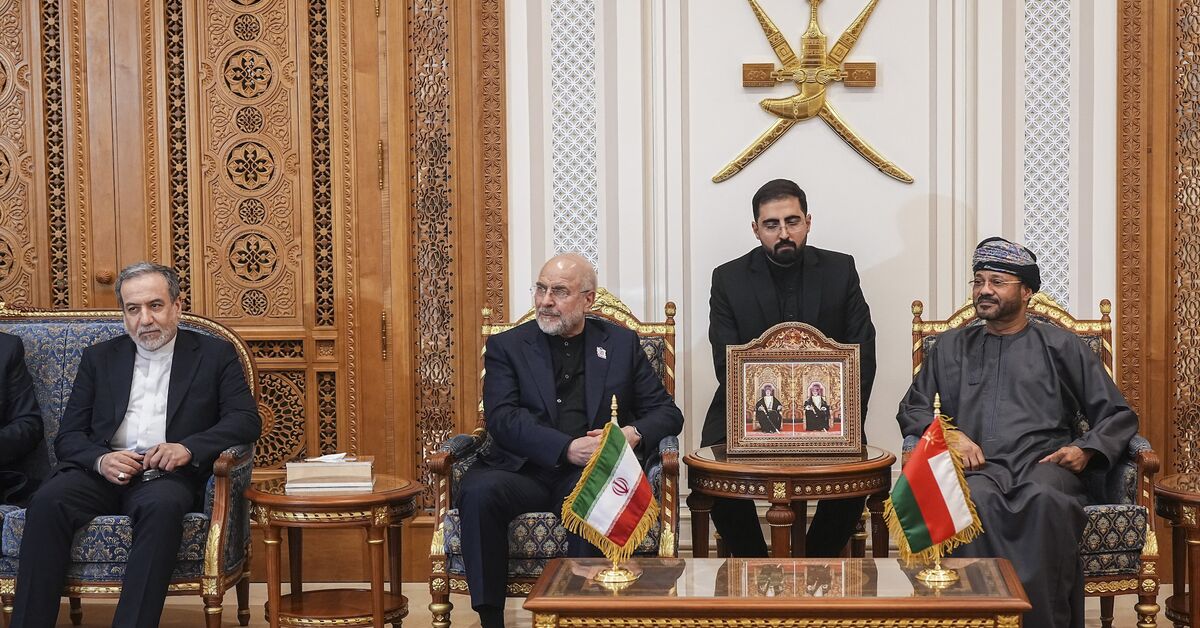
Iran’s Islamic Revolutionary Guard Corps said on Thursday that vessels transiting the Strait of Hormuz can only use Iranian-designated routes, warning against any passage without prior coordination in a setback for the resumption of operations in the key waterway.Oman had announced temporary shipping routes to facilitate maritime traffic through the Strait of Hormuz on Tuesday.What happened: In a statement carried by Iranian state media outlets early on Thursday, the IRGC said any commercial ships that attempt to pass through the strait without coordination with its navy “will be dealt with.”“A few hours ago, without prior notice or coordination with the Islamic Republic of Iran, some authorities announced a new route for the passage of ships through the Strait of Hormuz, which is unacceptable and completely dangerous,” the IRGC said. “We inform all parties that the only authorized routes for crossing the Strait of Hormuz are the routes announced by the Islamic Republic of Iran. Navigation outside these routes is highly dangerous and prohibited, and we warn all vessels to strictly avoid any movement outside the designated corridors.”What it means: On Tuesday, Oman announced the opening of a temporary maritime corridor to allow for “a gradual and controlled” evacuation of vessels transiting the Strait of Hormuz, citing the “elevated risk of collision.”In a notice issued by Oman’s Defense Ministry to mariners, the sultanate said it has designated, in coordination with the International Maritime Organization, two temporary routes to the north and south of the existing shipping lane.The notice said the measure aimed to “ensure freedom of navigation in the strait without imposing any tolls, in line with the outcomes and efforts reached by the United States and Islamic Republic of Iran.”Vessels planning to transit the Strait of Hormuz must complete the necessary coordination with the International Maritime Organization and Omani authorities, the notice added.The decision was announced just a few hours after Oman’s Sultan Haitham bin Tariq held talks in Muscat with the head of Iran’s negotiating team, Parliament Speaker Mohammad Bagher Ghalibaf, on the future management of the waterway that separates Iran and Oman.The two officials agreed to establish a “joint working group” between the Iranian and Omani foreign ministries “to reach agreement on future administration of navigation in the Strait of Hormuz and the services that will be provided in this regard and the costs associated with them in accordance with international standards,” a joint statement read.Background: Maritime traffic across the Strait of Hormuz has been severely disrupted by Iran’s de facto closure of the waterway that began in response to the US-Israeli joint strikes on Feb. 28 as well as a US naval blockade of Iranian ports and vessels in the region. The Strait of Hormuz is the only sea passage from the Persian Gulf to the Arabian Sea and the Indian Ocean. Nearly 15 million barrels of crude oil — or nearly 34% of global crude oil trade — flowed daily through the waterway in 2025, according to the International Energy Agency.Although the strait has technically reopened to commercial shipping under a US-Iran memorandum of understanding signed last week, it appears that maritime traffic is recovering gradually.According to International Maritime Organization data, 57 ships carrying around 11,000 seafarers that were stranded in the region have transited the Strait of Hormuz under a UN evacuation plan that was launched on Tuesday.The evacuation is being carried out in coordination with the US, Iran, Oman and other coastal countries, International Maritime Organization Secretary-General Arsenio Dominguez said on Tuesday. Under the US-Iran MoU, Iran agreed to make the necessary arrangements to ensure safe passage of commercial vessels with no charge for 60 days from the Persian Gulf to the Sea of Oman and vice versa.The MoU also outlined that Iran and Oman would “conduct dialogue” to “define the future administration and maritime services in the Strait of Hormuz in discussion with other Persian Gulf littoral states.”Know more: However, conflicting statements by both the Iranian and the US sides continue to cast doubt on the future of navigation through the key waterway.Speaking at a meeting with foreign ministers of Gulf Cooperation Council states in the Bahraini capital Manama on Thursday, US Secretary of State Marco Rubio said the US would not accept the Strait of Hormuz belonging to any single nation, adding that whether Iran described payments as tolls or fees was “all semantics.”“International waterways do not belong to any nation state. This is a foundational principle in the world today, without which the world would be in total chaos,” he said.Last week, Iran’s Ghalibaf said in a statement carried by Iranian state television that Tehran plans to impose what he called maritime service fees on traffic in the Strait of Hormuz after the 60-day period stipulated in the US-Iran MoU ends.“The Strait of Hormuz will not return to pre-war conditions,” he said, adding, “Iran has the right to sovereignty over the Strait of Hormuz and of course we will receive a fee for services.”
Iran’s IRGC warns against using 'highly dangerous' Hormuz route: What to know
Tehran is warning that Oman's temporary routes will not guarantee safe passage through the key waterway.
823 words~4 min read