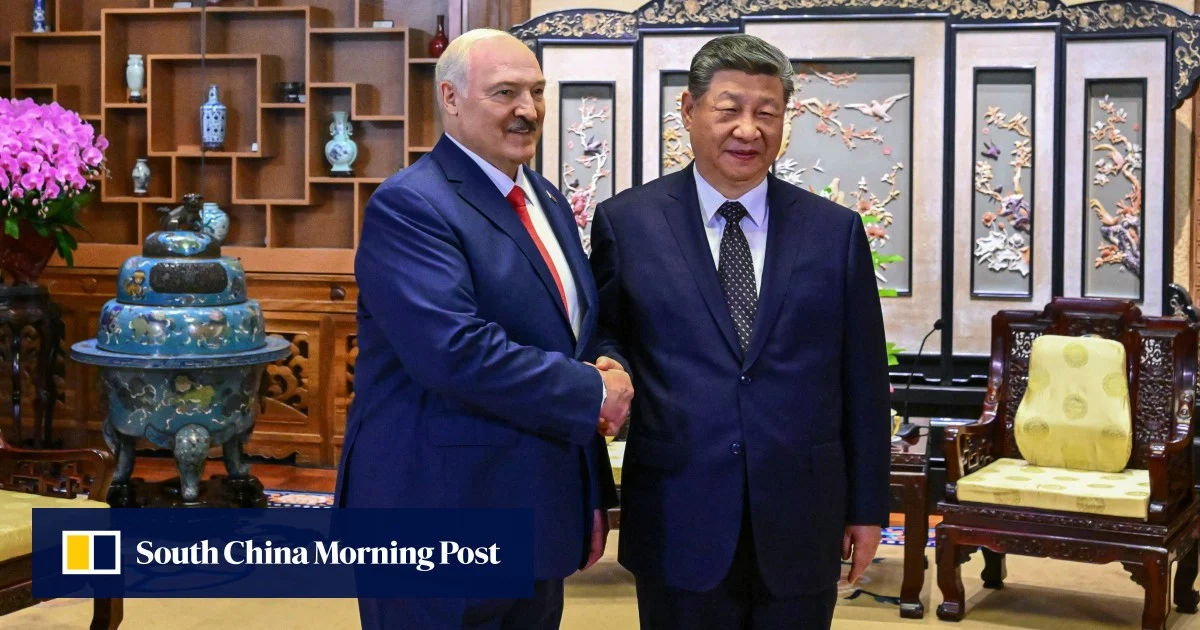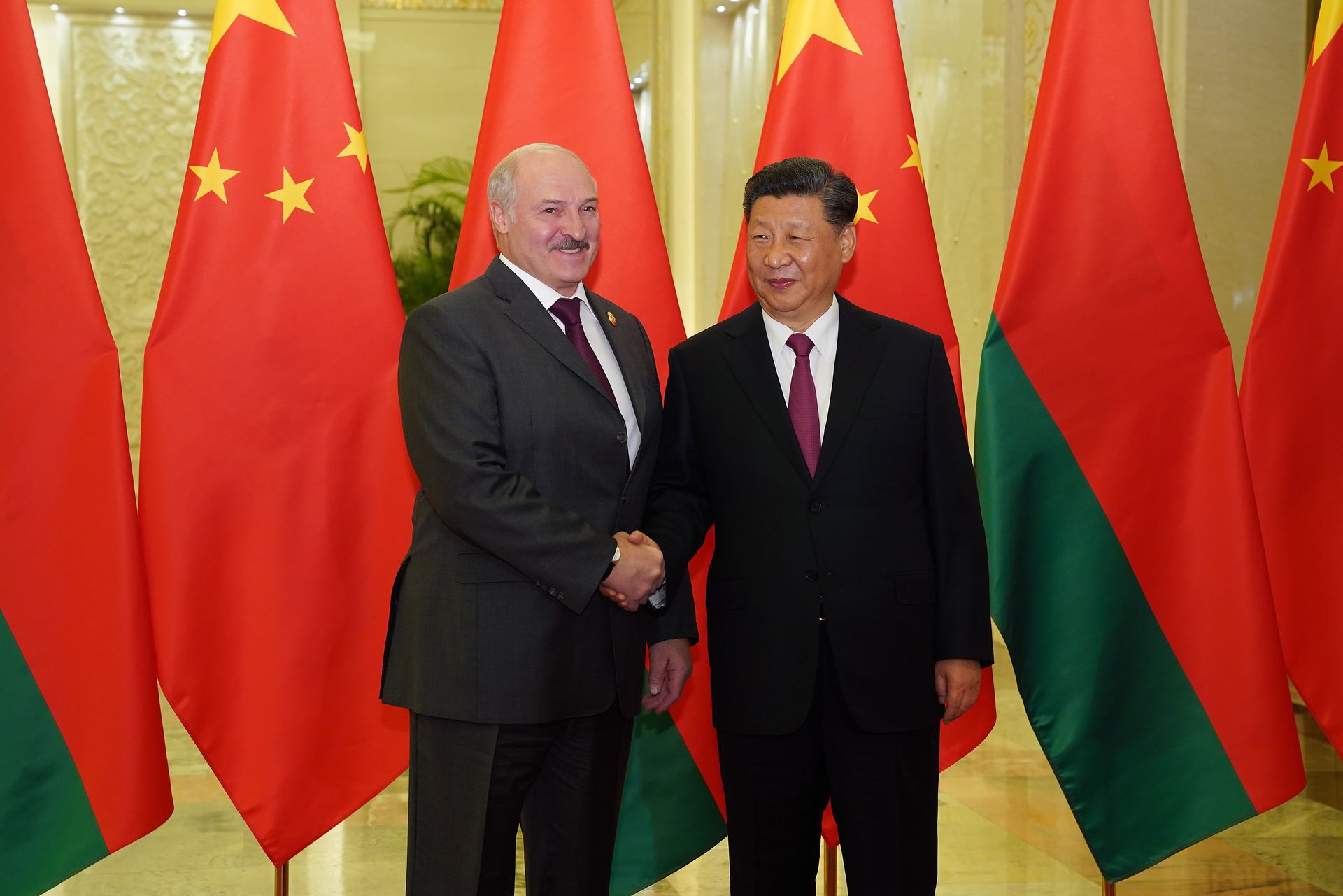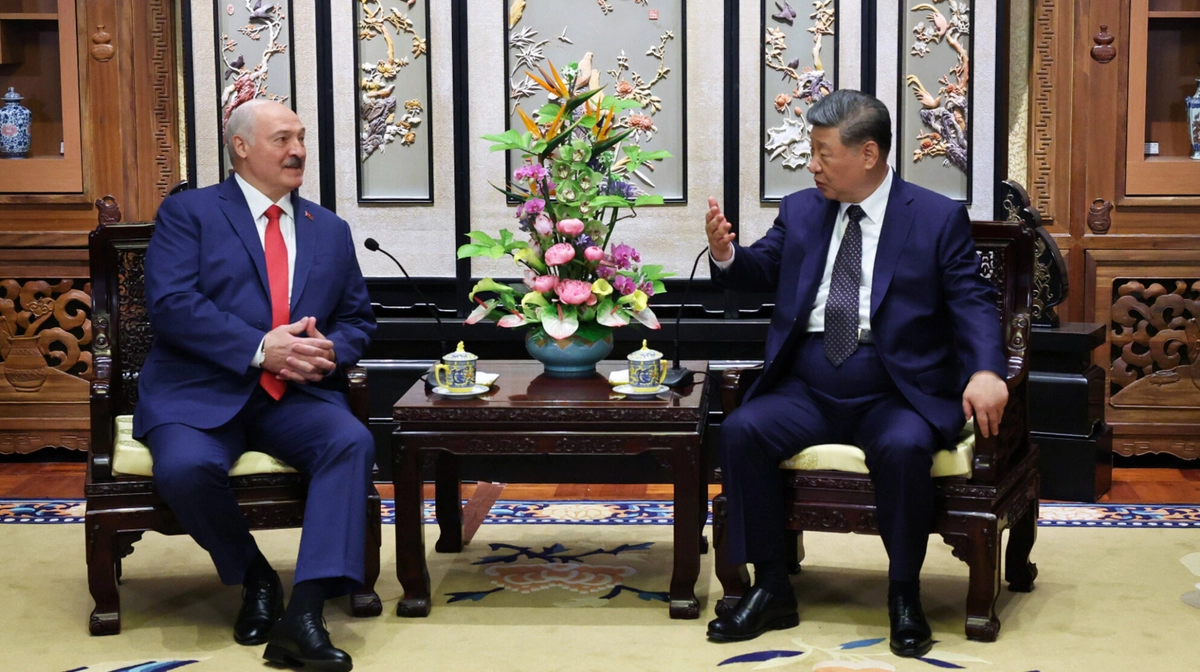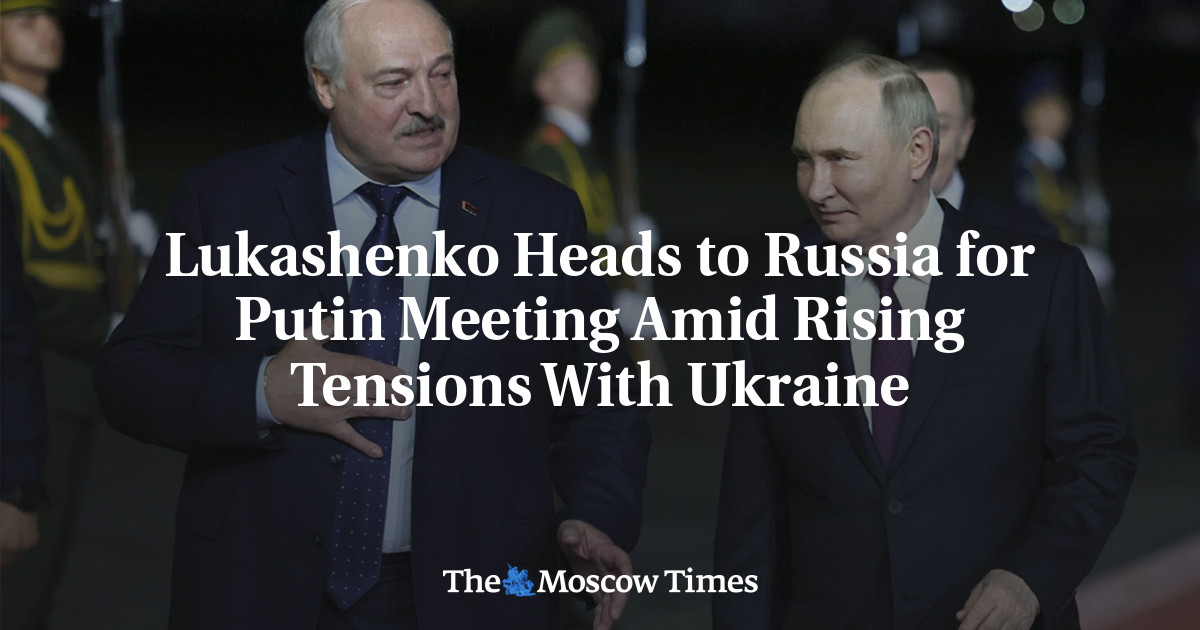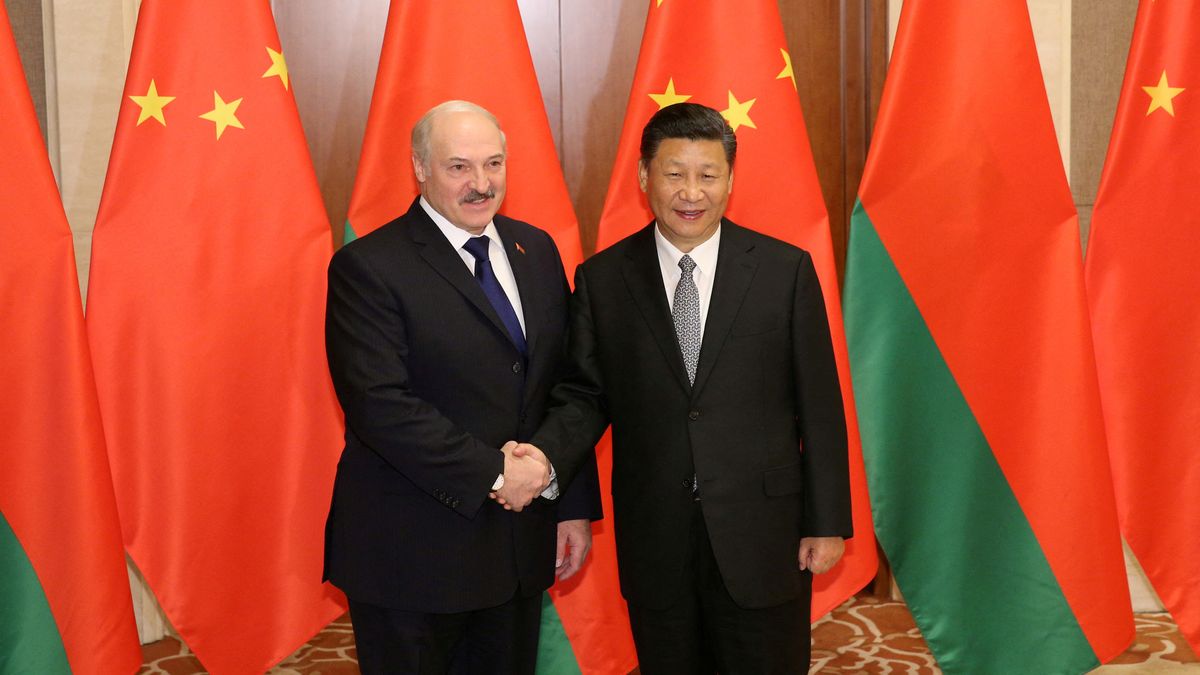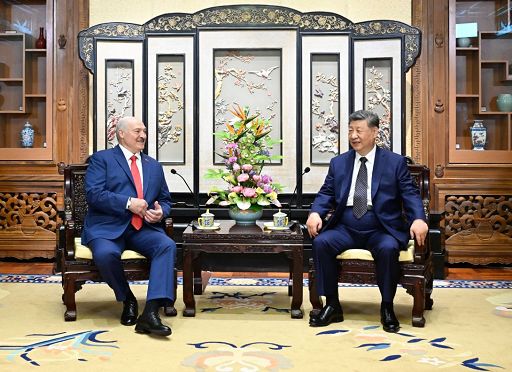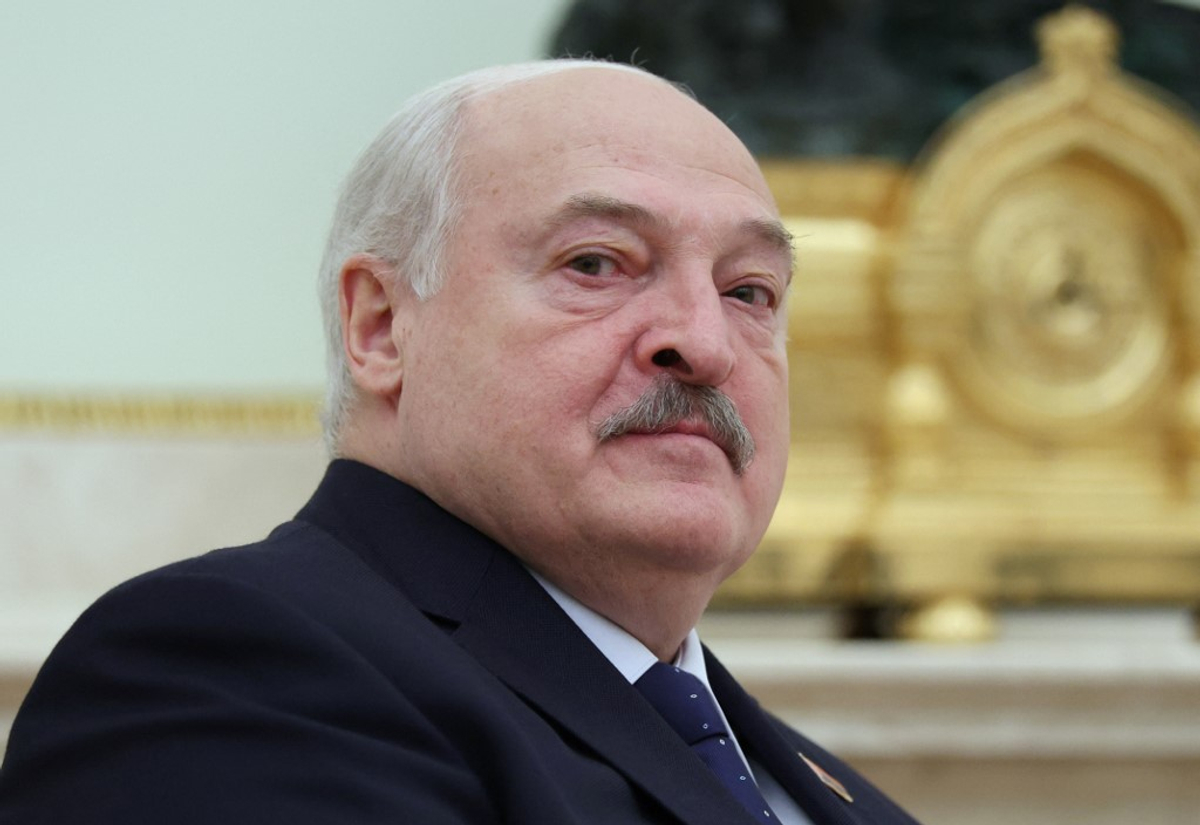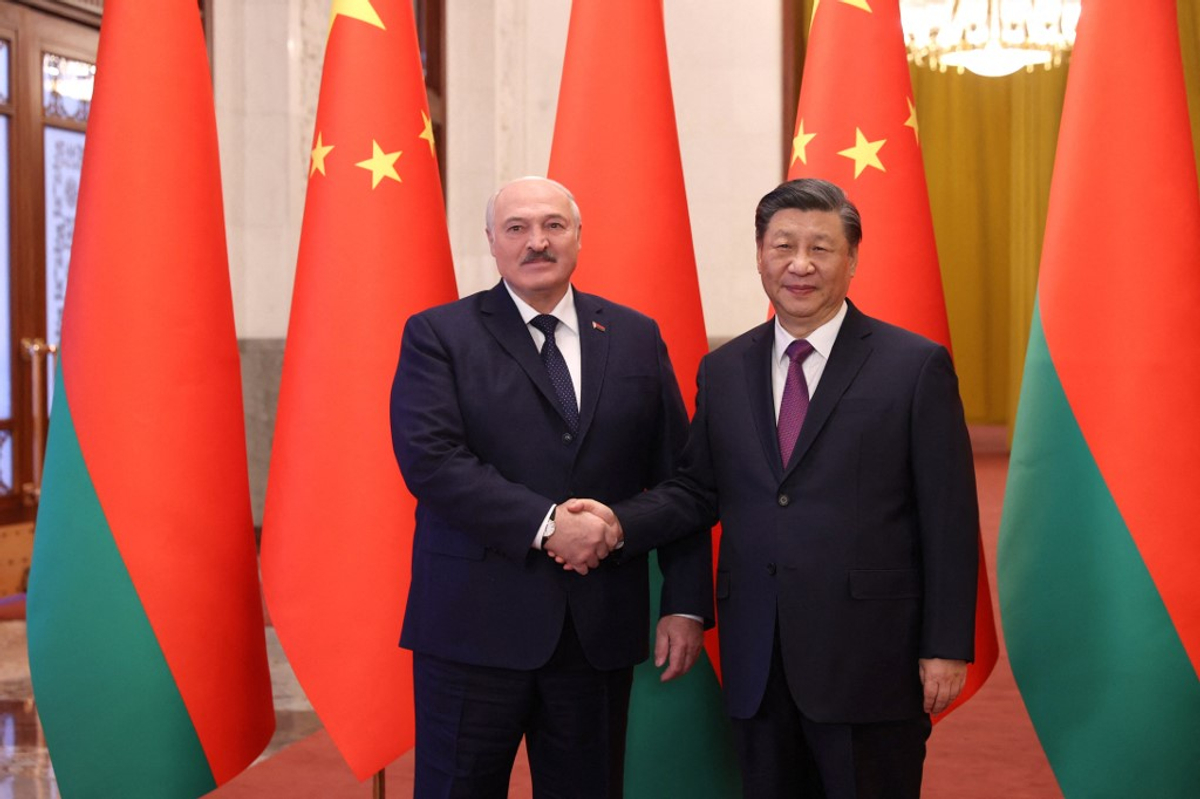
Belarusian dictator Alexander Lukashenko’s unannounced dash to Beijing – just days after a closed-door summit with Vladimir Putin at his Valdai residence – was presented as a celebratory showcase of “iron friends” enjoying what officials described as a “historic peak” in relations. In reality, it was a desperate geopolitical hedging maneuver by a leader trapped between Moscow’s military demands, Kyiv’s growing pressure, and his own regime’s survival.JOIN US ON TELEGRAMFollow our coverage of the war on the @Kyivpost_official. A dictator looking for cover Lukashenko arrived in Beijing fresh from an intense diplomatic bottleneck with both Kyiv and Moscow. Ukraine had recently issued a strict warning to Minsk over electronic relay equipment that Kyiv says was being used to help guide Russian drone strikes against Ukrainian cities. Following an ultimatum from President Volodymyr Zelensky, Ukrainian intelligence reported that parts of that infrastructure suddenly ceased operating. For a dictator who has survived for decades by balancing fear against obedience, this is perilous territory. Lukashenko cannot afford to look weak before Kyiv, yet he cannot afford to look unreliable to Putin. His itinerary tells the story: first Valdai, then Beijing. First the master he fears, then the patron he hopes can shield him. Putin wants Belarus useful, not equal For Putin, Belarus is not an equal ally but a launchpad, buffer zone, and gray-zone hub on NATO’s eastern flank.
Lukashenko Tests China’s Support as War Pressure Grows
Lukashenko’s Beijing trip exposed a ruler seeking Chinese cover as Kyiv raises the cost of Belarus’ role in Russia’s war.
1,074 words~5 min read