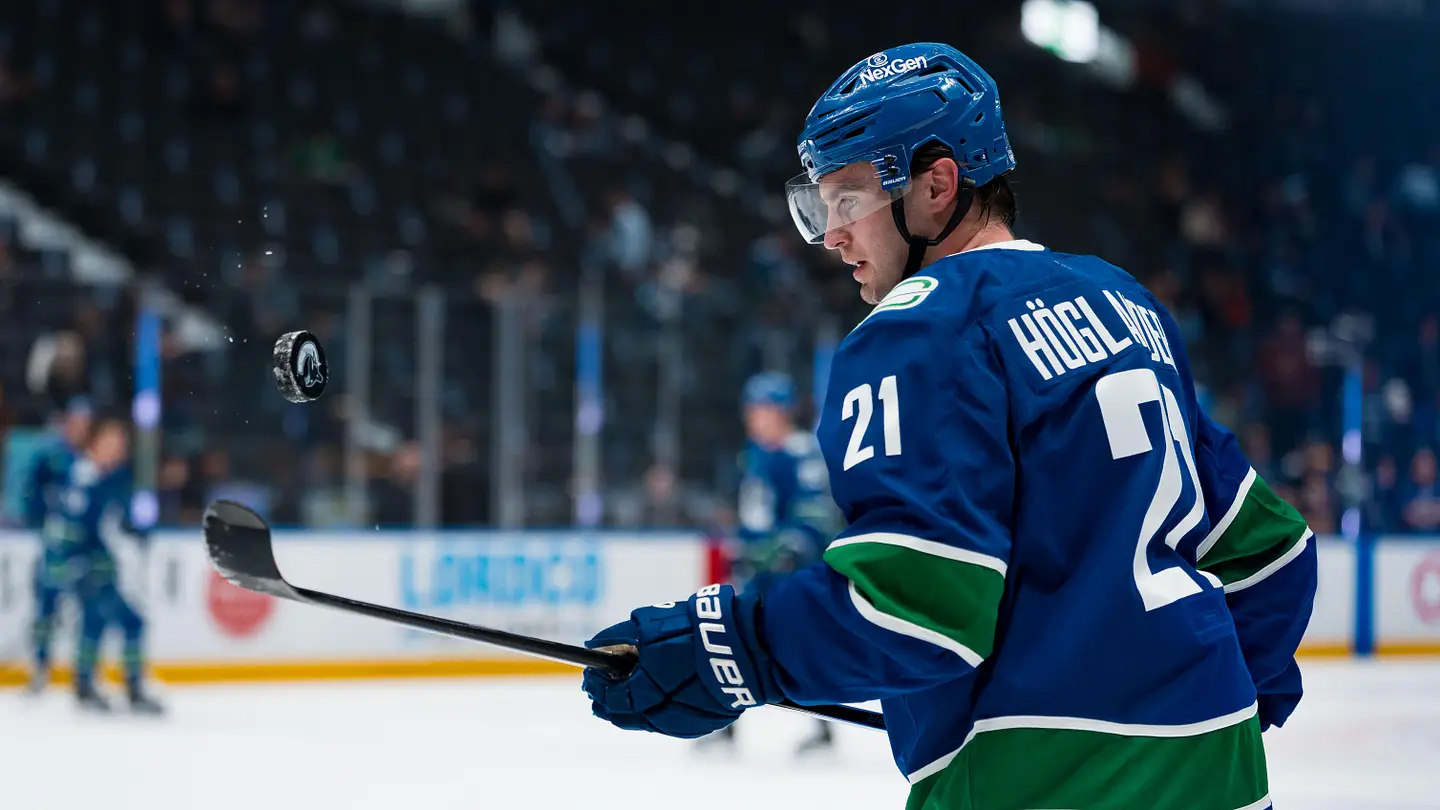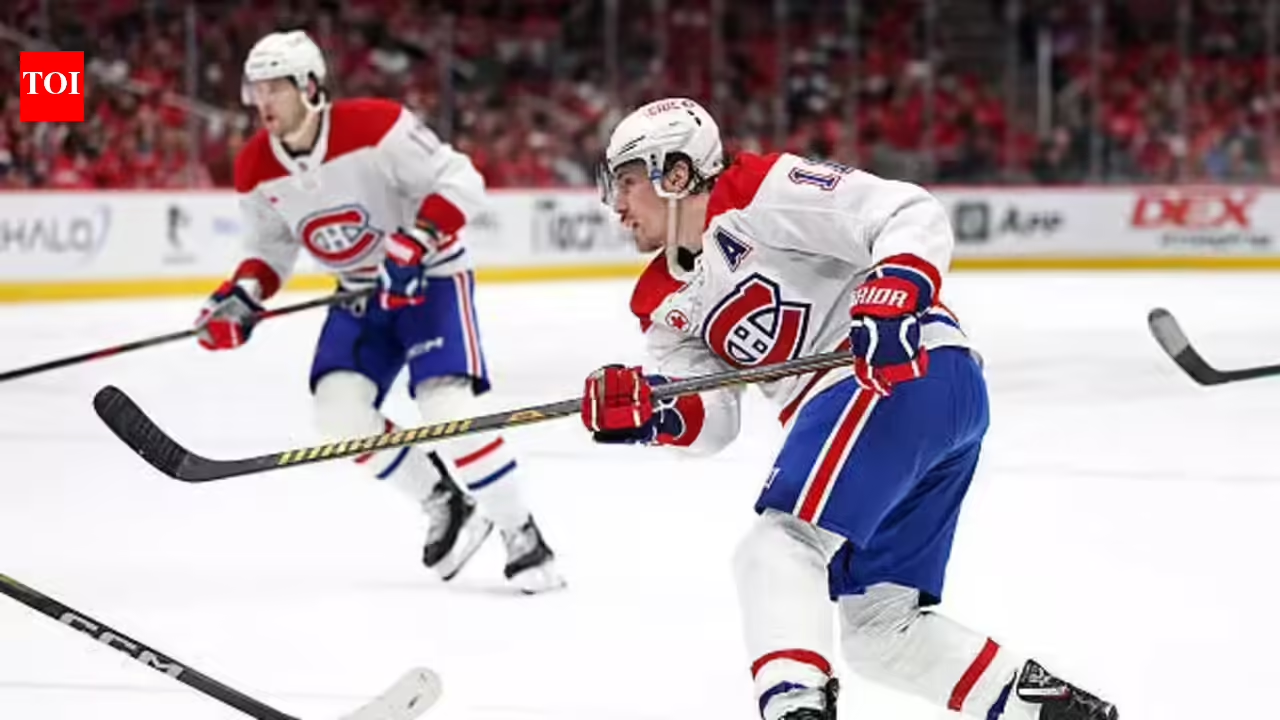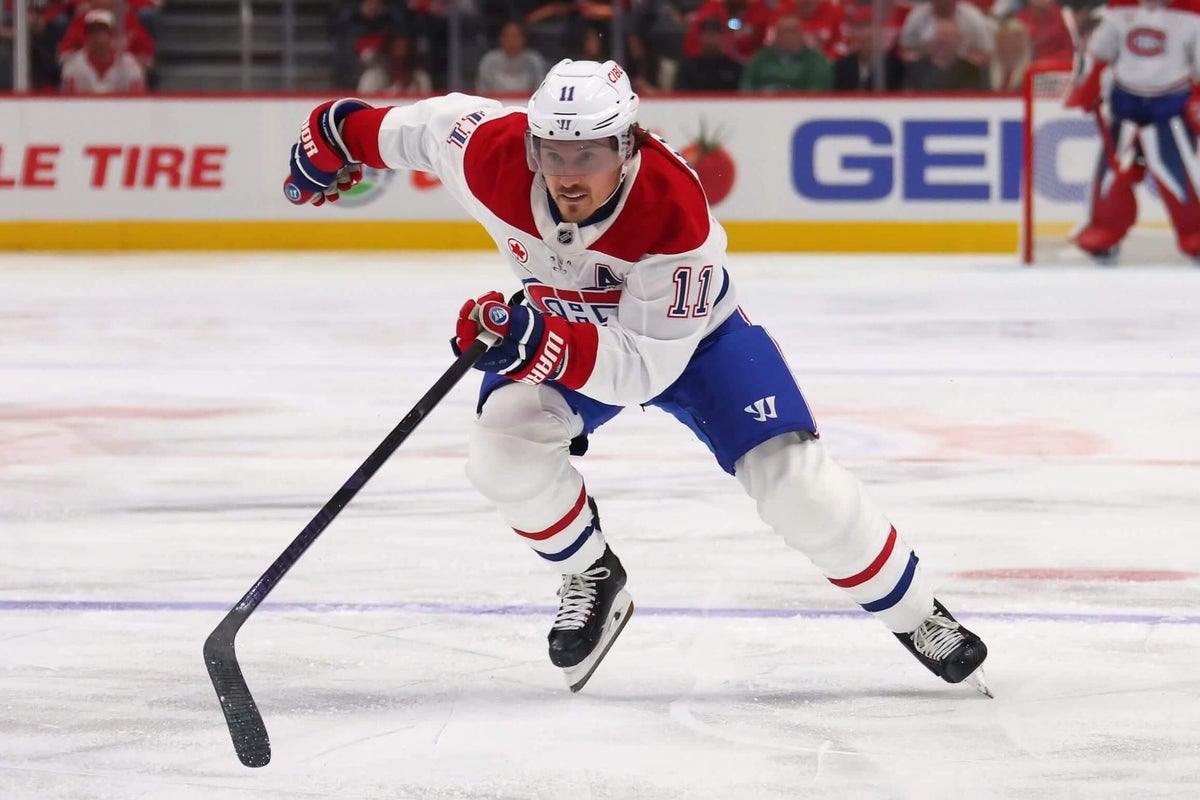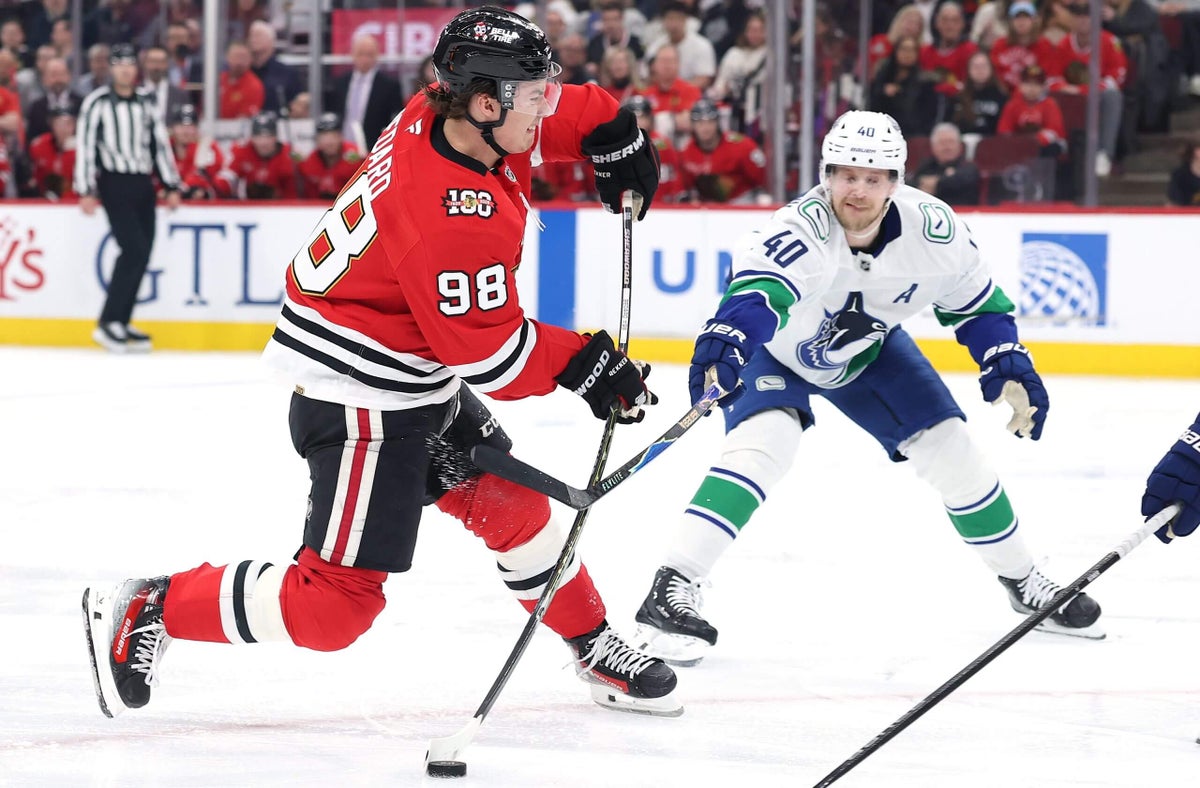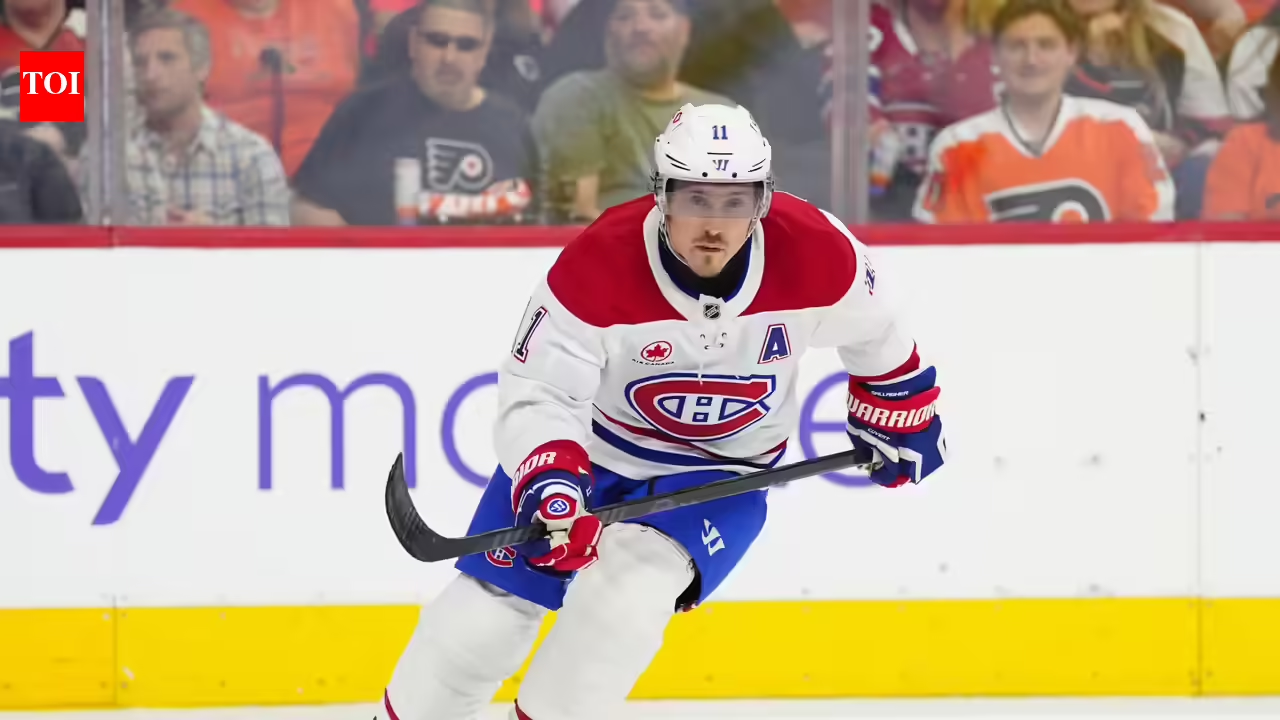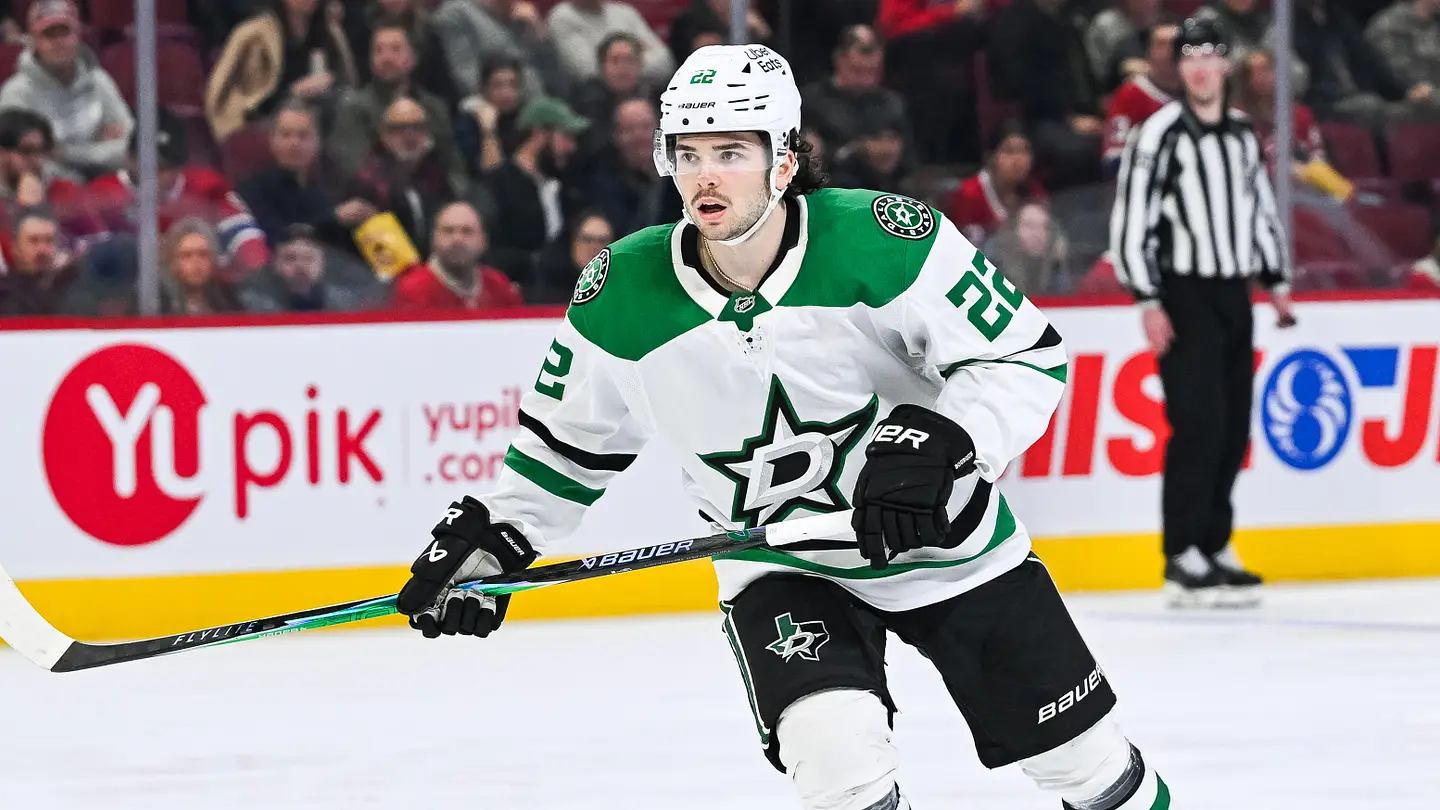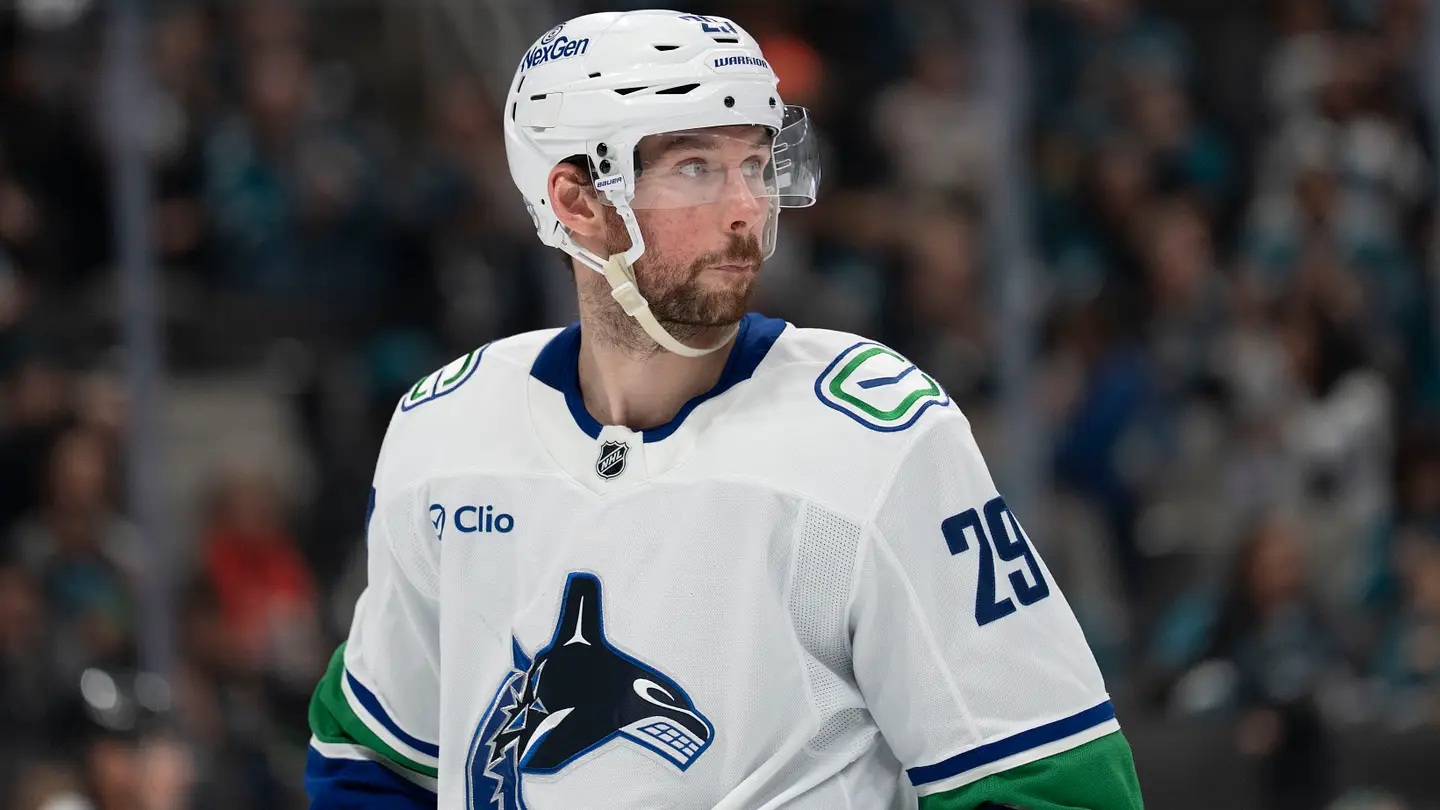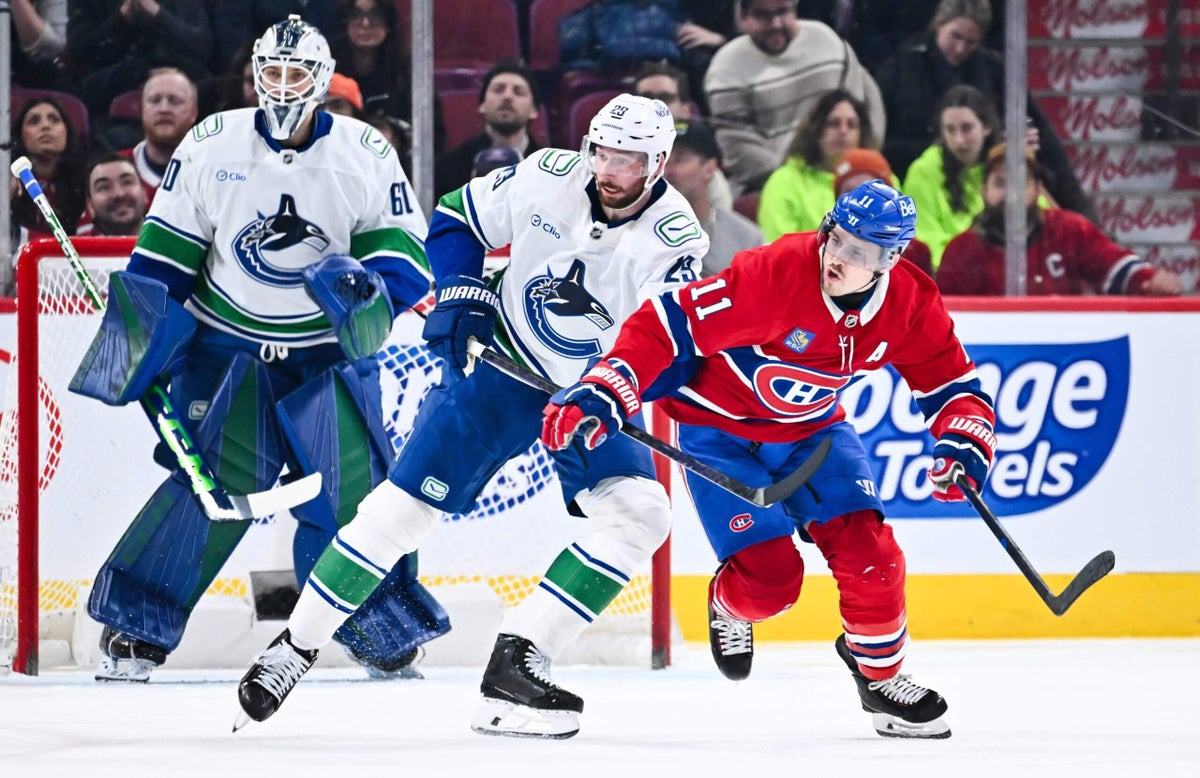
On Monday, the Vancouver Canucks traded Nils Höglander to the Nashville Predators for a 2029 third-round pick and used the space that move created to acquire Brendan Gallagher for essentially free from the Montreal Canadiens.It was a sequence that marked the first major trades of Ryan Johnson’s tenure as Vancouver’s general manager.These trades also feel like a bizarro echo of a deal by previous Canucks management almost exactly one year ago.It was in late June 2025, after all, that the Canucks acquired a former Vancouver Giants player at the tail end of his career from a contending team, in a trade with ties to another highly drafted player from Vancouver’s 2019 draft class.How to win a Stanley Cup without superstarsHarman DayalIn that case, it was Evander Kane, acquired from the Edmonton Oilers for a fourth-round pick the club had acquired the year before from Edmonton for Vasily Podkolzin.But any fun-house mirror similarities between the Kane trade and the deals Johnson and the Canucks executed on Monday are largely superficial. What was actually telling, however, was an evident contrast in priorities.Where the Canucks were cavalier about having done their homework to assess Kane’s potential fit a year ago — overly focused on his ability to impact the heaviness of their roster on the ice, and failing to consider how he might add to the volatility and sulkiness of a group already prone to volatility and sulking — in acquiring Gallagher, there was very little homework to do.There’s no off-ice drama to get into, nor controversies to unpack.Gallagher has been a highly respected and well-liked teammate from junior hockey through to his 14 seasons with the Canadiens.“You hear me talk a lot about professionalism and the quality of teammate, I mean, is there anybody that checks the box more than this guy?” was the rhetorical question that Johnson asked, easily framing what Gallagher can mean to a rebuilding team that’s unlikely to push for a playoff spot next season.“He’s talking about just doing anything he can to help where we are at and help us grow,” Johnson continued. “And I think the common word he kept using was ‘build’ and that’s what we’re doing here is trying to build something, an environment, that is strong and that is sustainable. He’s gonna be a massive piece of that.”If we zoom out to look at the full picture, it’s immediately apparent the Canucks were eager to bring in a veteran with Gallagher’s level of credibility and weight. That they found a way to do so without incurring any acquisition cost, and without committing the sort of term that the top character unrestricted free agents may be able to demand later this week, makes this addition rock solid.The intangibles a player like Gallagher can bring are absolutely vital, of course, but paying for them, especially at the outset of a rebuild, has to be a non-starter. Seizing on the opportunity to add a person like Gallagher free of charge makes this a very good day for the organization.Of course, it’s not quite that simple. Nothing ever is when the Canucks are involved.Before Johnson and the Canucks could add Gallagher, Vancouver first had to go about subtracting from the lineup. While that’s partially roster crunch-related — the Canucks have a relatively full lineup, incredibly — it also may be budget-related.The logic of the Gallagher trade, for example, in which Montreal retained 50 percent of Gallagher’s salary and didn’t net an asset for its trouble, suggests perhaps the Canucks could’ve netted an asset if they’d been willing to take on the full freight of Gallagher’s contract.That the club found a way to make this two-part trade a cash-saving deal, especially in how lightly the club has seemed to spend on non-player personnel this summer, is concerning enough to file away. The Canucks appear to be operating in a very different sort of budgetary reality than they typically have in previous seasons, except for the pandemic-abbreviated seasons in 2020 and 2021.
How Canucks kickstarted offseason with Brendan Gallagher, Nils Höglander trades
The sequence marked the first major trades of Ryan Johnson's tenure as Vancouver's general manager.
1,826 words~8 min read