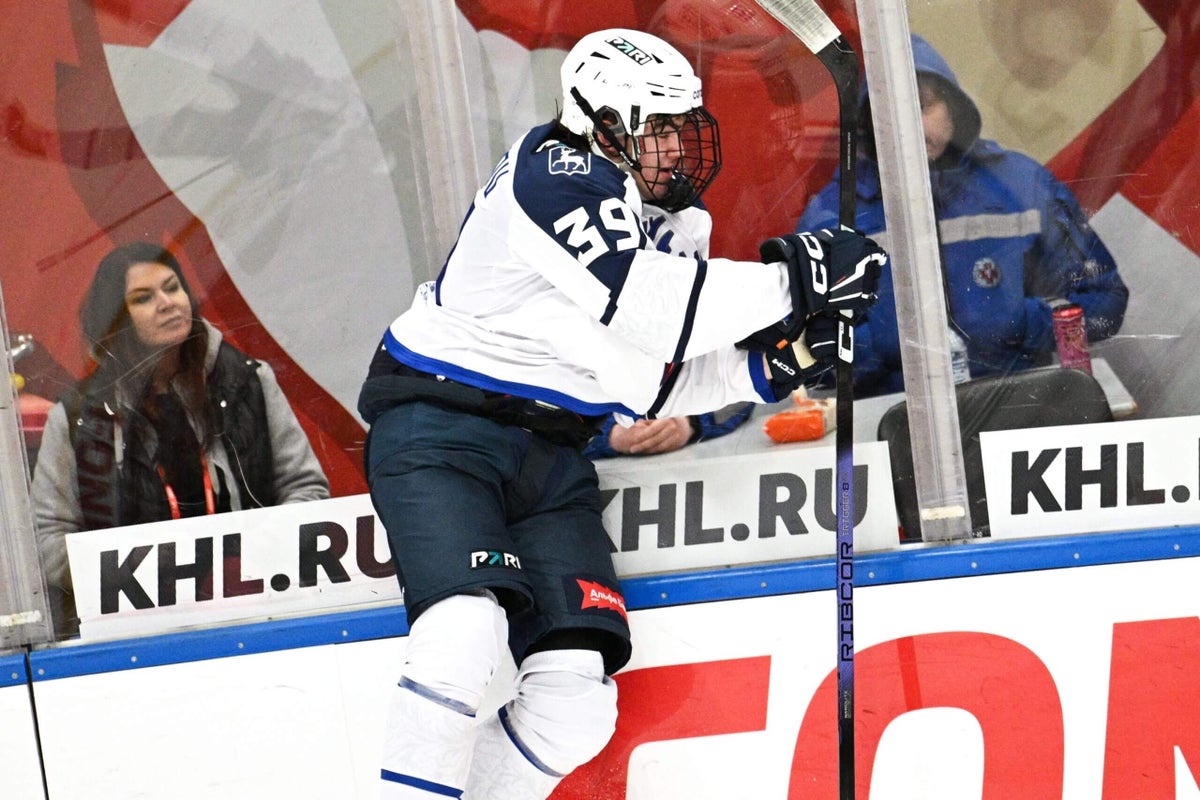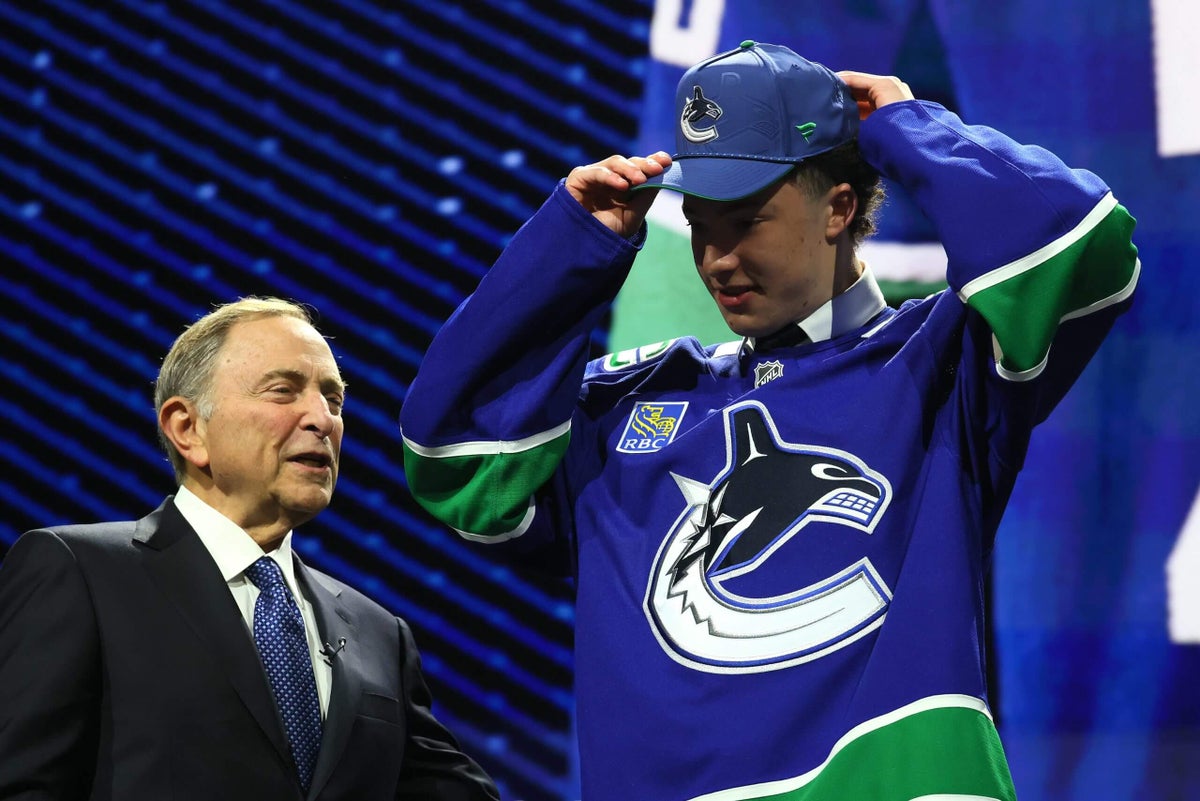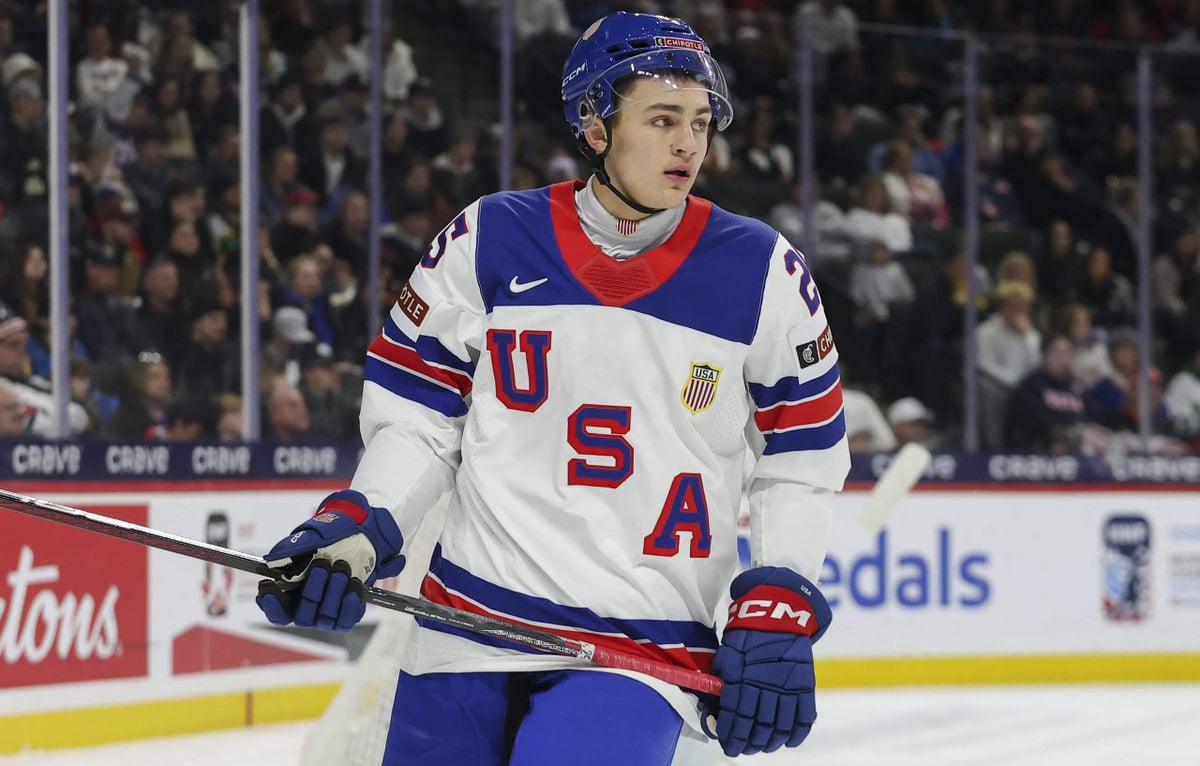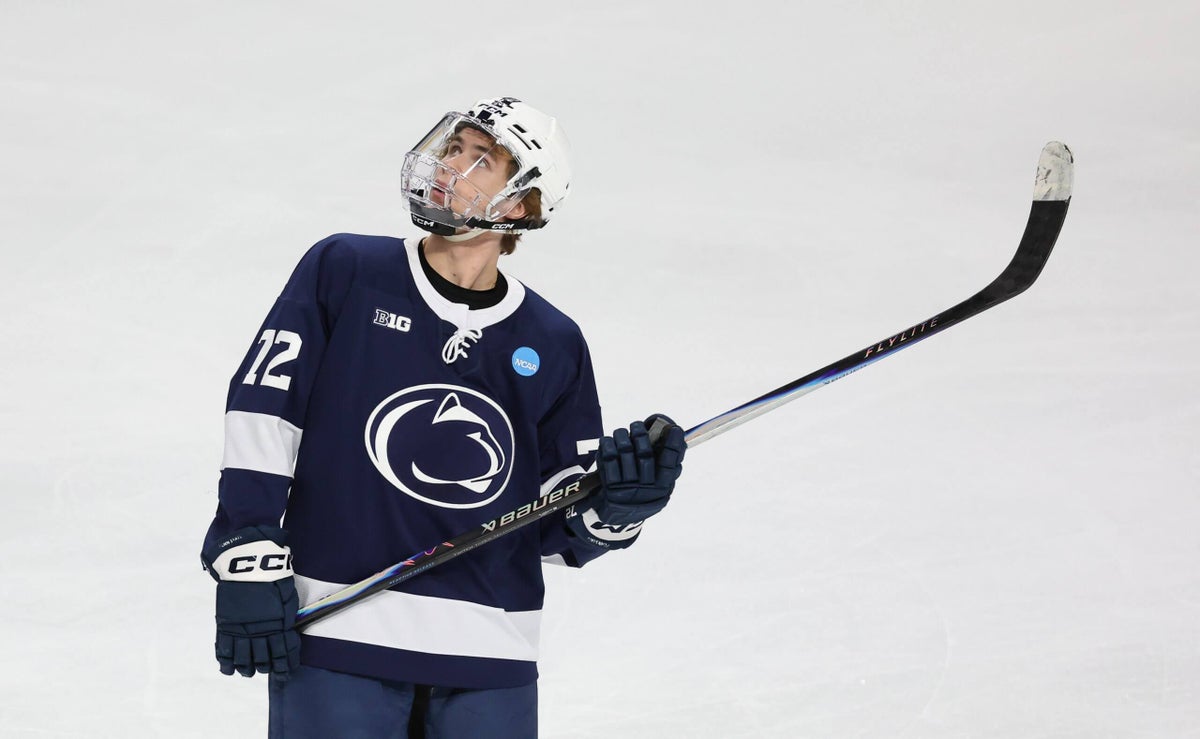
Tuesday was the big one. A day in which the NHL trade market shifted and rocked with tectonic magnitude.Top-10 draft picks shook loose. Twice. Young stars, or players with star-level potential, like Šimon Nemec, Bowen Byram, William Eklund and Jordan Kyrou, were the centrepieces of Richter scale-registering swaps.Though the Vancouver Canucks weren’t directly involved in the action, the consistent drumbeat of seismic deals was eye-opening and instructive.In no uncertain terms, Tuesday’s wild run of trades served to clarify the project at hand for this rebuilding franchise. The volume and significance of the transactions offered us — and the Canucks — a compelling opportunity to analyze the freshly forming NHL marketplace, a newly revealed fault scarp.In a lot of ways, and we’ll lump the connected Mackie Samoskevich and Brady Tkachuk dominoes from Sunday afternoon into the mix too, this felt like a paradigm shift.Brady Tkachuk to the Florida PanthersSean McIndoe and Sean GentilleUntethered from the austere restrictions of the flat cap, the trade activity felt freer and more creative.NHL teams, reacting with well-founded rational self-interest to the dearth of talent in unrestricted free agency, prioritized the trade market as a means to improve their roster. Teams were comfortable paying inflated prices to acquire good young players on appealing contracts.The market, accordingly, slanted at least superficially in favour of seller teams like the New Jersey Devils, Buffalo Sabres and St. Louis Blues. Even the Ottawa Senators, caught between a rock and a hard place with their hands tied in trading Tkachuk to South Florida, made out reasonably well given their circumstances.Zooming out to consider the full transactional fossil record as a whole, you could begin to see the broad outline of a novel mode of operation for NHL teams. A different lens through which the machinations of franchises and optimal team-building strategies must now be filtered, one in which draft pick liquidity, flexibility and premium young talent is the primary coin of the realm.As the market opened for business and hummed and hollered across the league Tuesday, the Canucks and their first-year management team remained on the sidelines.This was, first and foremost, a market formed around premium assets — star-level players on attractive deals like Kyrou and Tkachuk, or players 25 or under with star-level potential like Byram, Nemec, Samoskevich and Eklund — and for the most part, those aren’t the wares the Canucks are hawking.That in itself is unfortunate. Especially given that top-10 picks have changed hands three times across the past 72 hours.The only chit the Canucks could’ve cashed that would’ve drawn a crowd, however, is 28-year-old defender Filip Hronek.Because while the prices may have seemed, superficially, as we previously noted, to favour the sellers over the past few days, the context of those deals themselves, and these are largely deals centred around good young players, uniformly attached to attractive deals (or soon in need of new contracts), is critical to factor in. Especially when it comes to analyzing the Canucks’ inactivity.Perhaps, one could argue, if feeling frustrated and uncharitable, that the Canucks missed the opportunity on Tuesday to sell Hronek in an attempt to turn the 2026 draft into a next-generation version of the 1999 draft by acquiring a second top-five or top-10 pick to fundamentally alter the trajectory of the franchise.In the big picture, however, it’s worth noting pointedly that comparable pieces to the more distressed assets that Vancouver possesses in greater abundance — like a struggling 27-year-old centre attached to a massive long-term contract in Elias Pettersson, or a 29-year-old streaky 25-goal scoring winger with a big long-term ticket like Jake DeBrusk or Brock Boeser — weren’t on the menu on the trade market in the early portion of this week.Maybe now that the big ticket items have sold, the teams with pressing needs may dig somewhat deeper and consider the useful if overpriced (and over-termed) options that the Canucks seem more likely to part with.Maybe once teams get better acquainted with the likely to be mind-blowing market prices in free agency, they’ll look at the presumptive acquisition cost on Pettersson or DeBrusk with greater interest.In the meantime, the trade activity this week still provided vital information about what’s likely to shape outcomes on the trade market going forward. Big, bold hockey trades of the variety we saw on Tuesday, after all, contain their own coded language.
For Vancouver Canucks’ rebuild, pre-draft NHL trade frenzy is a clarifying moment
The Canucks weren't directly involved in the action, but the deals were eye-opening and instructive.
2,113 words~10 min read