Nigeria, Africa’s most populous country, has finally switched on its nationwide digital television migration after years of delays, though ongoing concerns about infrastructure and implementation still cast uncertainty over the project, JUSTICE OKAMGBA reports
After more than a decade of missed deadlines, partial rollouts and repeated policy shifts, Nigeria has finally launched a nationwide transition from analogue to digital terrestrial television broadcasting, a reform officials say will reshape the country’s media landscape and unlock new economic opportunities across the creative and telecommunications industries.
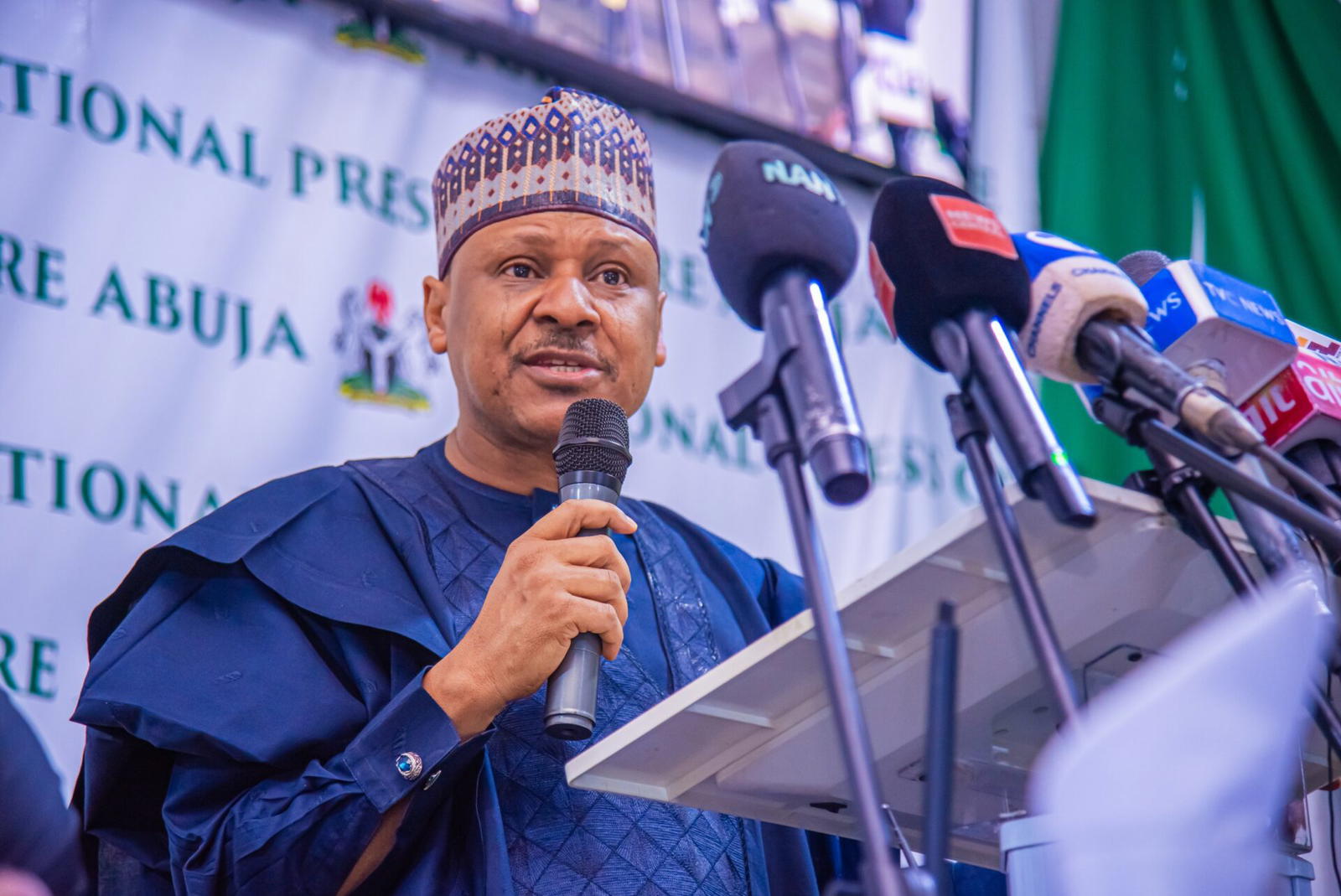
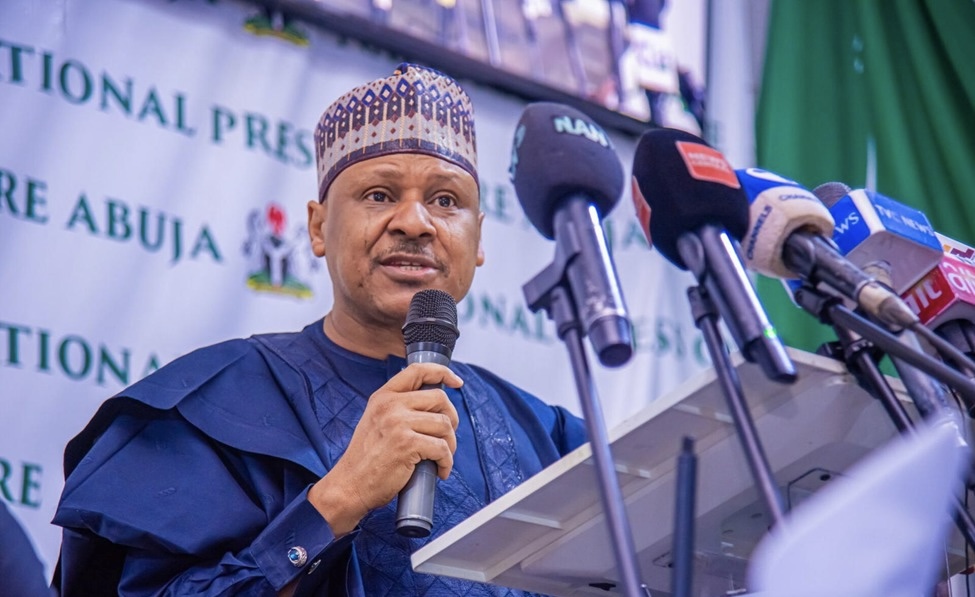
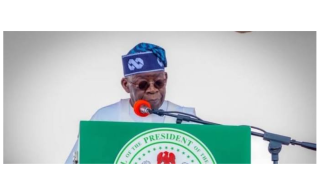
The launch, held in Abuja last week, marks what government officials describe as the completion of the Digital Switch Over programme, a project first conceived in the mid‑2000s but which has struggled to move beyond pilot phases and fragmented implementation.
“Nigerians have heard about DSO for almost two decades,” a broadcaster said during a televised interview on the margins of the launch event, reflecting widespread scepticism over whether the latest announcement would finally translate into a functional nationwide system.
The latest rollout, according to officials, introduces a hybrid broadcasting model that combines digital terrestrial transmission, satellite distribution through Nigerian Communications Satellite Limited, and internet‑enabled streaming via mobile applications. The government says the system will deliver up to 100 free‑to‑air channels, accessible through set‑top boxes, smart televisions with built‑in satellite tuners, and a newly launched “FreeTV” mobile application.