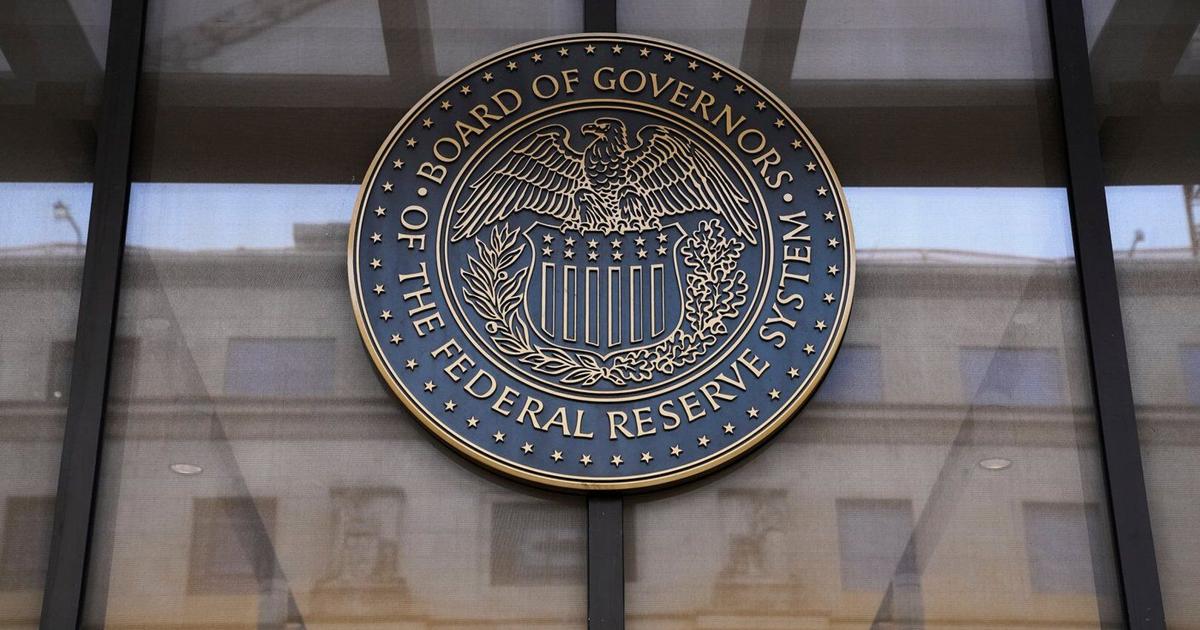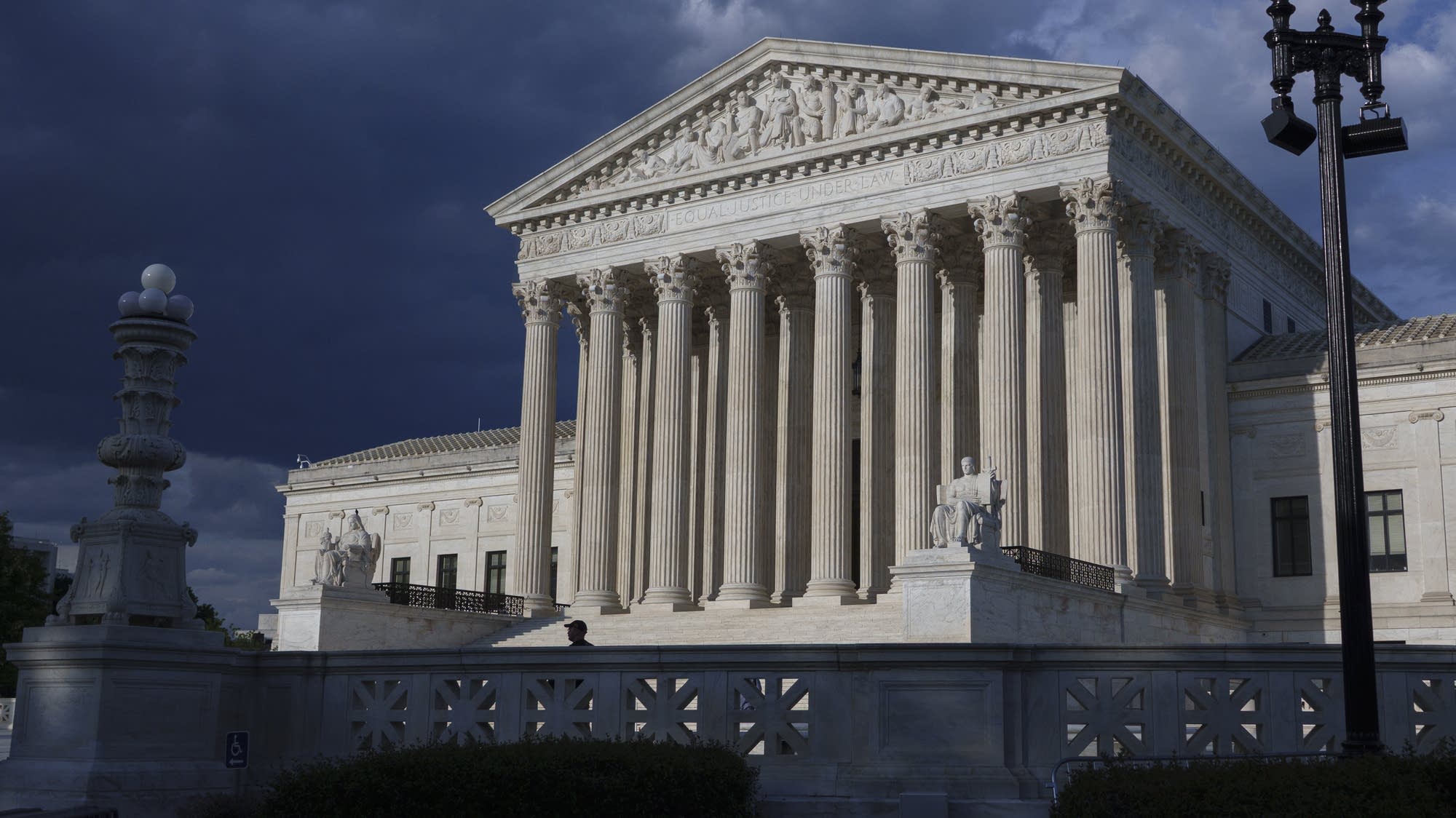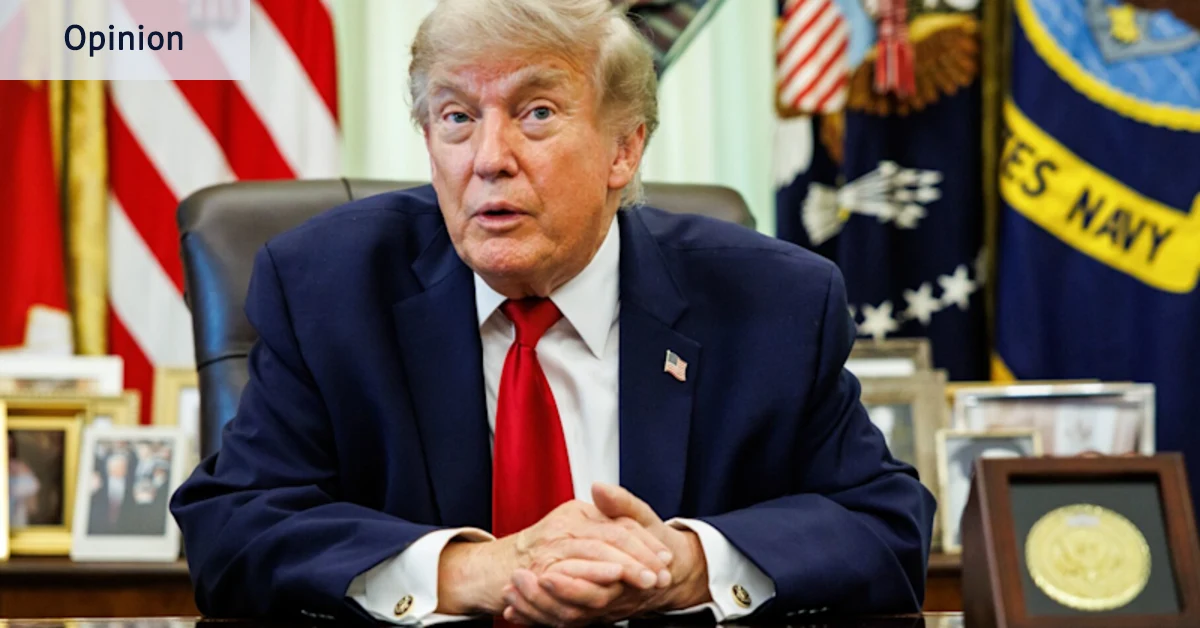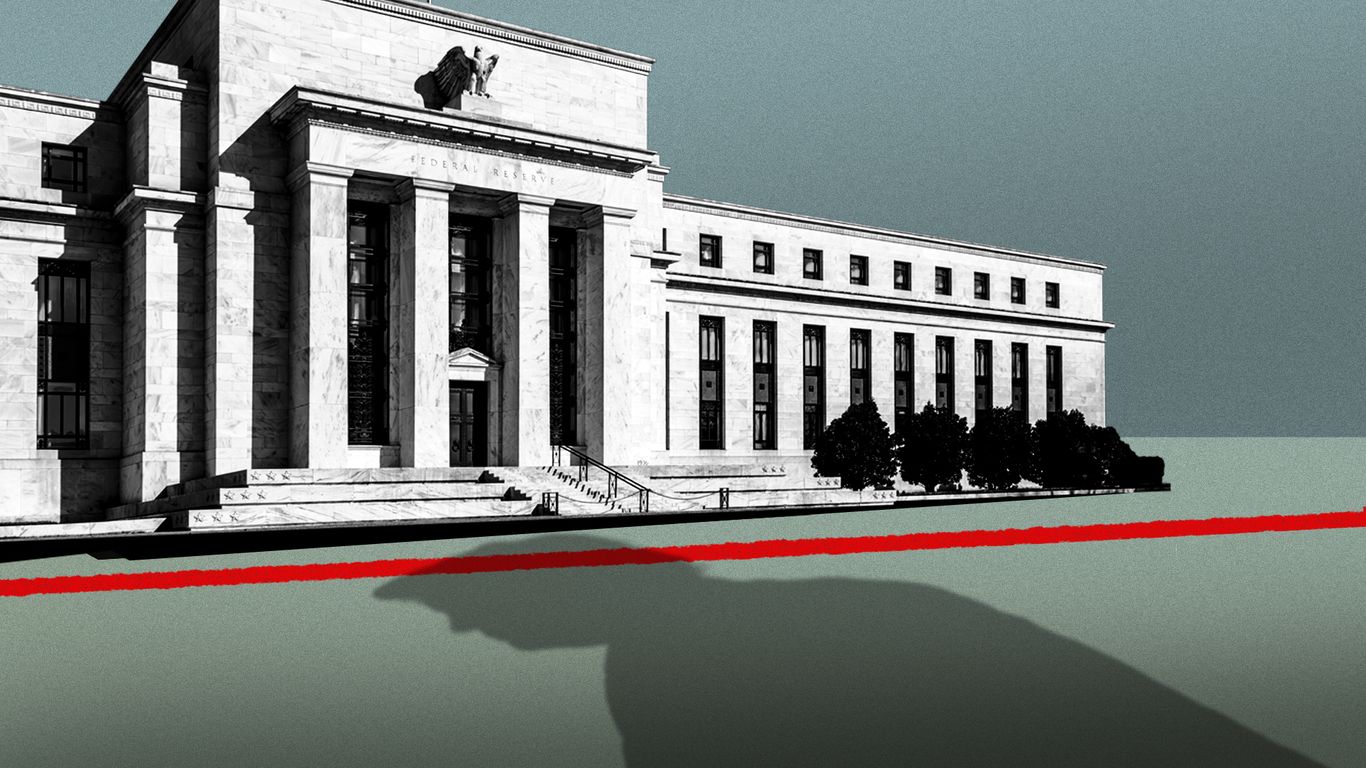
The Federal Reserve’s independence from political interference now depends on the opinion of one Supreme Court justice. That’s the takeaway from Harvard law professor Noah Feldman, who argues that paired Supreme Court rulings have created an inherently unstable arrangement for the central bank’s governance.
The Court issued a sweeping 6-3 decision that stripped for-cause removal protections from most independent federal agencies. But it simultaneously carved out a separate, razor-thin 5-4 exception for the Fed.
Two rulings, one problem
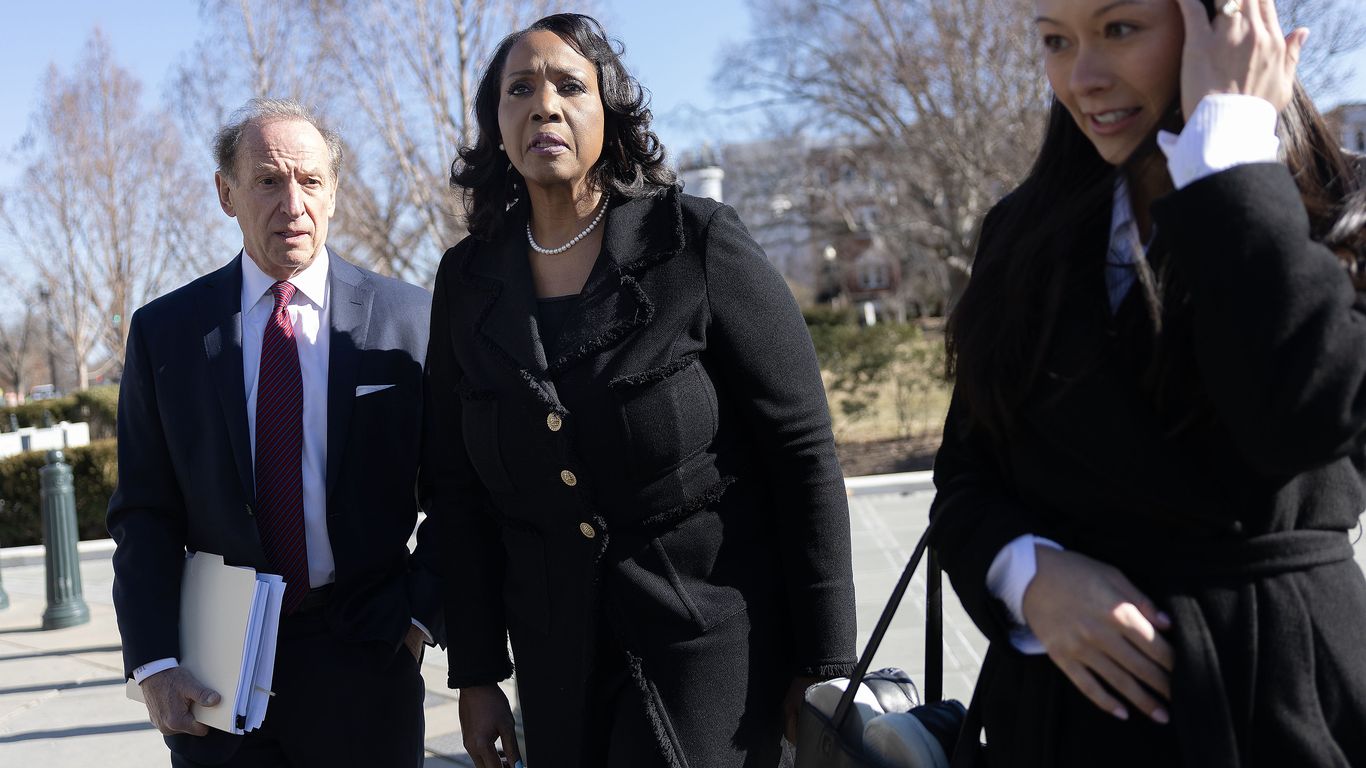
Chief Justice John Roberts authored both opinions, which landed on June 29, 2026. The broader ruling effectively gave the president wider authority to fire leaders of independent federal agencies without needing to show cause. The narrower 5-4 decision acknowledged what Roberts called the Fed’s “unique role” in the economy. It recognized the central bank’s historical insulation from political meddling and denied President Trump’s immediate request to fire Federal Reserve Governor Lisa Cook without due process.
The rulings emerged from Trump v. Cook, a case that went to oral arguments in January 2026. The case directly tested whether a president could remove independent agency leaders at will, and Cook became the focal point of that constitutional question.