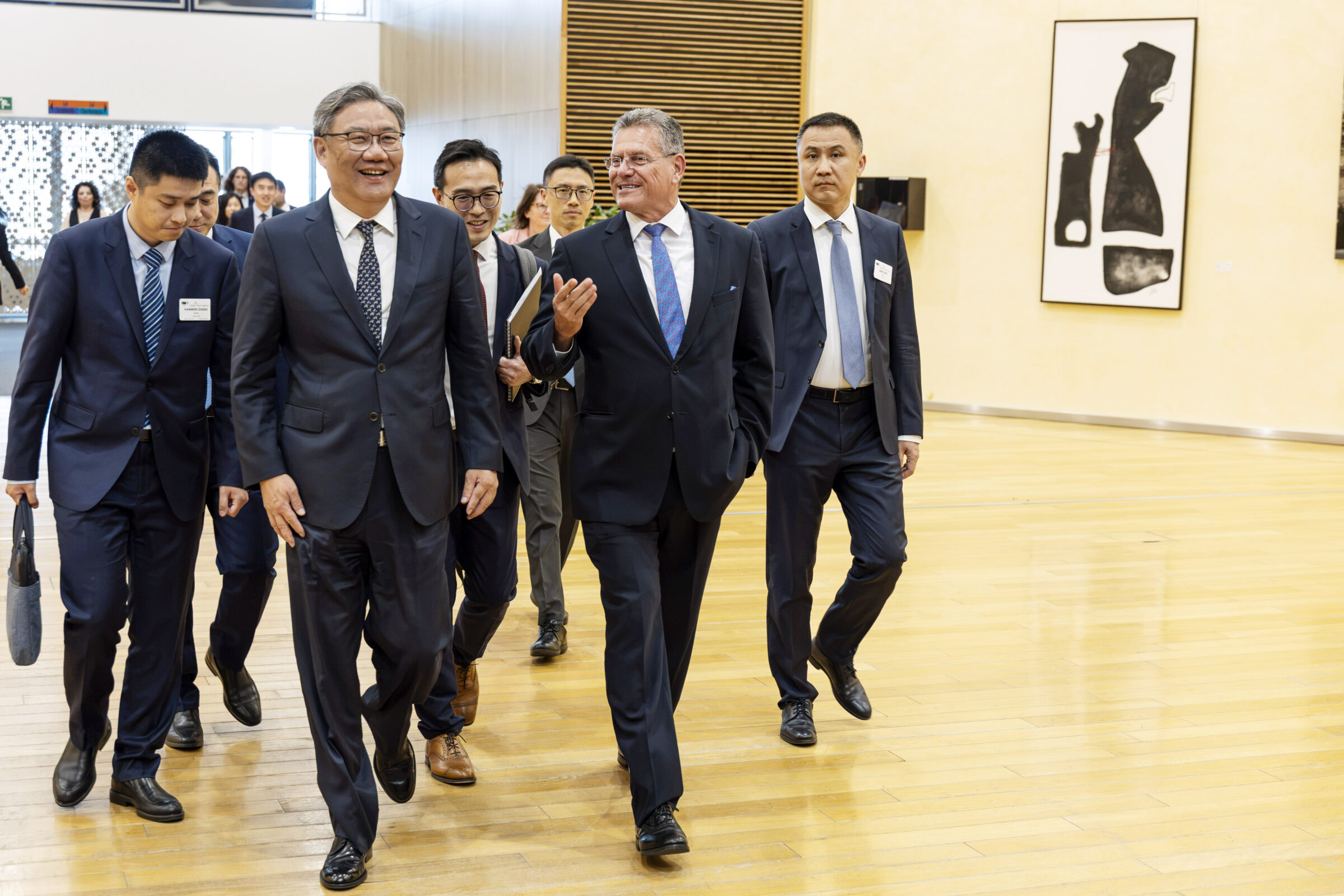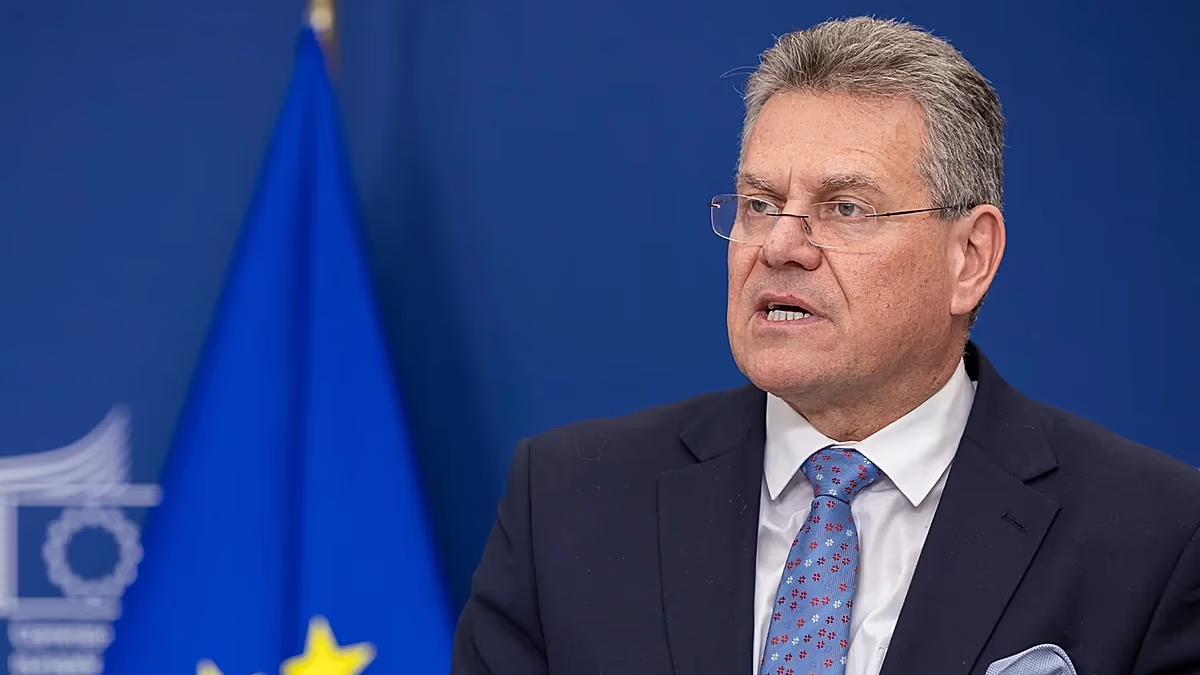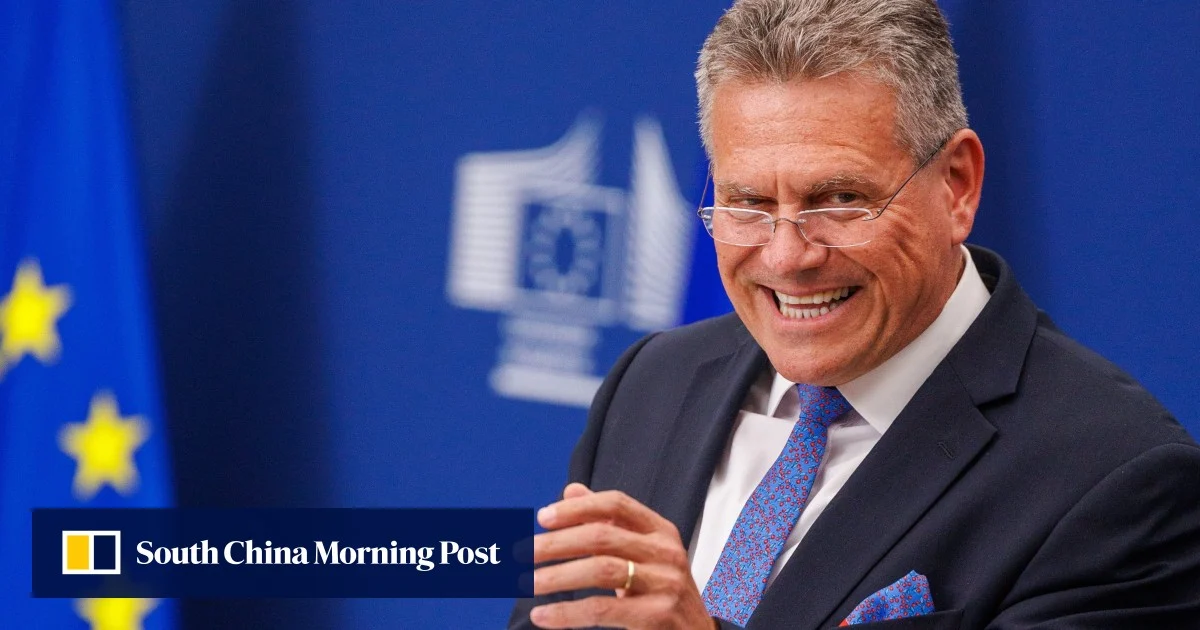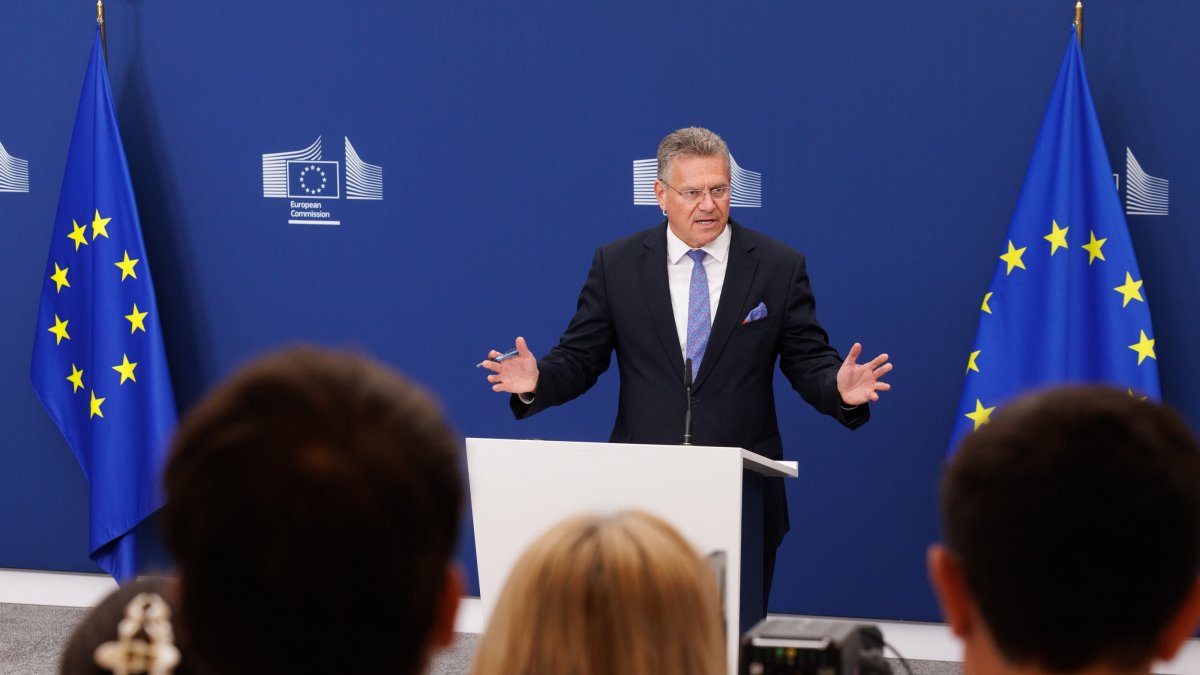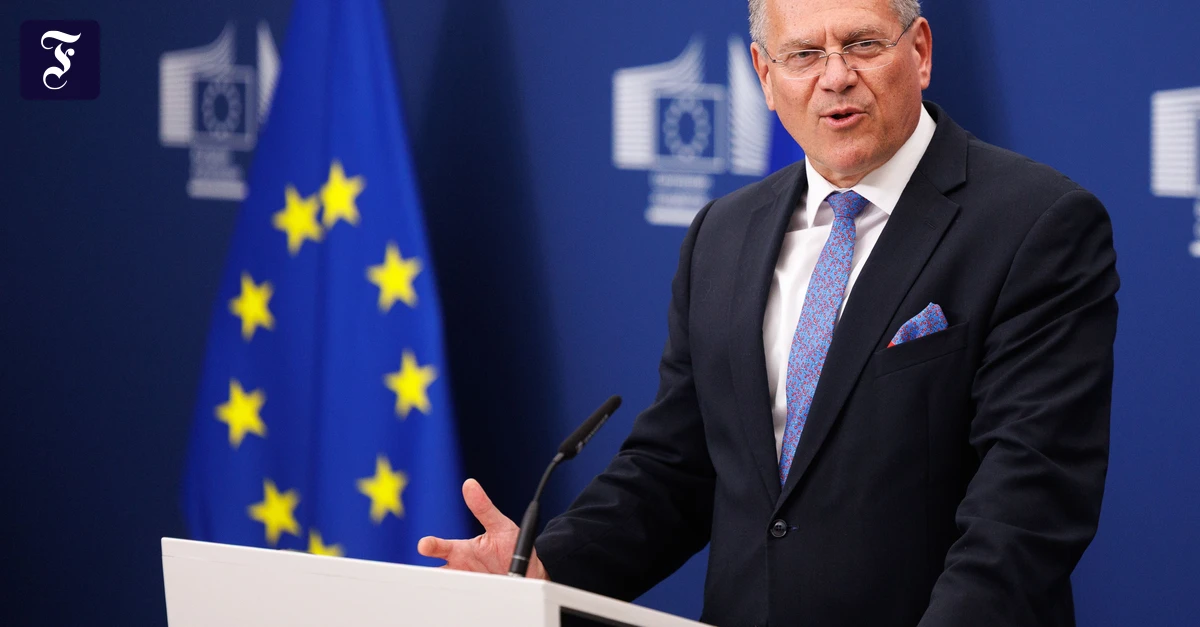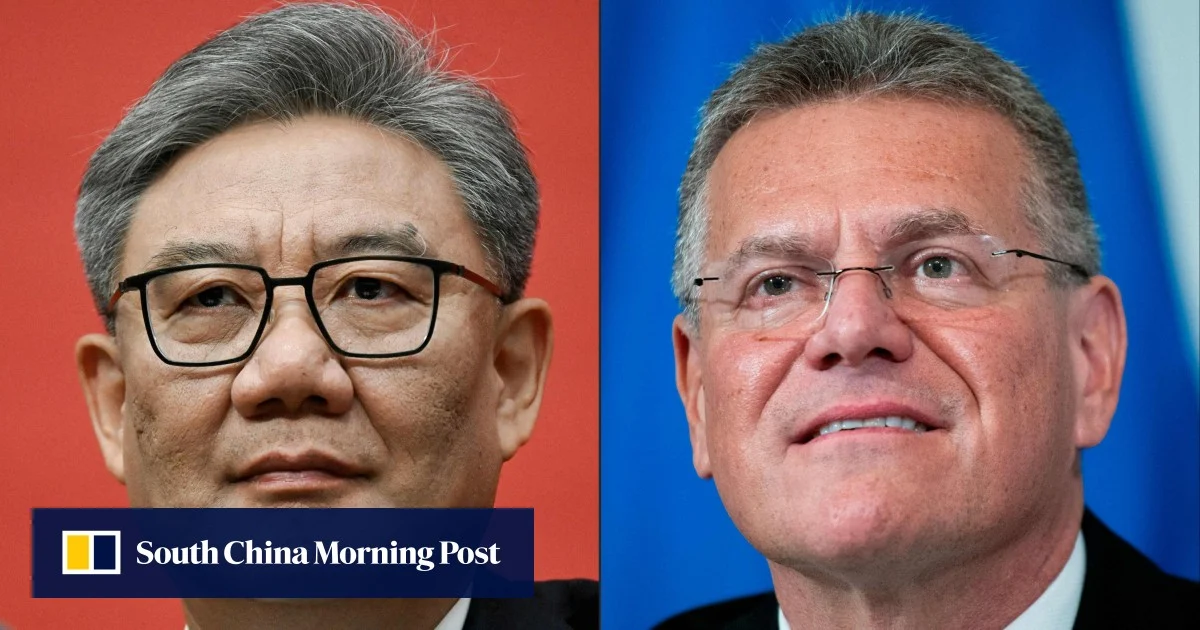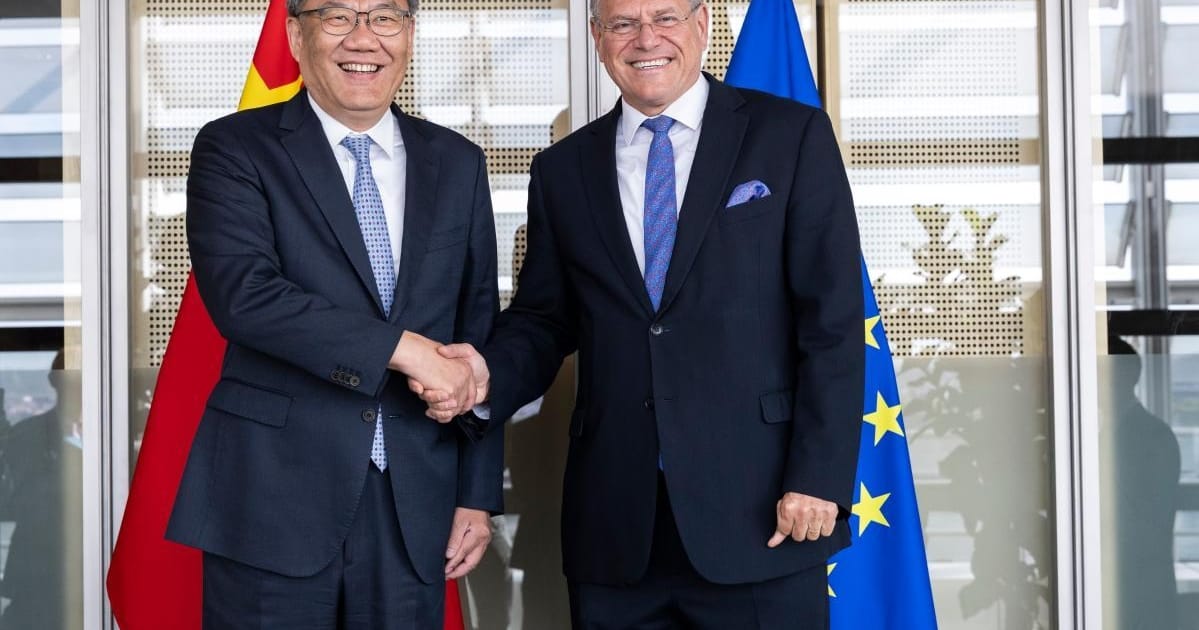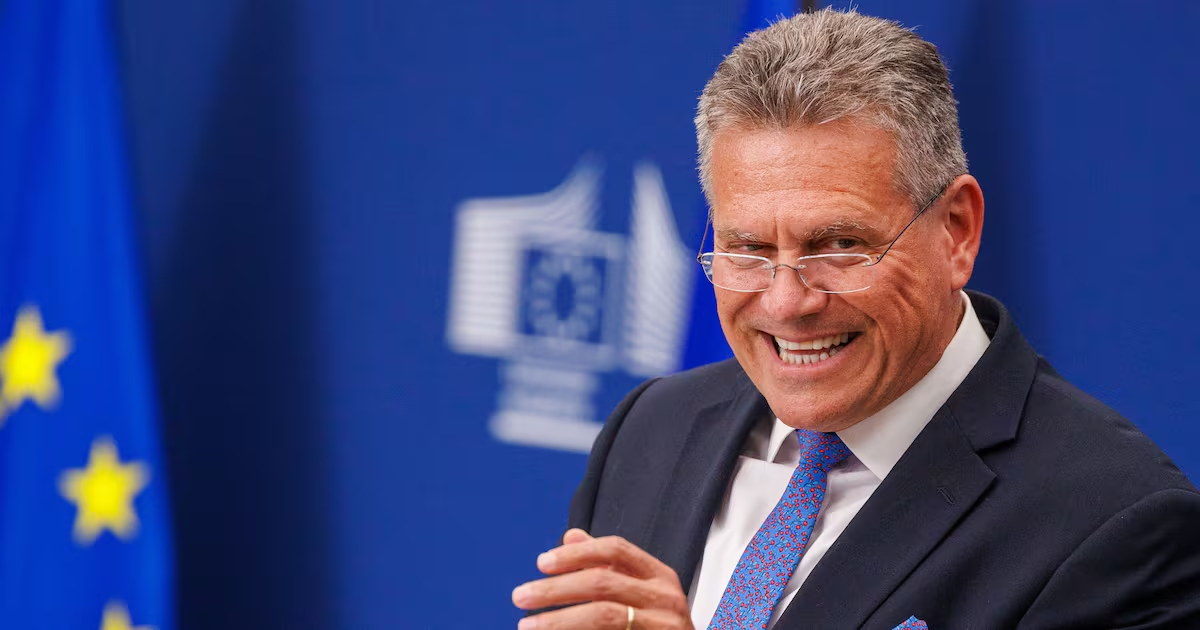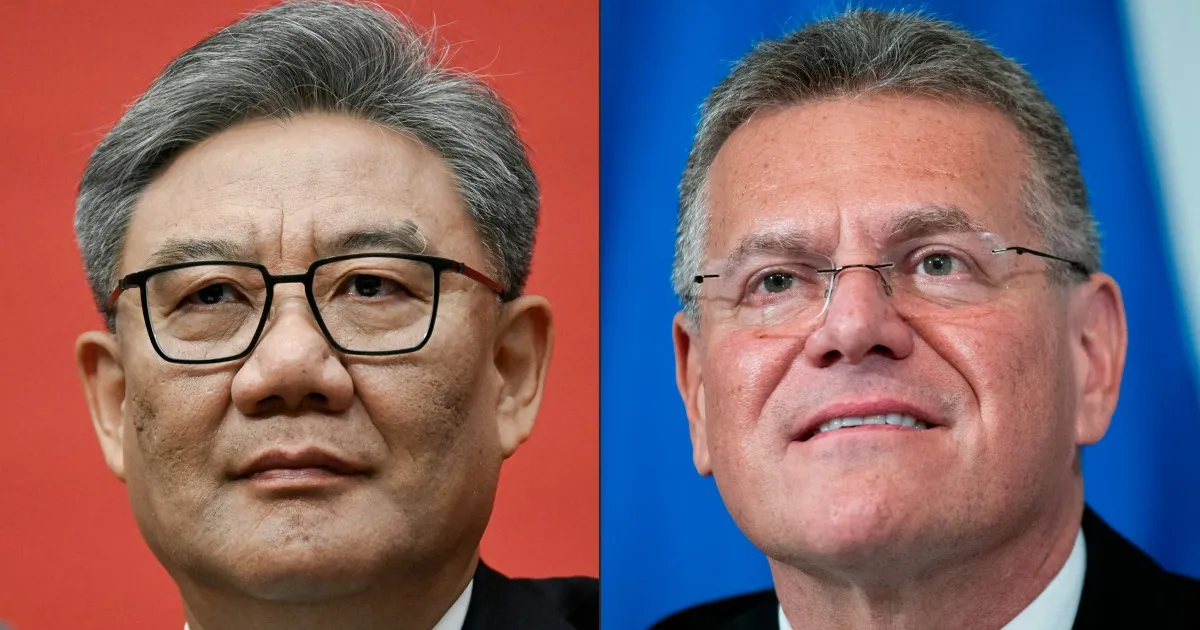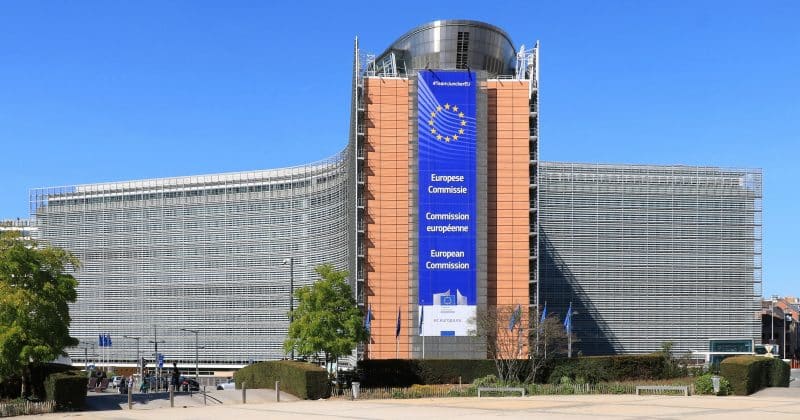
The EU wants results from China by October, and it is not being subtle about the urgency. EU Trade Commissioner Maroš Šefčovič and Chinese Commerce Minister Wang Wentao met on June 29 to hammer out a framework for addressing what has become one of the most politically uncomfortable numbers in European economics: a €360 billion goods trade deficit with China in 2025.
That works out to roughly €1 billion every single day. Every day, without exception, across all 27 EU member states.
What Brussels and Beijing actually agreed to
The two sides did not just talk. They committed to four concrete workstreams: trade and investment balancing, export controls, intellectual property rights, and reform of the World Trade Organization. Šefčovič is also planning a follow-up visit to Beijing in the autumn, which serves as a built-in pressure mechanism for the October timeline.
The stakes are high enough that China has reportedly signaled it could suspend economic ties altogether if these discussions fail to produce concrete movement. That is not a small threat given how deeply European industries are tied to Chinese supply chains, particularly in electric vehicles, semiconductors, and raw materials.