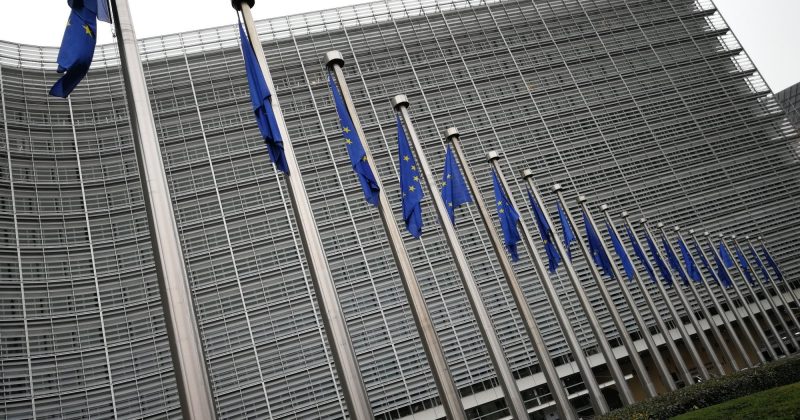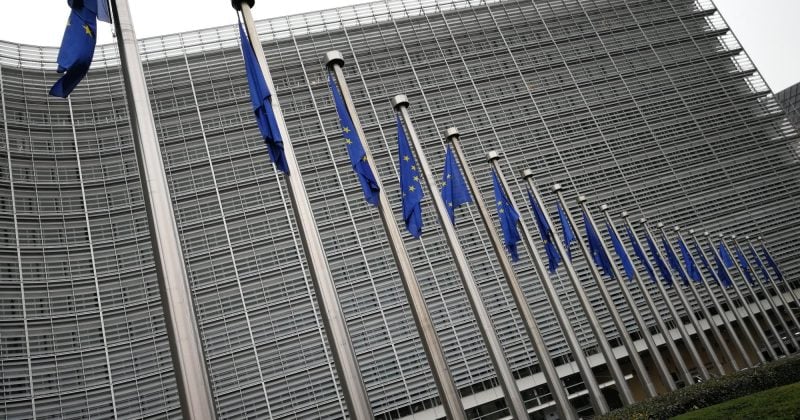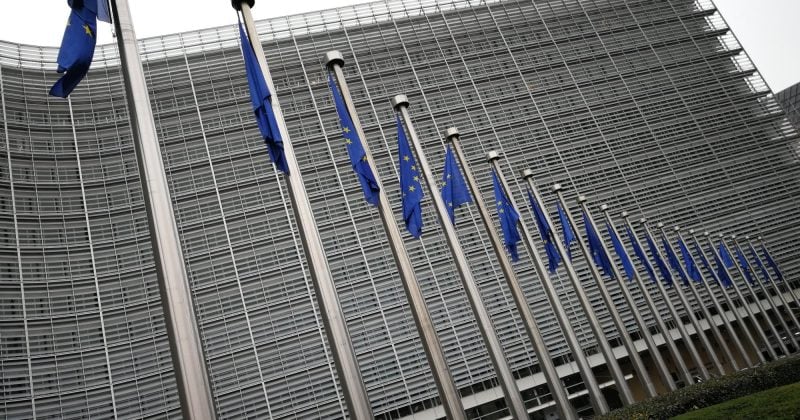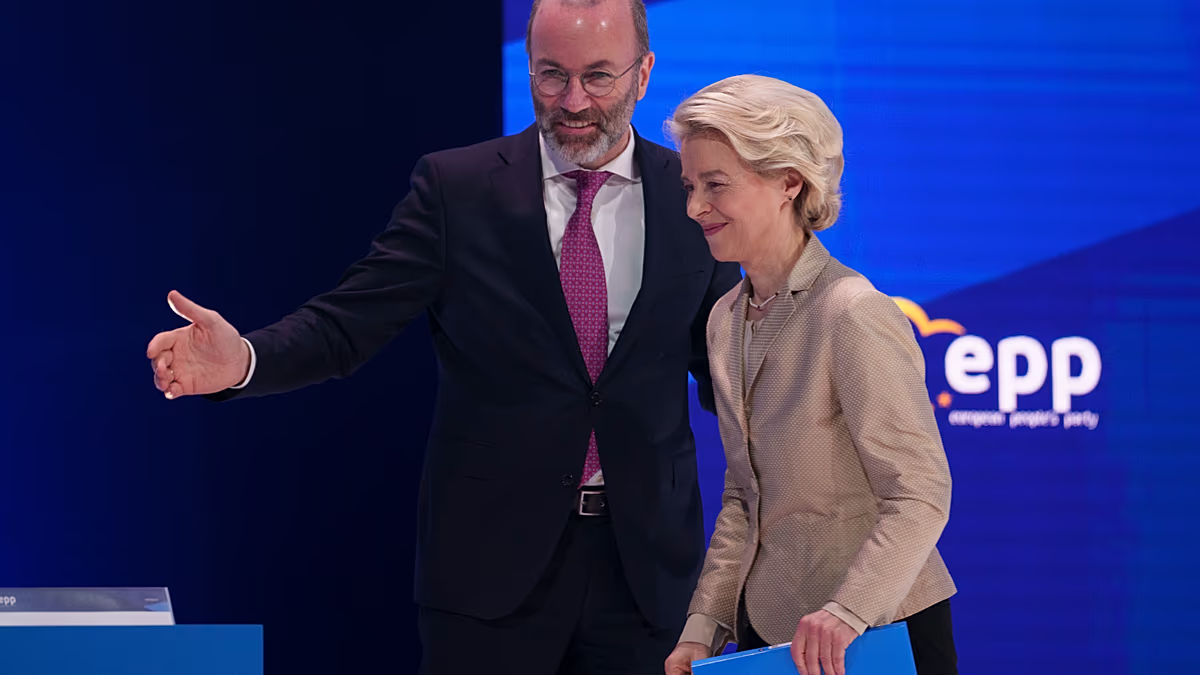
The European Union and China have agreed to target October as a soft deadline for making meaningful progress on their escalating trade dispute.
The backdrop here is not subtle. The EU’s goods trade deficit with China hit €360 billion in 2025, a figure that European Commission President Ursula von der Leyen has described publicly as roughly €1 billion per day. That is not a rounding error. That is a structural problem.
How the deficit got this bad
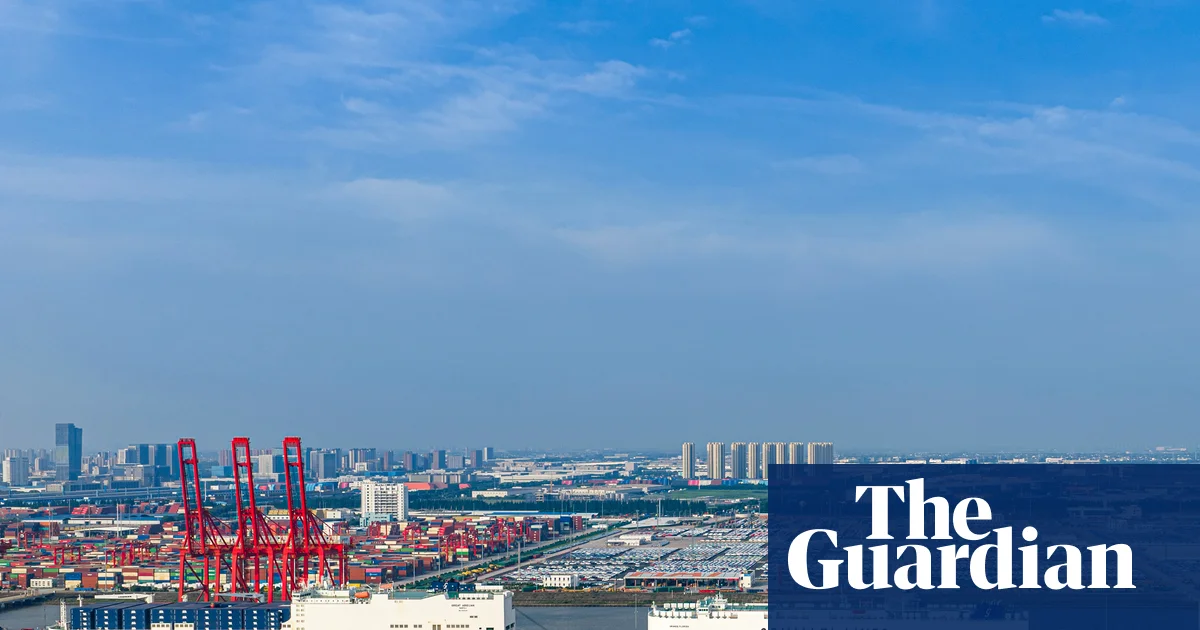
Chinese imports into the EU surged 45% over the five years leading up to 2025. The growth was powered by a combination of Chinese industrial overcapacity and state-subsidized exports flooding European markets at prices domestic manufacturers simply cannot compete with.
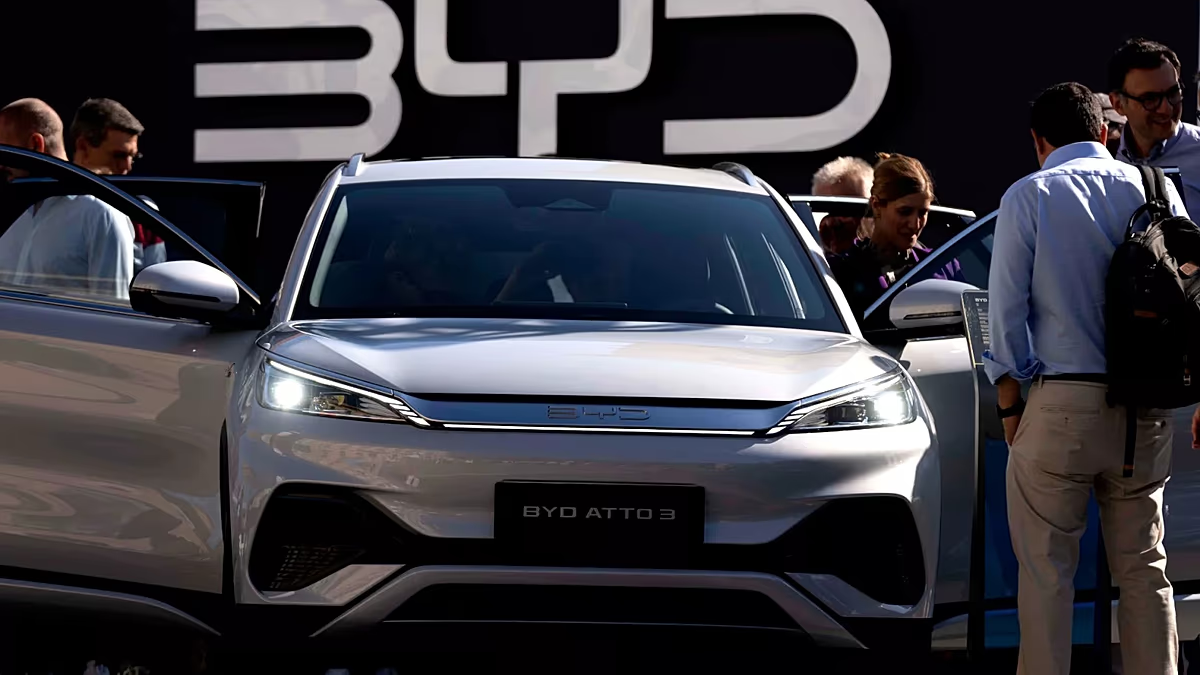
The electric vehicle sector became the most visible flashpoint. The EU imposed definitive anti-subsidy tariffs of up to 35.3% on Chinese-made EVs, effective October 2024. Chinese automakers were pricing vehicles below what unsubsidized production would allow, and European carmakers were absorbing the competitive damage.