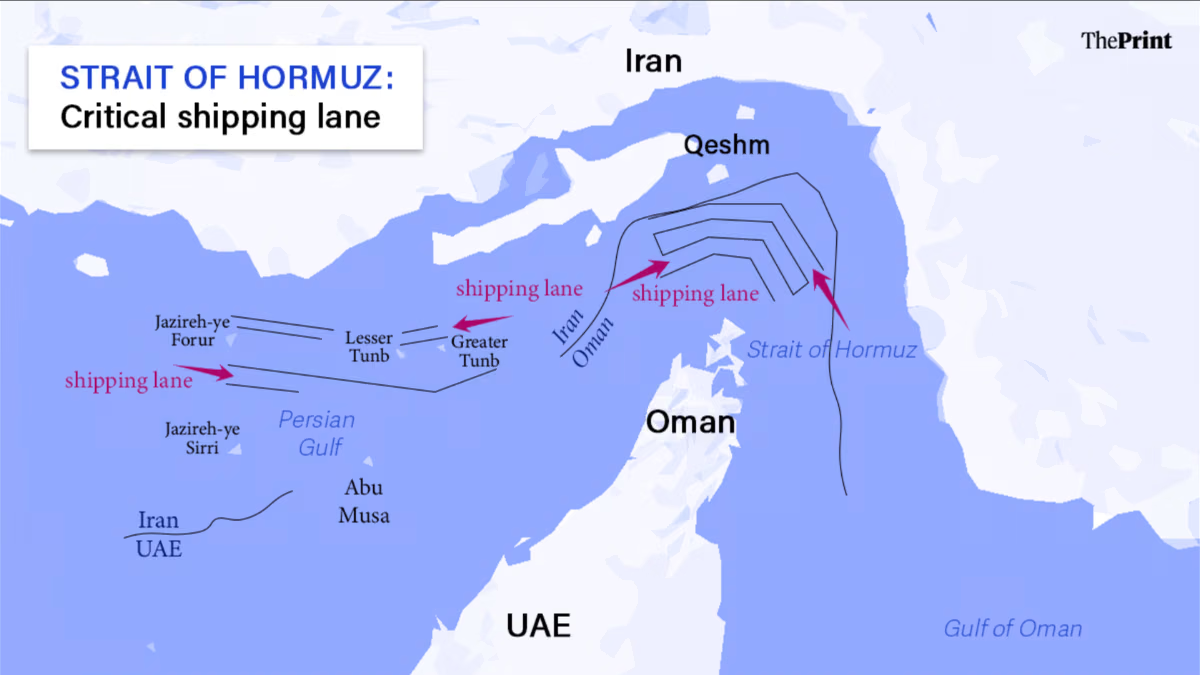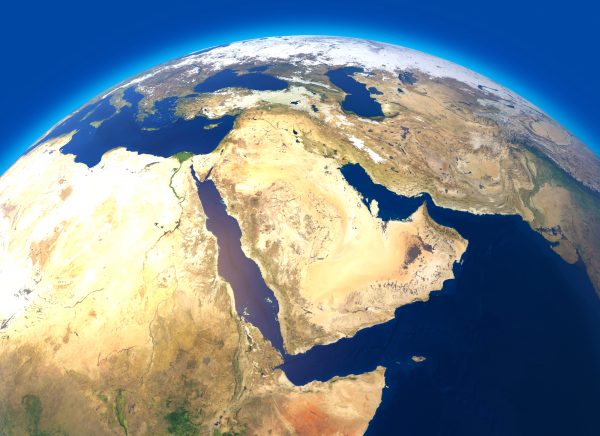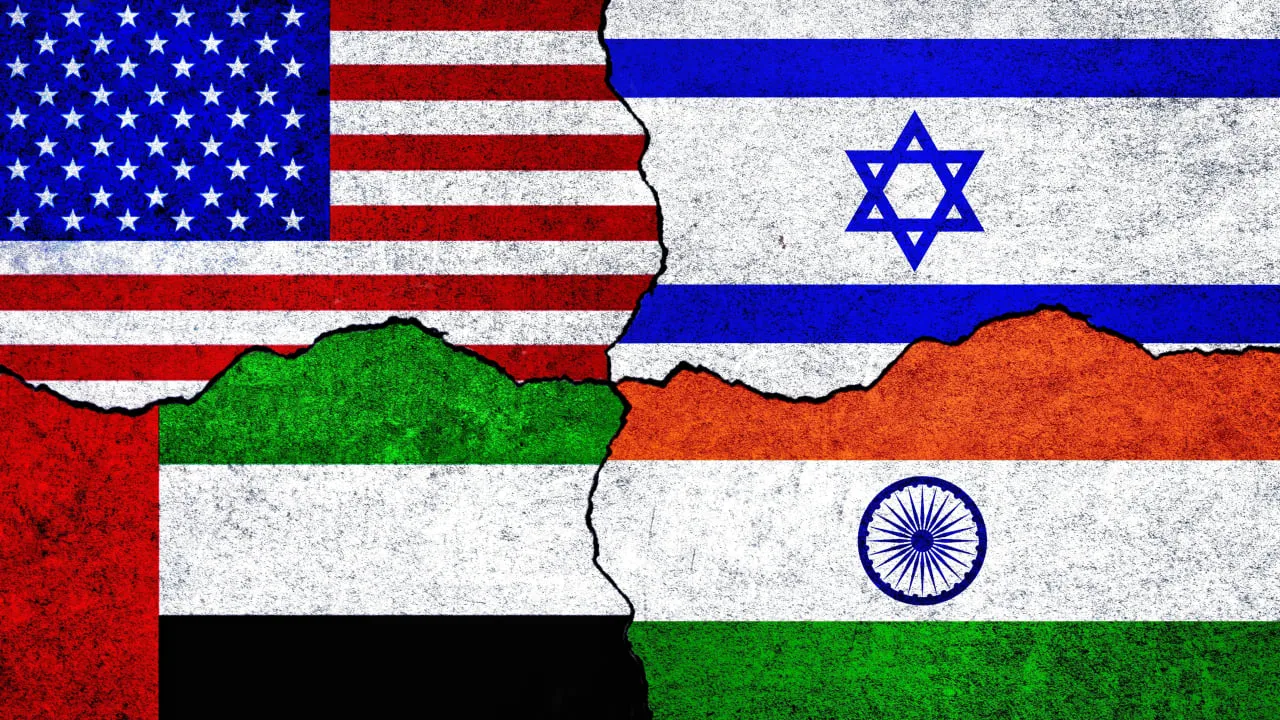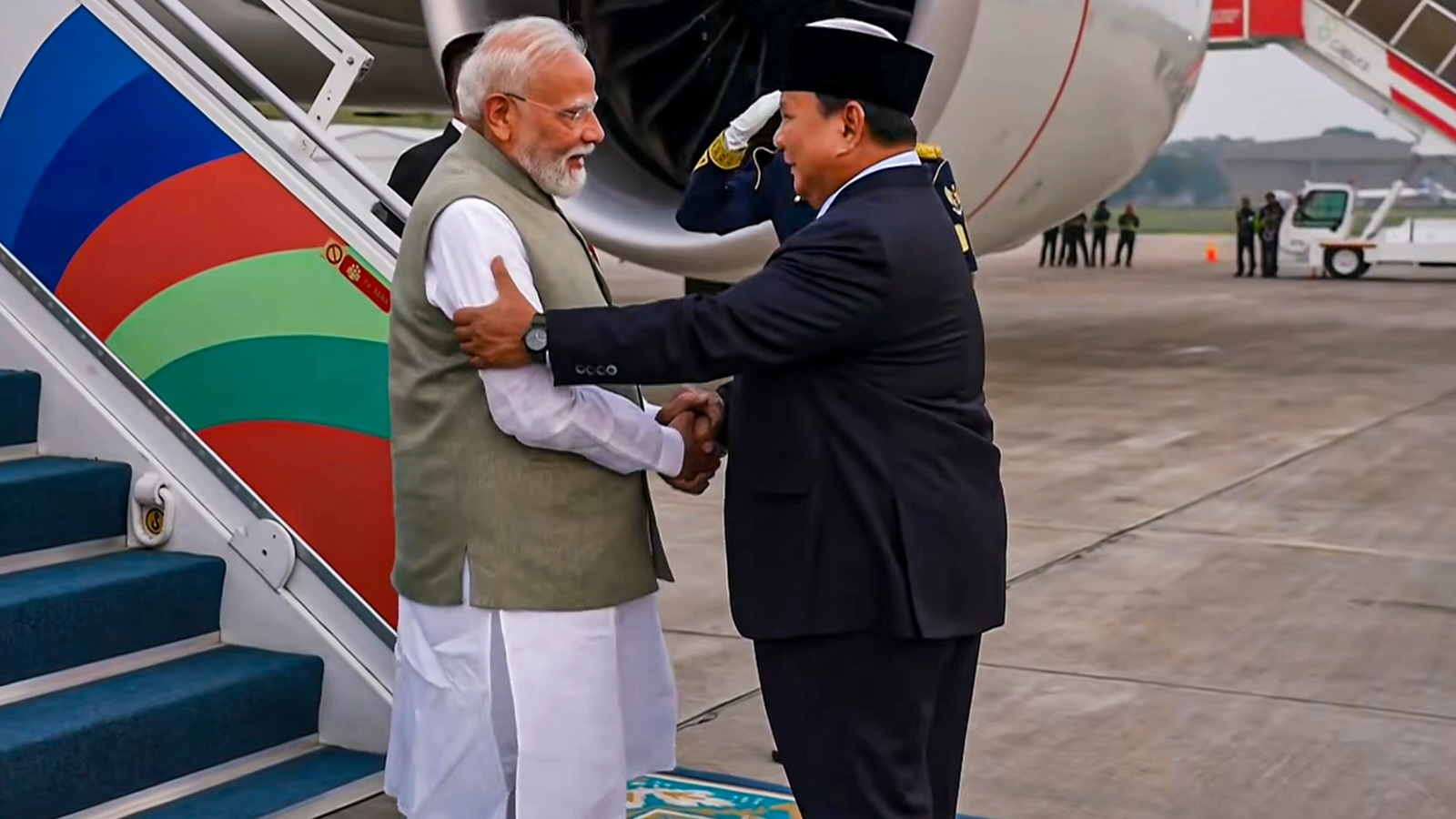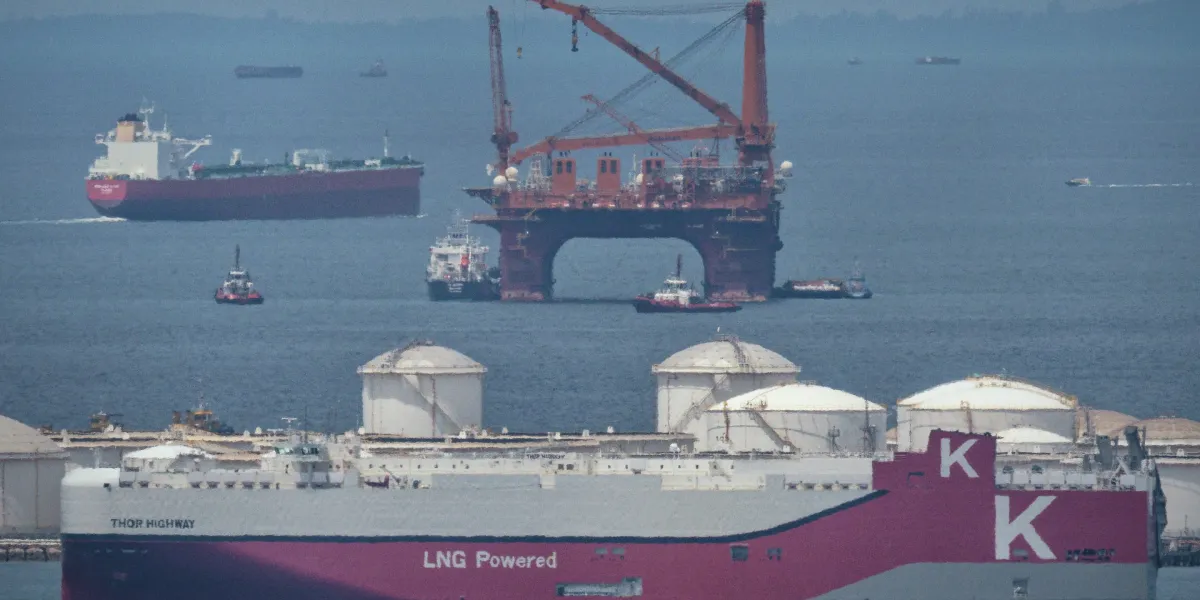
Is the Indo-Pacific going to be the new Gulf? The US-Israel war on Iran, blockade of ships and maritime routes, and blackmailing that has followed have delivered a much-needed, self-defining economic logic to the Indo-Pacific. As a geopolitical construct, it has always been seen through a China frame, to balance Beijing's aggressive sway across the South China Sea, down to the Malacca Strait and Indian Ocean. But economic contradiction was the problem, as Southeast Asian economies remained dependent on China.Now, because of economic shock to major oil and gas consumers, especially big Asian economies like India, Japan and South Korea, there's a quiet pivot on the global energy front, from West Asian sellers to those in the western hemisphere. And it's a relatively easy switch because these countries have surpassed Gulf Opec countries in oil production over the past decade.The US alone has added about 2.5-2.6 mn barrels of crude a day to its daily production in the past five years. This is like adding a Kuwait to its overall production that now stands at 13.6 mn barrels a day. In contrast, West Asian Opec countries have resorted to production cuts to keep prices higher.Similarly, Canada produces 5.3 mn barrels a day, Venezuela over 1 mn, while the latest finds from Guyana - home to the biggest oilfield discovered globally in the past decade - keep increasing overall production numbers in the West. The downside always was the relative ease of transport - both in time and cost - from and through West Asia. The war has changed that equation. Risks of transport have increased political and financial costs of moving these goods, besides raising global crude and gas prices.Also read | Coming game-changer for RBI, banks, cos, investorsMore importantly, non-Gulf oil-producing countries are investing in infrastructure to access the Pacific to bring down transport costs for Asian buyers. Take Trans-Panama Pipeline. Opened in the 1980s for Alaska crude to reach the Atlantic, it was shut down in 1996 and later recommissioned to function in the reverse direction. Today, it carries crude from the Caribbean to the Pacific for dispersal to Asia.Apart from the LNG terminal in Alaska, the US doesn't have major terminals on its Pacific seaboard. Further, environmental objections politically constrain expansion in California and Washington state. So, all plans have focused on reaching the Mexican Pacific coast, for which Panama bypass projects, including oil and gas pipelines, are in the works.The same infrastructure will also help Venezuelan and Guyana crude to access the Pacific route, through which it can make its way into the Asian market. The journey time is estimated to drop significantly once access to the Pacific is made easier.Canada's Trans Mountain Expansion (TMX) Project, aimed at building a second trans-mountain pipeline (TMPL) to connect its oil-producing nodes with ports in British Columbia on the Pacific, is another significant route reorientation. Historically, Canada used to sell close to 90% of its crude to the US through the land route. As US made its own discoveries, Canada built the first TMPL to mainly service growing Chinese demand.The pipeline's expansion, however, was strongly objected by environmentalists. But Ottawa has managed to weather that storm and go ahead with the construction, specifically targeted at sending crude to India, Japan, South Korea, Singapore and other Asian countries.Importantly, Chinese oil demand has started to plateau, even dip, in the past few months, while Indian demand is increasing. So, a lot of Pacific trade will be shaped by India along with Japan in the coming years. This is why the geopolitical construct of Indo-Pacific has found a standalone economic logic, which, with time, will depend more on India's economic and policy actions compared to China's.The shift will also give Quad a new meaning. Two of its members, India and Japan, will be among the largest oil consumers, while the US will be the largest producer. This economic dovetailing within Quad was largely theoretical till two years ago. Now, it's a reality, because the shift to the Indo-Pacific theatre is the only credible way to derisk from uncertainties of West Asia and dangerous new intra-Gulf dynamics.In this context, GoI's ongoing outreach, Japanese PM Sanae Takaichi's visit to India that starts tomorrow followed by Narendra Modi's visit to Australia, Indonesia and New Zealand are all pointers to a shifting new Indo-Pacific narrative. Plus, it may provide counter-leverage with new West Asia suppliers, including Iran.The other important actor on the Pacific scene for India will be Russia. As a key oil and gas producer, Moscow has traditionally focused on Europe and some Asian destinations through the Baltic and Black Sea routes. Since the Ukraine war, after which it came under European sanctions, Moscow decided to concentrate all expansion efforts on its far-east Pacific coast in the Vladivostok region. While it has a huge market in China, Russia plans to pour out more on to the Pacific side, to be in a geographically amenable position to access India more comprehensively.So, the Indo-Pacific stage is set to host oil and gas from the US, Canada, Guyana, Venezuela and Russia, providing an alternative to the Gulf Opec-dominated structure. The competition it will foster is likely to open new routes of commerce, and make old ones redundant, besides shoring up oil prices - a shift that India must not only drive but also look to own.
Indo-Pacific, the new Gulf: Geopolitics joins petronomics to infuse the region with new energy - The Economic Times
The Indo-Pacific region is becoming a central energy hub as the US shifts focus from West Asian oil due to ongoing regional tensions and fluctuating prices. Countries such as India, Japan and South Korea are now turning to suppliers in the Western Hemisphere, including the US, Canada, Guyana and Venezuela. This transition is supported by new infrastructure developments that are crucial for global energy trade and are shifting geopolitical partnerships.
888 words~4 min read