Read The Diplomat, Know The Asia-Pacific
The region’s ports, sea lanes, and gas fields have become the focus of growing geopolitical competition.
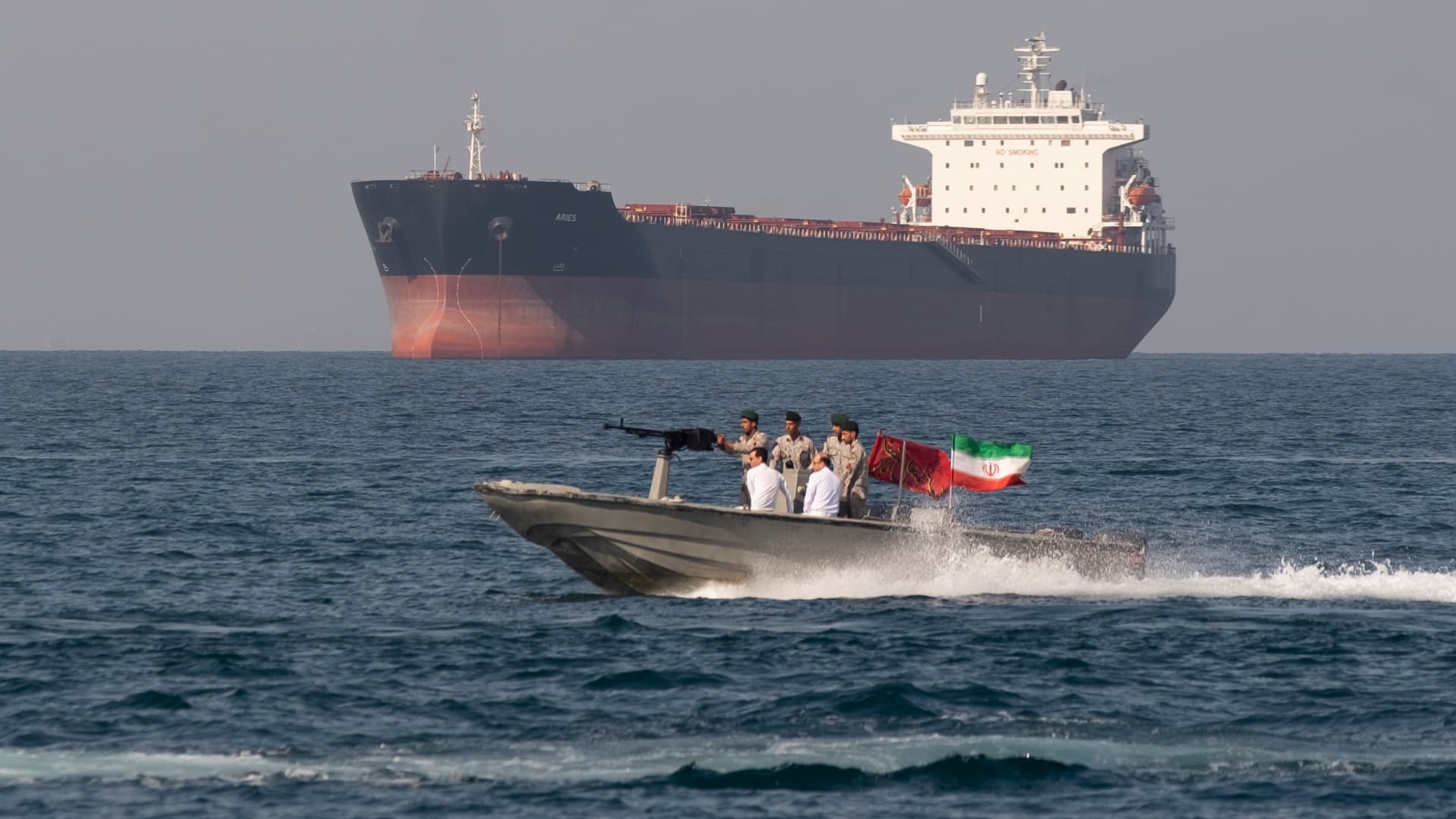
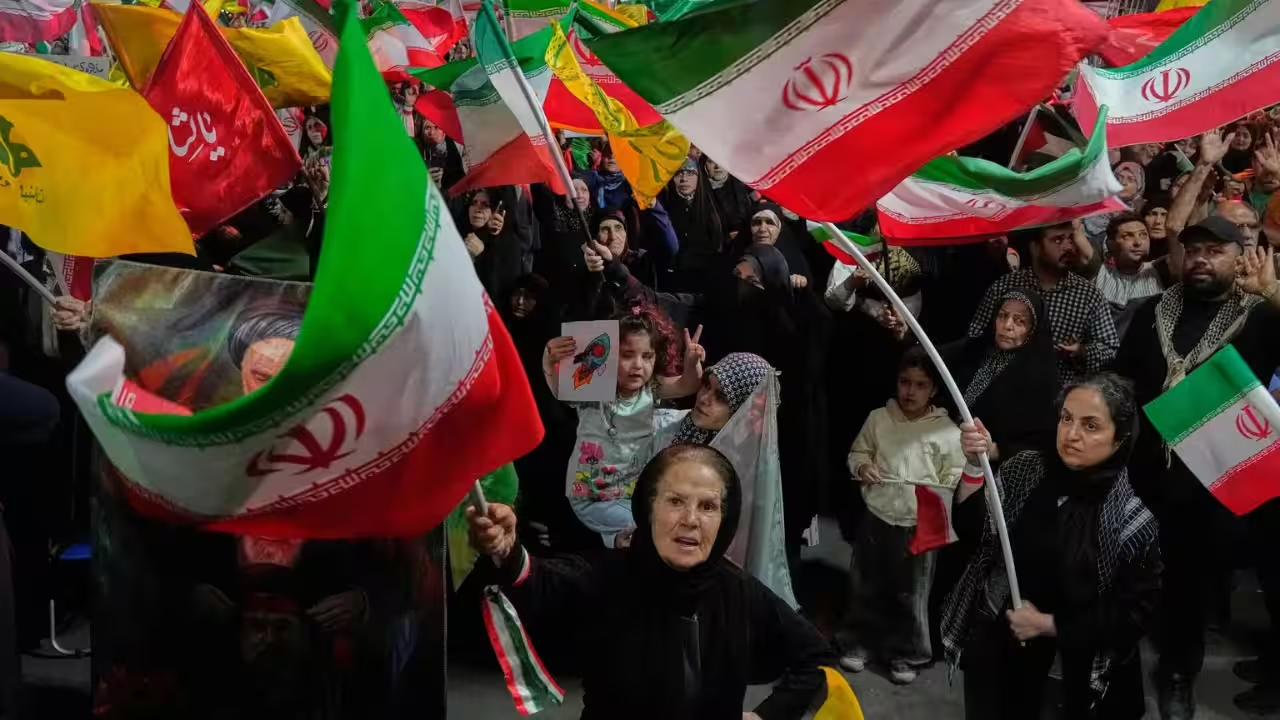
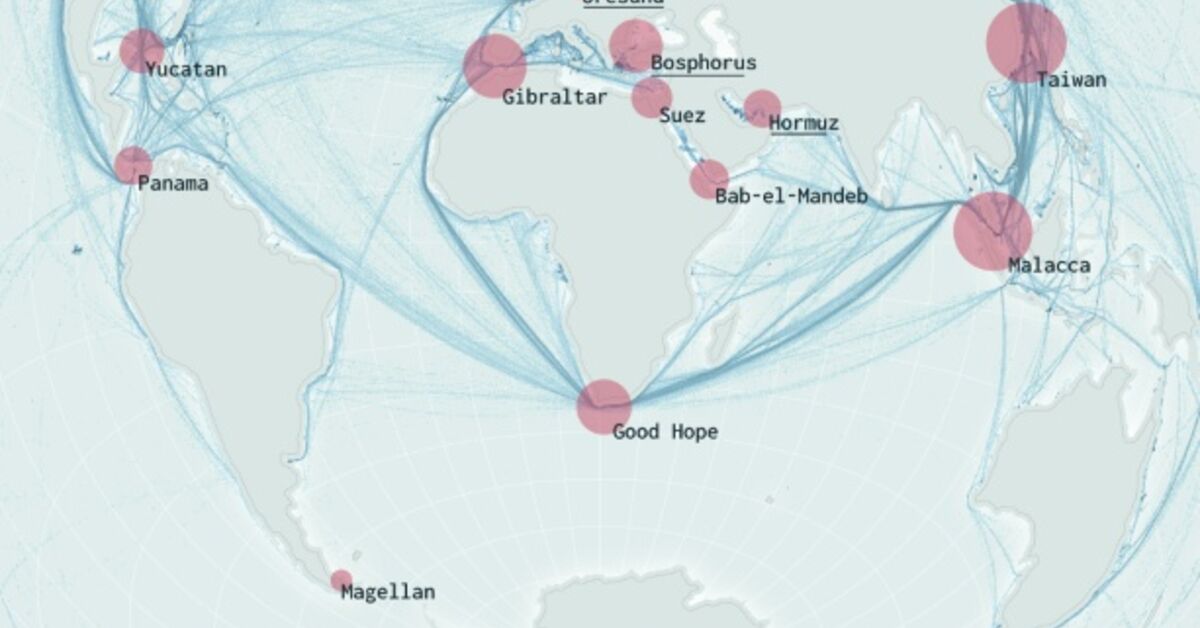
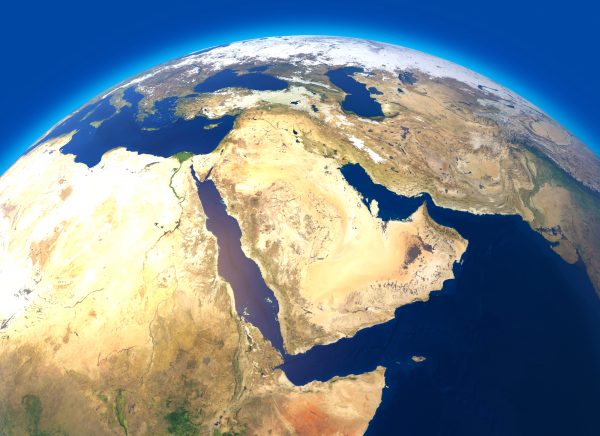
The Strait of Hormuz dominates headlines, but the threat from Iranian senior adviser Ali Akbar Velayati to force the closure of Bab el-Mandeb, the narrow strait linking the Red Sea to the Gulf of Aden, is equally grave. Velayati warned that the flow of global energy and trade could be disrupted “with a single move.” And while Hormuz is critical for energy transit, Bab el-Mandeb, separating the Gulf and East Africa, carries roughly 10-12 percent of global maritime trade.
This serves as a powerful reminder that East Africa is no longer a sideshow in global strategy. The region’s ports, sea lanes, and gas fields have become part of a wider contest for a region stretching from the Gulf to the Pacific Ocean. And while great powers scramble to unlock its potential, East African states must ensure their assets benefit their own development.
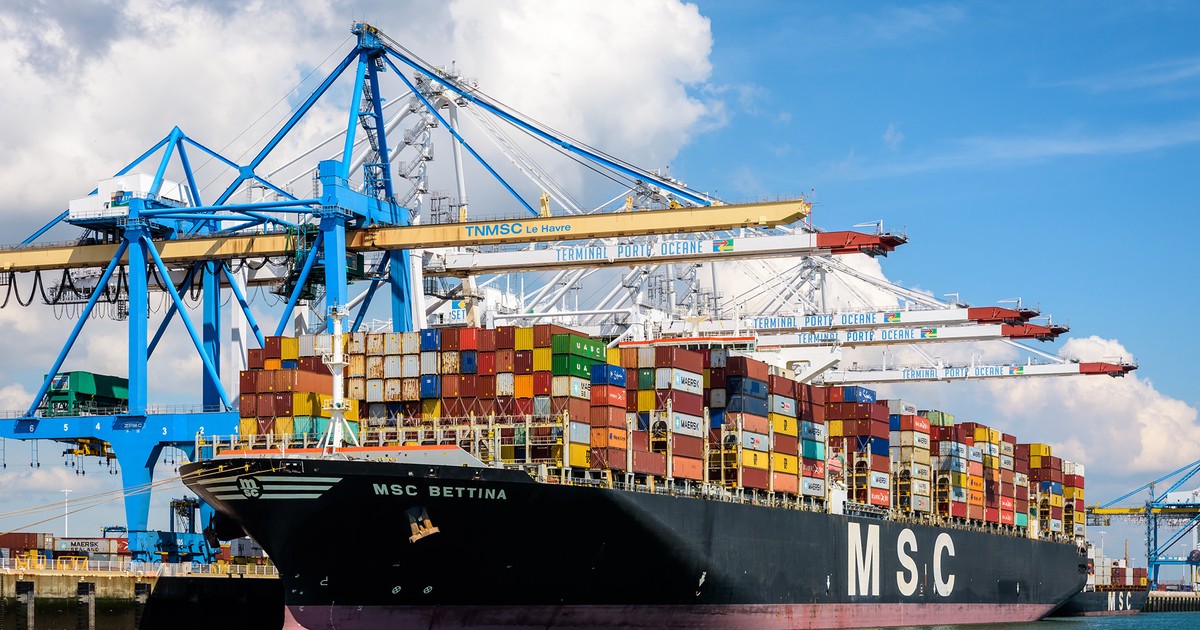
The region’s importance begins with geography. East Africa sits along the maritime system linking the Gulf, the Red Sea, and the wider Indian Ocean. The broader Indian Ocean carries more than one-third of the world’s bulk cargo traffic and around two-thirds of global oil shipments. From Djibouti down to Mozambique, East Africa’s coastline touches the routes that move energy, manufactured goods and food between Asia, Europe, and the Middle East. Competition in this region goes beyond commerce to questions of access, security, and the power to shape future supply chains.