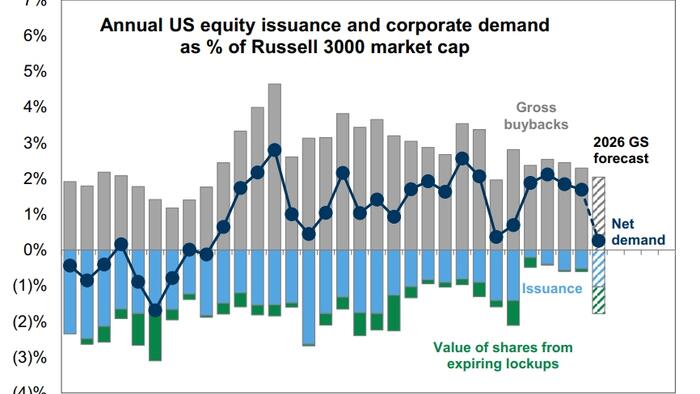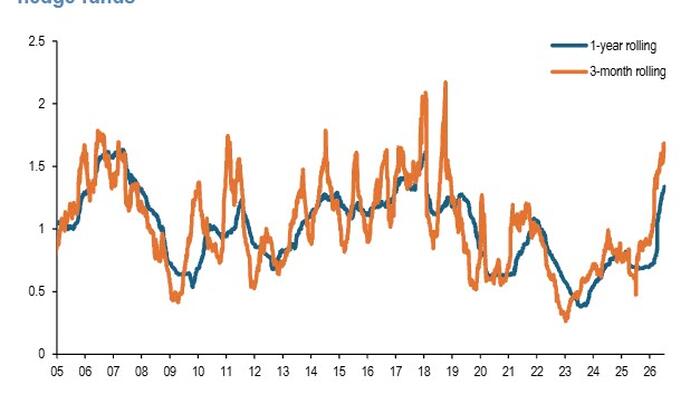
Bank dealers are getting squeezed from an unexpected direction. Rising demand for equity financing in the US is eating into the balance sheet capacity that banks normally reserve for fixed-income funding, creating a scenario where short-term interest rates could spike if the pressure doesn’t ease.
Morgan Stanley analysts have flagged quarter-end funding tightness as a growing risk for financial markets, warning that the current trajectory could lead to a deleveraging event if equity financing demand keeps escalating.
The balance sheet problem
As demand for equity financing grows, dealer banks are allocating more of their intermediation capacity to equity-related activity. That leaves less room for fixed-income funding, which keeps short-term money markets functioning.
Quarter-end periods are already notorious for funding stress. Banks pull back from certain activities to clean up their balance sheets for regulatory reporting, which naturally tightens liquidity. Layer rising equity financing demands on top of that seasonal squeeze, and you’ve got the ingredients for a meaningful disruption in money markets.