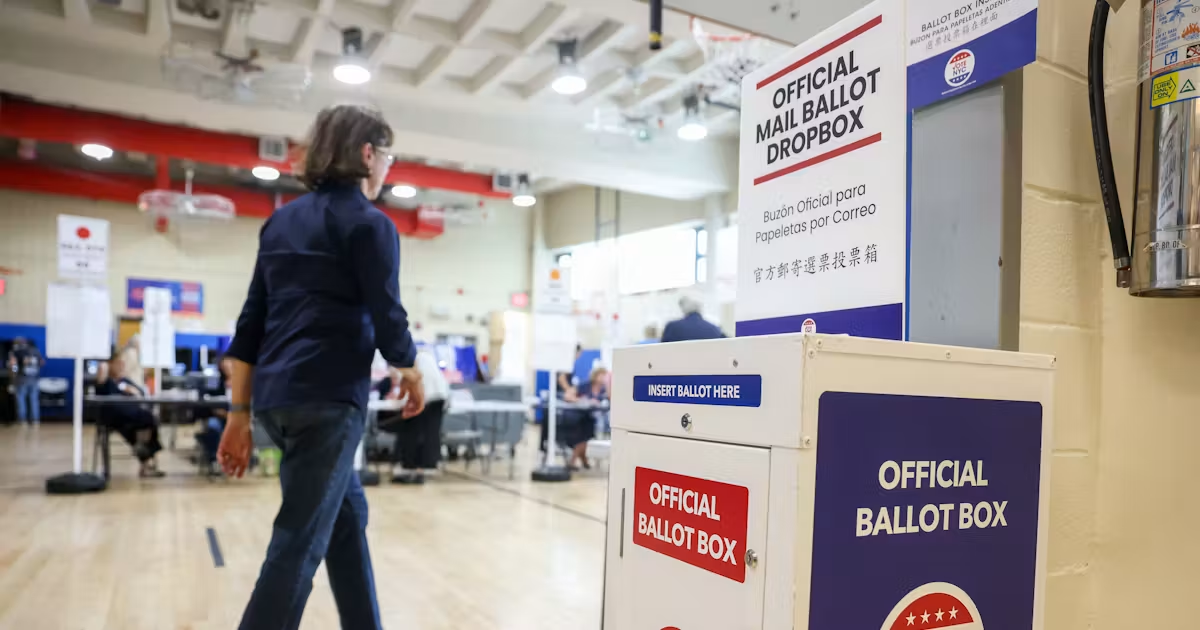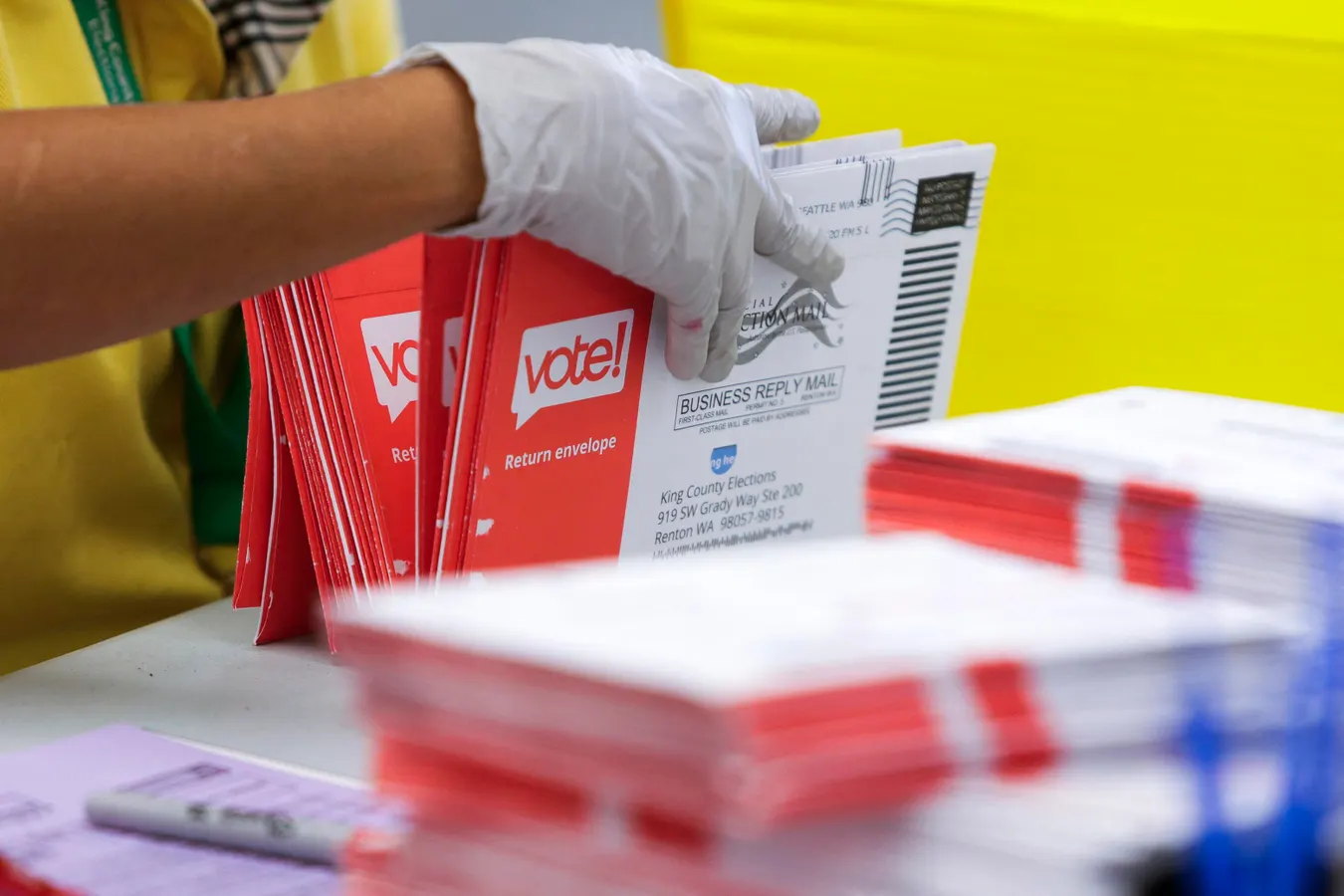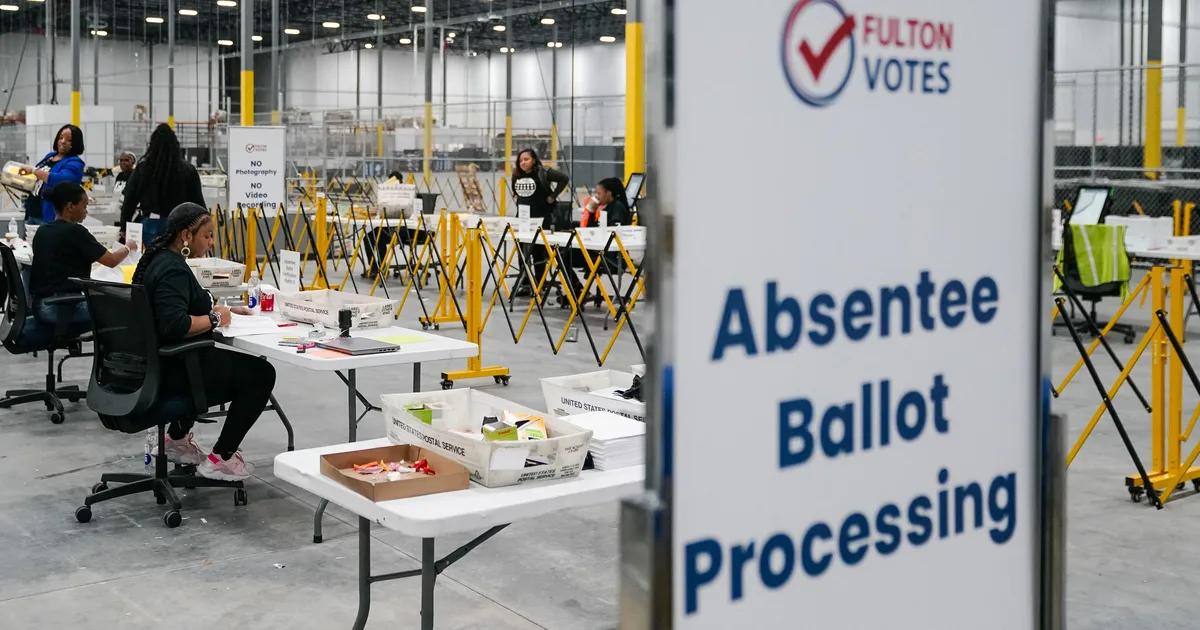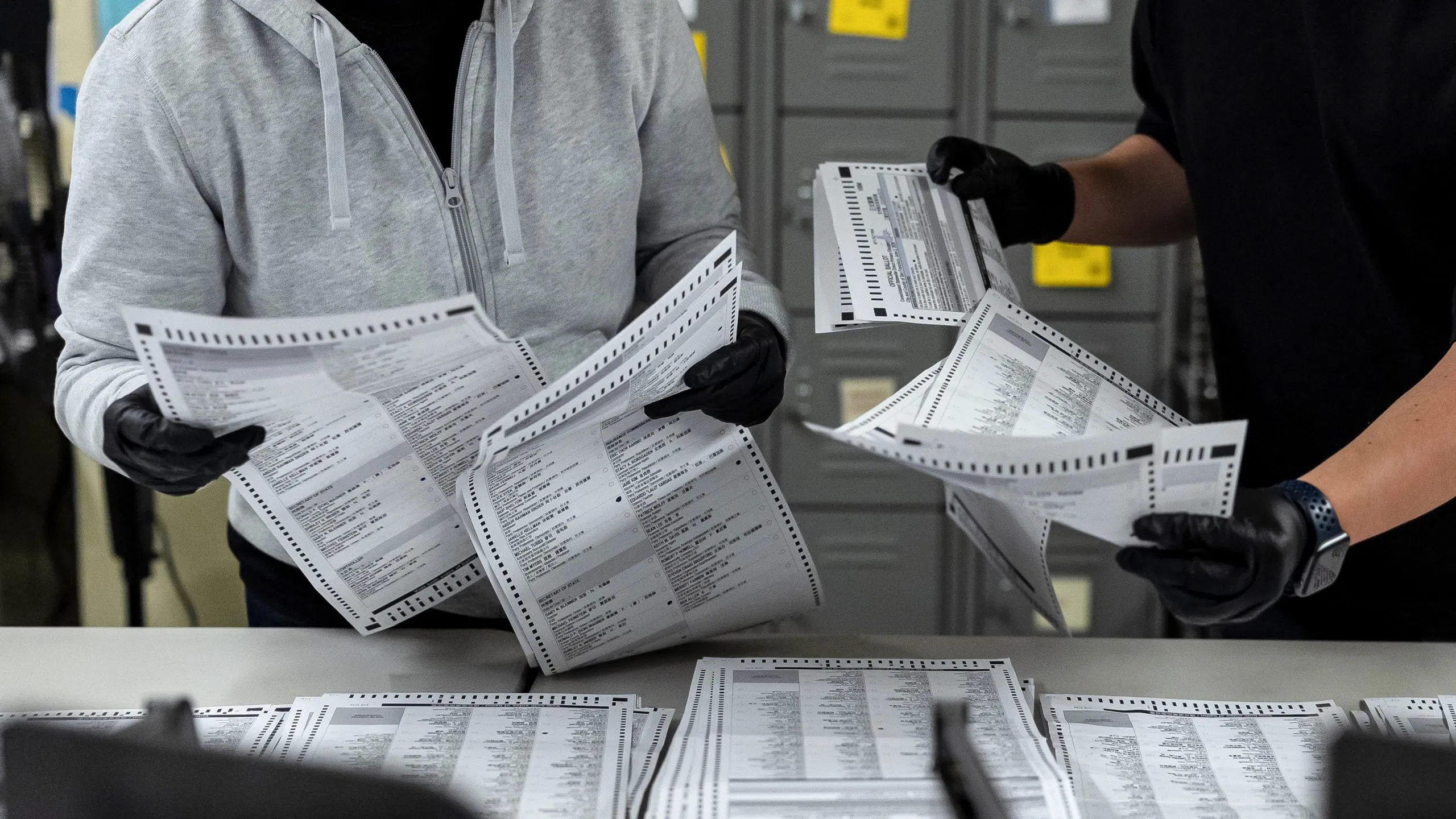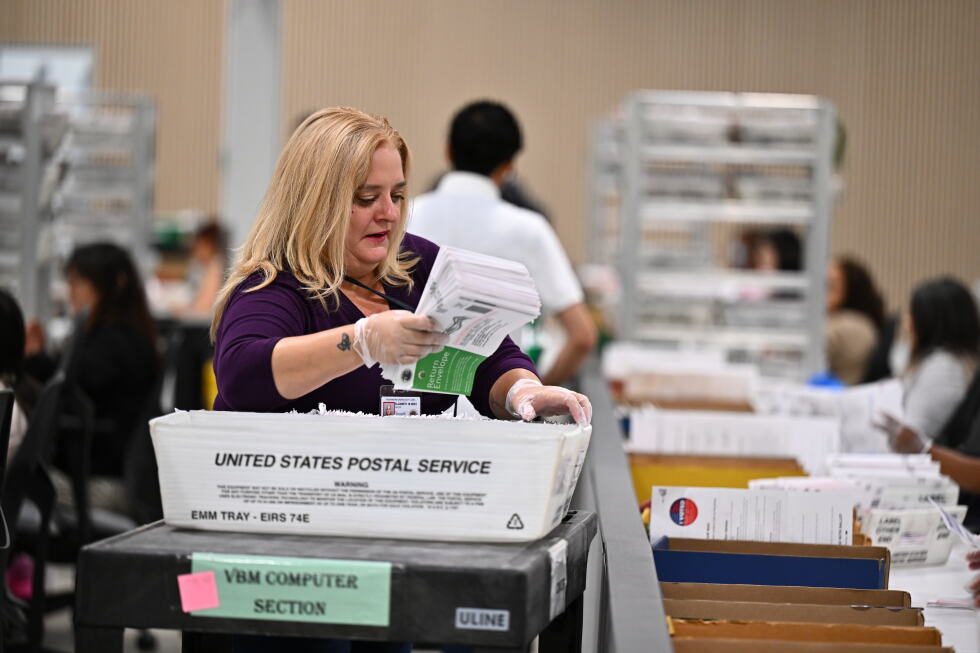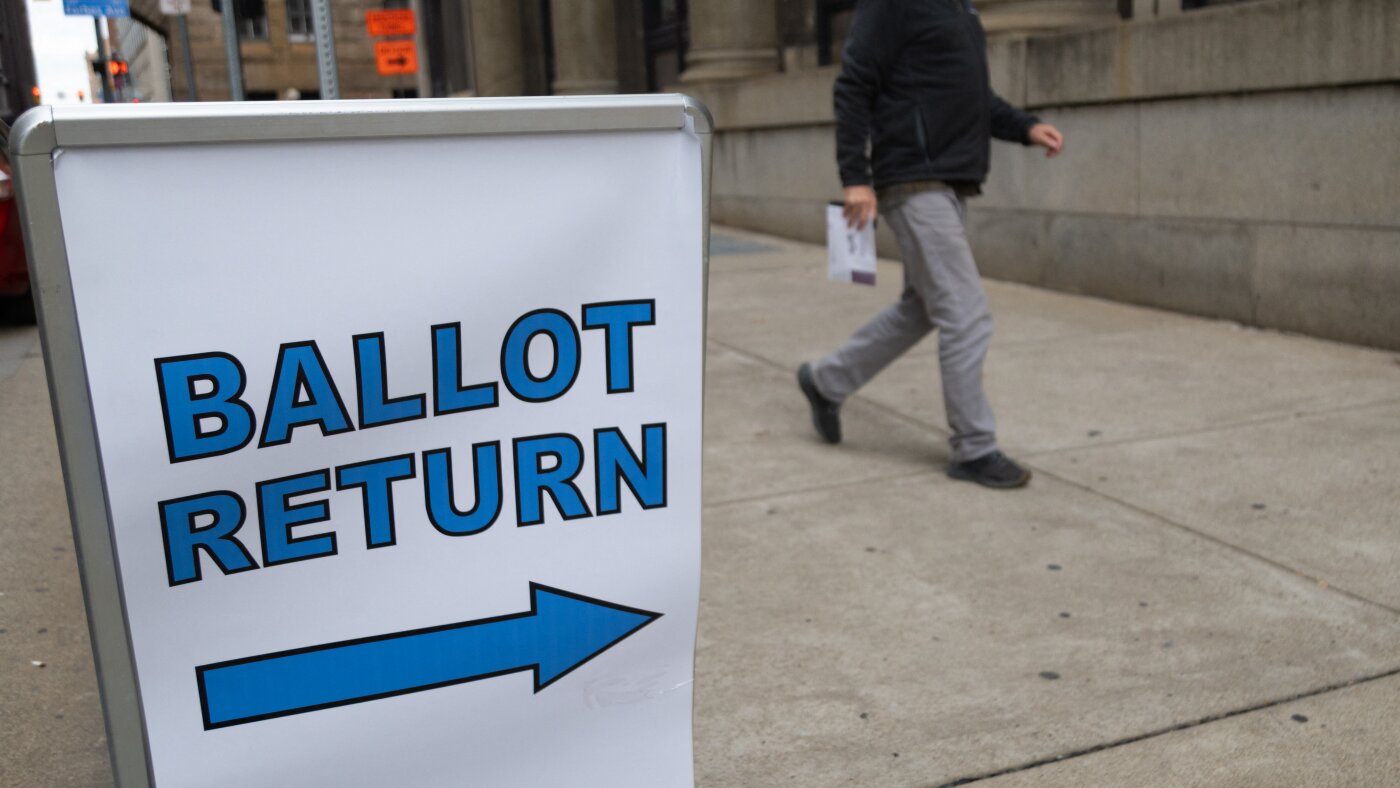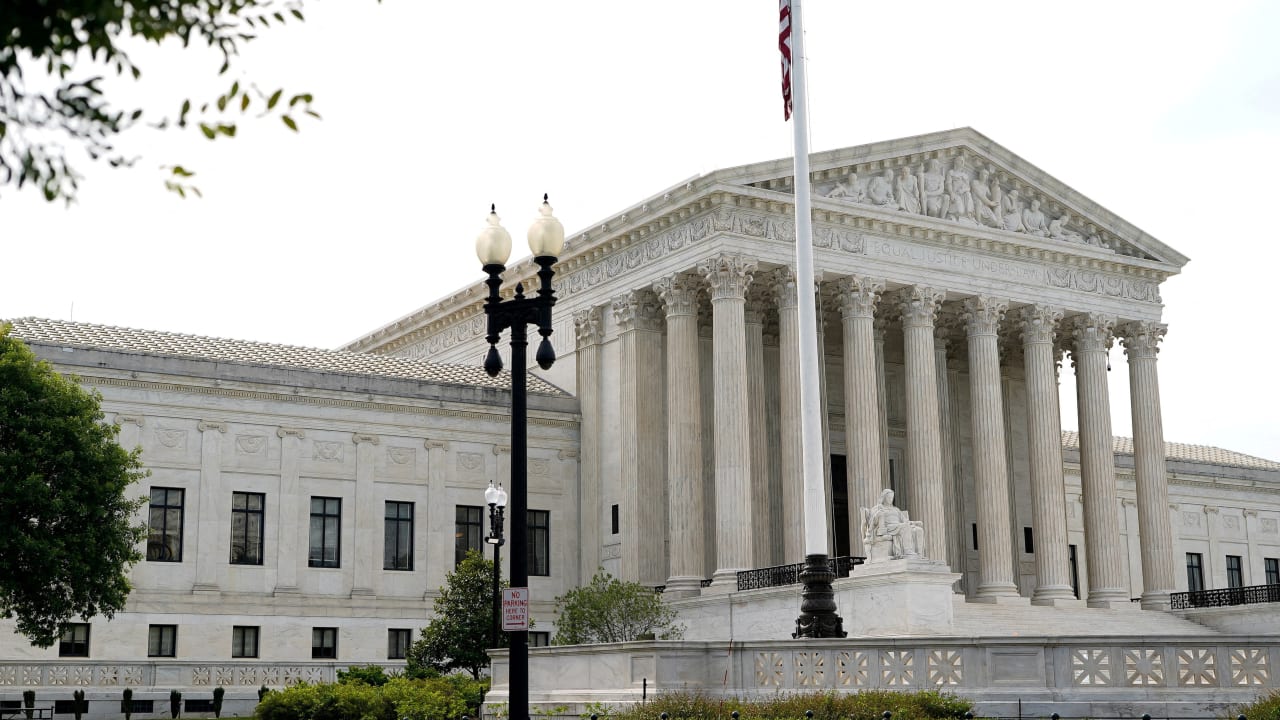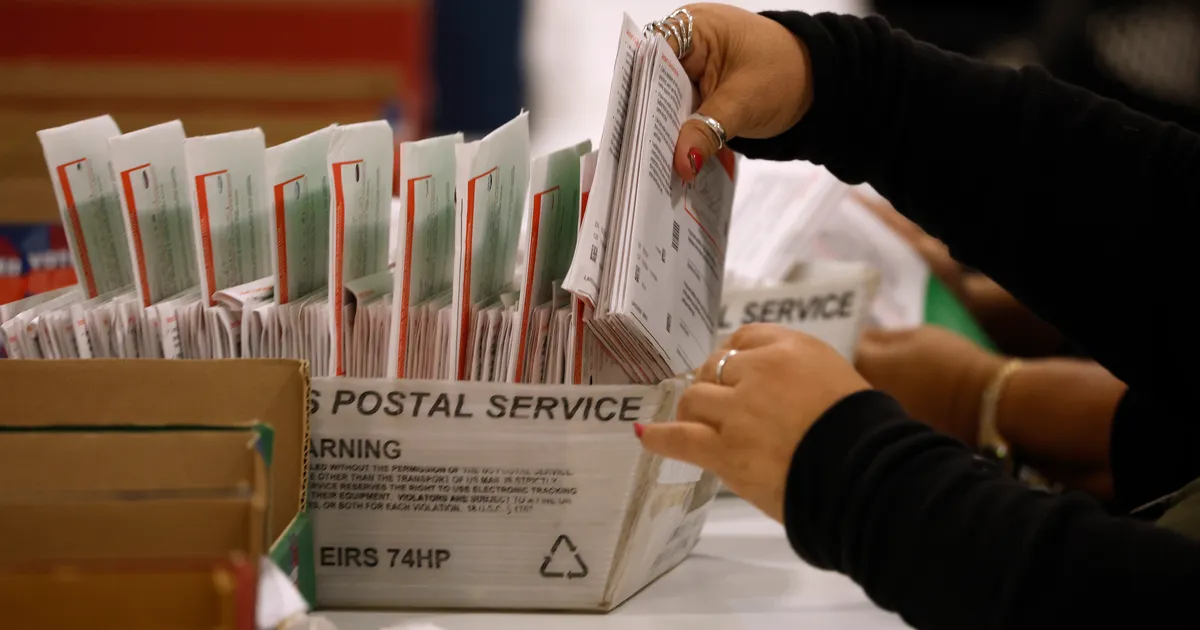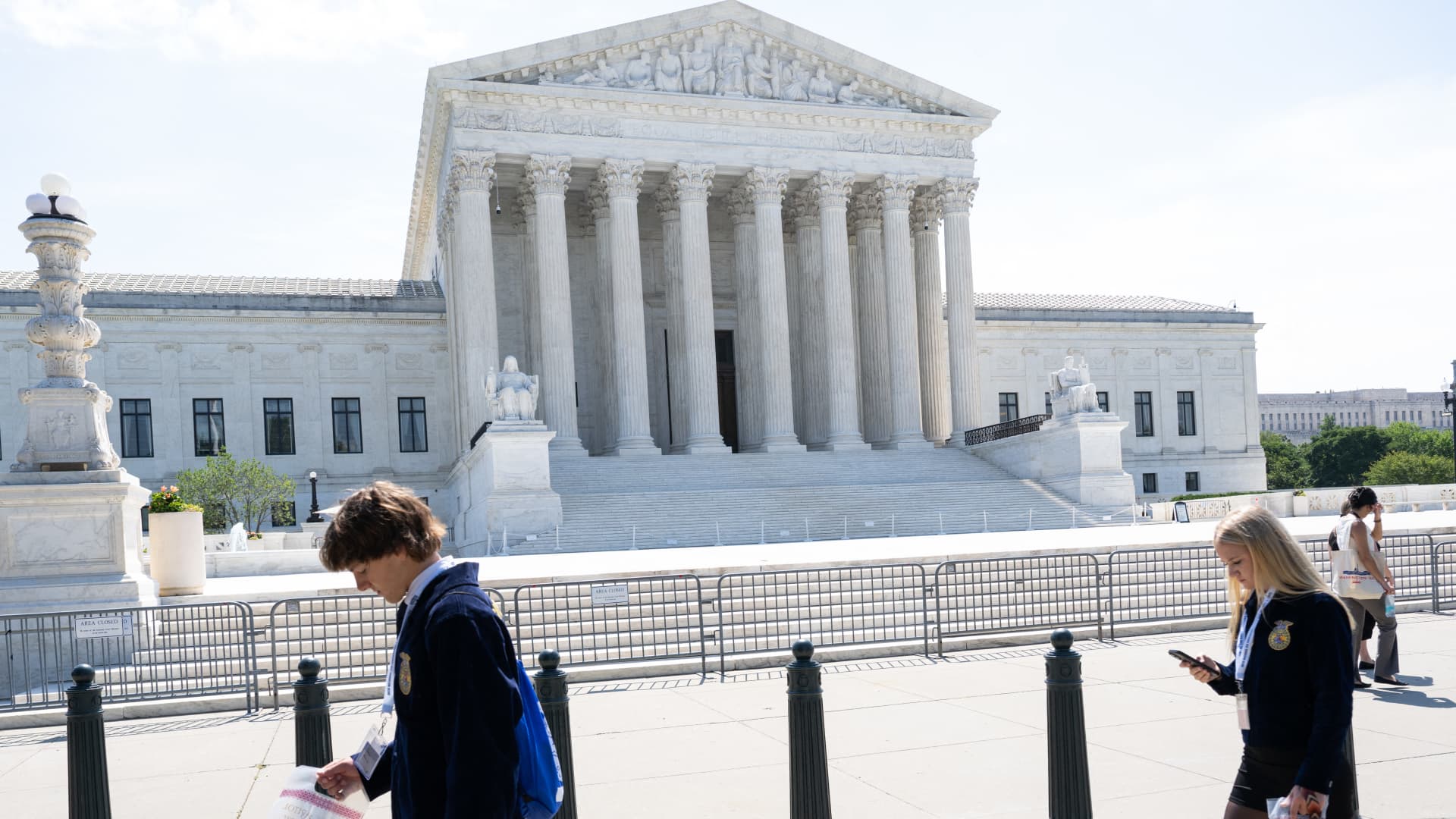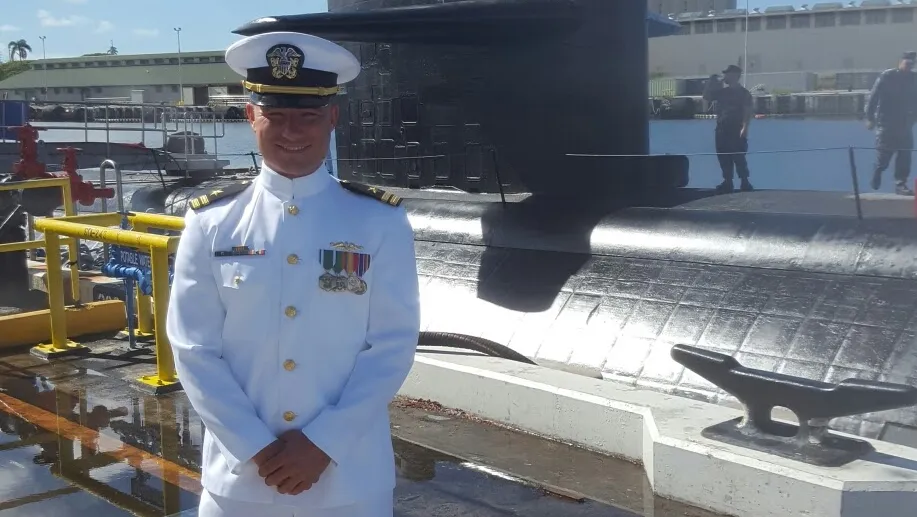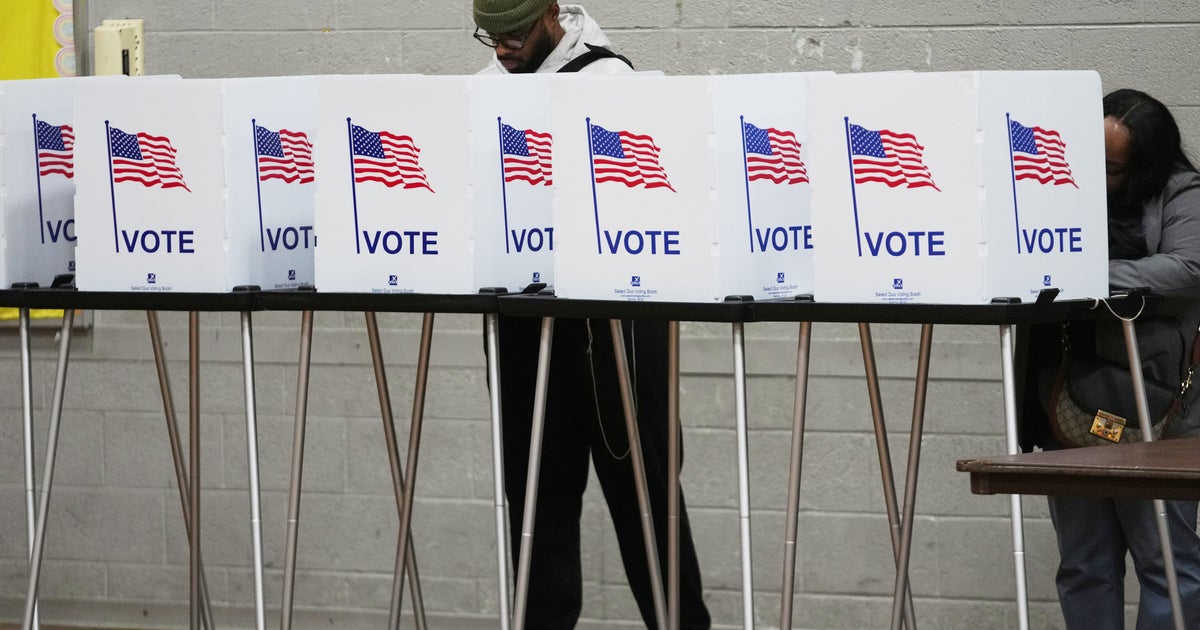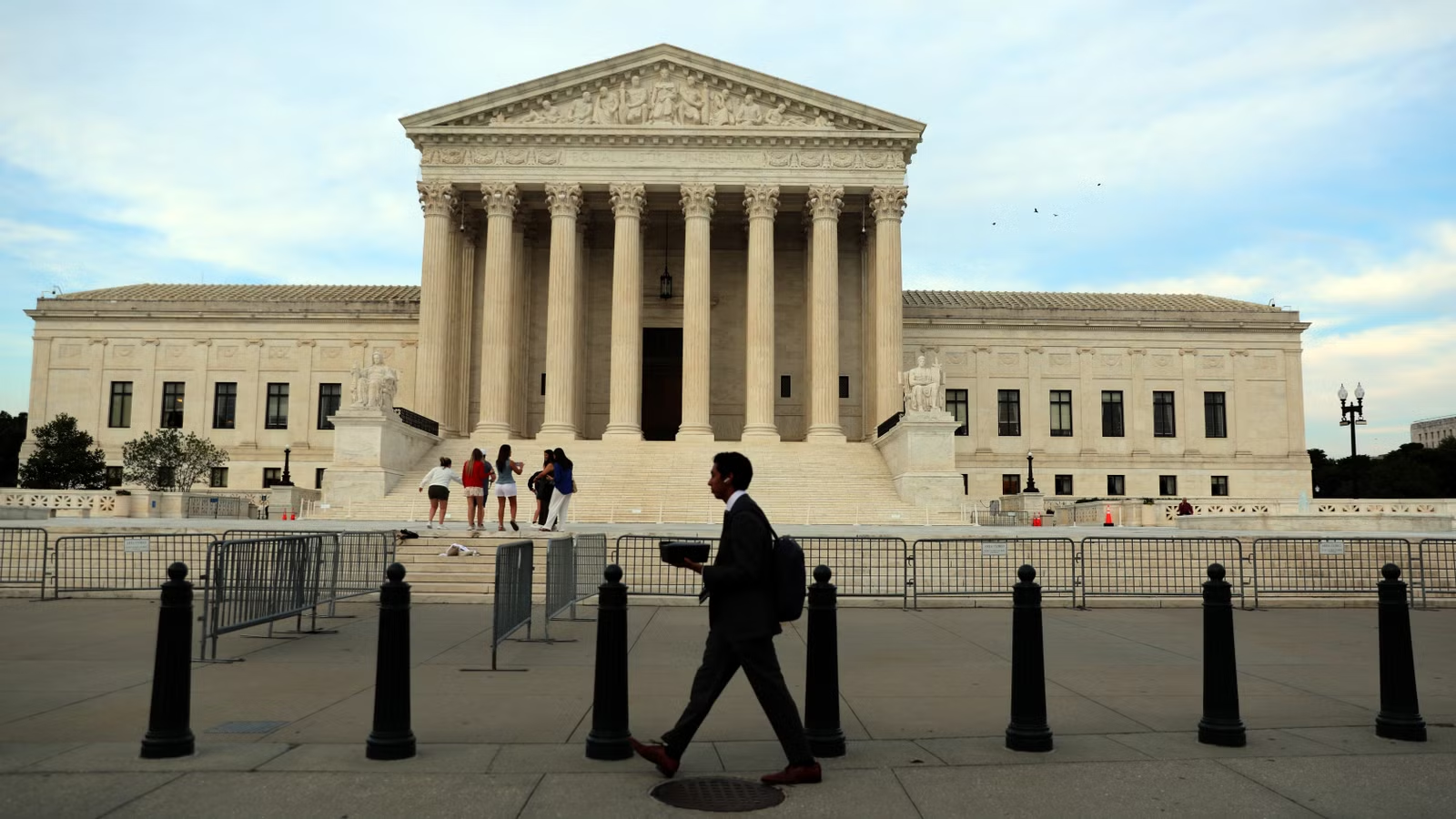
The Supreme Court's 5-4 ruling on Monday to uphold a grace period for mail-in election ballots has drawn strong rebukes from conservatives, while military organizations and other groups praised the ideologically lopsided judicial body for preserving voting options—notably for displaced active-duty military personnel. The Court's decision in Watson v. Republican National Committee will preserve mail ballot grace periods across Washington D.C. and the following 14 states: Alaska, California, Illinois, Maryland, Massachusetts, Mississippi, Nevada, New Jersey, New York, Oregon, Texas, Virginia, Washington and West Virginia. It's a major blow to the Trump administration and its supporters, who have called for voter overhauls as part of the SAVE Act and prior to primary and general elections happening nationwide this summer and fall. Justice Amy Coney Barrett wrote the opinion on behalf of the majority, rejecting Republicans' argument against the upholding of a 2020 Mississippi law allowing mail ballots postmarked by Election Day to still count if they arrive within five days. GOP opponents argued that that federal laws setting a date for elections preempted states from accepting ballots after that day. “The Framers recognized the difficulty of crafting election laws ‘applicable to every probable change in the situation of the country,'" Barrett wrote. "So instead of constitutionalizing election law, they decided that ‘a discretionary power over elections’ needed to be lodged ‘somewhere.' "Suffice it to say, that power was not lodged in this Court. The election-day statutes say nothing about ballot receipt, and we cannot add to the words Congress chose.” Barrett was joined by Chief Justice John Roberts and Justices Ketanji Brown Jackson, Elena Kagan and Sonia Sotomayor.
Supreme Court Mail-In Election Ballot Decision Impact on 1.3M Active Military, Veterans
The 5-4 decision by the Court on Monday is a blow to Republicans' efforts to alter mail-in ballot times.
1,528 words~7 min read