A pending ruling on mail ballot deadlines could limit grace periods, raising concerns that overseas troops and military voters may struggle to have ballots counted on time.Show Caption
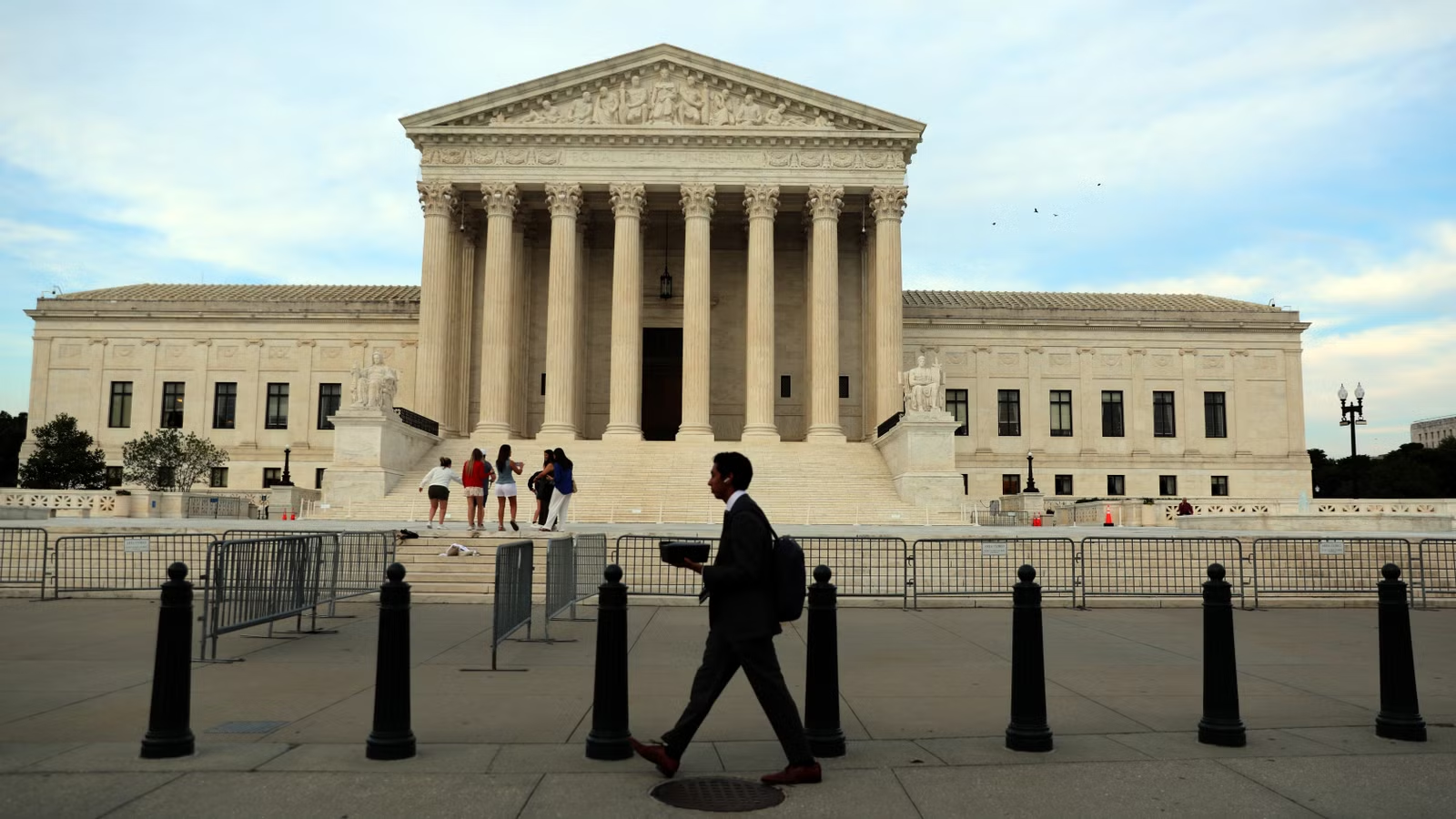
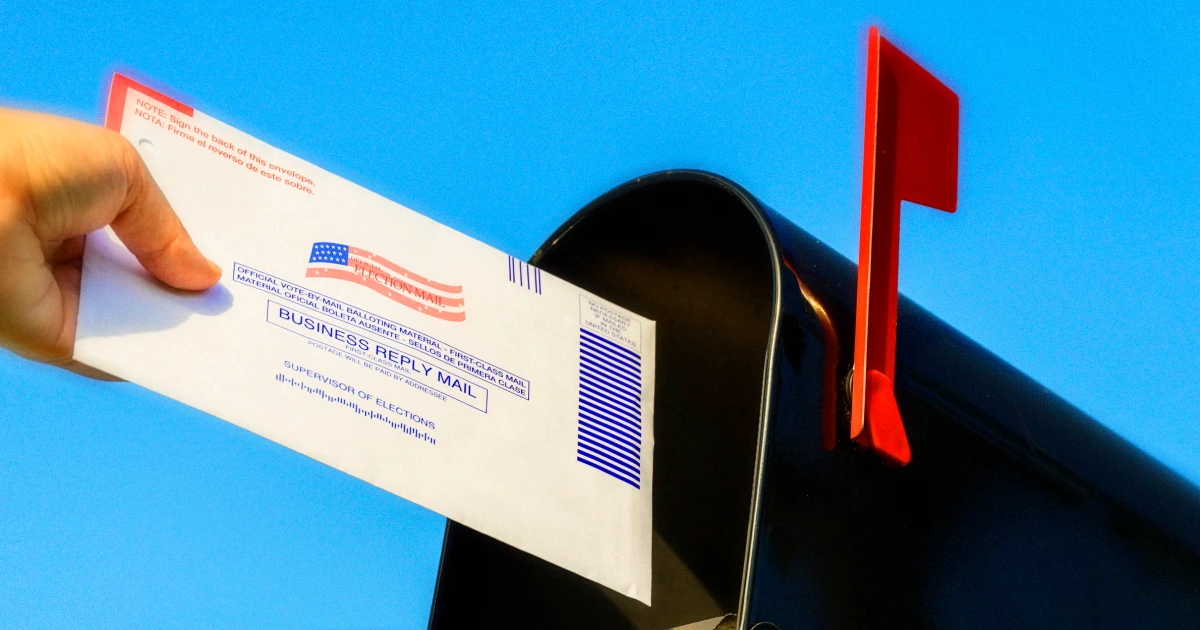
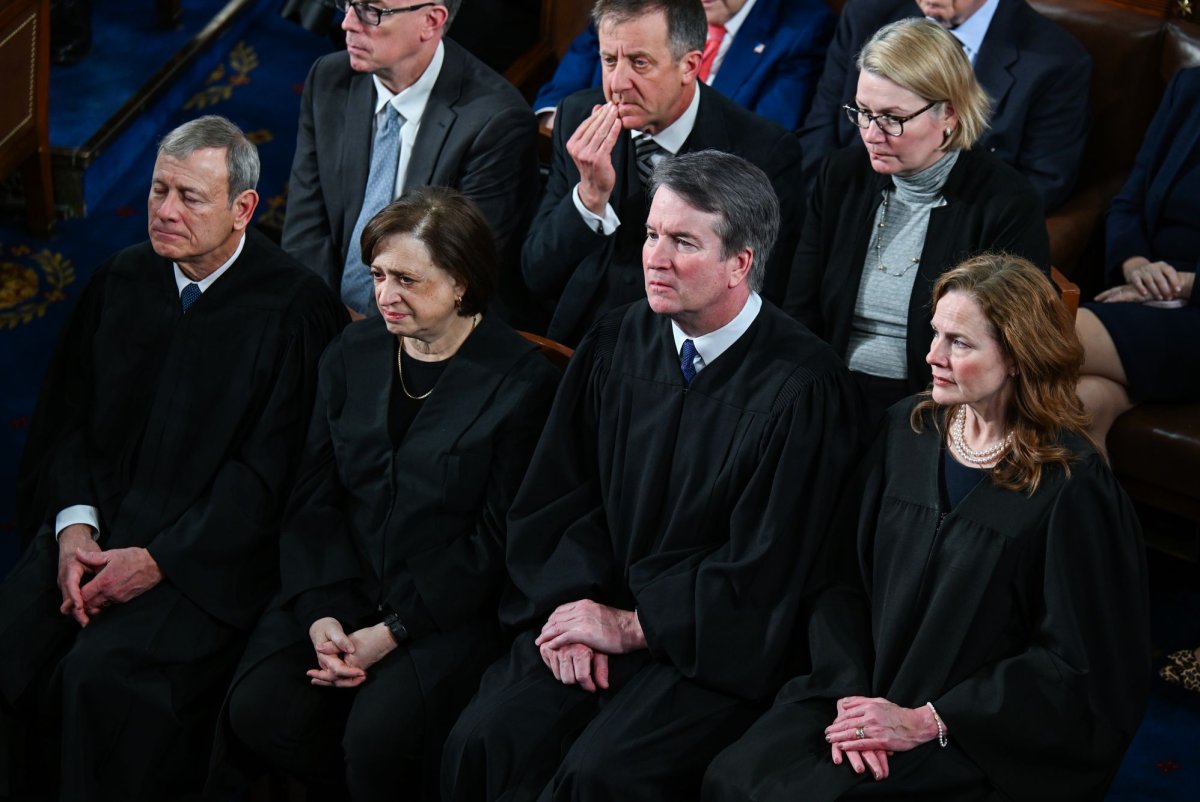
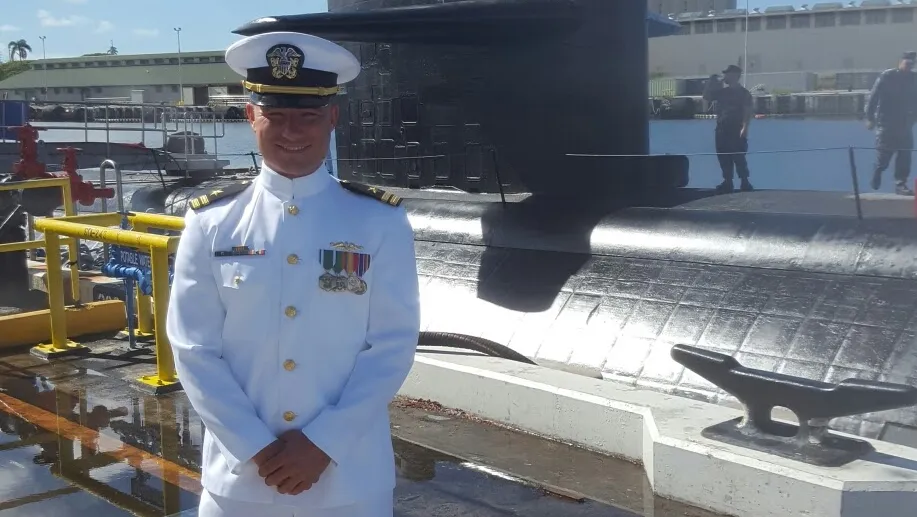
For three years, Alberto Ramos had a three-inch binder filled with all the important voting-related dates and rules for every state — party registration and absentee ballot request deadlines, election dates, and available grace periods for military voters.Along with his role running the operations on a Navy submarine, the now-retired Navy lieutenant commander also coordinated helping seamen vote by getting ballots onboard, and quickly off again as a voting assistance officer."We worked really hard to surface the ship off the coast of the country, bring on all of this mail, which entails like tossing a rope ladder over and manually bringing it all below decks, sorting through it, having people vote, and then getting that back off of the submarine before we'd have to go back underwater," he said.He and people with similar roles in units across every branch do the "backward algebra" of calculating how long it might take a ballot to get off the Navy ship, mailed from the nearest port, and back to the United States in time for Election Day. The role is "critically important," he said."As a military family member, as a veteran, and while you're in active duty service, you really feel the weight of these elections, that you're voting for people who can send you to war," Ramos, 38, told USA TODAY.But a pending Supreme Court decision on whether states can offer grace periods for when election officials receive ballots postmarked by Election Day could make it more difficult for hundreds of thousands of military members stationed overseas or at bases far from home to vote, he said. The ruling could also impact millions of Americans living overseasThirty states, the District of Columbia, and three U.S. territories have "grace period" laws that allow at least some voters’ mail ballots to count when they are sent by Election Day but arrive a few days later. Many of the laws have been in place for decades.What the Supreme Court case is aboutIn 2024, a federal appeals court ruled in a lawsuit filed by the Republican National Committee that century-old federal laws setting a "day for the election" prohibit states' mail ballot grace periods. The case challenged Mississippi's law, but the ruling could be applied nationally.The Supreme Court heard the case in late March and is expected to announce its decision by the end of the month.Congress has protected voting access for military and overseas voters through the Uniformed and Overseas Citizens Absentee Voting Act of 1986 (UOCAVA), which requires states to allow them to vote by absentee ballot, and the Military and Overseas Voter Empowerment Act of 2009, which requires states to send absentee ballots to UOCAVA voters at least 45 days before federal elections.Neither act mandates a grace period after Election Day, and several nonpartisan veterans groups said they are worried the court's ruling could impact military voters and service members both overseas and in-country.Federal law already protects military voters, an RNC spokesman said."Federal law already protects the rights of our military voters through UOCAVA, guaranteeing they can cast absentee ballots from anywhere in the world, and nothing in this case changes those protections," said Ally Triolo, the Republican National Committee's election integrity communications director.Still, as of 2024, 11 states that typically required domestic mail ballots to arrive by Election Day gave military voters' ballots extra time, according to the Bipartisan Policy Center, a Washington, DC-based think tank promoting bipartisan solutions to policy issues.Before the 2009 law required states to send ballots to overseas and military voters 45 days in advance, half the states sent out their ballots so close to Election Day that voters did not have sufficient time to cast and return their ballots, according to the National Conference of State Legislatures."We know that ballots can take a very long time to get to the military and then a very long time to be returned. And that doesn't count the time in the middle that a member of the military might need to sit with the ballot and consider it, and they might be busy with other things that are really important," said David Becker, founder and executive director of the Center for Election Innovation & Research, a nonpartisan nonprofit that works with election officials to bolster election security and integrity. "It often involves multiple postal services, the Military Postal Service, another nation's postal service, as well as our American Postal Service."Why military votes take longerSubmarines often don't surface for months at a time, and Ramos acknowledged that it is a worst-case scenario for receiving and casting ballots, but that ballots have a hard time reaching members of the U.S. military across the globe.Ramos leads Veterans for All Voters, a veteran-led nonprofit working on state-level election reform. The group is part of a coalition of groups supporting military voters who advocate for a seven-day grace period.In 2024, military and overseas ballots were rejected for lateness at more than eight times the rate of domestic mail ballots, according to the Bipartisan Policy Center."If for the states that have grace periods, you choose to eliminate those grace periods, you make it more likely that those votes won't be counted," Ramos said.Stationed in the United StatesMany service members stationed inside the United States retain their voter registration in their home state, Goldbeck said. The former Marine Corps captain was registered in California while stationed in North Carolina and at officer school in Virginia. Ramos said he was also registered in Nevada while in uniform."Those of us who have served or are serving have literal skin in the game," Goldbeck said. "We lose a lot of free speech rights when we're in uniform, but making our voice heard at the ballot box is one thing that we absolutely want to do to make sure we have political leaders who are not sending us into foreign interventions where our lives could be lost."Goldbeck leads Vet Voice Foundation, which works with military veterans to become civic and policy leaders. The Foundation intervened in the lawsuit before the Supreme Court.A third option has been floated for the Supreme Court beyond keeping the status quo and eliminating grace periods, allowing a grace period for military and overseas ballots. Goldbeck said she doesn't see how that would be logistically possible, especially for members of the military based in the United States who are registered elsewhere."It'd be really challenging for election administration officials to accurately identify whether or not ballots are coming from military voters, because there are so many different ways that you could vote by mail," she said.